
The Doge’s Palace, Venice — History & Facts
What if beauty was never meant to be finished? In Richard Parkes Bonington's evocative painting, longing intertwines with the elegance of Venice, whispering stories of a city steeped in history and desire. Look to the left, where the grandiose façade of the Doge’s Palace rises majestically above the shimmering waters of the lagoon. The sunlight catches the intricate carvings and delicate arches, casting a warm glow that dances across the canvas. Notice how Bonington expertly employs soft, muted colors that evoke a sense of nostalgia, inviting the viewer to linger in the moment.
The composition leads your gaze towards the tranquil waterway, hinting at the ephemeral beauty of Venice's timeless charm. The juxtaposition of the palace's solidity against the fluidity of the water reflects the tension between permanence and transience. Hidden in the gentle ripples, one can sense the stories of the past, each wave a reminder of fleeting glory. The soft clouds that drift above seem almost to sigh, holding the weight of centuries of longing for something eternally out of reach. In 1826, Bonington painted this work during a period of artistic exploration in Europe, as Romanticism began to flourish.
Living in Paris, he was influenced by the likes of Delacroix and the burgeoning interest in capturing the sublime. At the same time, Venice was a city of inspiration and intrigue, a place where artists and poets sought to express the ineffable beauty of life, a quest that would resonate throughout the ages.
More Artworks by Richard Parkes Bonington
Browse all →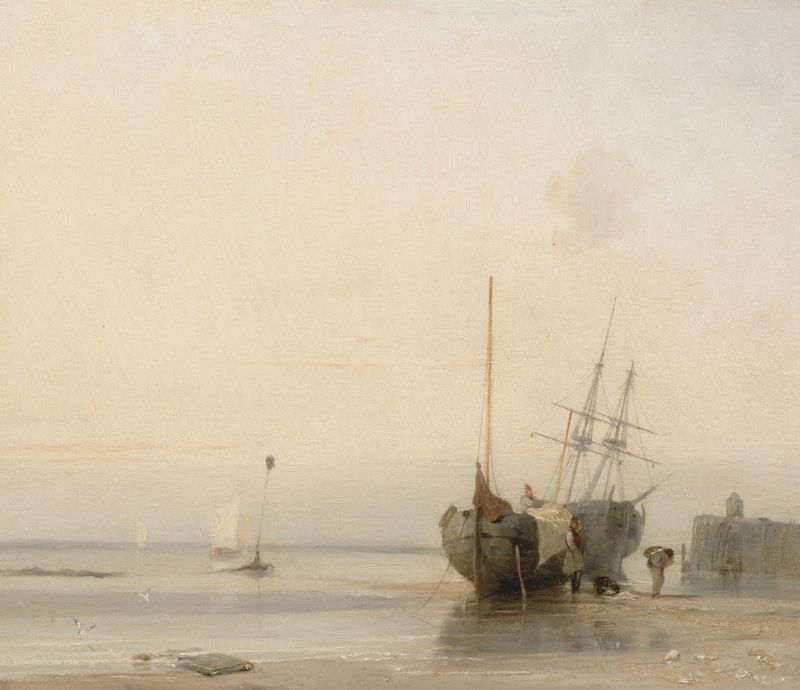
Calais Jetty, France
Richard Parkes Bonington
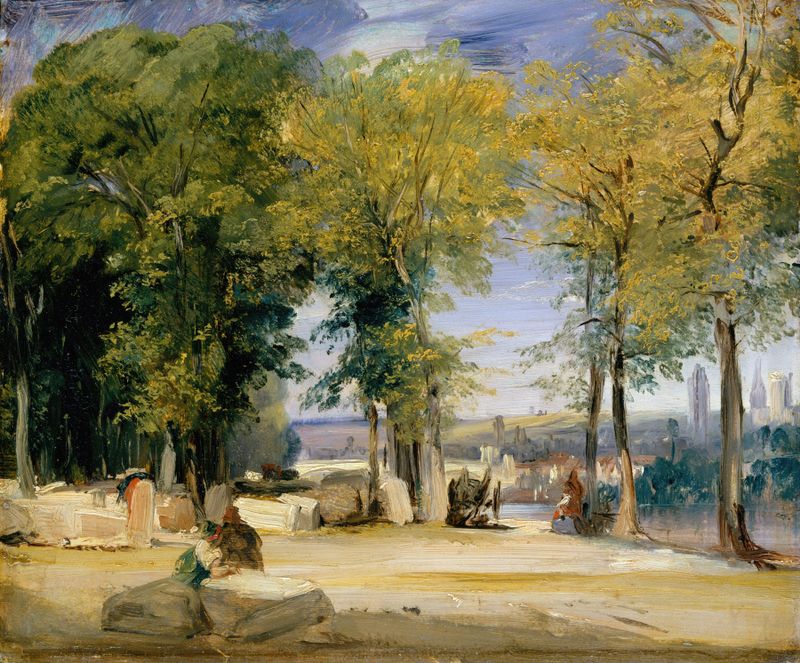
View near Rouen
Richard Parkes Bonington
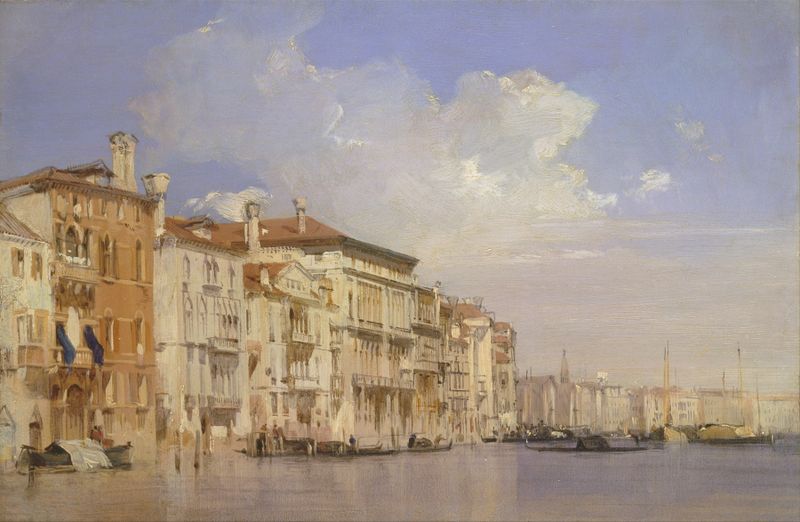
Grand Canal, Venice
Richard Parkes Bonington
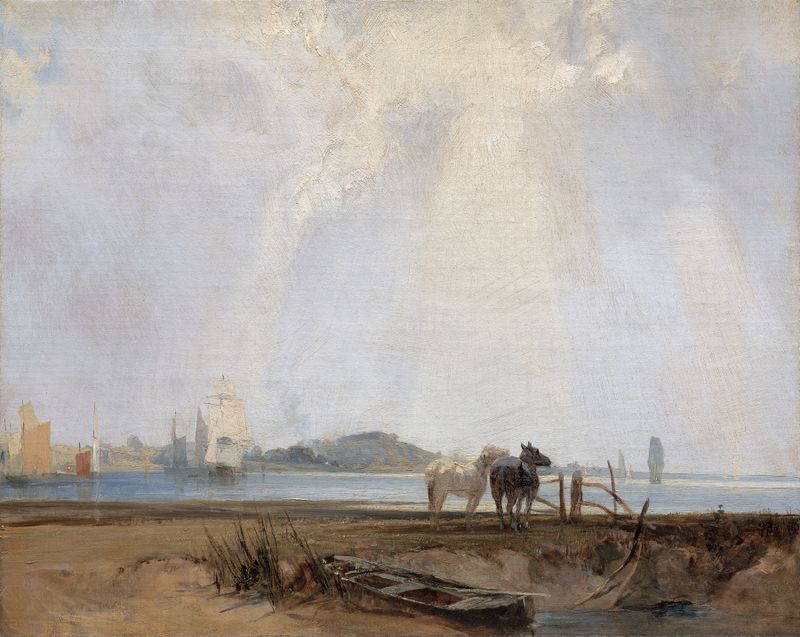
Near Quillebeuf
Richard Parkes Bonington
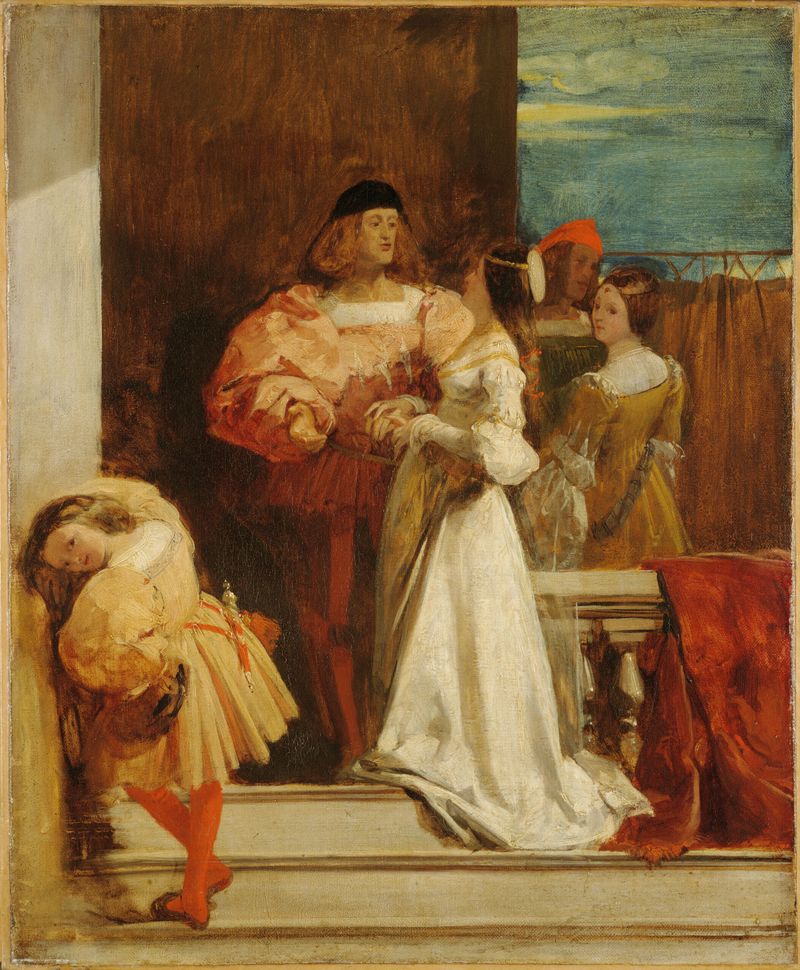
Evening in Venice
Richard Parkes Bonington
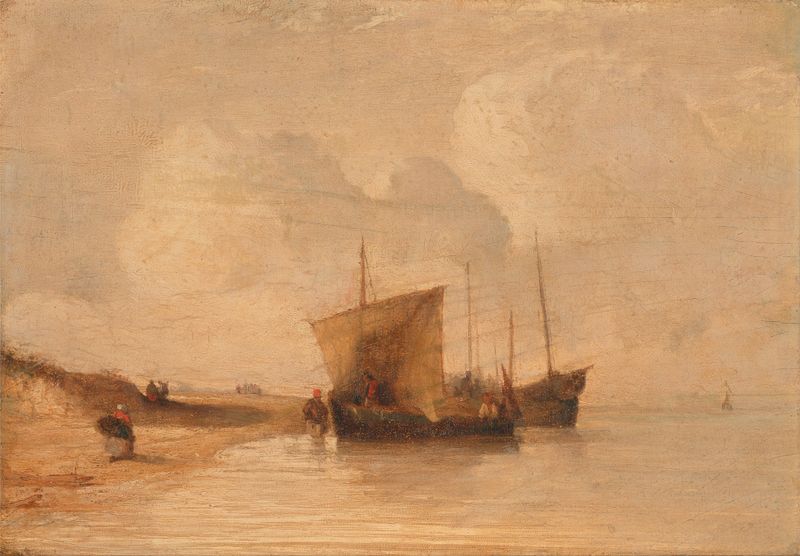
Normandy Coast
Richard Parkes Bonington
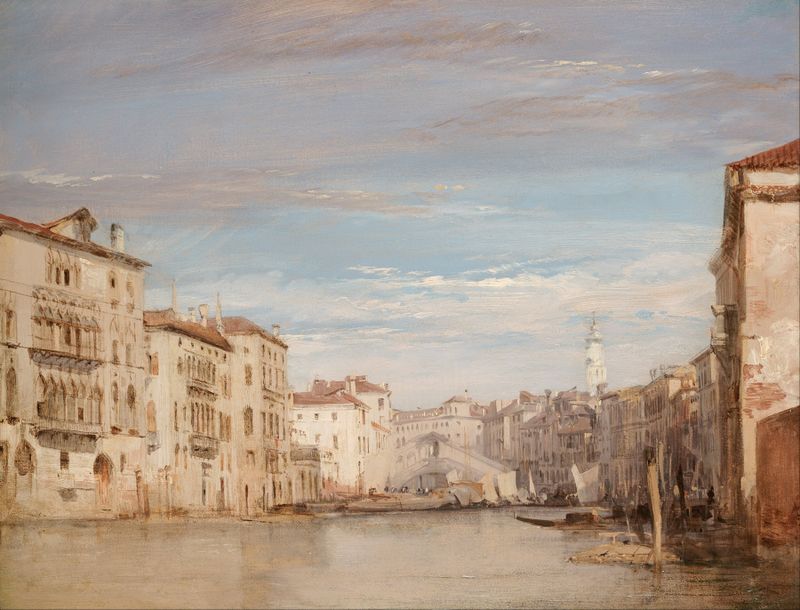
The Grand Canal, Venice, Looking Toward the Rialto
Richard Parkes Bonington
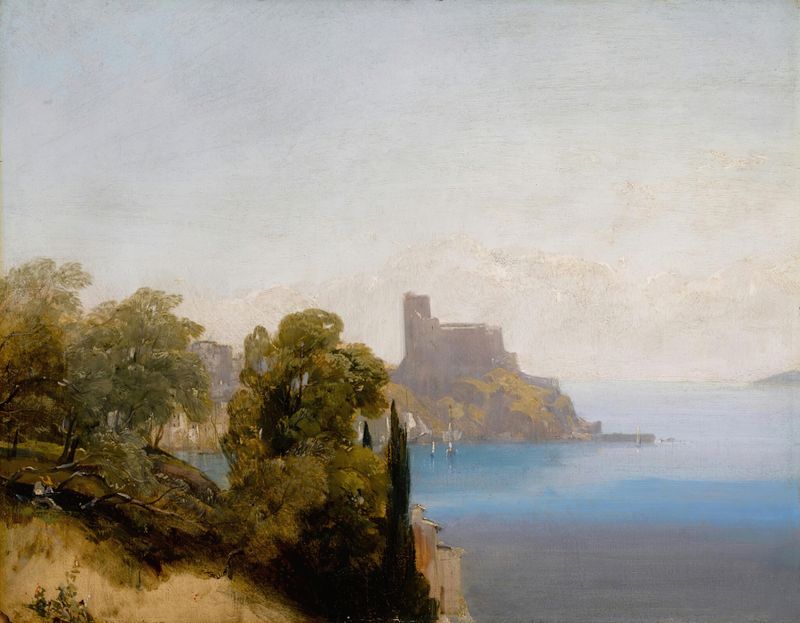
View of Lerici with Baron Charles Rivet sketching in the foreground
Richard Parkes Bonington
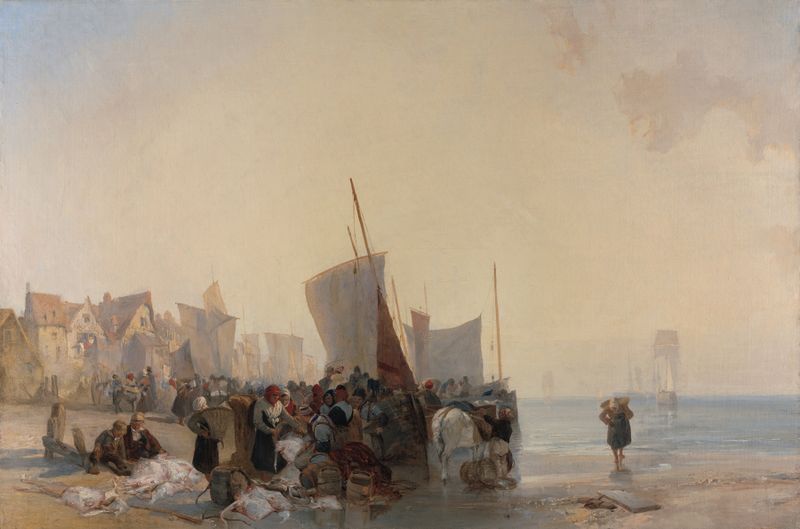
A Fish-market near Boulogne
Richard Parkes Bonington
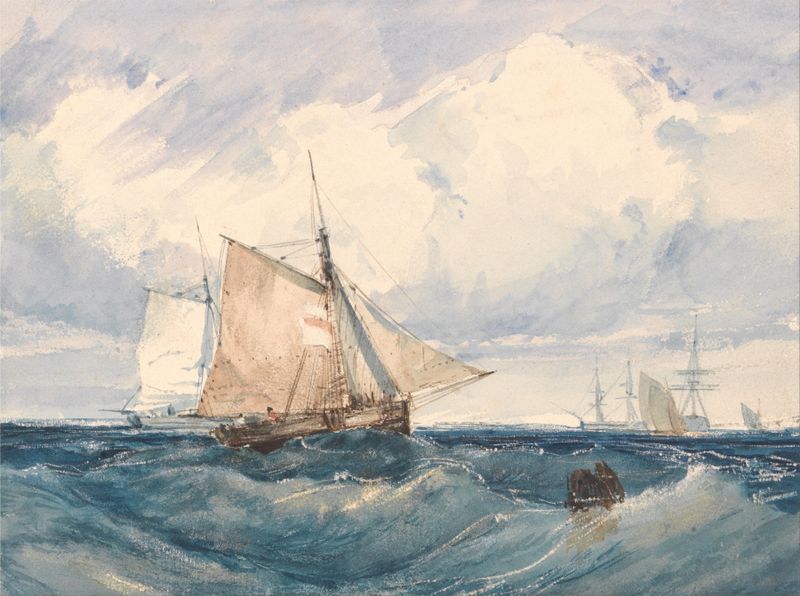
A Cutter and other shipping in a Breeze
Richard Parkes Bonington
More Architecture Art
Browse all →
The statue of Liberty
Frédéric Auguste Bartholdi

View of Houses in Delft, Known as ‘The Little Street’
Johannes Vermeer

View of Houses in Delft, Known as ‘The Little Street’
Johannes Vermeer

The Cathedral in Rouen. The portal, Grey Weather
Claude Monet

The yellow house
Vincent van Gogh

The Church in Auvers-sur-Oise, View from the Chevet
Vincent van Gogh