
The drawbridge — History & Facts
The eye is drawn first to the golden geometry of the drawbridge, its wooden arms poised mid-air as if caught in the act of lifting. Sunlight pours across the canal, sharpening the contrast between the shadowed quay and the luminous facades beyond. A fisherman sits quietly on the edge, his line vanishing into the water, while a man with a wheelbarrow crosses the bridge, his movement mirrored by the painted fish or whale on the bridge’s pillar—a whimsical, almost secret detail that asks the viewer to linger.
At the right, a gentleman stands with his dog by the corner column, half in shade, half in the glow of late afternoon, turning the cityscape into a stage set for small human dramas. This is the world of the Dutch Golden Age, when city views like this one by Adriaen van de Velde celebrated the order and prosperity of urban life. Painted between 1660 and 1672, The drawbridge is a pendant to another scene, its careful architecture and everyday figures reflecting the pride of a society built on water, trade, and civic order. Such paintings were prized by the rising merchant class, who saw in them not only familiar landmarks but also the values of diligence and harmony.
The artist’s delicate handling of light and space invites us to imagine ourselves strolling these streets, pausing to watch the fisherman, or tracing the carved statue that guards the archway—reminders that, in this era, even the most ordinary corners of a city could become a moment of quiet wonder.
More Artworks by Adriaen van de Velde

Staande stier
Adriaen van de Velde
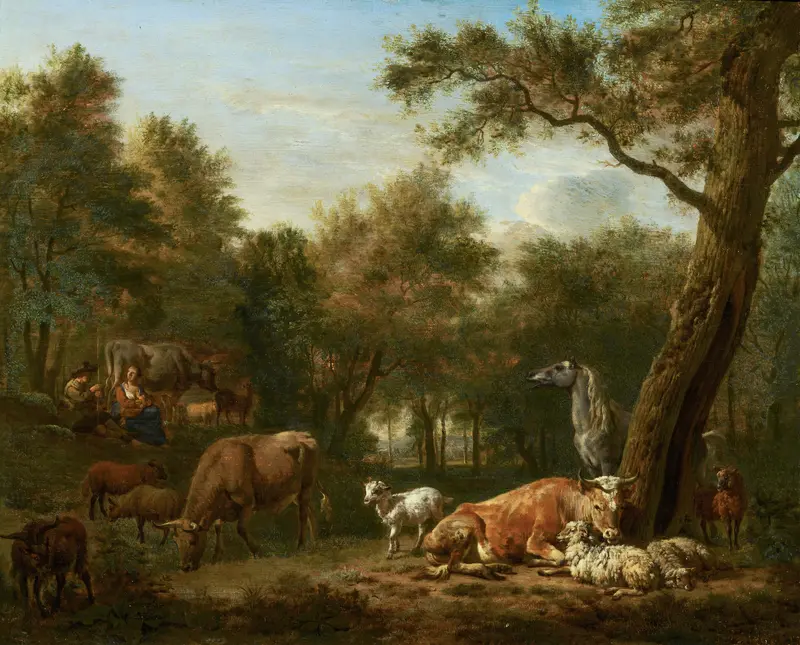
Wooded Landscape with Cattle
Adriaen van de Velde
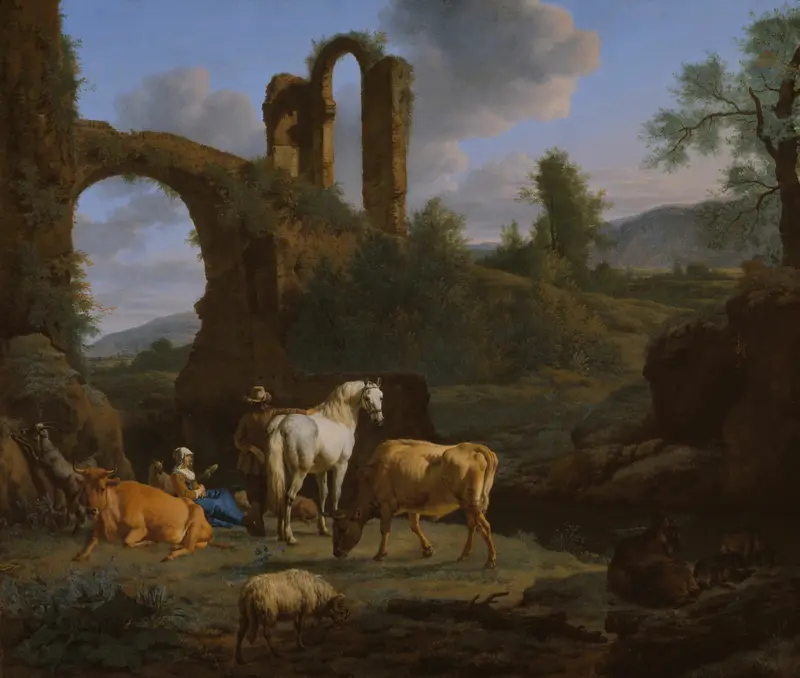
Pastoral Landscape with Ruins
Adriaen van de Velde
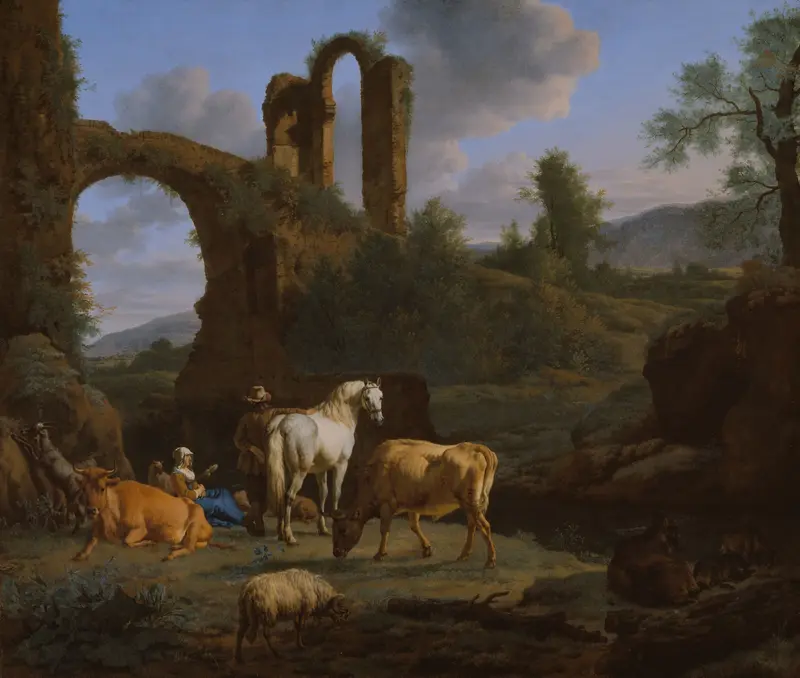
Pastoral Landscape with Ruins
Adriaen van de Velde
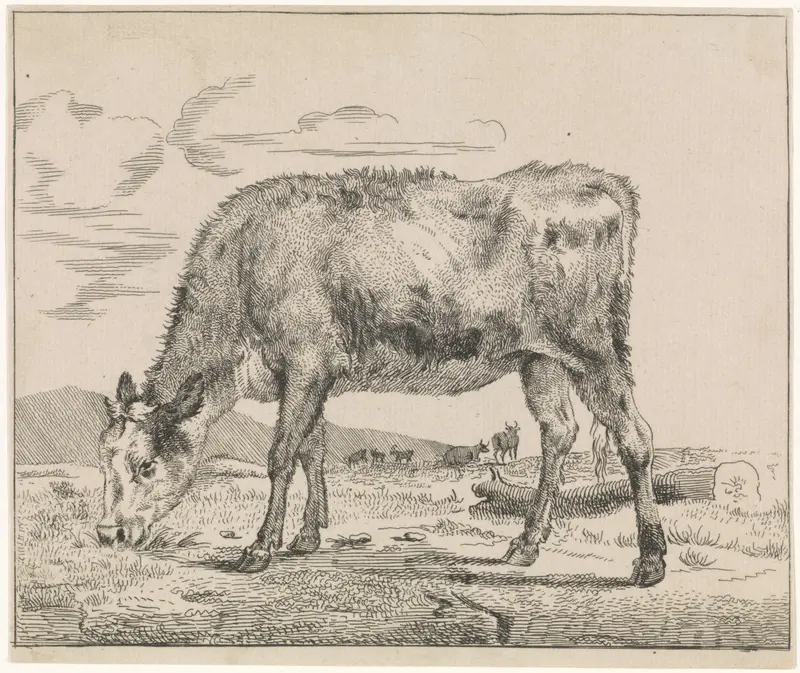
Grazend kalf
Adriaen van de Velde
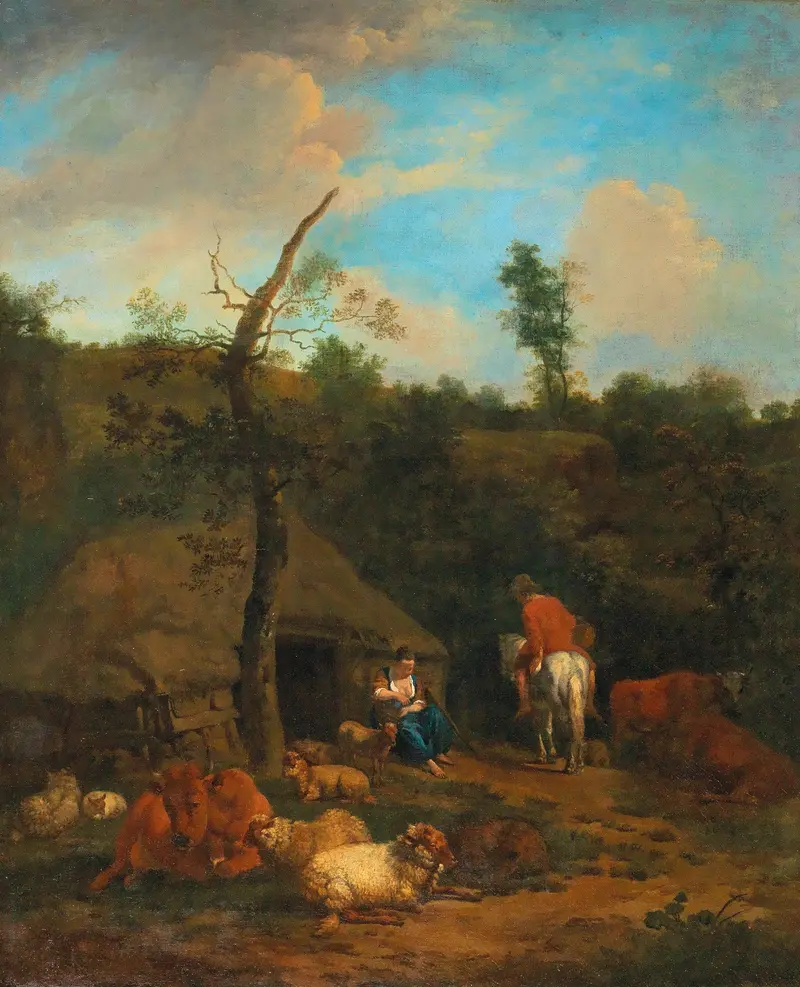
A herdsman and a shepherdess in front of a wooden farmhouse
Adriaen van de Velde
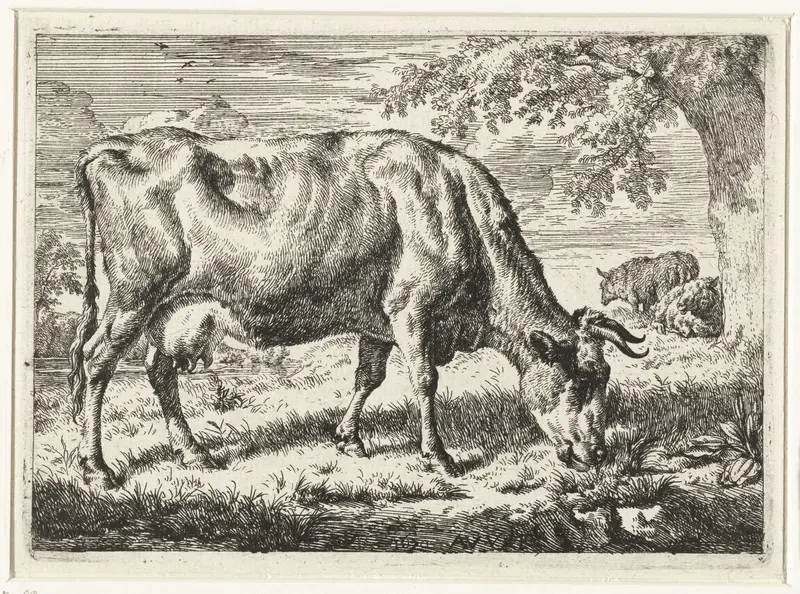
Grazende koe en twee schapen
Adriaen van de Velde
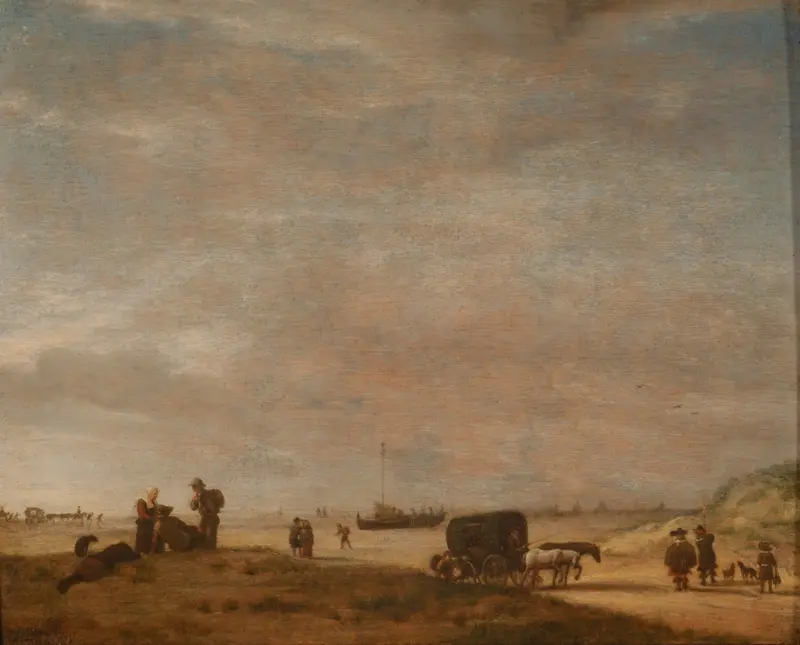
Scheveningen Beach
Adriaen van de Velde
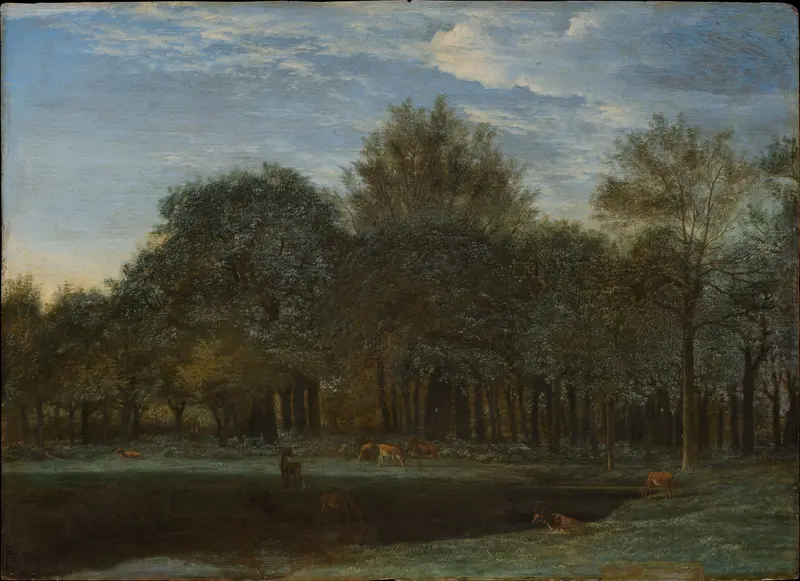
Forest Clearing with Grazing Deer
Adriaen van de Velde
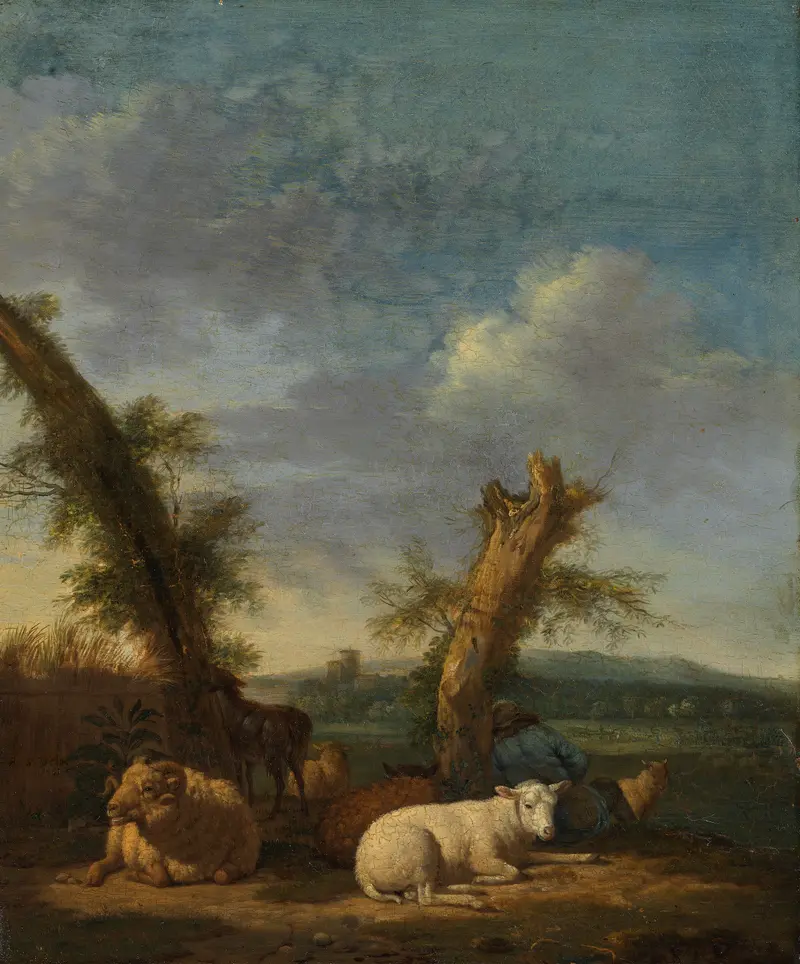
Landscape with Sheep and a Sleeping Shepherd
Adriaen van de Velde





