
The Dream (The Rape of the Lock) — History & Facts
What first arrests the eye in The Dream (The Rape of the Lock) is the sheer delicacy of its line—a vision spun from lace, suggestion, and the thinnest edge between reality and fantasy. A figure, extravagantly dressed and poised with a wand, leans forward as if caught mid-whisper or mid-thought, her finger raised in a gesture that hovers between command and enchantment. The curtain, drawn with obsessive detail, forms a veil that both reveals and conceals, its intricate patterns echoing the elaborate costume and the secretive mood.
Every dot and swirl in the fabric seems to vibrate with hidden meaning, inviting the viewer to peer closer, to wonder what lies just beyond the drapery, and to lose themselves in the play of surface and suggestion. This drawing belongs unmistakably to the late nineteenth-century world of Aubrey Beardsley, whose art helped define the decadent, witty, and often scandalous spirit of the Art Nouveau movement. Such works were typically created as illustrations for literary texts or as stand-alone visions for collectors drawn to the new, the strange, and the beautiful. The Getty Center now holds this piece, though little is recorded about its exact origins or journey.
In Beardsley's time, images like this were both a challenge and a delight—objects to be puzzled over, admired, and sometimes censored. The longer you look, the more the image seems to promise: that beauty and danger, comedy and darkness, always lie just behind the curtain.
More Artworks by Aubrey Beardsley

The Dream
Aubrey Beardsley
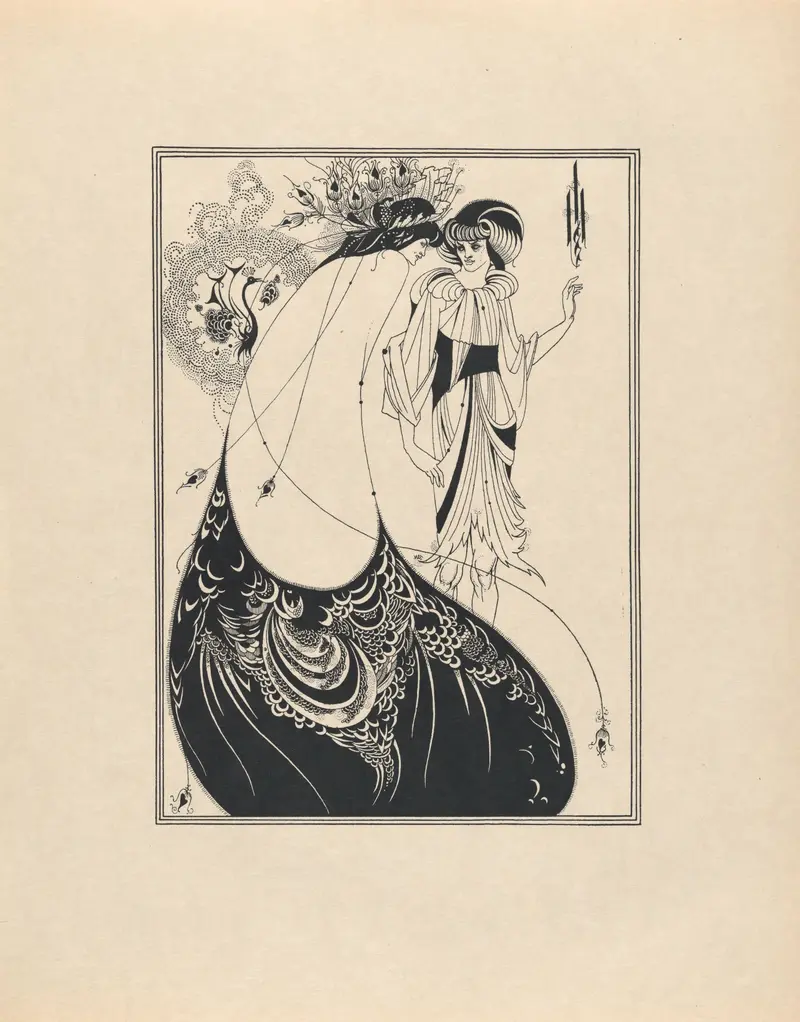
The Peacock Skirt
Aubrey Beardsley
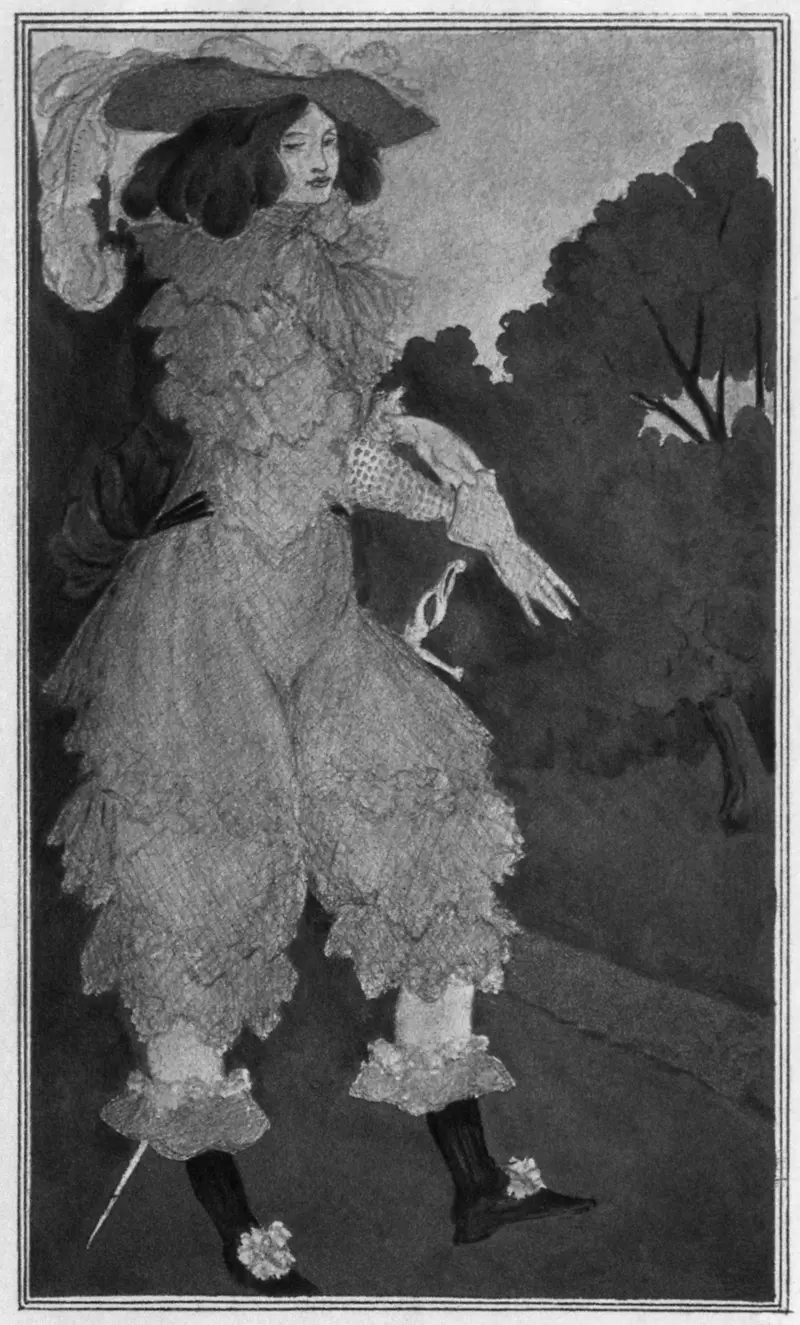
Mademoiselle de Maupin
Aubrey Beardsley
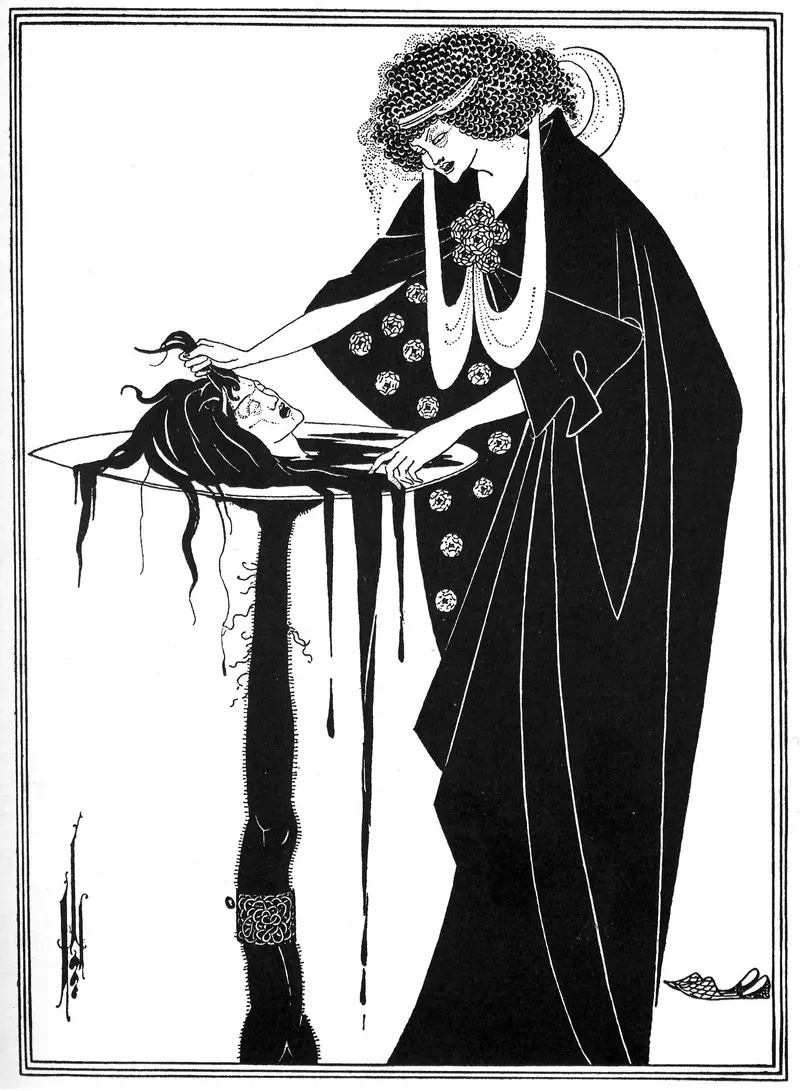
The Dancer's Reward (Salome)
Aubrey Beardsley
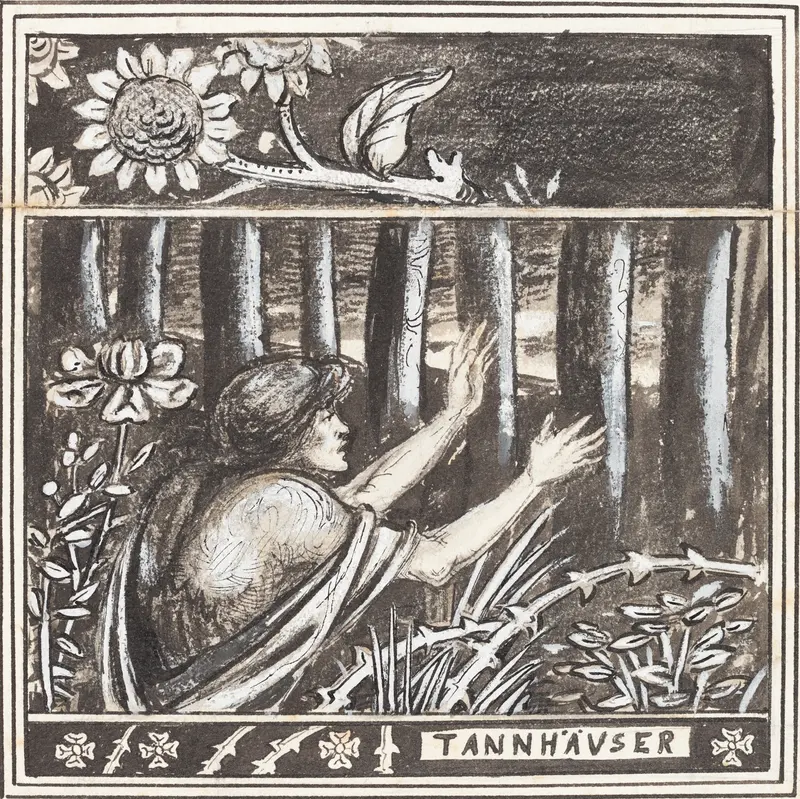
Tannhäuser
Aubrey Beardsley
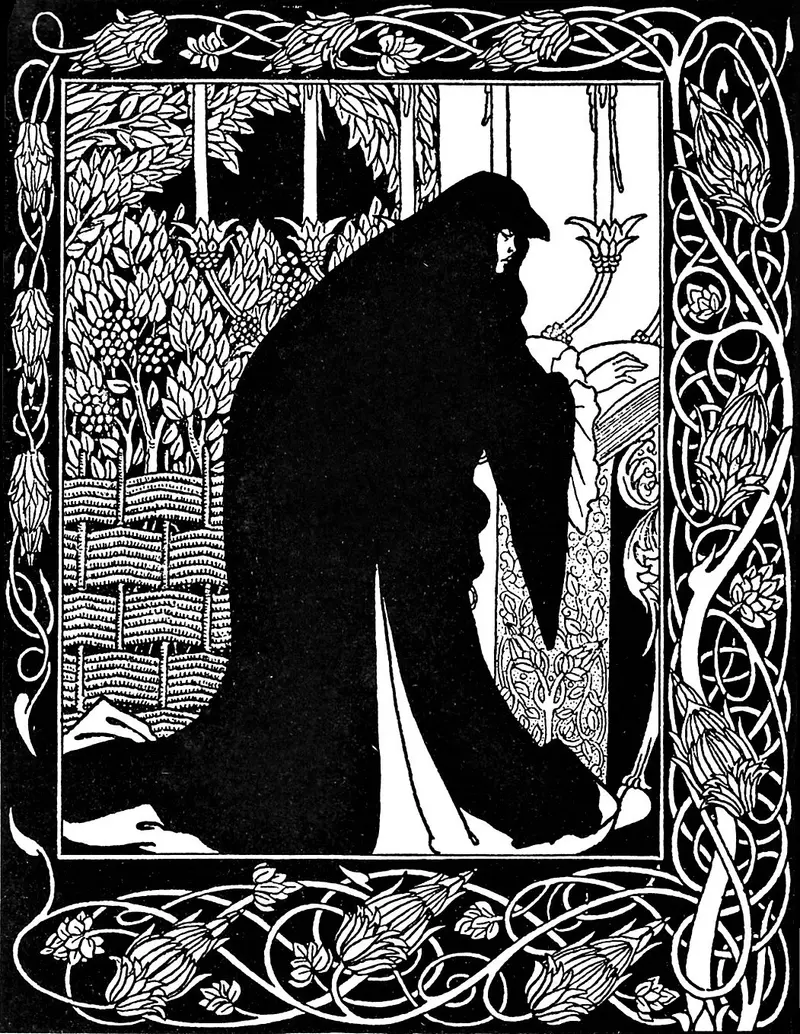
Queen Guenever, a Nun at Almesbury (Le Morte d'Arthur)
Aubrey Beardsley
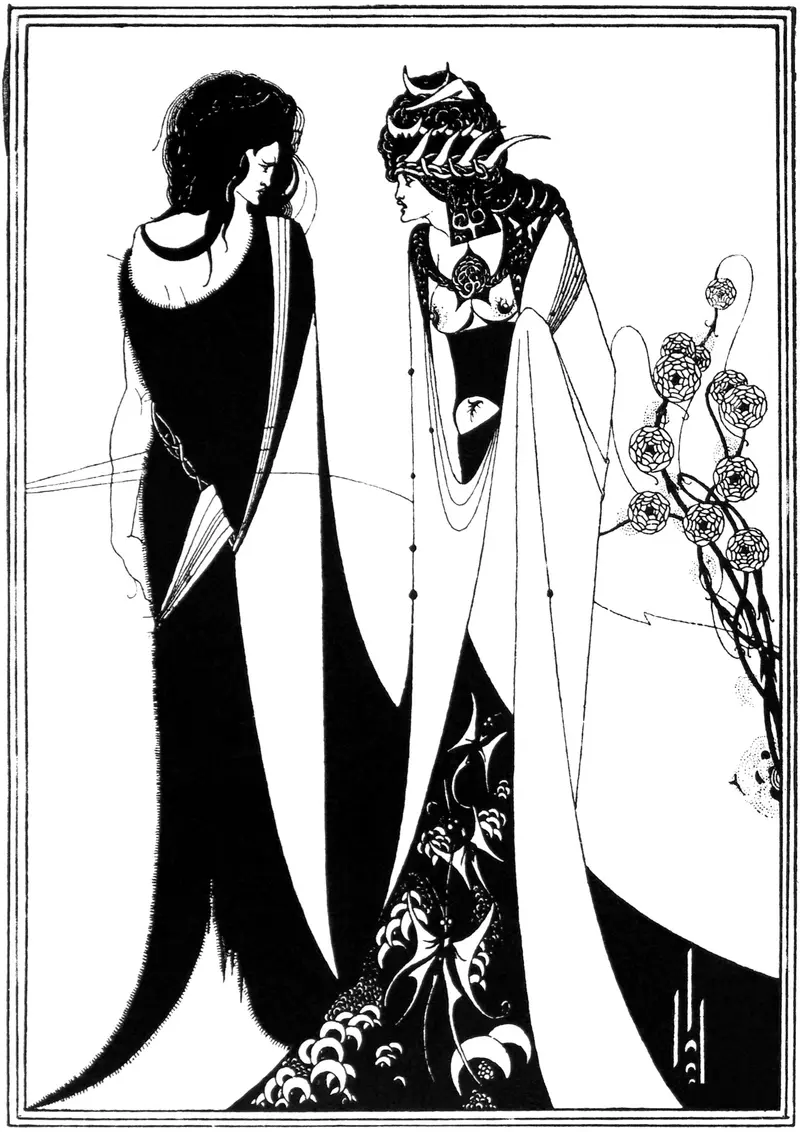
John and Salome
Aubrey Beardsley
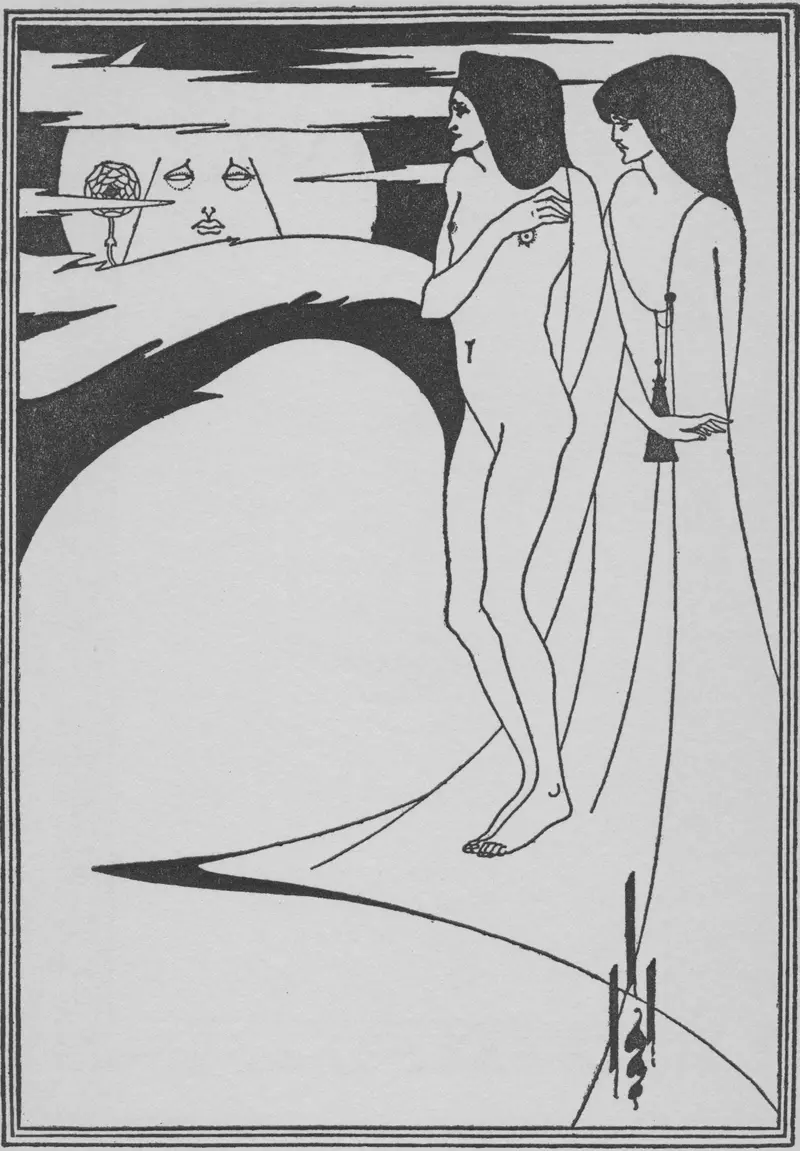
The Woman in the Moon (Salome)
Aubrey Beardsley
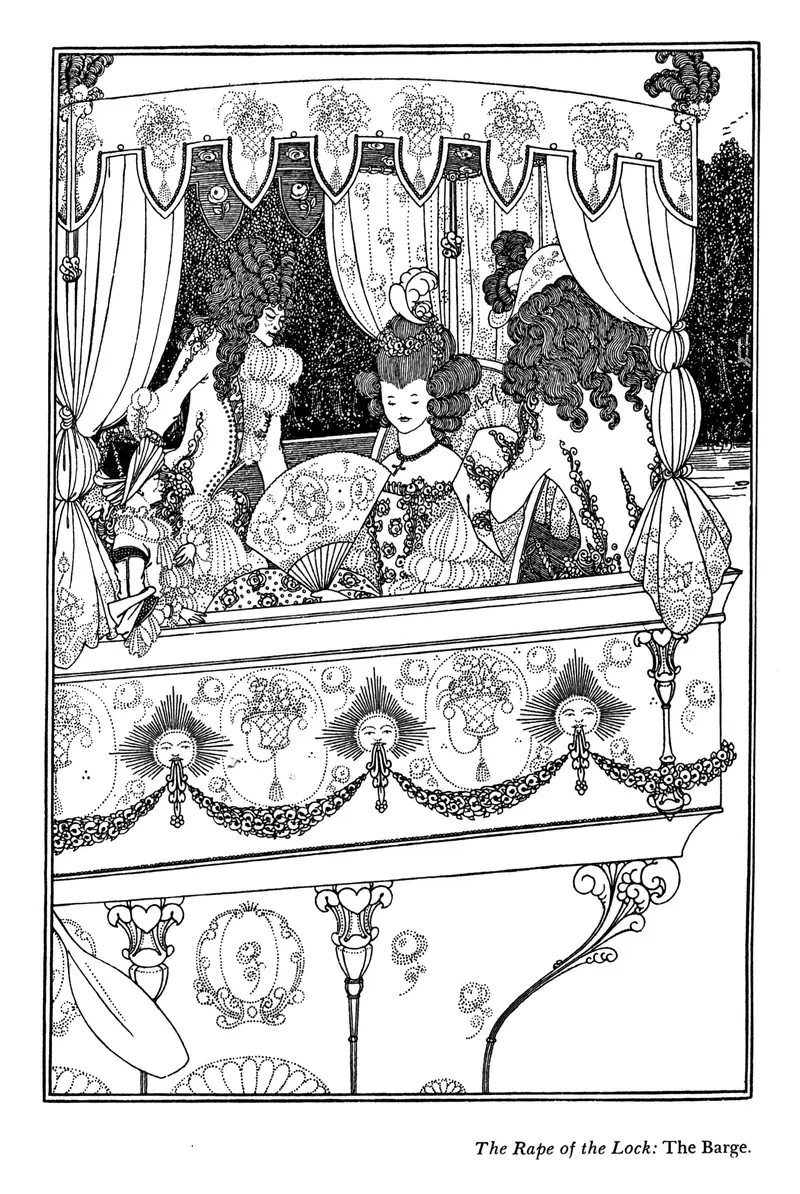
The Barge (The Rape of the Lock)
Aubrey Beardsley
Hermaphroditus (Le Morte d'Arthur)
Aubrey Beardsley




