Discover insights about this artwork
The Drowning Child — History & Facts
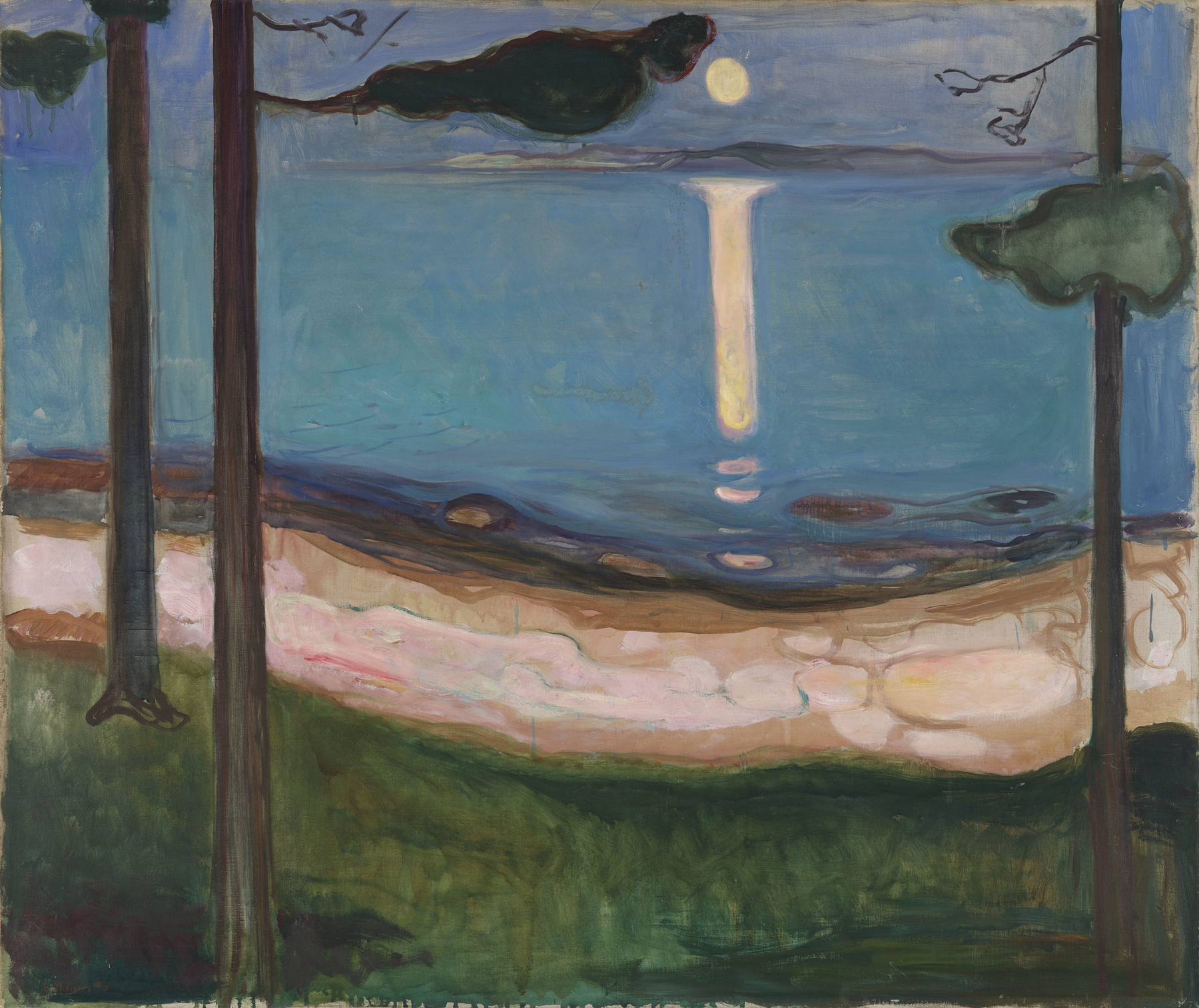
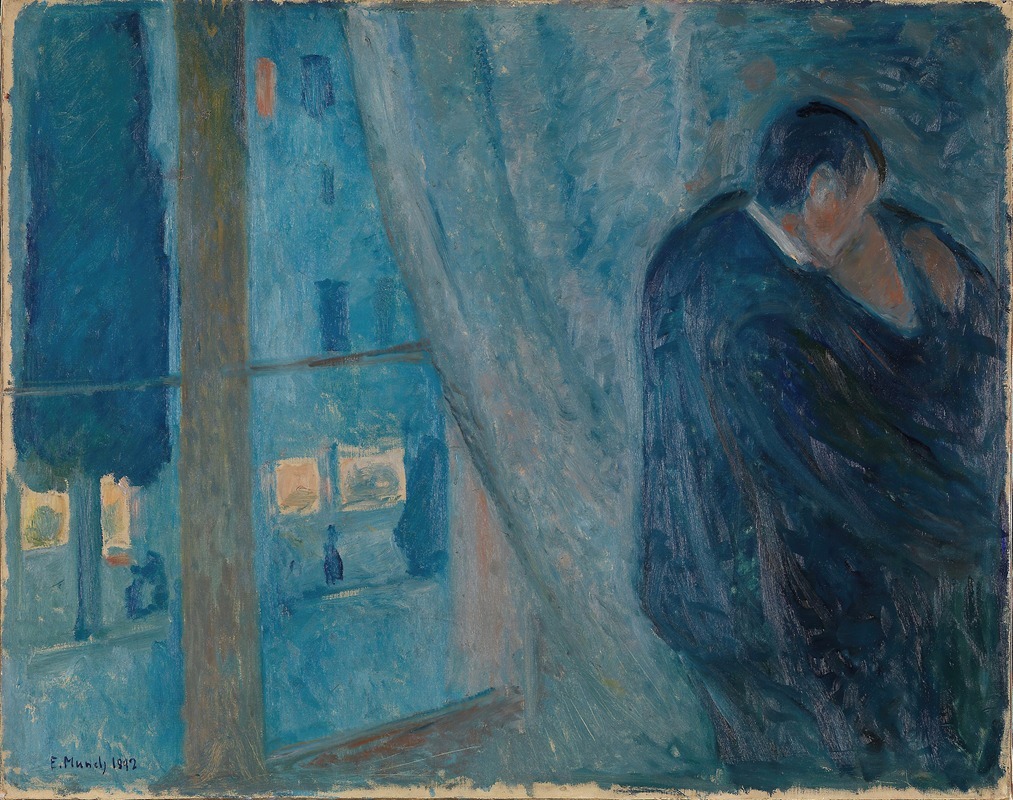
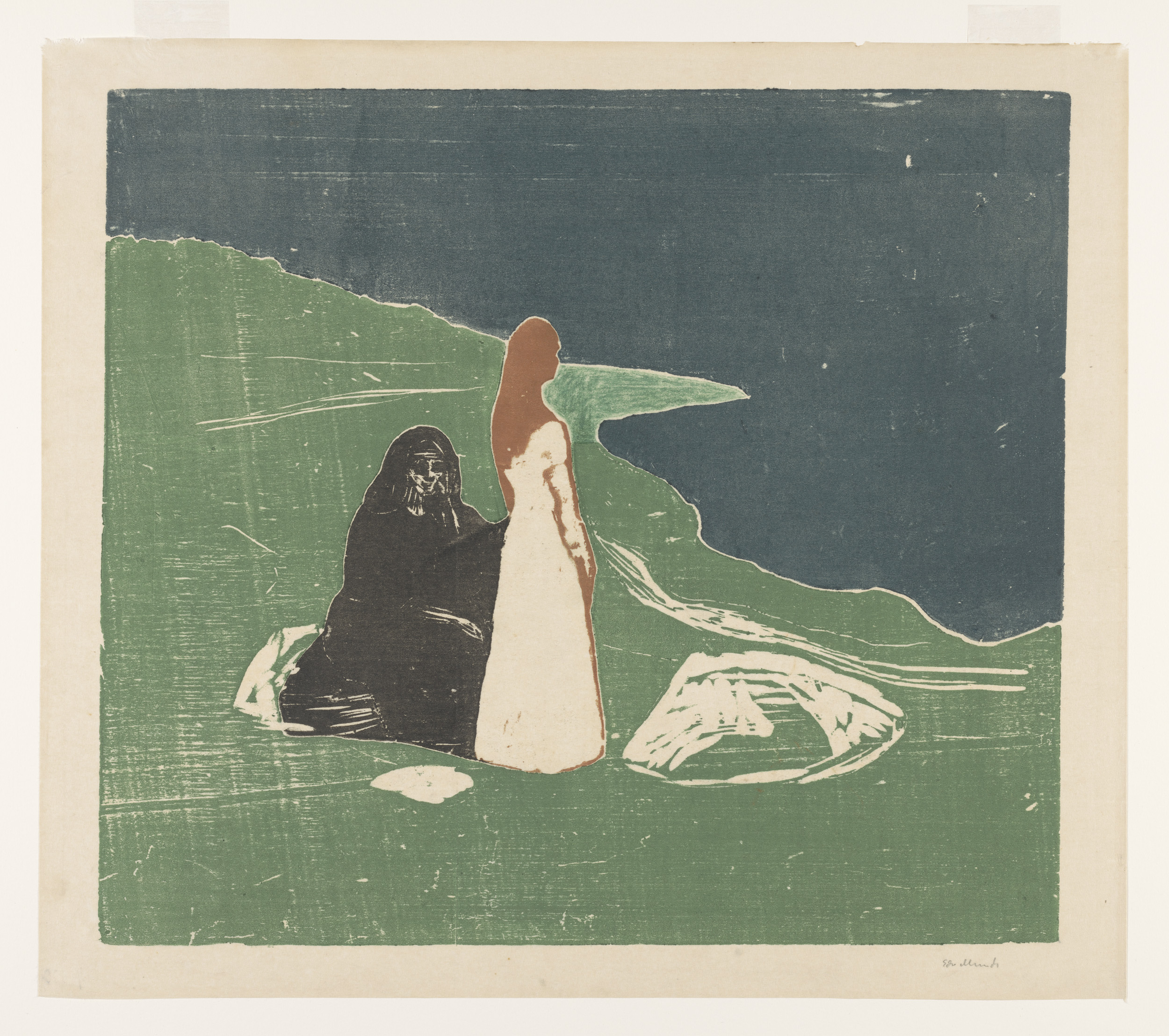
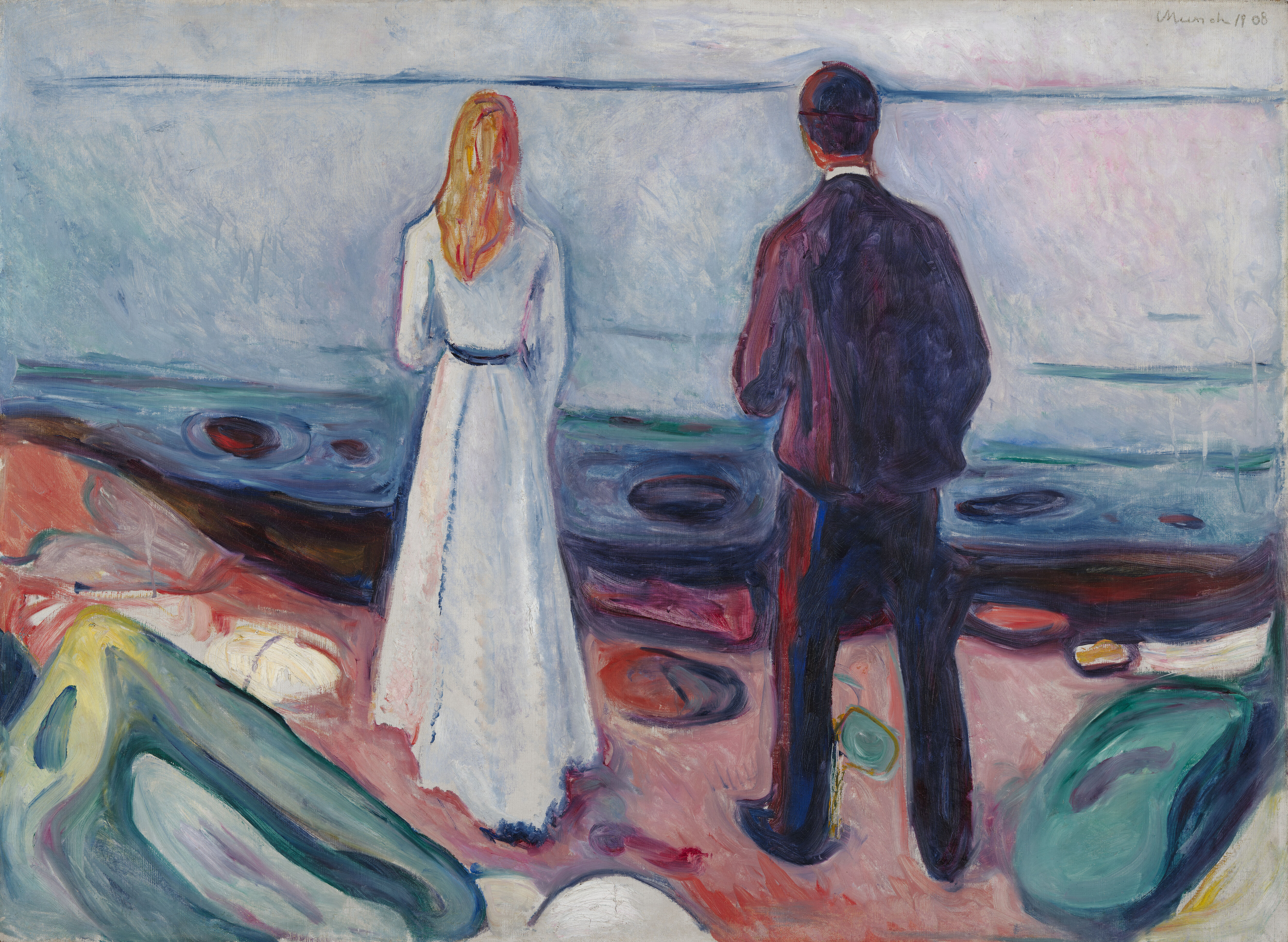
In The Drowning Child, Edvard Munch presents a haunting scene filled with dark colors. The painting features a child struggling in turbulent waters, surrounded by ominous waves. The sky is painted in deep blues and grays, enhancing the sense of despair.
The figures are distorted, reflecting the emotional turmoil of the moment. Munch employs oil on canvas to create this work, which is characterized by its expressive brushstrokes. The dimensions are approximately 100 x 80 cm, making it a significant piece in his oeuvre. The use of color and form emphasizes the emotional weight of the subject matter.
Viewers can observe the tension in the waves and the child's desperate expression. Edvard Munch was a key figure in the Expressionist movement, known for exploring themes of anxiety and existential dread. The Drowning Child reflects his personal experiences with loss and trauma. An interesting fact about this work is that it was inspired by Munch's own childhood memories of a near-drowning incident.
This painting serves as a powerful reminder of the fragility of life.