
The Duke of Alba at Saint Gudule's in Brussels — History & Facts
On a cold morning in 1568, the Duke of Alba, Philip II’s iron-fisted governor, entered the ancient church of Saint Gudule in Brussels, surrounded by a retinue of Spanish soldiers and wary Flemings. This was no ordinary act of worship: Alba’s presence marked the beginning of a reign of terror, as he sought to crush the Protestant Reformation in the Low Countries. When Jean Auguste Dominique Ingres painted The Duke of Alba at Saint Gudule's in Brussels in 1815, he chose to immortalize the moment that would echo through history as the start of the “Council of Blood,” a tribunal that condemned thousands.
The painting, created during the Bourbon Restoration, resonated with contemporary anxieties about power and repression. Ingres freezes the drama at the instant Alba steps into the nave, his armor glinting beneath the gothic vaults, eyes fixed ahead. The Duke’s rigid posture and clenched hand on his sword hilt speak of resolve and menace, while the uneasy congregation recoils or averts their gaze—a silent choreography of fear and resistance. Light streams from the high windows, isolating Alba in a pool of brilliance, casting the rest into uneasy shadow, a device reminiscent of Goya’s use of illumination in The Third of May 1808 to underscore the violence of authority.
Every detail—the chain of the Golden Fleece at Alba’s throat, the banners drooping from the pillars—serves as a coded reminder of Spanish dominance and the weight of fate about to descend. The precise circumstances of the painting’s commission remain unclear, though it is typical of Ingres’s early fascination with historical narrative and psychological tension. Created in Rome during his formative years, The Duke of Alba at Saint Gudule's in Brussels was exhibited at the Paris Salon of 1815, where it drew attention for its severe linearity and icy detachment, hallmarks of the nascent Neoclassical movement. Over the years, the painting passed through several private French collections before entering the public domain; today, it hangs in a major European museum, a testament to Ingres’s lifelong engagement with history’s dark chapters.
Though overshadowed by his later portraits, this work remains a vivid early example of his ability to animate the past with chilling clarity.
More Artworks by Jean Auguste Dominique Ingres
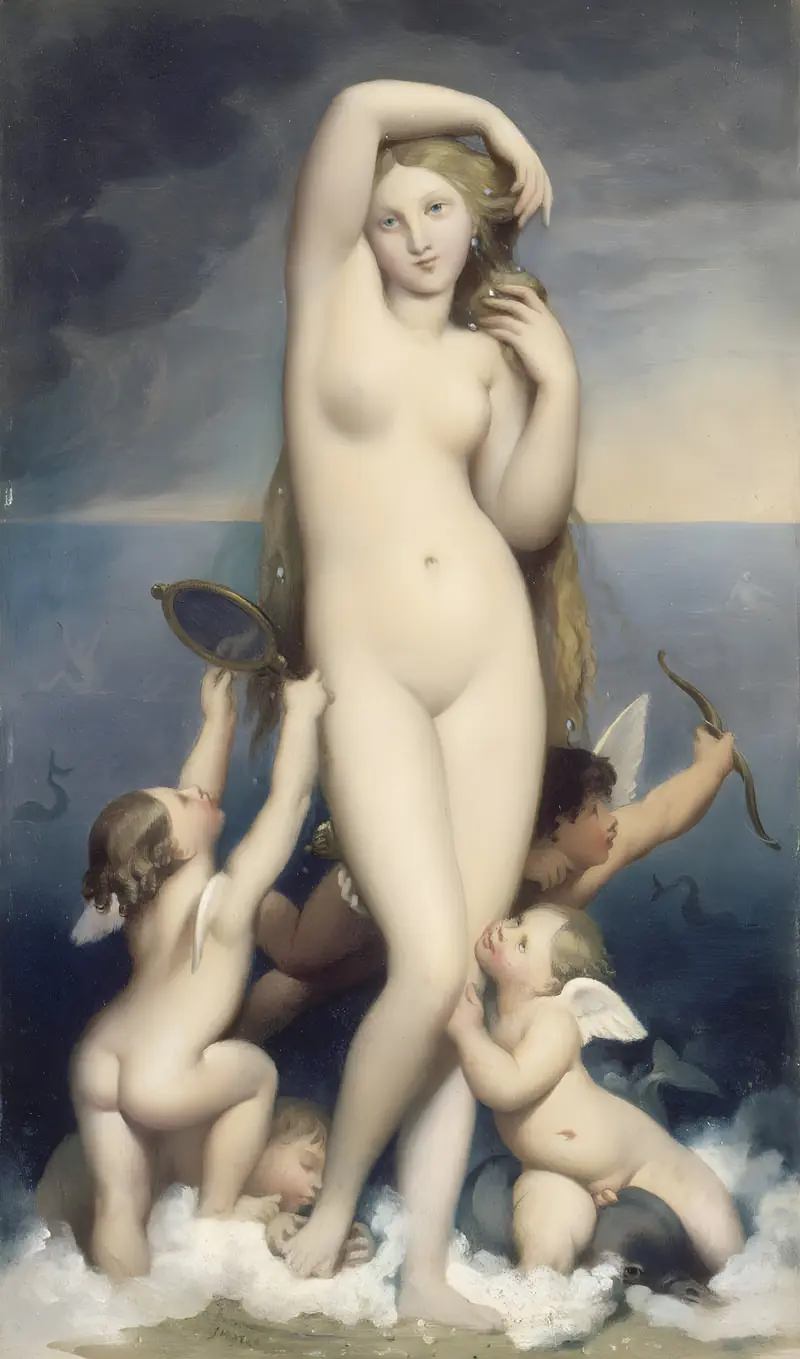
Vénus anadyomène
Jean Auguste Dominique Ingres
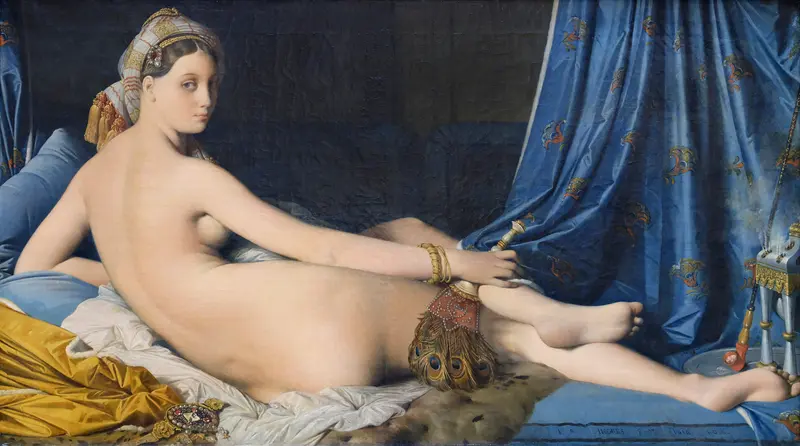
Grande Odalisque
Jean Auguste Dominique Ingres
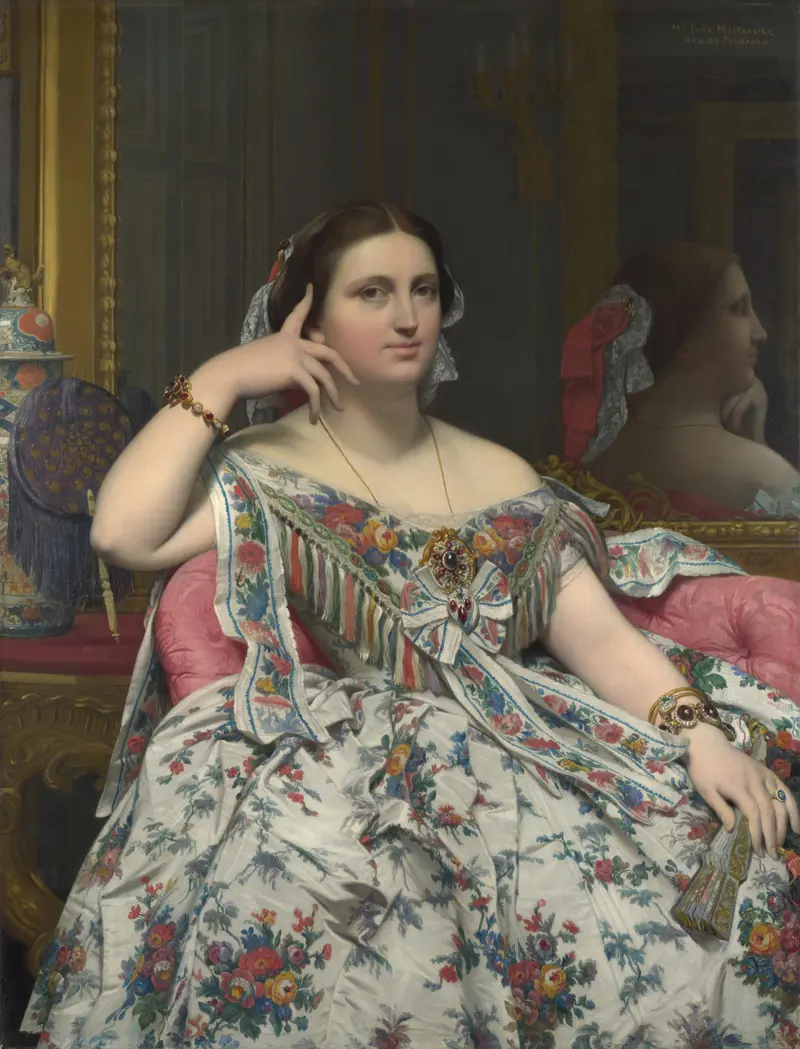
Madame Moitessier (seated)
Jean Auguste Dominique Ingres
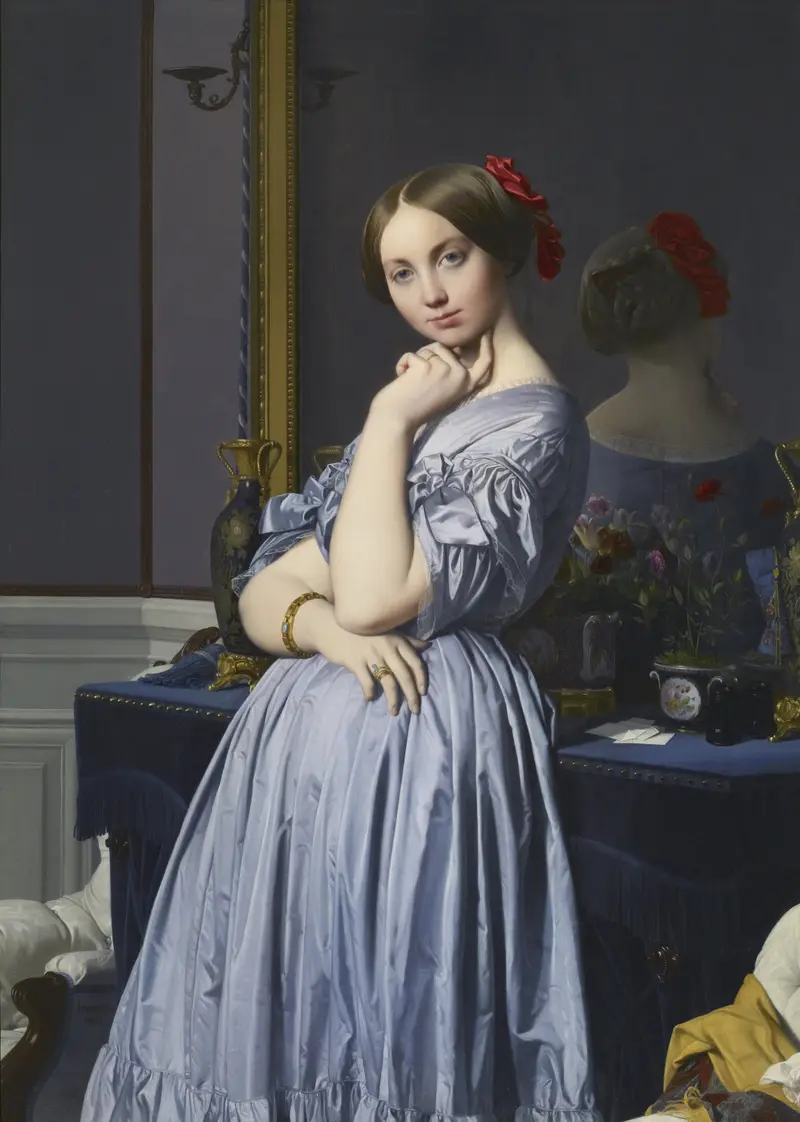
Portrait of Comtesse d’Haussonville
Jean Auguste Dominique Ingres
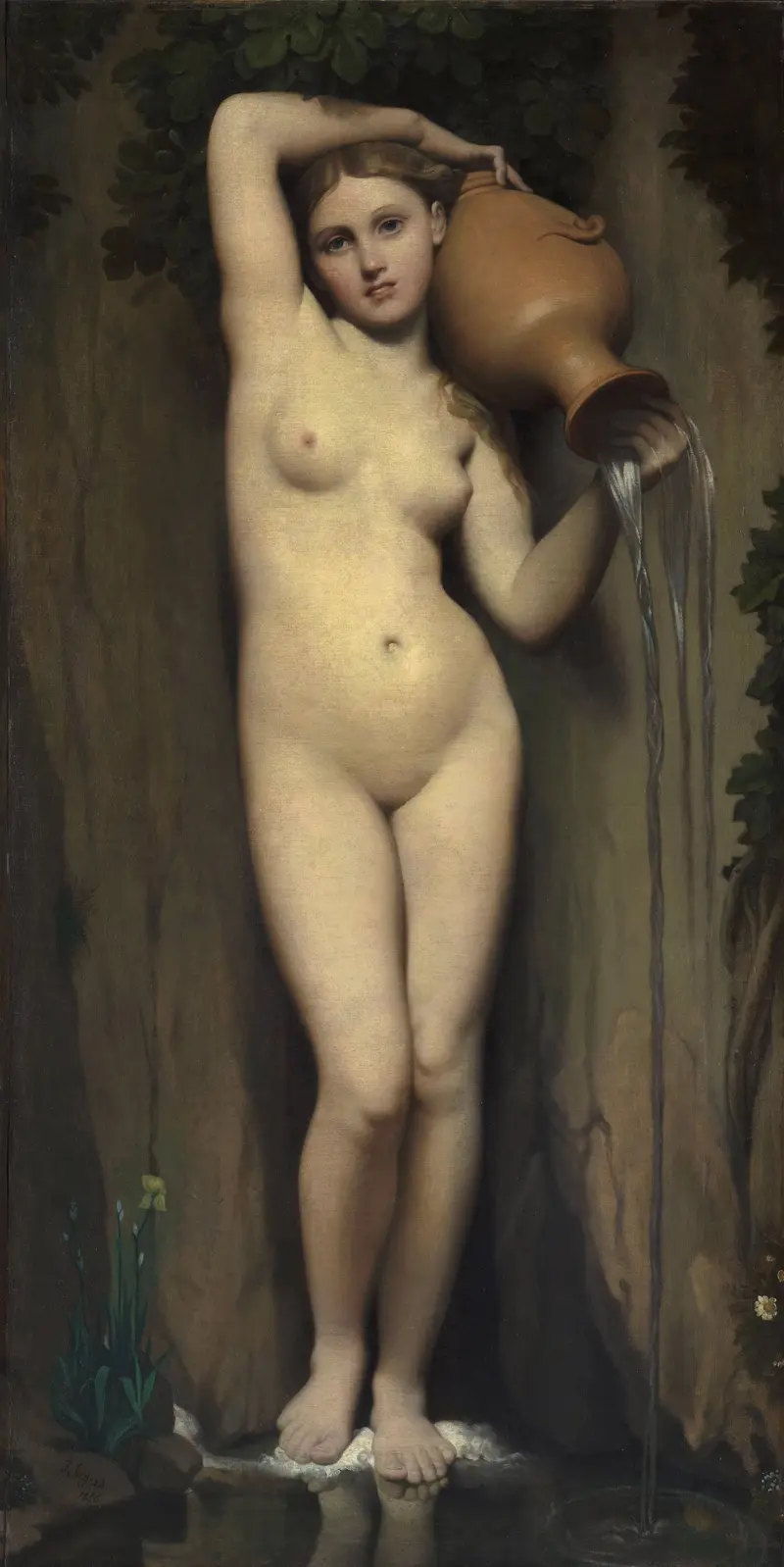
The Source
Jean Auguste Dominique Ingres
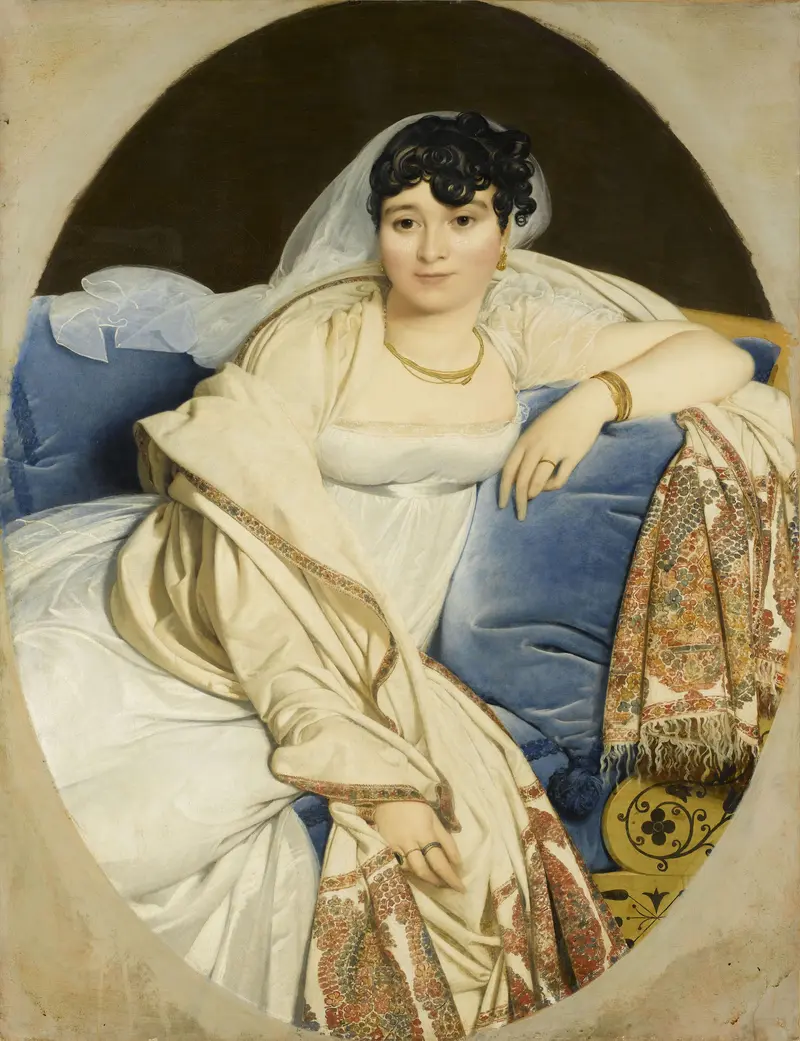
Madame Rivière
Jean Auguste Dominique Ingres

Madame Jean-Auguste-Dominique Ingres, née Madeleine Chapelle
Jean Auguste Dominique Ingres

Portrait of a Lady
Jean Auguste Dominique Ingres
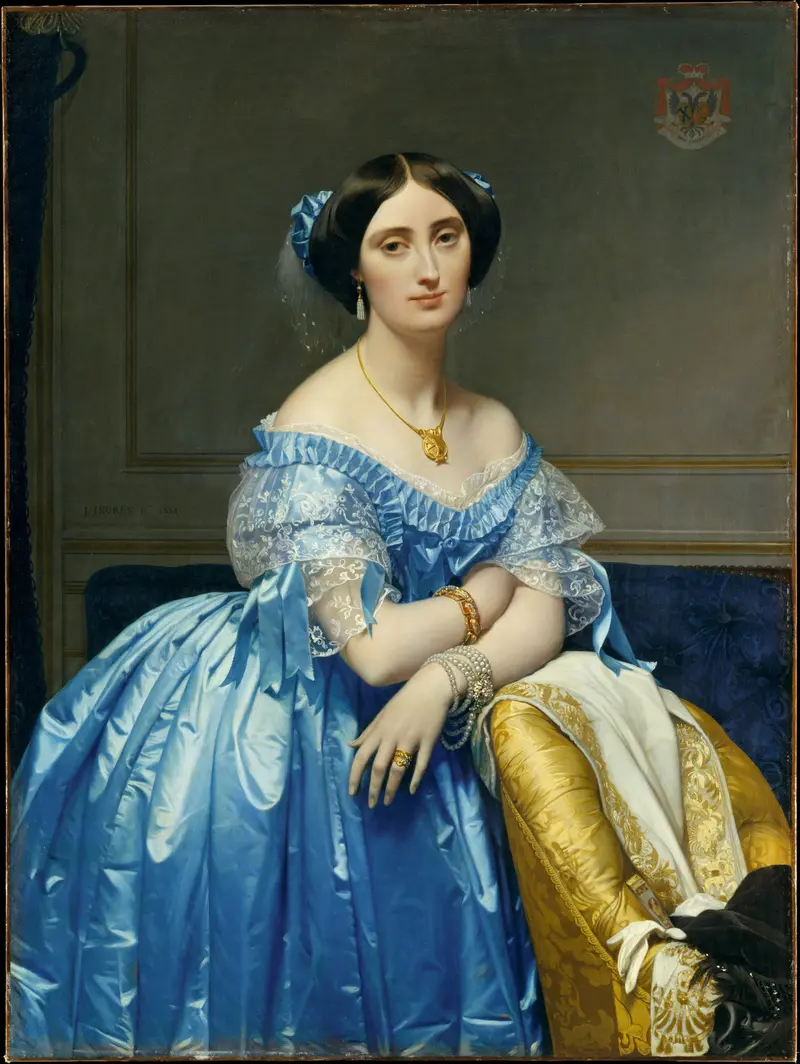
Joséphine-Éléonore-Marie-Pauline de Galard de Brassac de Béarn (1825–1860), Princesse de Broglie
Jean Auguste Dominique Ingres
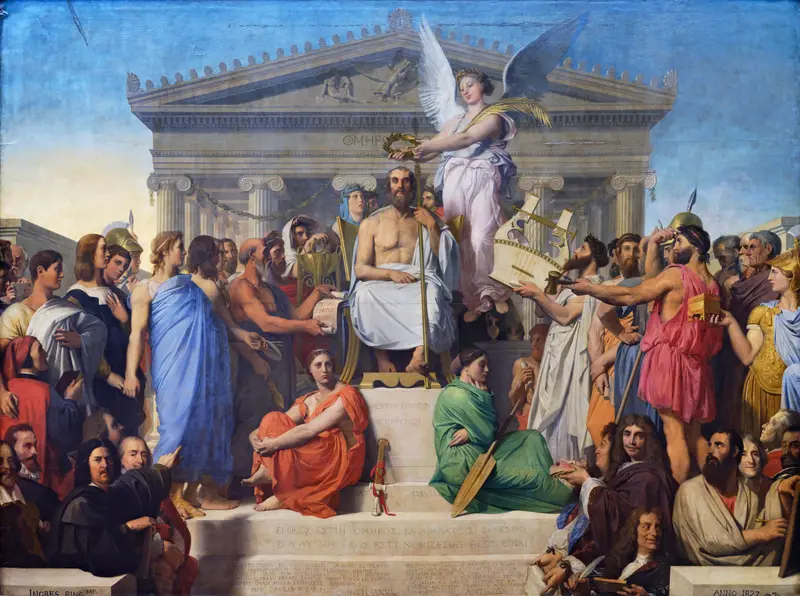
The Apotheosis of Homer
Jean Auguste Dominique Ingres





