
The Dyer — History & Facts
In the quiet intimacy of creation, one might glimpse divinity itself within the strokes of a brush. Look closely at the figure of the dyer, standing resolutely at the center of The Dyer. The muted palette envelops the scene in soft blues and warm earthy tones, drawing your eye first to the delicate interplay of light and shadow. Notice how the subtle highlights on the dyer’s hands and the fabrics they tend illuminate the labor that transforms raw materials into vibrant hues.
The composition invites you to linger, to appreciate not just the act of dyeing, but the quiet dignity of the artisan’s work. Beneath the surface, there lies a tension between the mundane and the sublime. The dyer's focused expression reflects the devotion to craftsmanship, evoking a sense of reverence for the simple act of creation. The surrounding shadows hint at the unnoticed struggles of laborers, raising questions about the value placed on such artistry in a rapidly industrializing world.
This painting becomes a meditation on the sacredness of labor, where each dye and hue holds the potential for transformation. In the late 1870s, Whistler was immersed in the exploration of color and form, living in London and engaged with the Aesthetic Movement, which emphasized beauty over narrative. During this period, he was grappling with his own artistic identity while challenging the conventions of the time, striving for a deeper expression of emotion through his work. The Dyer stands as a testament to Whistler's commitment to capturing the essence of humanity amidst the backdrop of a changing society.
More Artworks by James Abbott McNeill Whistler
Browse all →
Nocturne in Blue and Silver
James Abbott McNeill Whistler
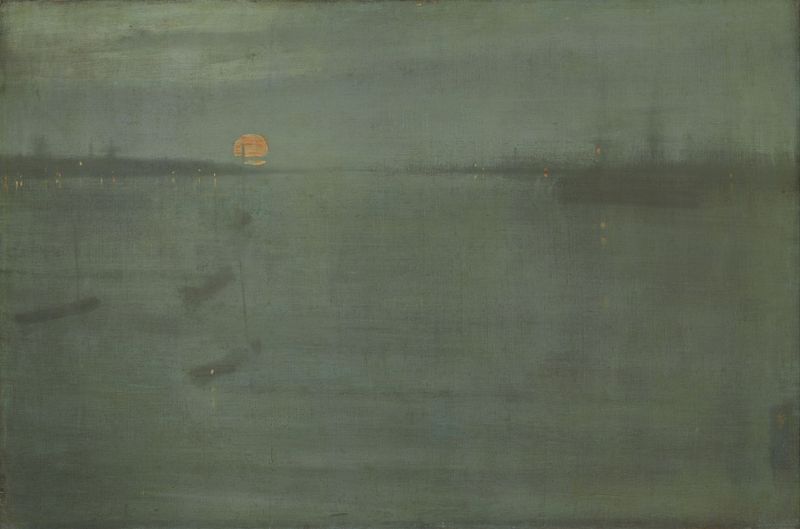
Nocturne: Blue and Gold–Southampton Water
James Abbott McNeill Whistler
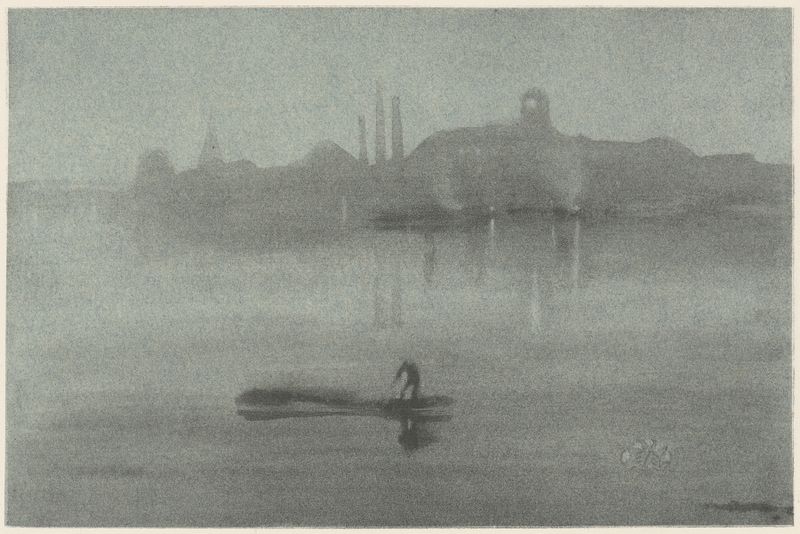
Nocturne
James Abbott McNeill Whistler
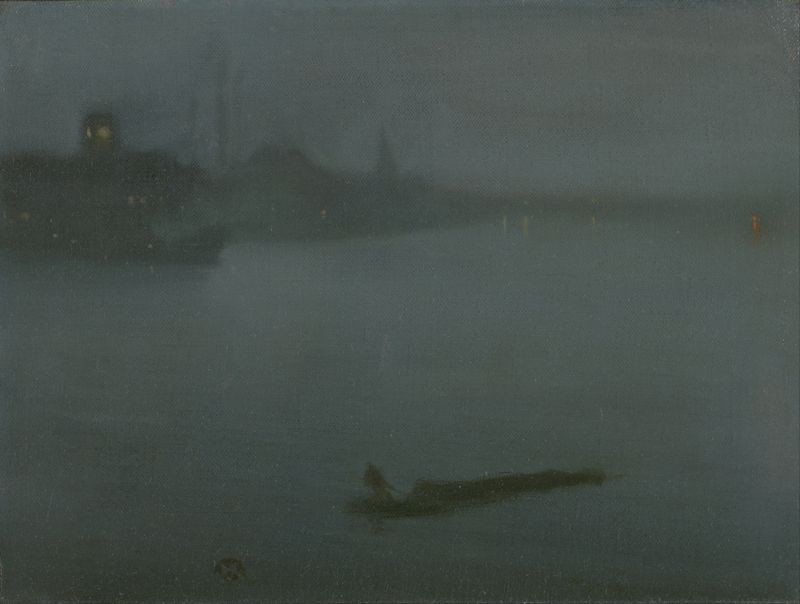
Nocturne in Blue and Silver
James Abbott McNeill Whistler
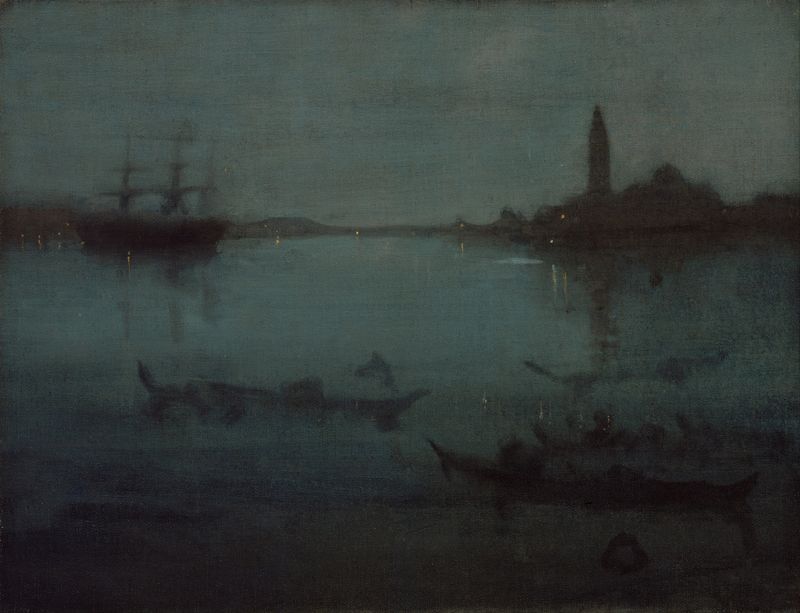
Nocturne in Blue and Silver- The Lagoon, Venice
James Abbott McNeill Whistler
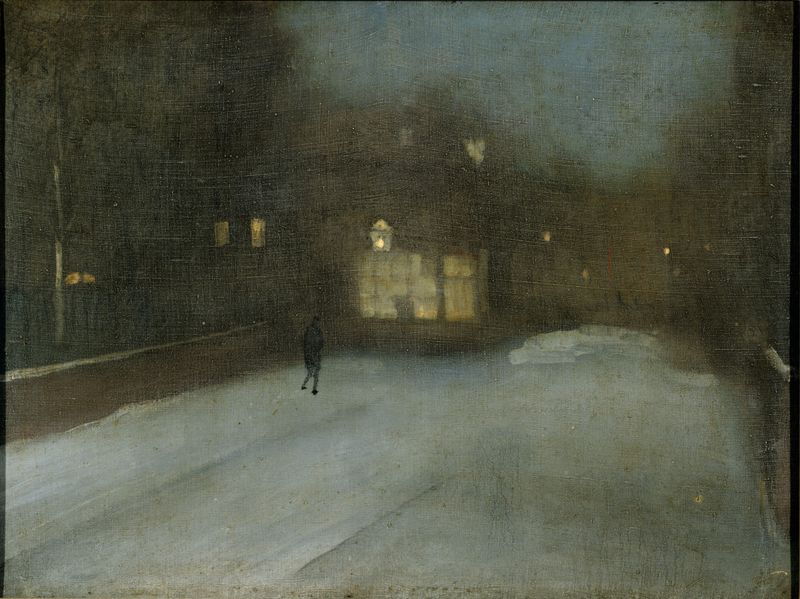
Nocturne in Grey and Gold: Chelsea Snow
James Abbott McNeill Whistler
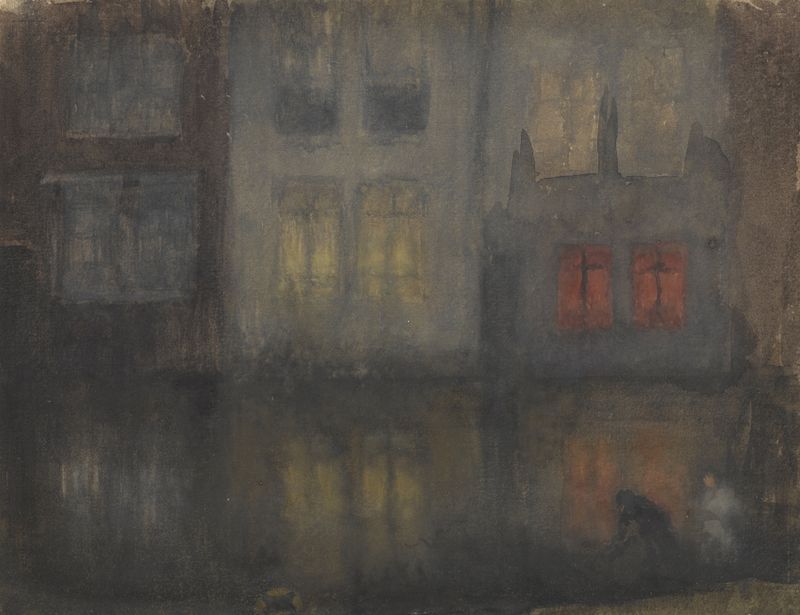
Nocturne: Black and Red—Back Canal, Holland
James Abbott McNeill Whistler
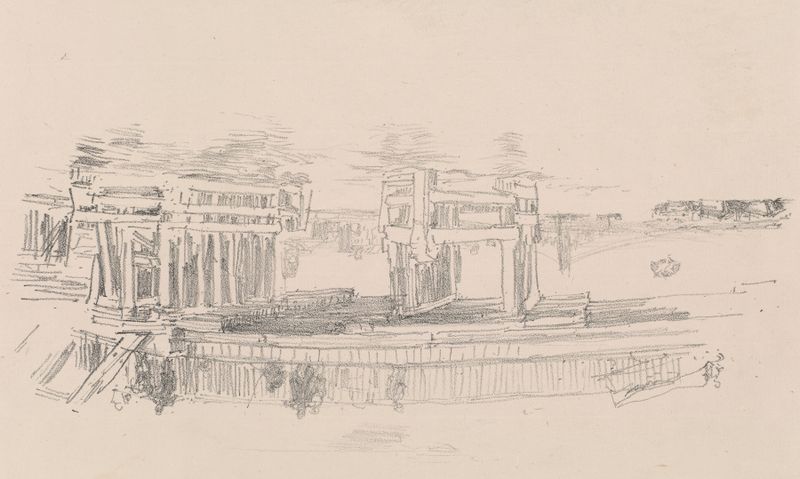
Old Battersea Bridge
James Abbott McNeill Whistler

Nocturne: Blue and Silver–Battersea Reach
James Abbott McNeill Whistler
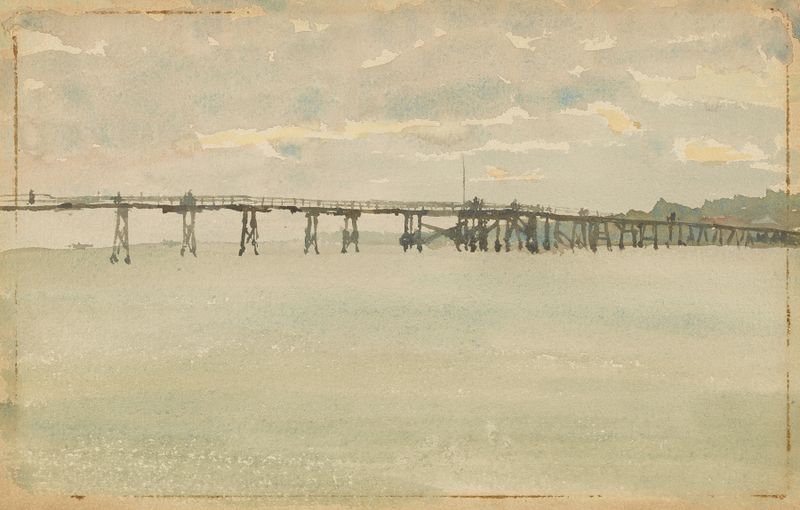
Grey and Silver–Pier, Southend
James Abbott McNeill Whistler





