
The Earl of Tyrconnell — History & Facts
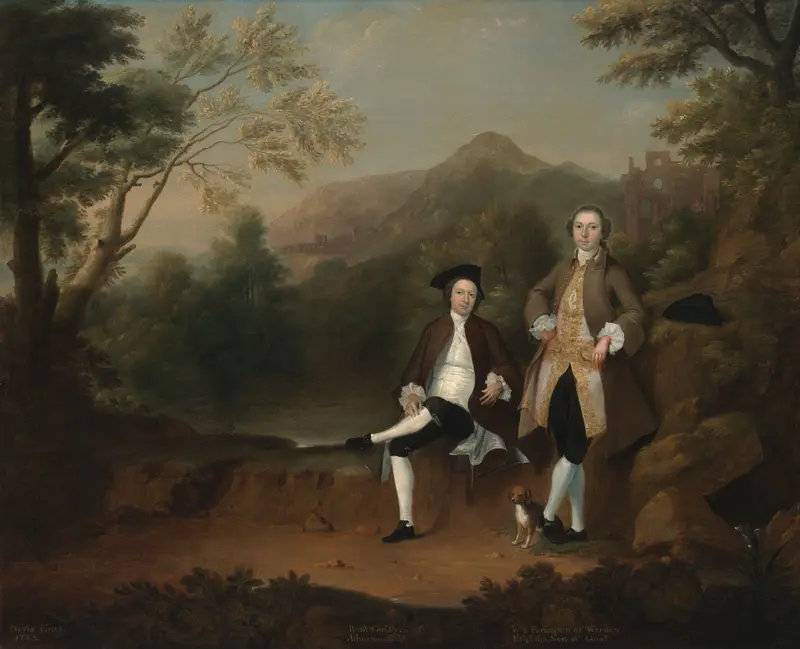
What first catches the eye in The Earl of Tyrconnell is the sitter’s air of practiced nonchalance—a young man balanced between elegance and ease, his weight shifted onto one leg, his hand resting with calculated grace on a chair. The pale daylight that filters through the tall windows behind him casts a gentle glow on his gold-embroidered waistcoat, drawing attention to the richness of his attire without overwhelming the quiet formality of the scene. Every detail, from the crisp white stockings to the carefully placed tricorn hat, signals a world where appearances are declarations of status, and every gesture is a performance. Painted in 1745 by Arthur Devis, this work belongs to a period when British portraiture was undergoing a transformation.
The mid-eighteenth century saw a rising demand among the gentry for portraits that presented not just a likeness, but a vision of cultivated refinement. Devis was known for his ability to stage his sitters within genteel interiors, often with subtle architectural backdrops that spoke to their aspirations. History has kept few traces of the Earl himself, but the painting survives as a testament to the era’s careful choreography of self-image—inviting us to linger over the quiet confidence in the sitter’s pose, and to imagine the world of polished surfaces and unspoken codes that shaped it.
More Artworks by Arthur Devis
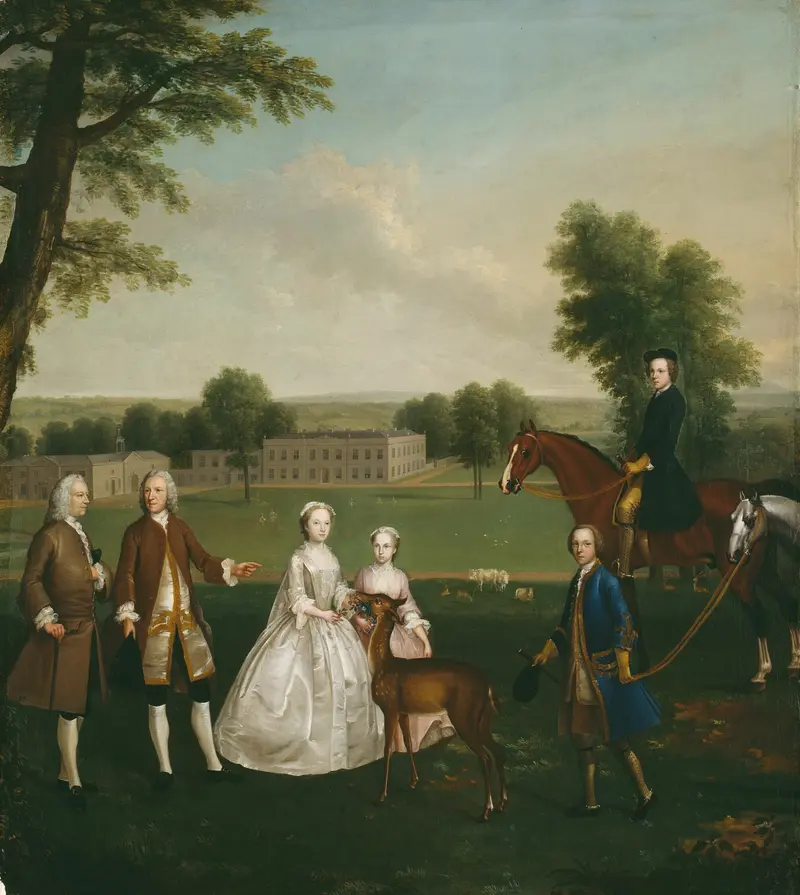
Thomas Lister and Family at Gisburne Park
Arthur Devis

Sir John Shaw and his Family in the Park at Eltham Lodge, Kent
Arthur Devis
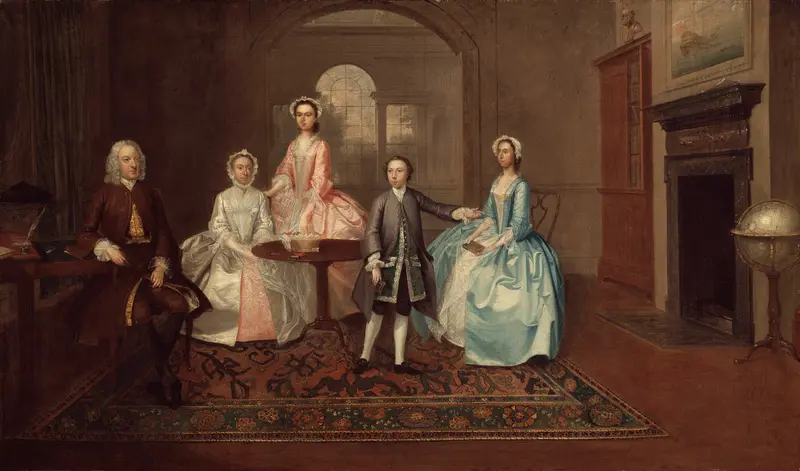
John Thomlinson and His Family
Arthur Devis
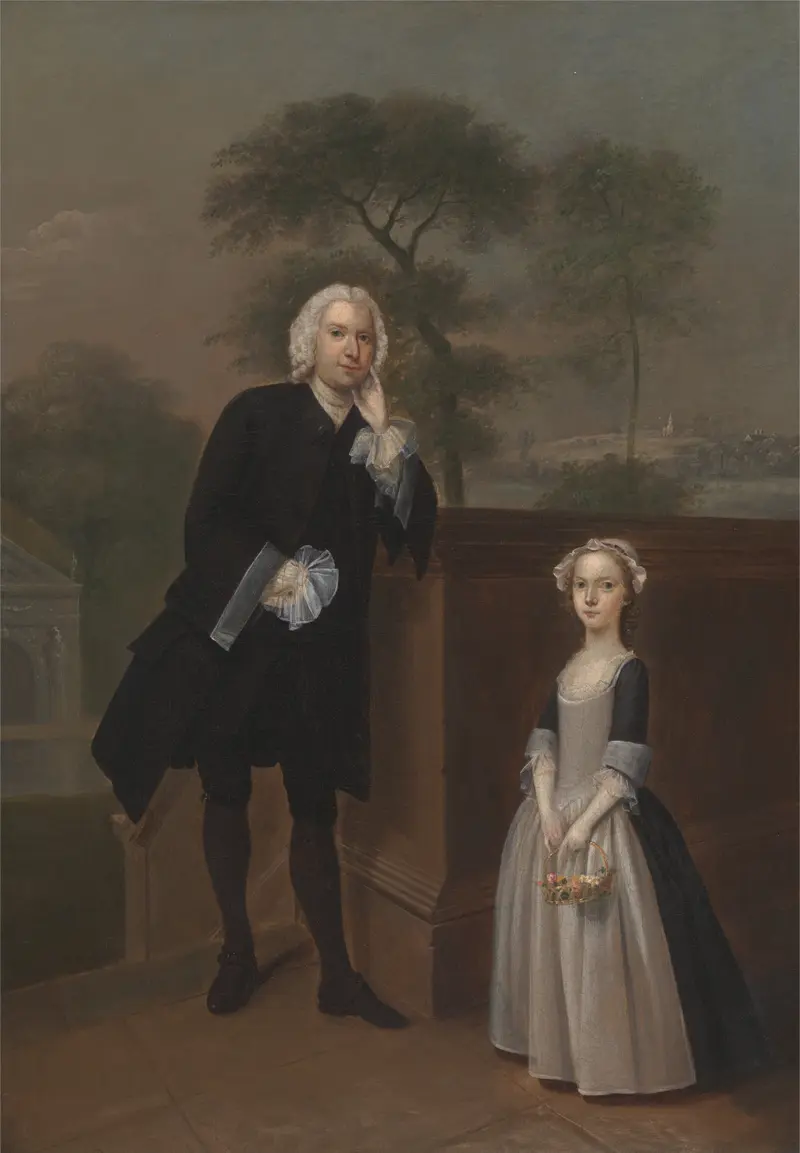
An Unknown Man with His Daughter
Arthur Devis
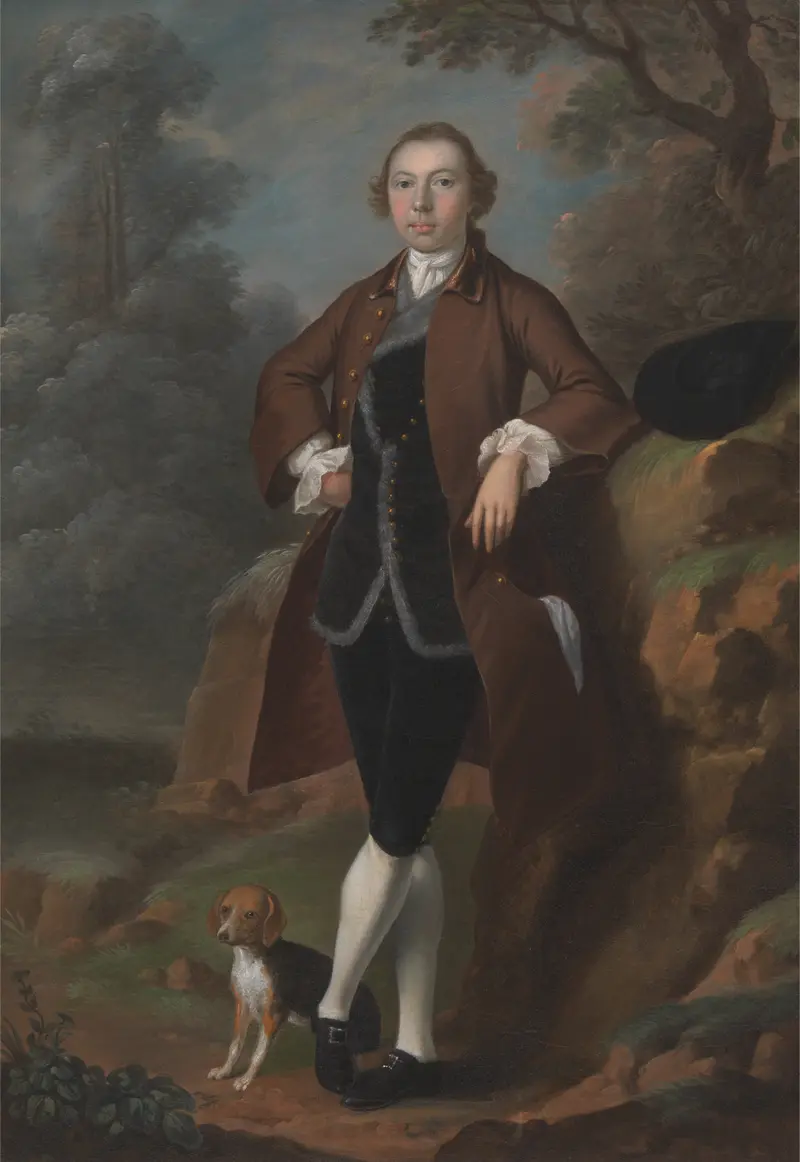
William Farington of Shawe Hall, Lancashire
Arthur Devis
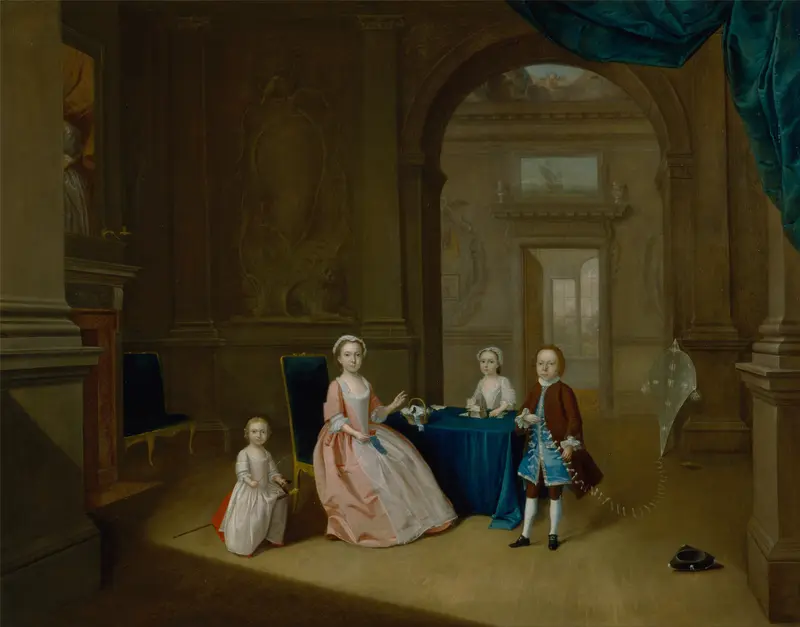
Children in an Interior
Arthur Devis
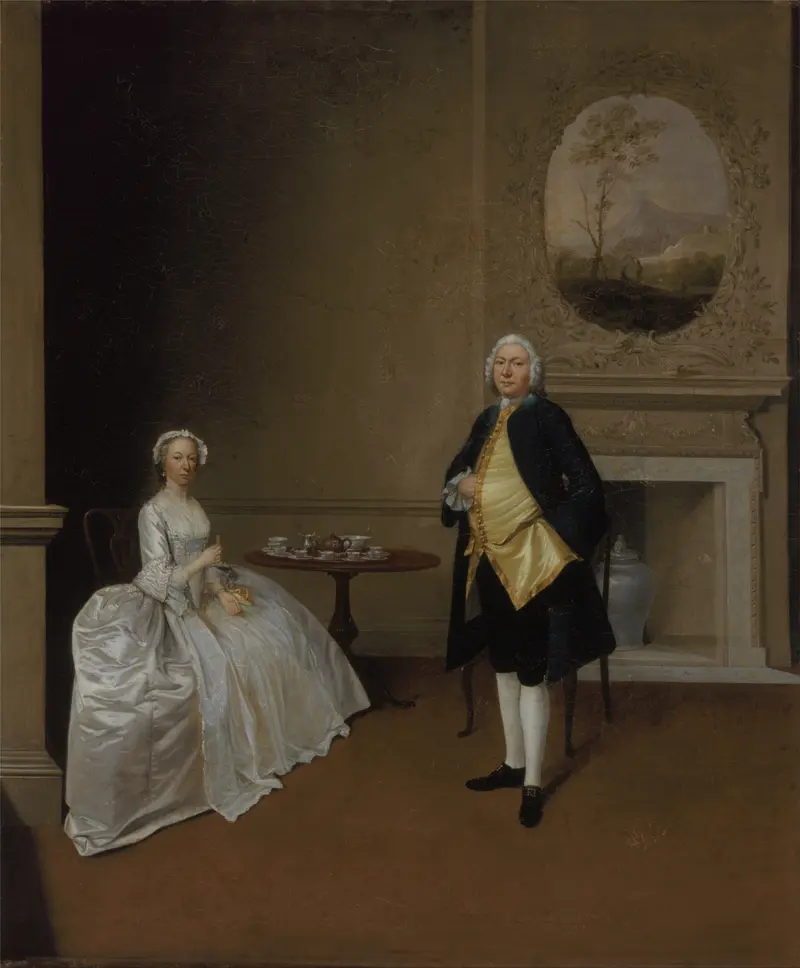
A Couple, Traditionally Identified as Mr. and Mrs. Hill
Arthur Devis
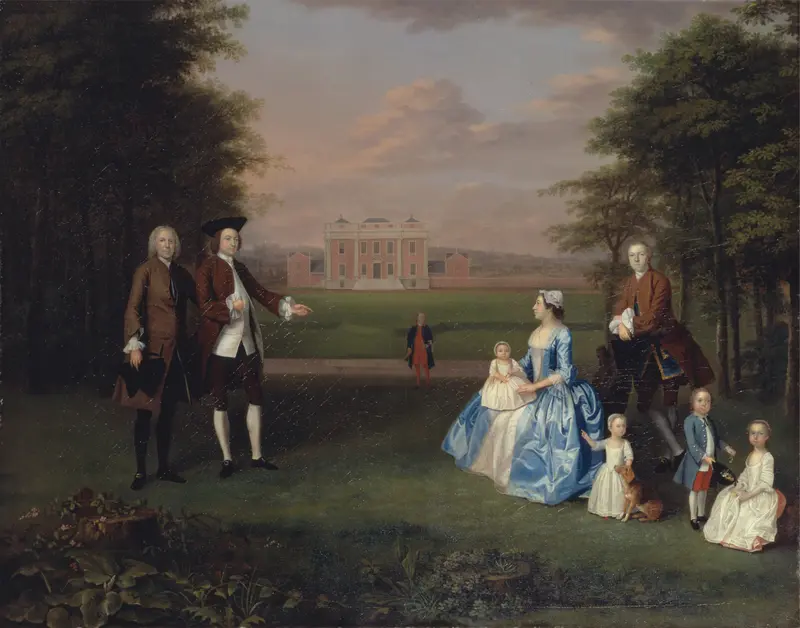
Robert Gwillym, Elizabeth Gwillym (née Atherton), and Their Family
Arthur Devis
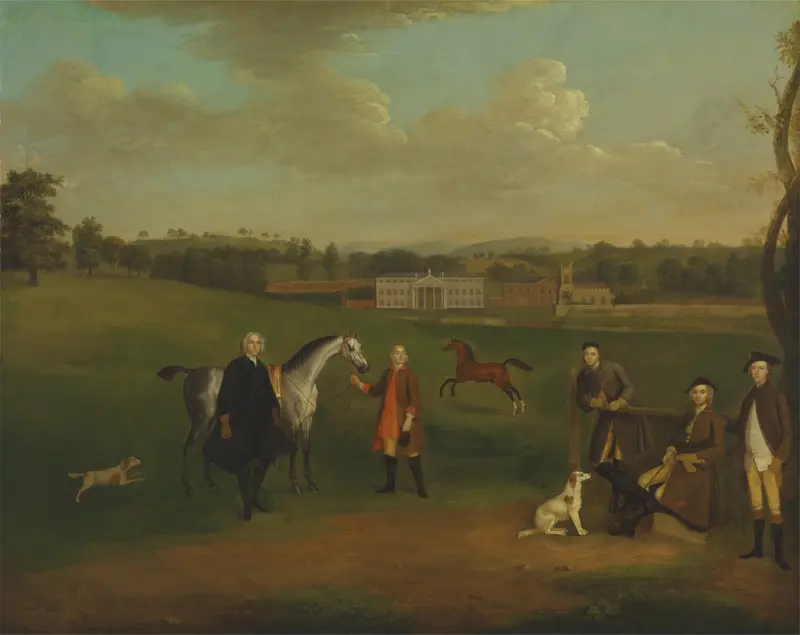
Leak Okeover, Rev. John Allen and Captain Chester at Okeover Hall, Staffordshire
Arthur Devis
Robert Gwillym of Atherton and William Farington of Werden
Arthur Devis





