
Discover insights about this artwork
The Edge of the Pool (Au Bord de lEtang) — History & Facts
In The Edge of the Pool (Au Bord de lEtang), Gustave Courbet presents a tranquil landscape. The painting features lush greenery surrounding a still body of water. Soft blues and greens dominate the palette, creating a serene atmosphere.
A solitary figure can be seen near the water's edge, adding a sense of scale and human connection to nature. The painting is executed in oil on canvas, a medium that allows for rich texture and depth. Courbet's brushwork is visible, with loose strokes that convey the natural forms of the landscape. The composition is balanced, drawing the viewer's eye toward the horizon.
The dimensions of the work are approximately 60 x 80 cm, making it a medium-sized piece. Gustave Courbet was a leading figure in the Realism movement, focusing on depicting everyday life and nature. This painting, created in the 1860s, reflects his dedication to capturing the beauty of the natural world. An interesting fact about this work is that it exemplifies Courbet's belief in painting from direct observation, rather than relying on historical or mythological themes.
More Artworks by Gustave Courbet
Origin of the World
Gustave Courbet
Marine
Gustave Courbet
Waves
Gustave Courbet
Étretat; Les Falaises
Gustave Courbet
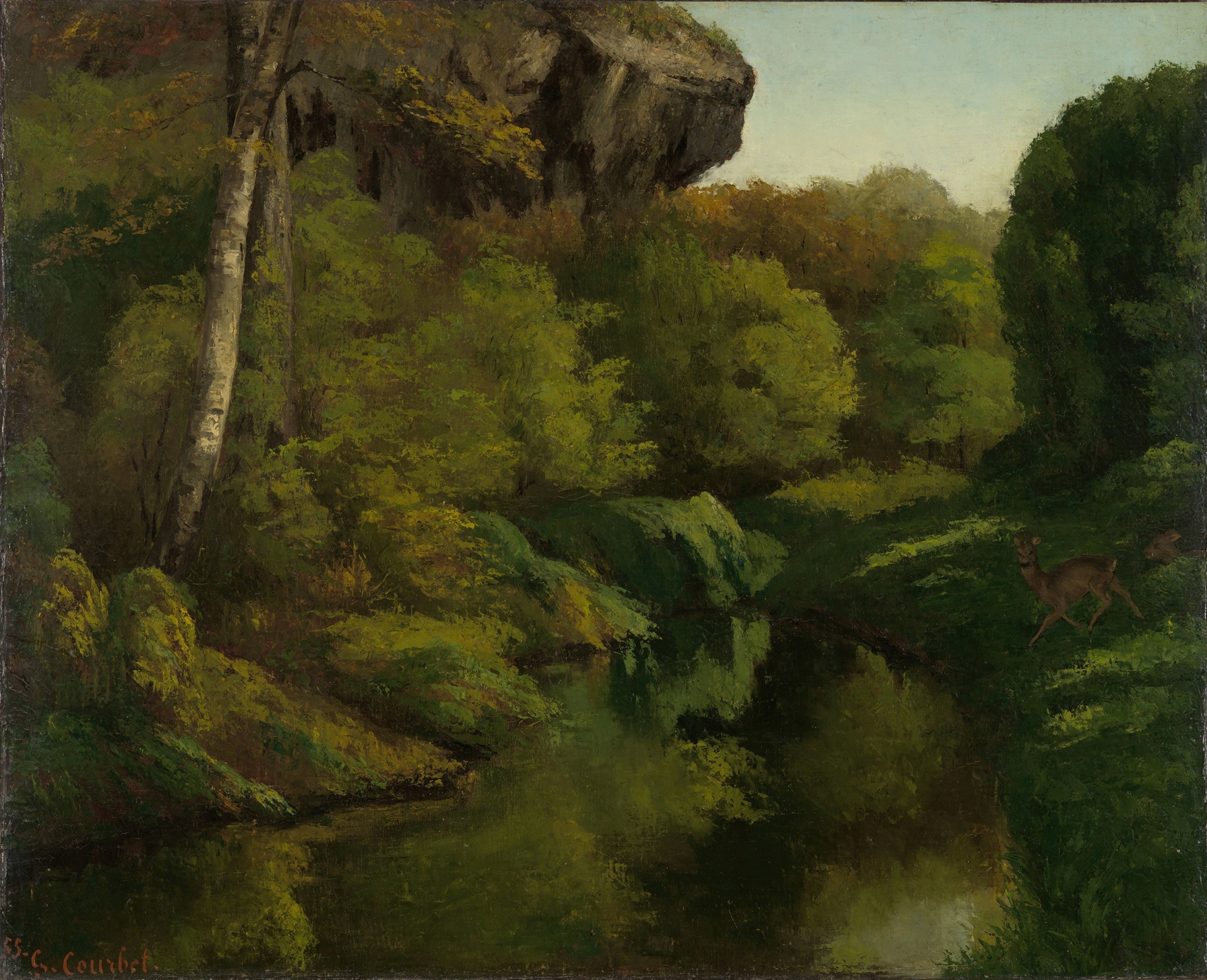
View in the Forest of Fontainebleau
Gustave Courbet
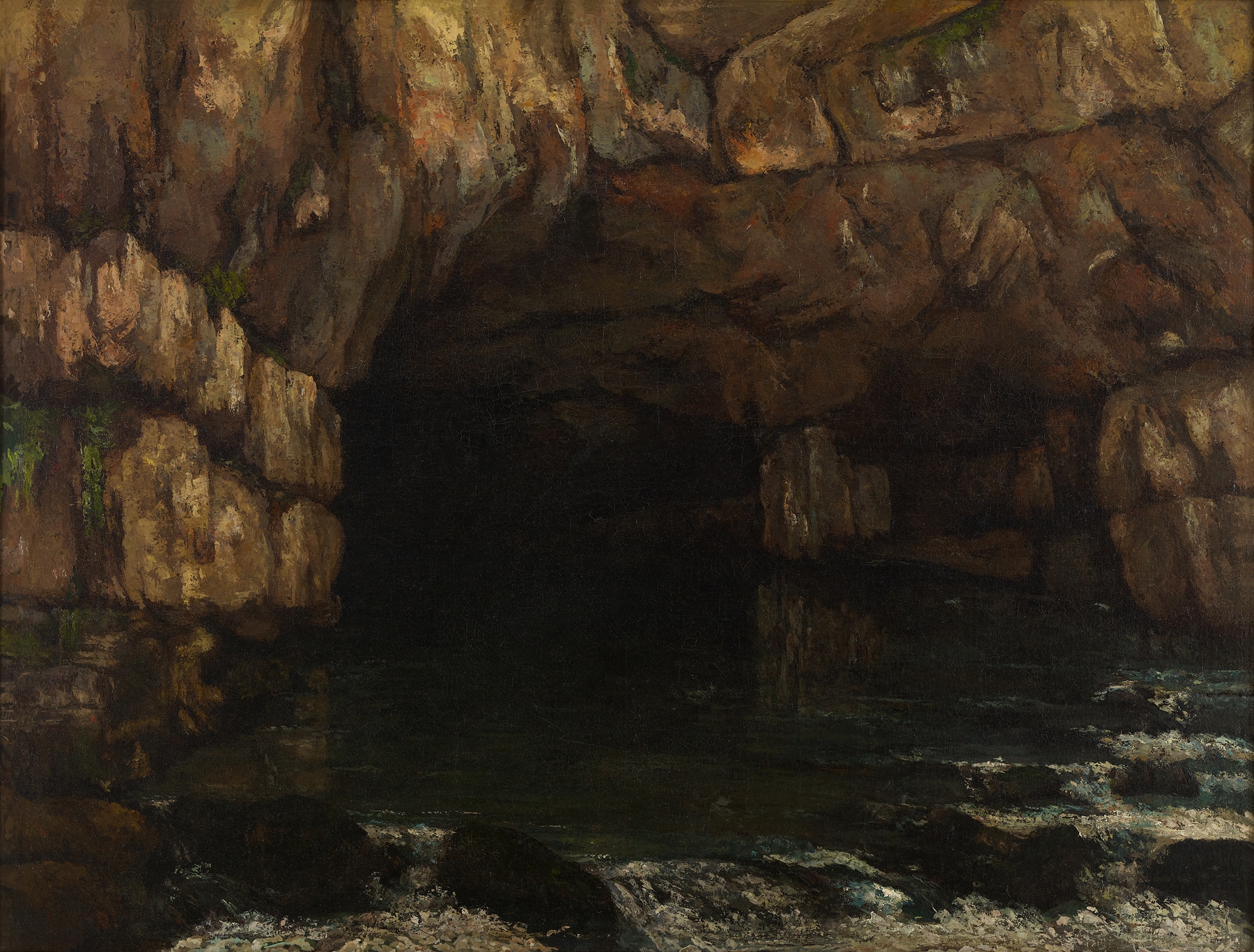
La source de la Loue (The Source of the Loue)
Gustave Courbet
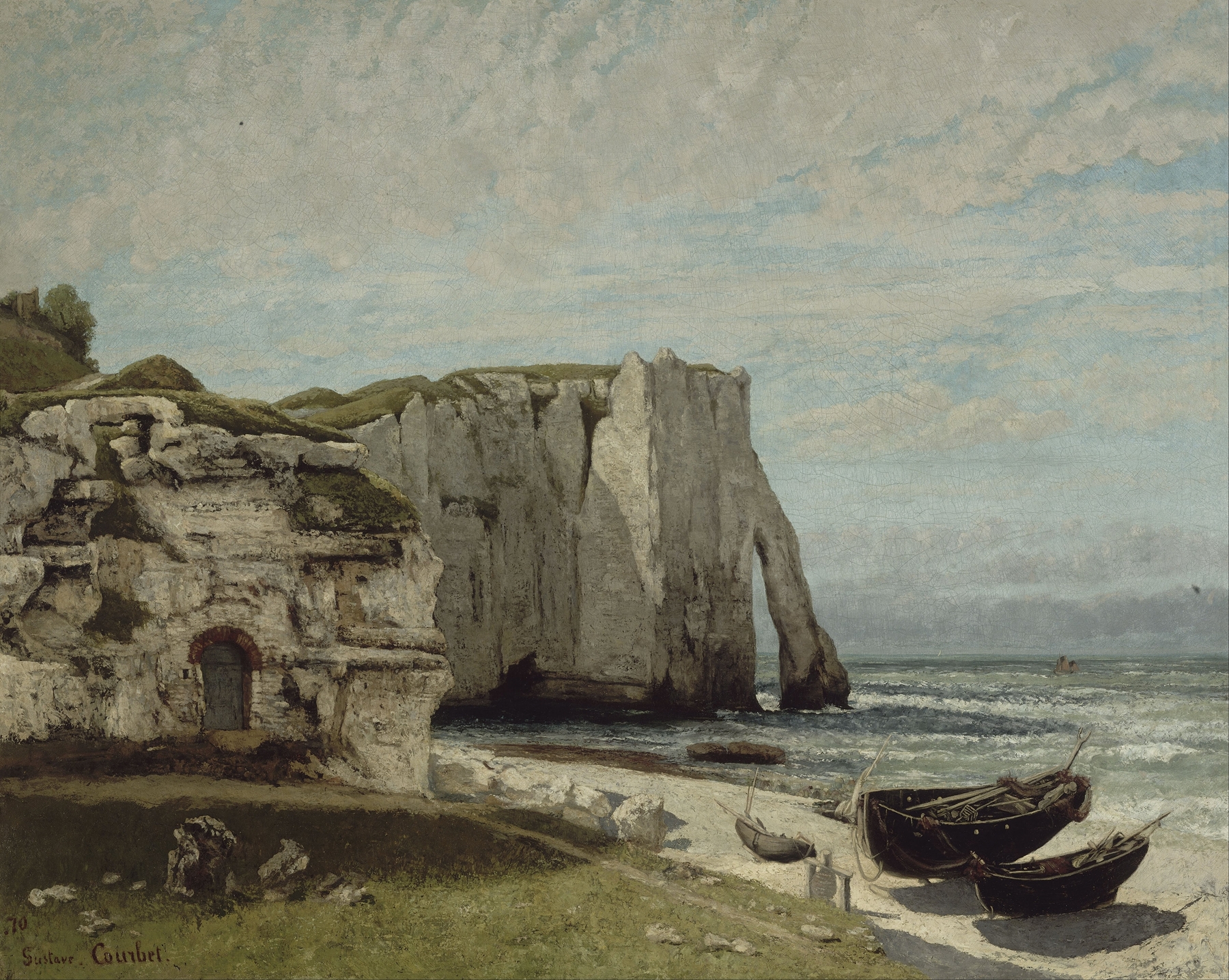
The Etretat Cliffs after the Storm
Gustave Courbet
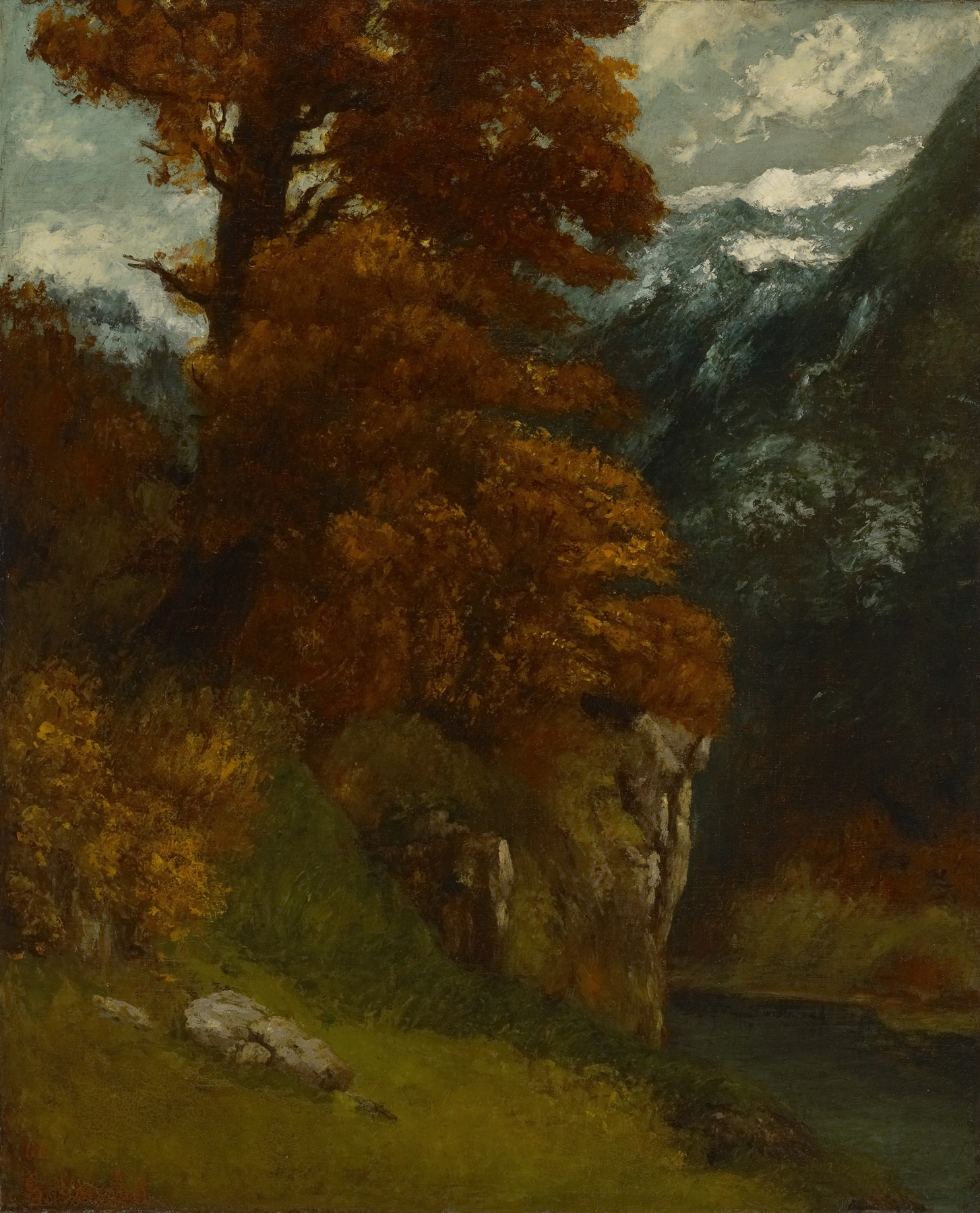
The Glen at Ornans (Bords du Doubs; Effet d’Automne)
Gustave Courbet
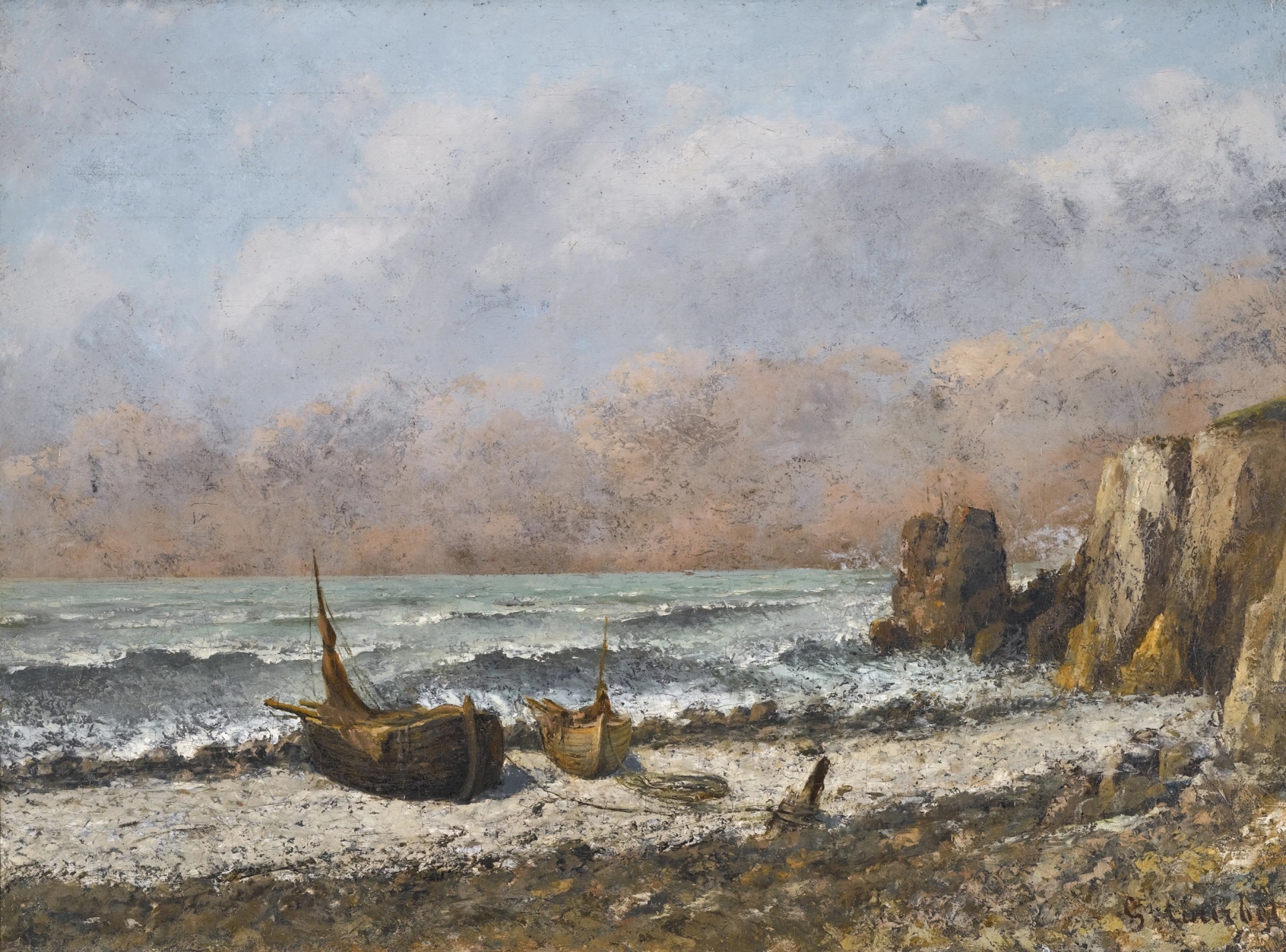
Deux bateaux sur la plage
Gustave Courbet
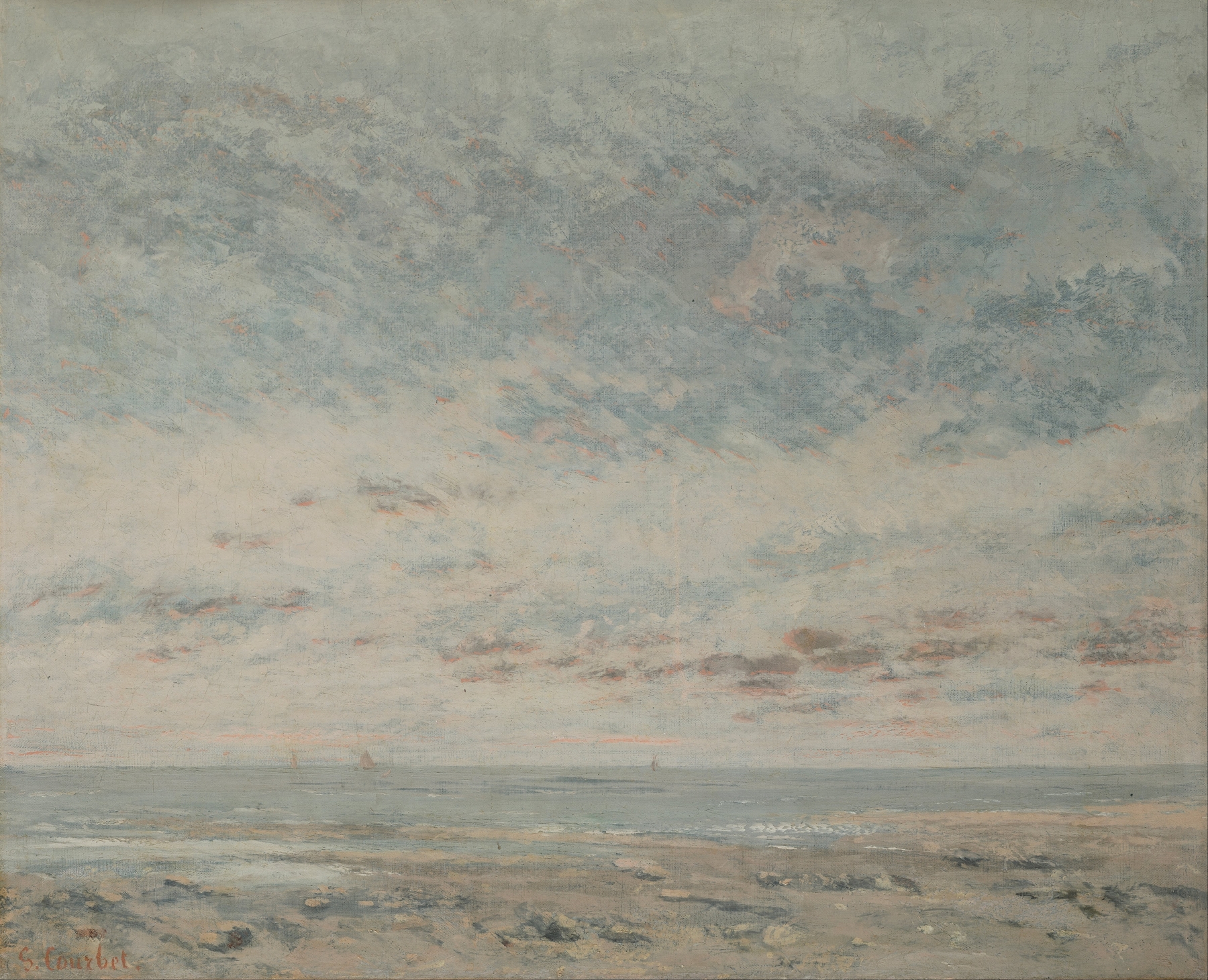
Low Tide at Trouville
Gustave Courbet
More Landscape Art
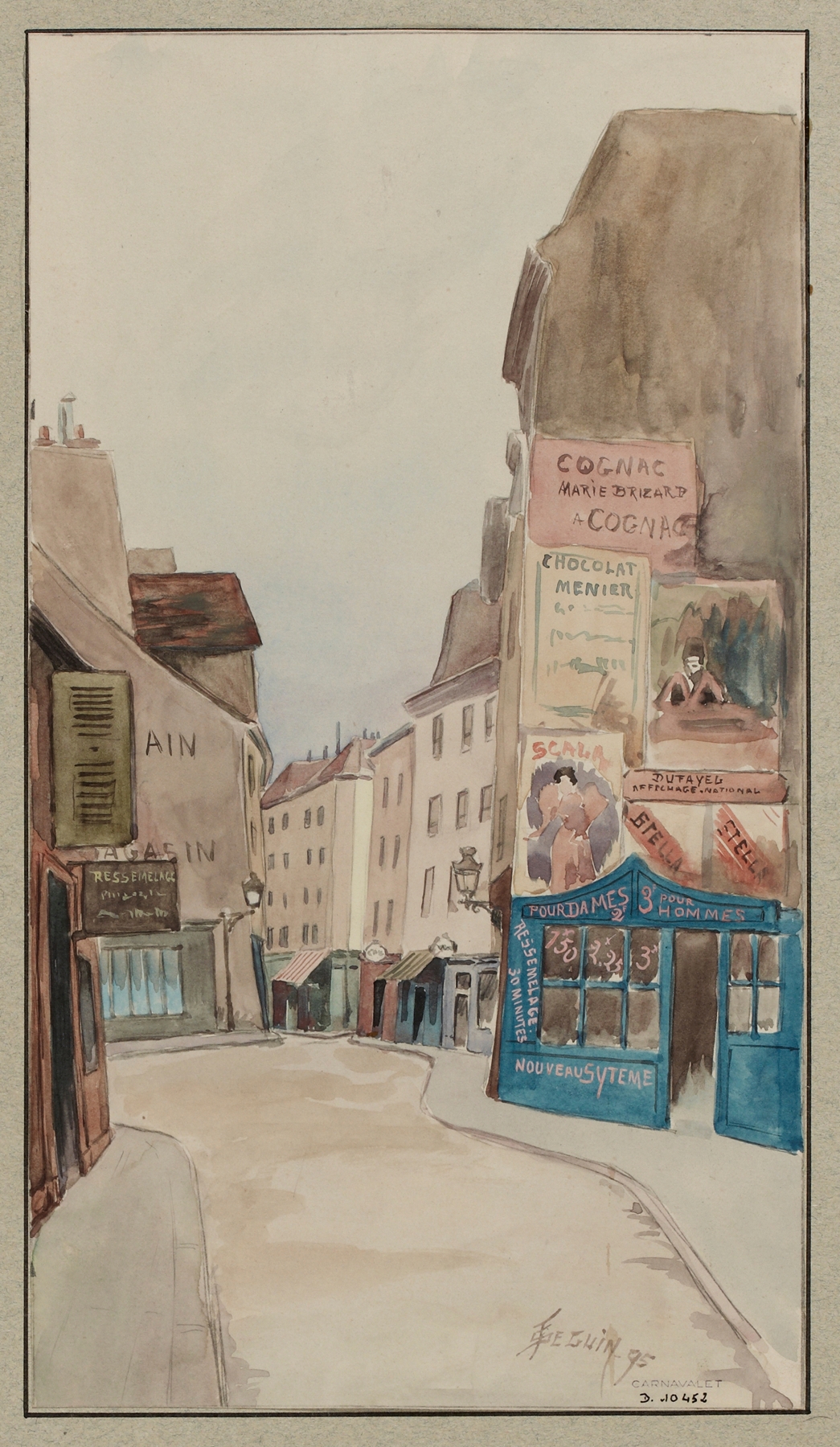
Rue Descartes
F. Séguin
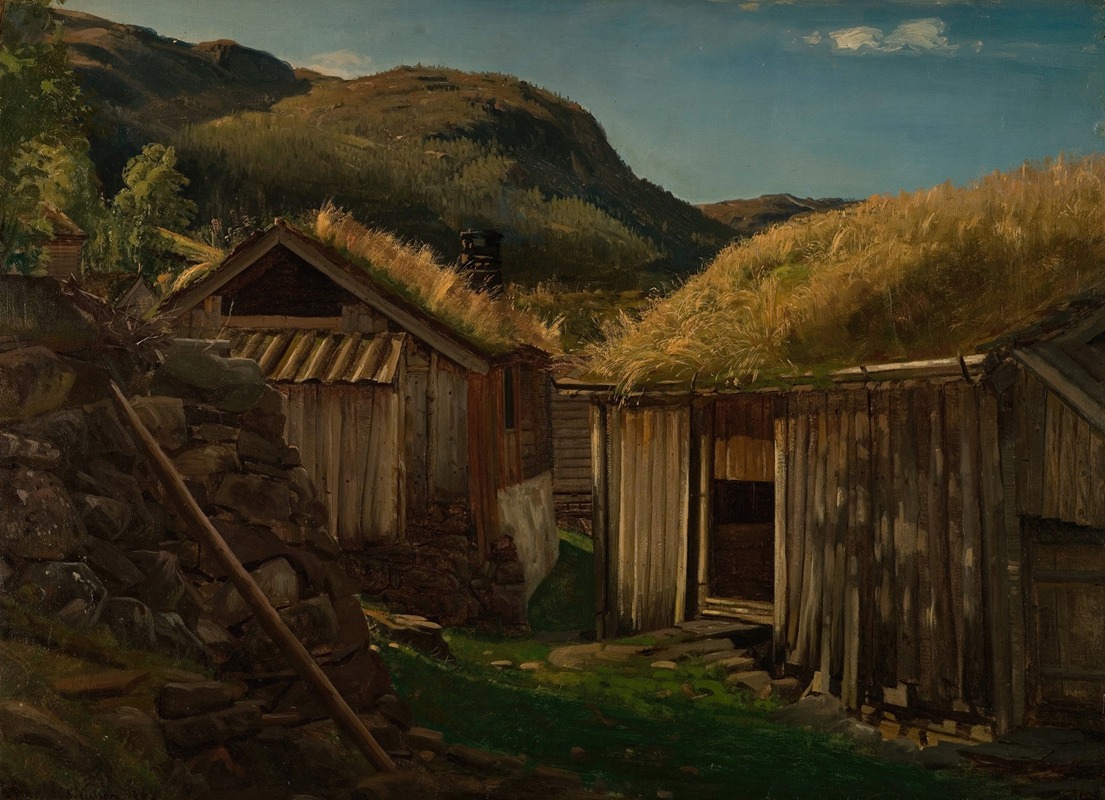
Aarhus, Suldal, Ryfylke
Amaldus Nielsen
In the High Mountains
Albert Bierstadt
The Hague A Wooded River Landscape With Figures On A Path On A River Bank Beside A Village, A Bridge Beyond
Esaias van de Velde
Aarhus, Suldal, Ryfylke
Amaldus Nielsen
Montagne Sainte-Victoire,from near Gardanne
Paul Cezanne