
The Elb in the Evening — History & Facts
What secret hides in the quiet of the canvas? Beneath the surface of shimmering waters, reflections whisper tales untold, inviting us to delve deeper into the unspoken narrative of a landscape. Look to the left where the tranquil surface of the Elbe River mirrors the fading light of dusk. The gentle gradient of color transitions from soft lavender to deep indigo, illustrating the day's last breath. Notice how the delicate brushstrokes capture the overlapping hues; they evoke a sense of calm amidst the approaching night.
The boats, small silhouettes against the vastness of the river, draw the eye toward the horizon, where the sky seems to melt into the water. Within this serene composition lies a profound tension between stillness and transition. The trees lining the riverbanks, portrayed with meticulous detail, contrast with the fluidity of the water, symbolizing the boundary between land and reflection. The soft, fading light suggests both an end and a promise of renewal, inviting contemplation on the cycles of nature and time.
Each element harmonizes, forming a meditative space that encourages the viewer to pause and reflect on their own transient existence. In 1822, Johan Christian Dahl painted this evocative scene while living in Dresden during a time of artistic exploration and Romantic idealism. The world was witnessing a burgeoning appreciation for nature's beauty, and Dahl, a pioneer of Norwegian Romanticism, sought to capture the sublime in his landscapes. The Elbe River and its enchanting evening light became a canvas for his exploration of emotion, offering a glimpse into his evolving artistic vision during an era rich in change.
More Artworks by Johan Christian Dahl
Browse all →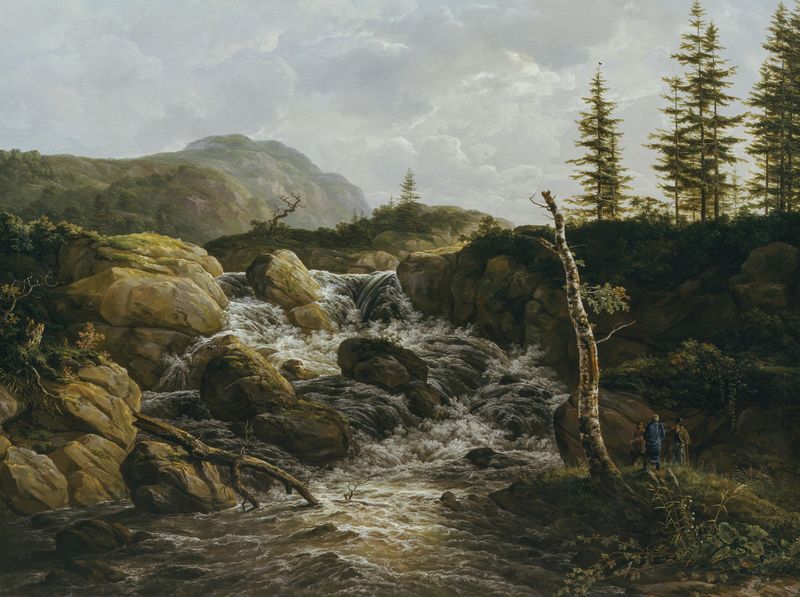
Mountainous Landscape with a Waterfall, Norway
Johan Christian Dahl
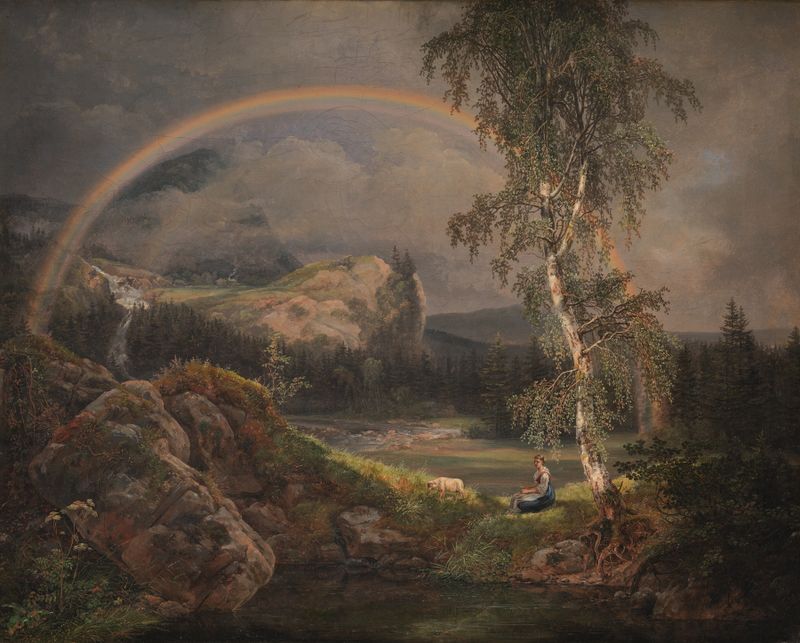
Norwegian Landscape with a Rainbow
Johan Christian Dahl
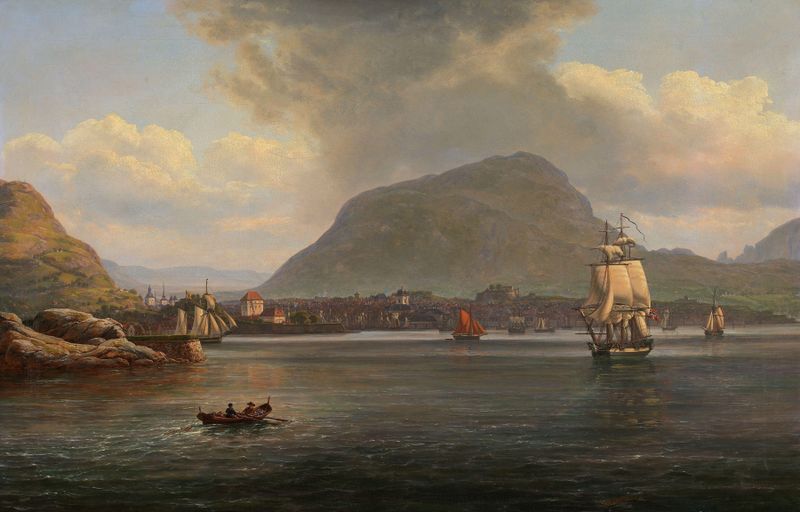
Bergen seen from the northern Inlet
Johan Christian Dahl
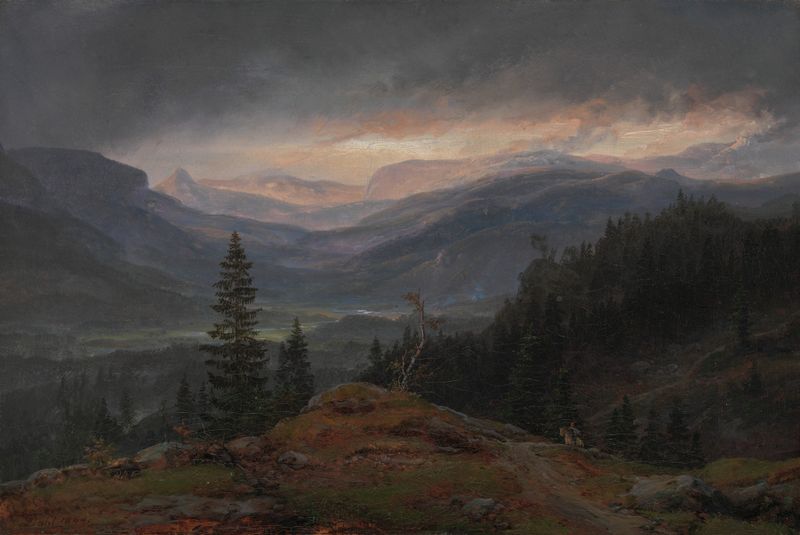
View over Hallingdal
Johan Christian Dahl
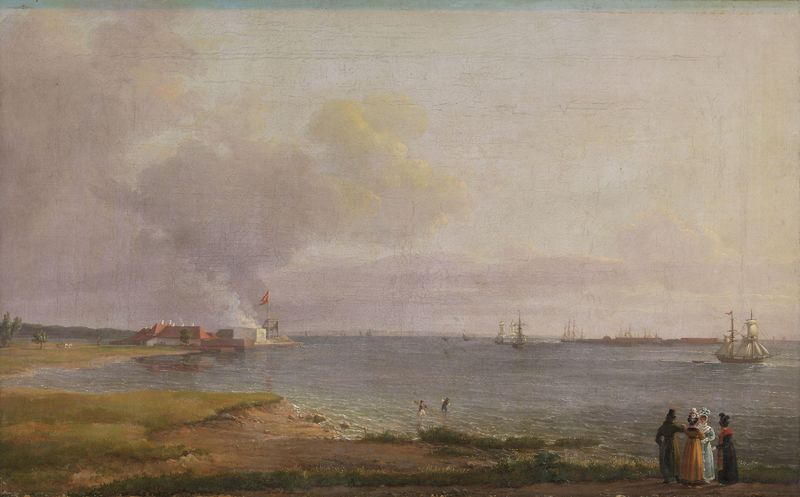
View over Øresund near the Lime Works
Johan Christian Dahl
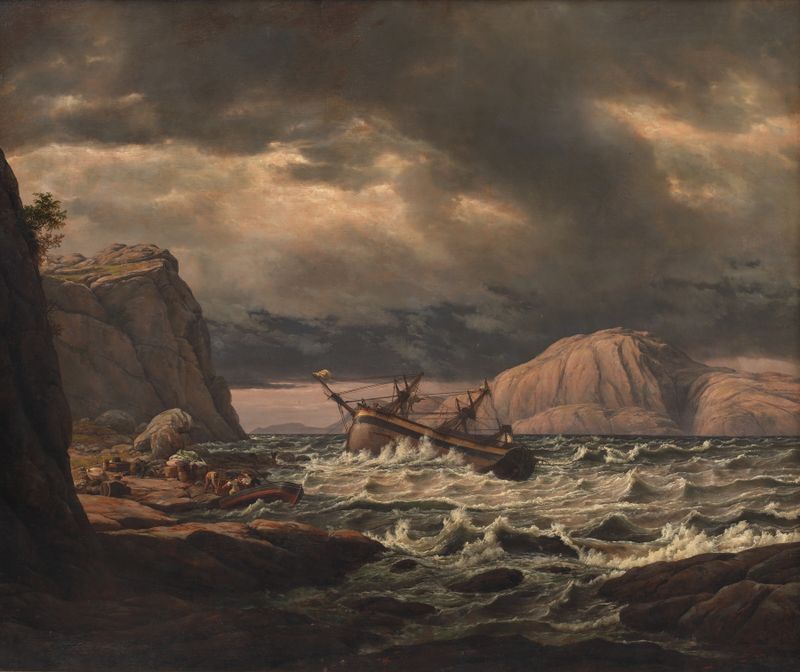
A Shipwreck on the Coast of Norway
Johan Christian Dahl
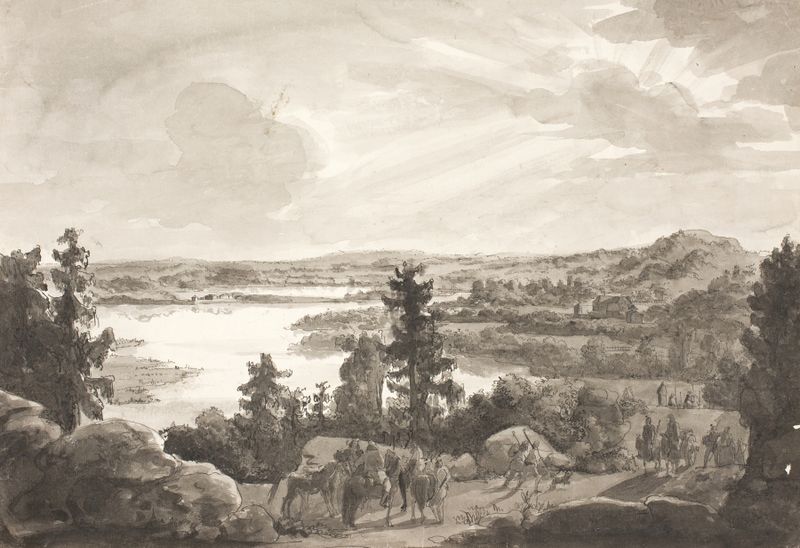
View of a Lake, Norway
Johan Christian Dahl
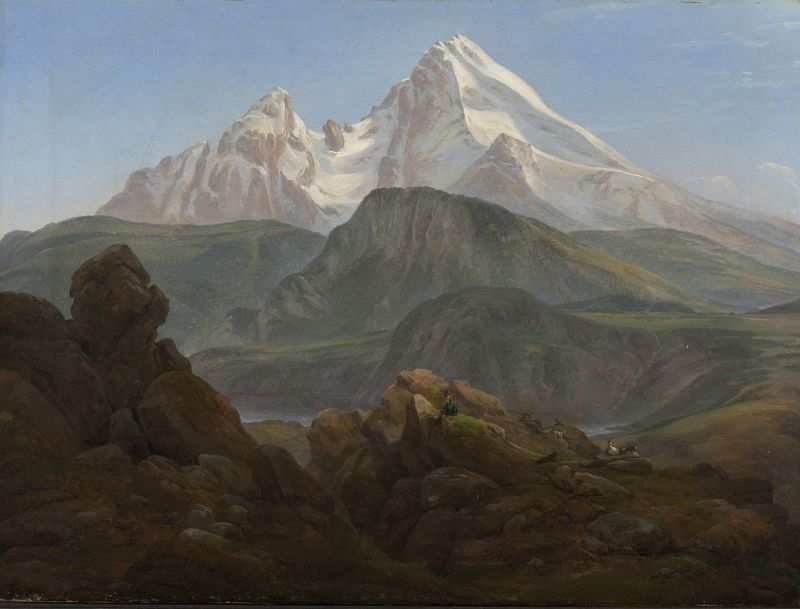
The Watzmann
Johan Christian Dahl
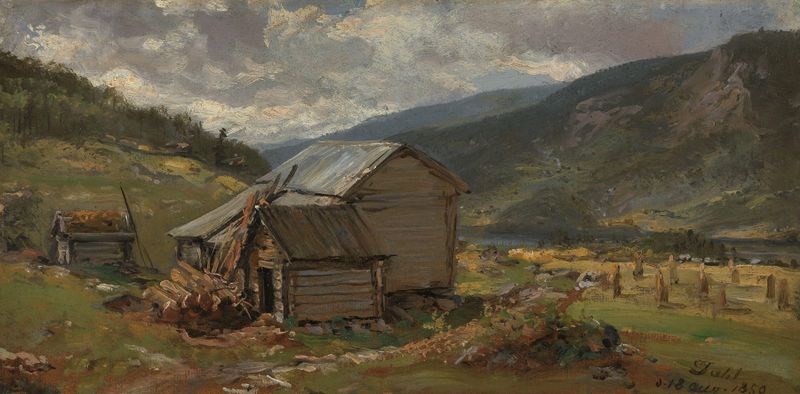
View of Hjelle in Valdres
Johan Christian Dahl

View At Skjolden In Lyster
Johan Christian Dahl





