
The Elbe in Moonlight — History & Facts
In the stillness of twilight, the river's surface shimmers beneath a silvery moon, evoking the promise of rebirth. Each brushstroke carries whispers of the past while capturing the essence of the present, inviting us to contemplate the eternal dance between memory and renewal. Look to the foreground where the Elbe flows languidly, mirroring the celestial glow above. The vibrant blues mingle with deep greens, revealing the lush landscape, while the moonlight casts a gentle luminescence on the water's surface.
Notice how the delicate interplay of light and shadow creates a serene atmosphere, inviting viewers to sink into the tranquil embrace of nature. Dahl’s meticulous technique, with its smooth blending and articulate detail, draws the viewer’s eye across the canvas, revealing layers of emotion within the landscape. The silent figures on the riverbank hint at stories untold, embodying the quiet tension between solitude and connection. Here, the ethereal moonlight symbolizes hope and renewal, suggesting that even in darkness, light can emerge.
The gentle ripples of the water capture the essence of time—fluctuating yet constant—reminding us that life is a series of cycles, each moment pregnant with potential. In 1846, while creating this piece, Dahl was in Dresden, immersed in a vibrant art scene characterized by Romanticism and a burgeoning interest in nature. As he painted The Elbe in Moonlight, he sought not only to depict beauty but to evoke a profound emotional response, reflecting his personal journey and the collective yearning for reconciliation with nature amid a rapidly changing world.
More Artworks by Johan Christian Dahl
Browse all →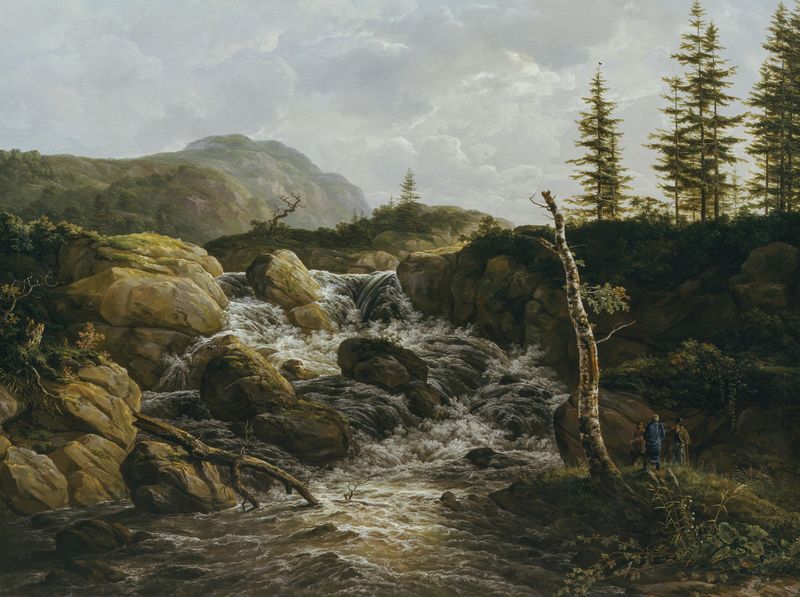
Mountainous Landscape with a Waterfall, Norway
Johan Christian Dahl
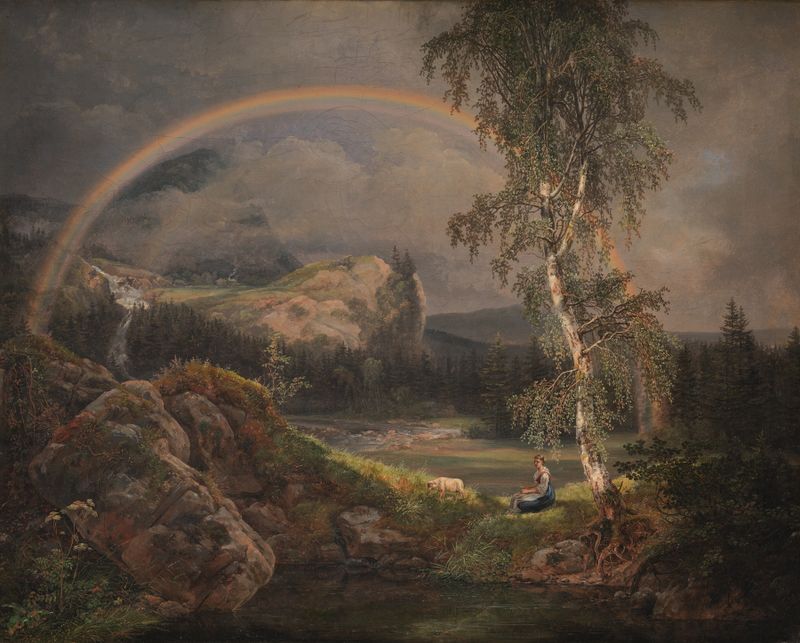
Norwegian Landscape with a Rainbow
Johan Christian Dahl
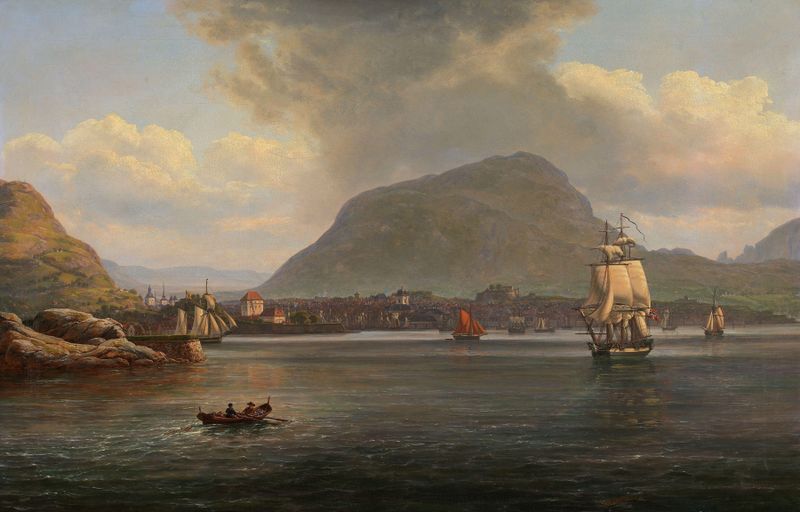
Bergen seen from the northern Inlet
Johan Christian Dahl
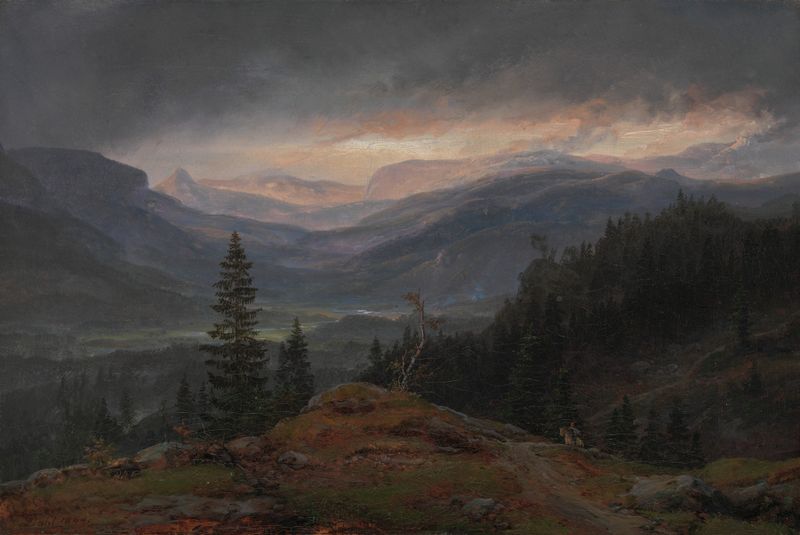
View over Hallingdal
Johan Christian Dahl
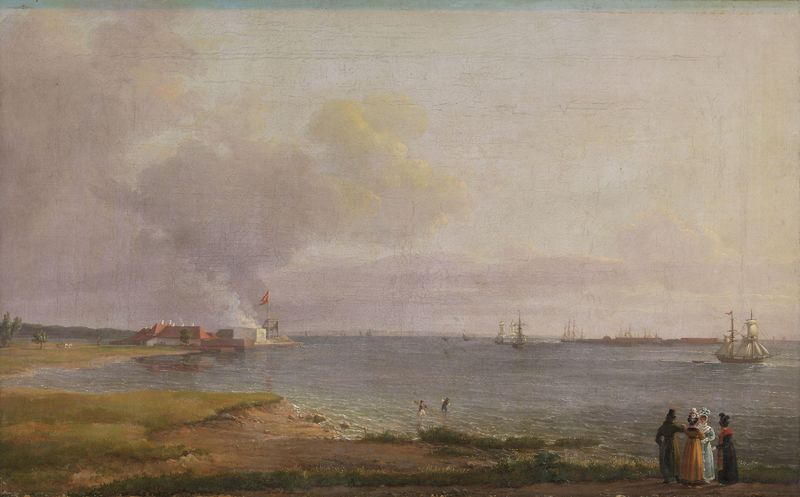
View over Øresund near the Lime Works
Johan Christian Dahl
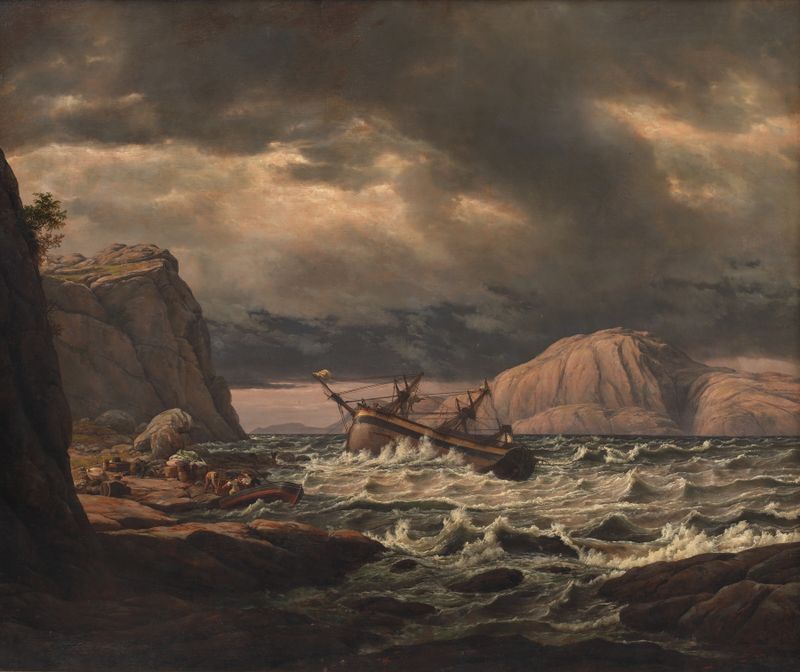
A Shipwreck on the Coast of Norway
Johan Christian Dahl
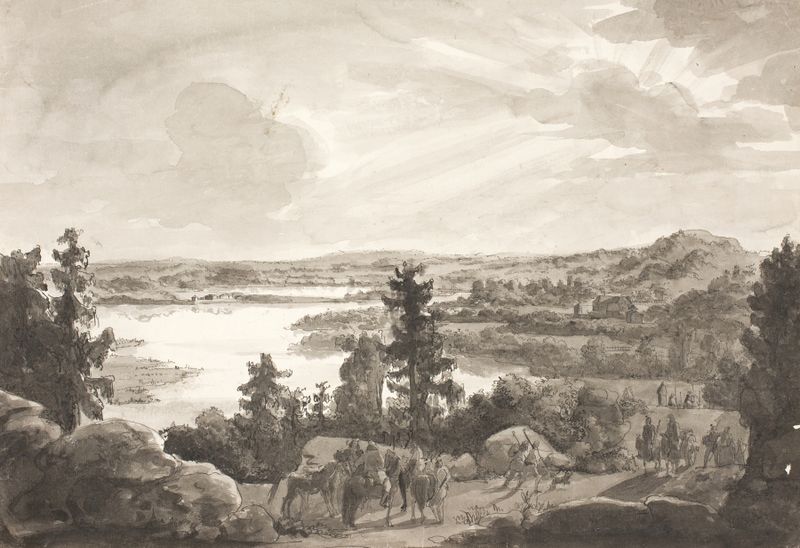
View of a Lake, Norway
Johan Christian Dahl
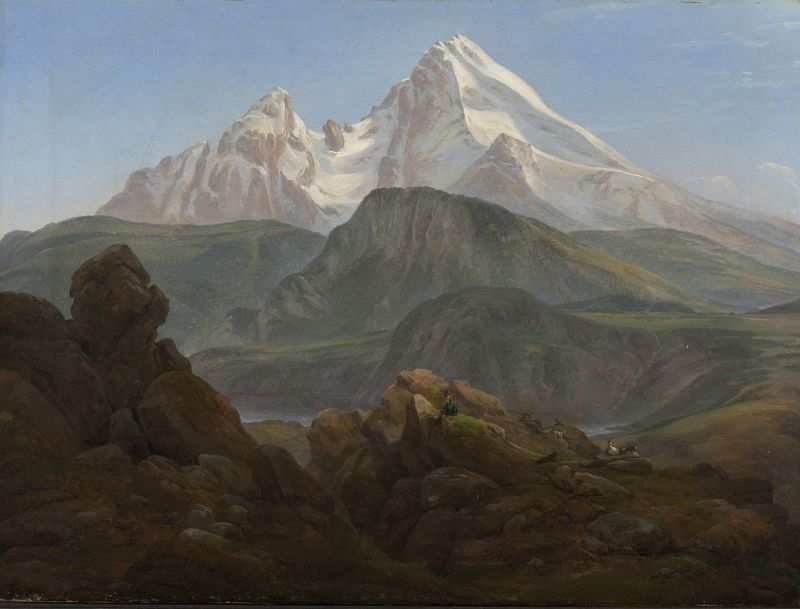
The Watzmann
Johan Christian Dahl
View of Hjelle in Valdres
Johan Christian Dahl

View At Skjolden In Lyster
Johan Christian Dahl





