
The Elbe in Rain — History & Facts
Could beauty survive in a century of chaos? In The Elbe in Rain, a muted landscape unfolds, capturing the delicate dance between nature and the elements with haunting grace. Look toward the horizon where the river's surface shimmers under a veil of rain, a sense of solitude drenching the scene. The soft, blurred outlines of trees on the banks merge with the gray sky, creating an ethereal atmosphere. Notice how the palette of cool blues and greens contrasts with the darker, more foreboding clouds, evoking both a sense of serenity and impending storm—an invitation to lose oneself in the melancholic embrace of the natural world. The painting resonates with deeper themes of isolation and introspection.
The emptiness of the landscape reflects the emotional weight of human existence, suggesting that even in moments of desolation, there is an underlying beauty. The falling rain becomes a metaphor for cleansing, a fleeting reminder that renewal can emerge from despair. This tension between the tranquil and the tumultuous evokes a profound sense of longing, leaving viewers to ponder their own experiences of solitude. Created during a time of significant artistic transition in Europe, the work likely emerged in the early 19th century, as Dahl explored Romanticism’s fascination with nature.
Living in Norway, he sought to capture the sublime beauty of the landscape, and his experiences of the changing environment profoundly influenced his creative vision. As the world around him evolved, this painting became a silent testament to the enduring spirit of beauty amid chaos.
More Artworks by Johan Christian Dahl
Browse all →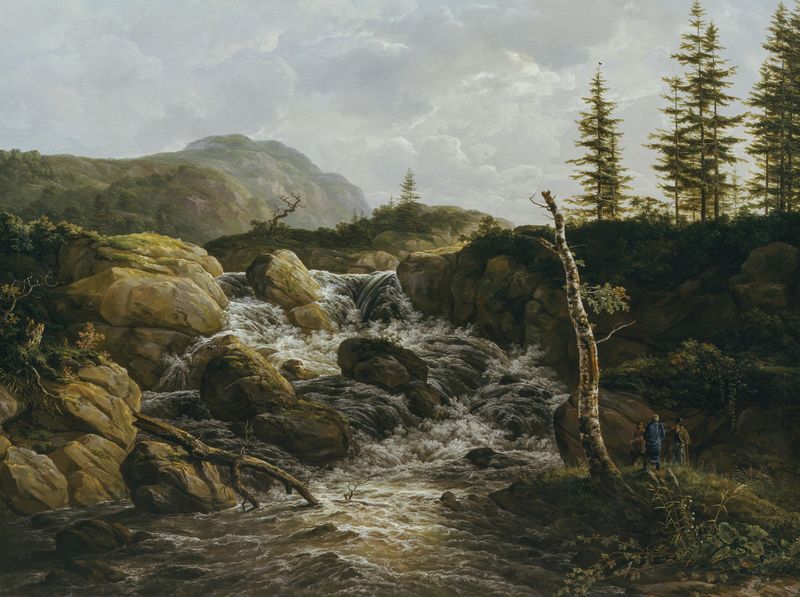
Mountainous Landscape with a Waterfall, Norway
Johan Christian Dahl
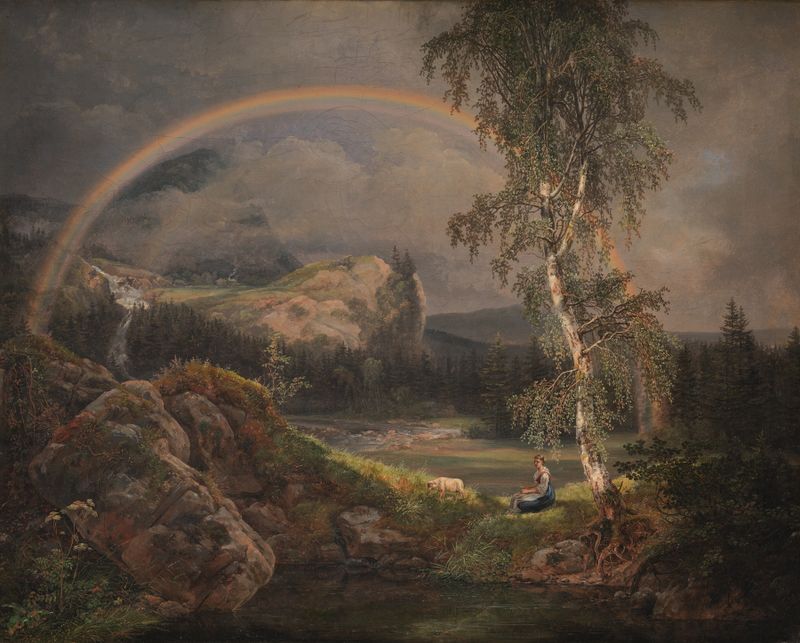
Norwegian Landscape with a Rainbow
Johan Christian Dahl
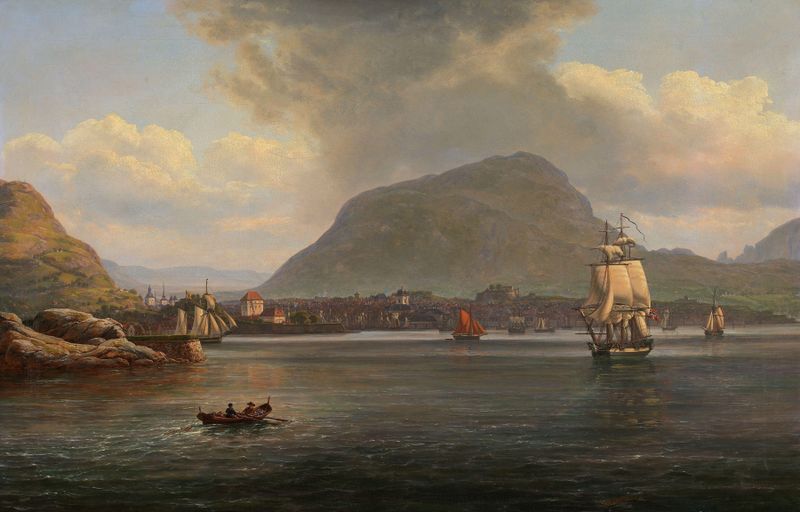
Bergen seen from the northern Inlet
Johan Christian Dahl
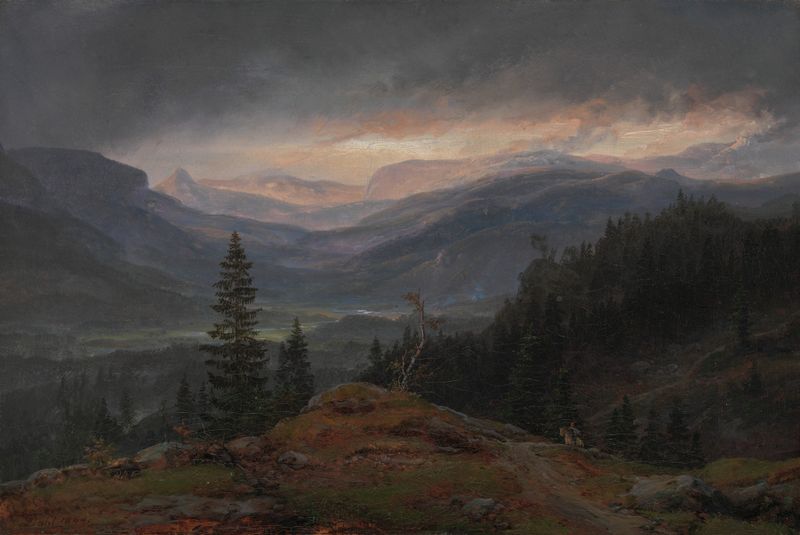
View over Hallingdal
Johan Christian Dahl
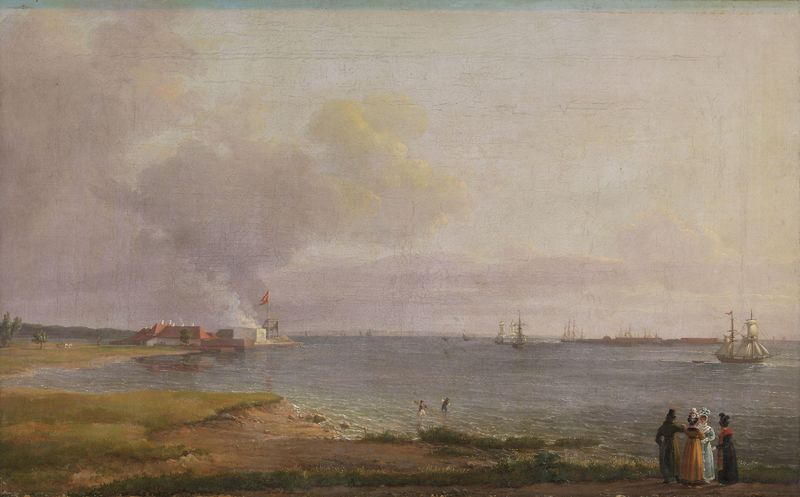
View over Øresund near the Lime Works
Johan Christian Dahl
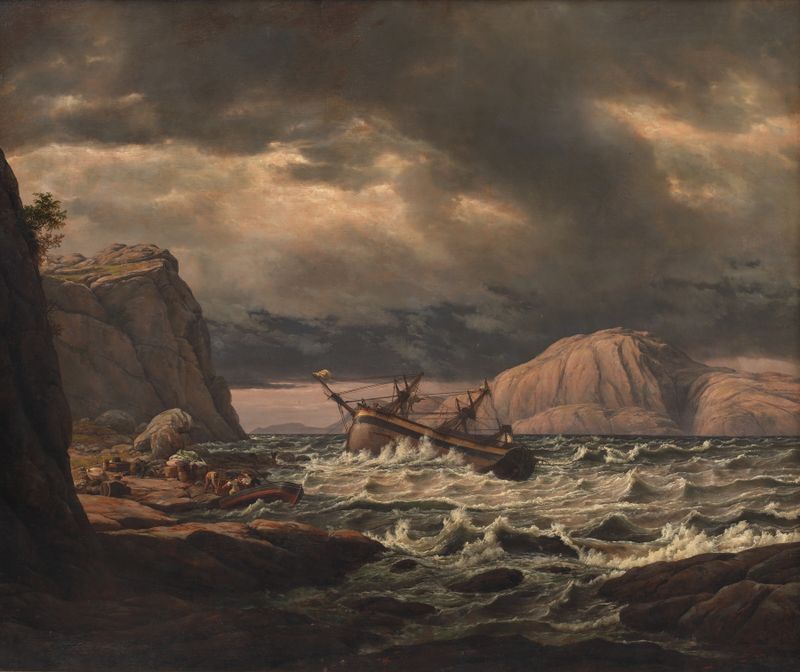
A Shipwreck on the Coast of Norway
Johan Christian Dahl
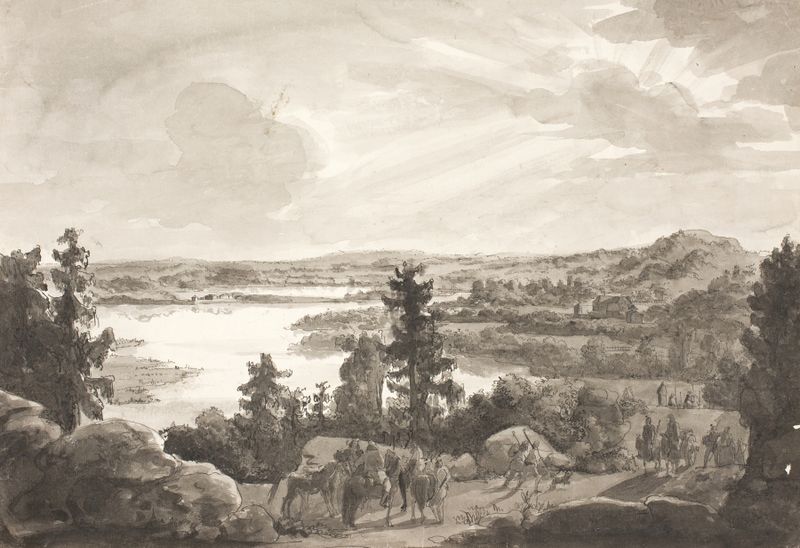
View of a Lake, Norway
Johan Christian Dahl
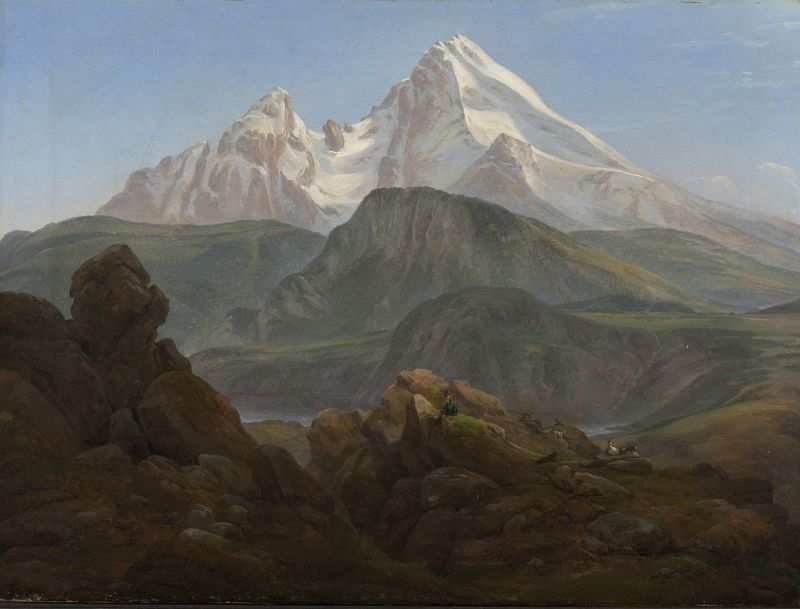
The Watzmann
Johan Christian Dahl
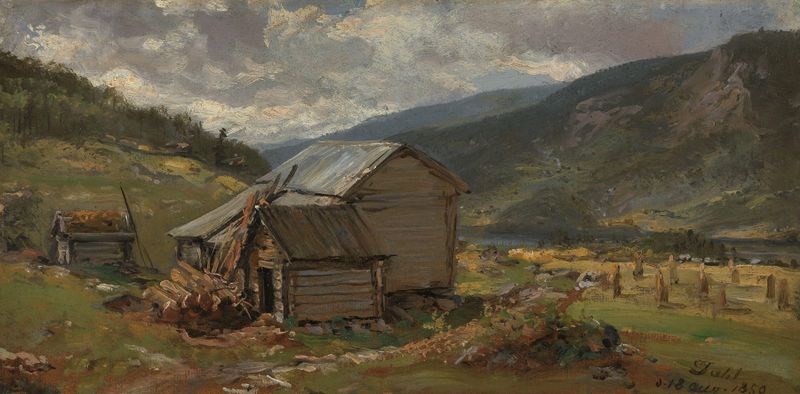
View of Hjelle in Valdres
Johan Christian Dahl

View At Skjolden In Lyster
Johan Christian Dahl





