
Discover insights about this artwork
The Empire of Flora — History & Facts
In The Empire of Flora, vibrant colors dominate the canvas, showcasing lush greens and bright floral hues. The central figure, Flora, is depicted in a flowing gown, surrounded by an array of flowers and foliage. This setting creates a rich, natural environment that emphasizes the theme of fertility and abundance.
The composition is both harmonious and intricate, inviting viewers to explore the details. The painting is executed in oil on canvas, a common medium for Nicolas Poussin. The brushwork is meticulous, allowing for fine details in the flowers and Flora's attire. The use of light and shadow adds depth to the scene, enhancing the three-dimensionality of the figures.
The overall size of the painting is approximately 100 x 130 cm, making it a significant work in terms of scale. Nicolas Poussin, a leading figure of the Baroque movement, often explored themes of nature and mythology. The Empire of Flora reflects his interest in allegorical representation, showcasing Flora as a symbol of spring and renewal. An interesting fact about this work is that it was likely commissioned for a private collection, emphasizing the personal connection between art and its patrons during the Baroque period.
Poussin's careful attention to detail and composition has made this piece a notable example of his artistic legacy.
More Artworks by Nicolas Poussin
Paysage avec deux nymphes et un serpent
Nicolas Poussin
Landscape with Saint John on Patmos
Nicolas Poussin
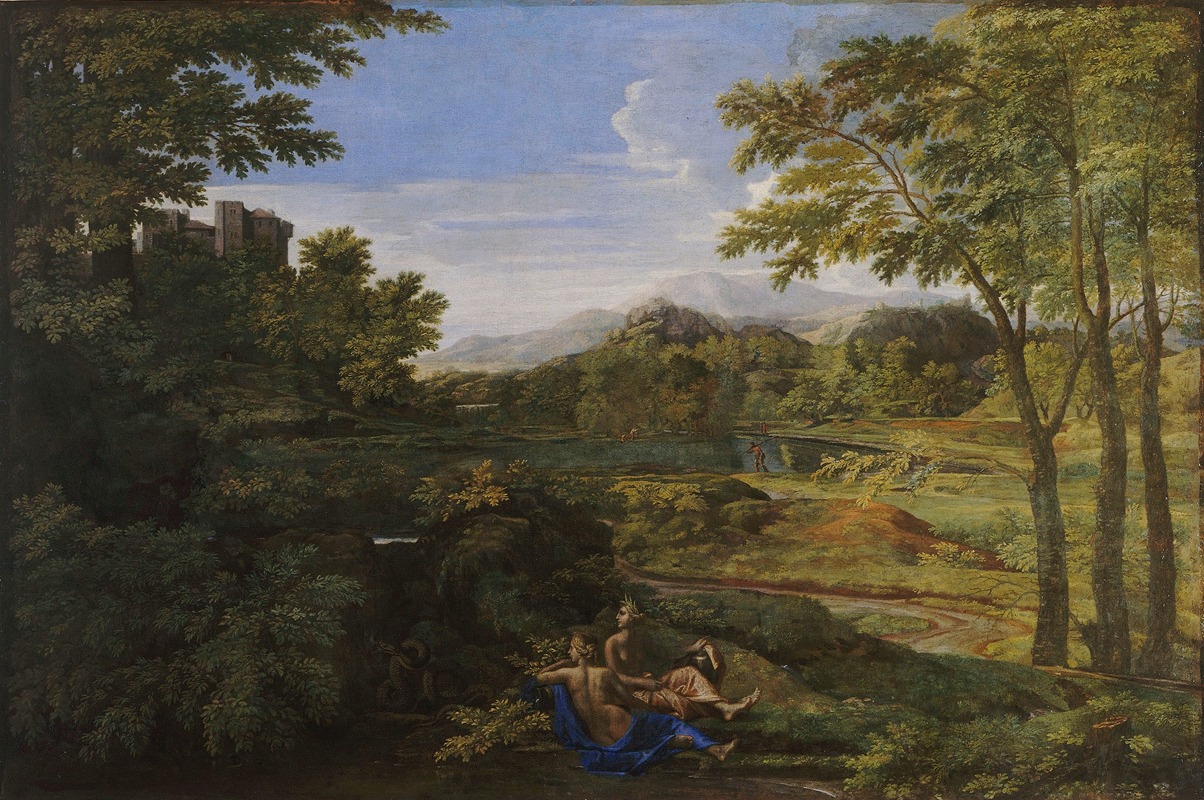
Paysage avec deux nymphes et un serpent
Nicolas Poussin
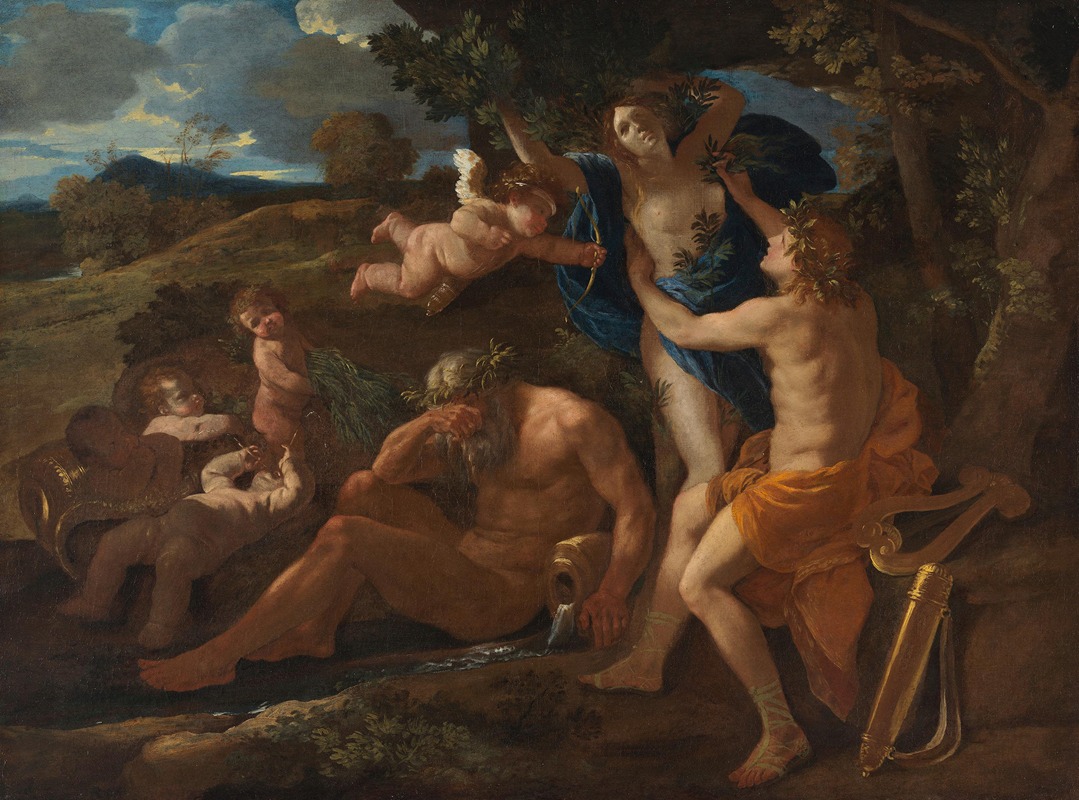
Apollo and Daphne
Nicolas Poussin
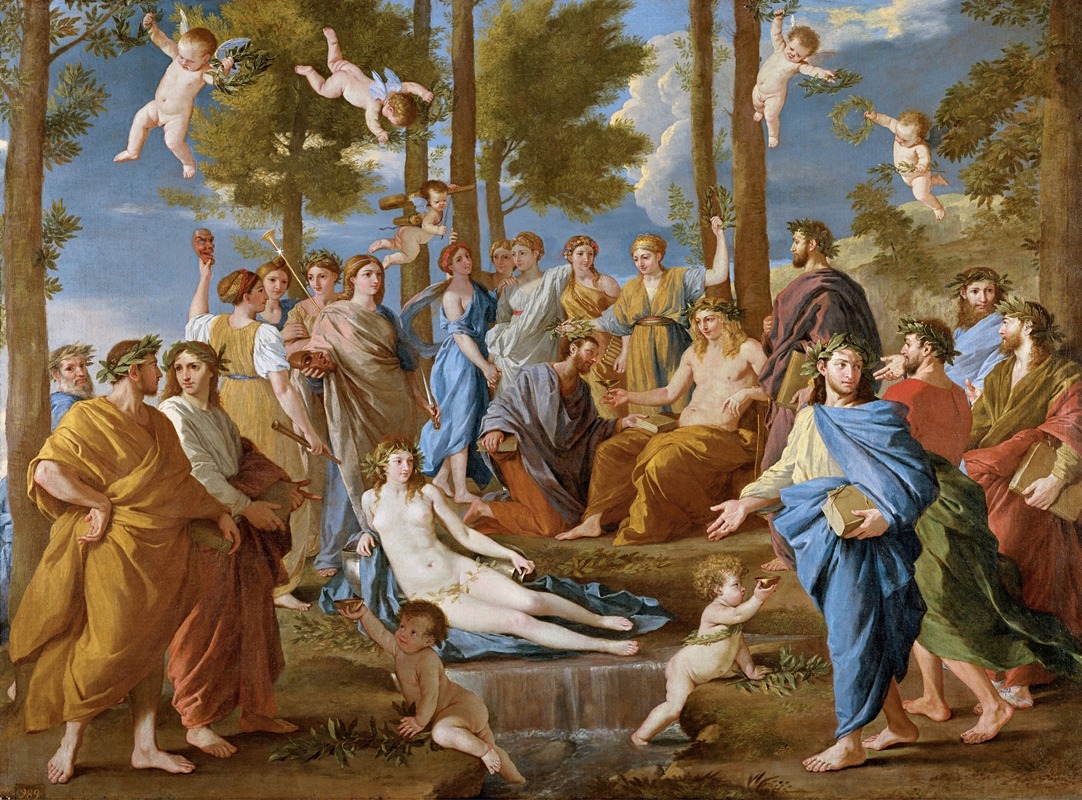
El Parnaso
Nicolas Poussin
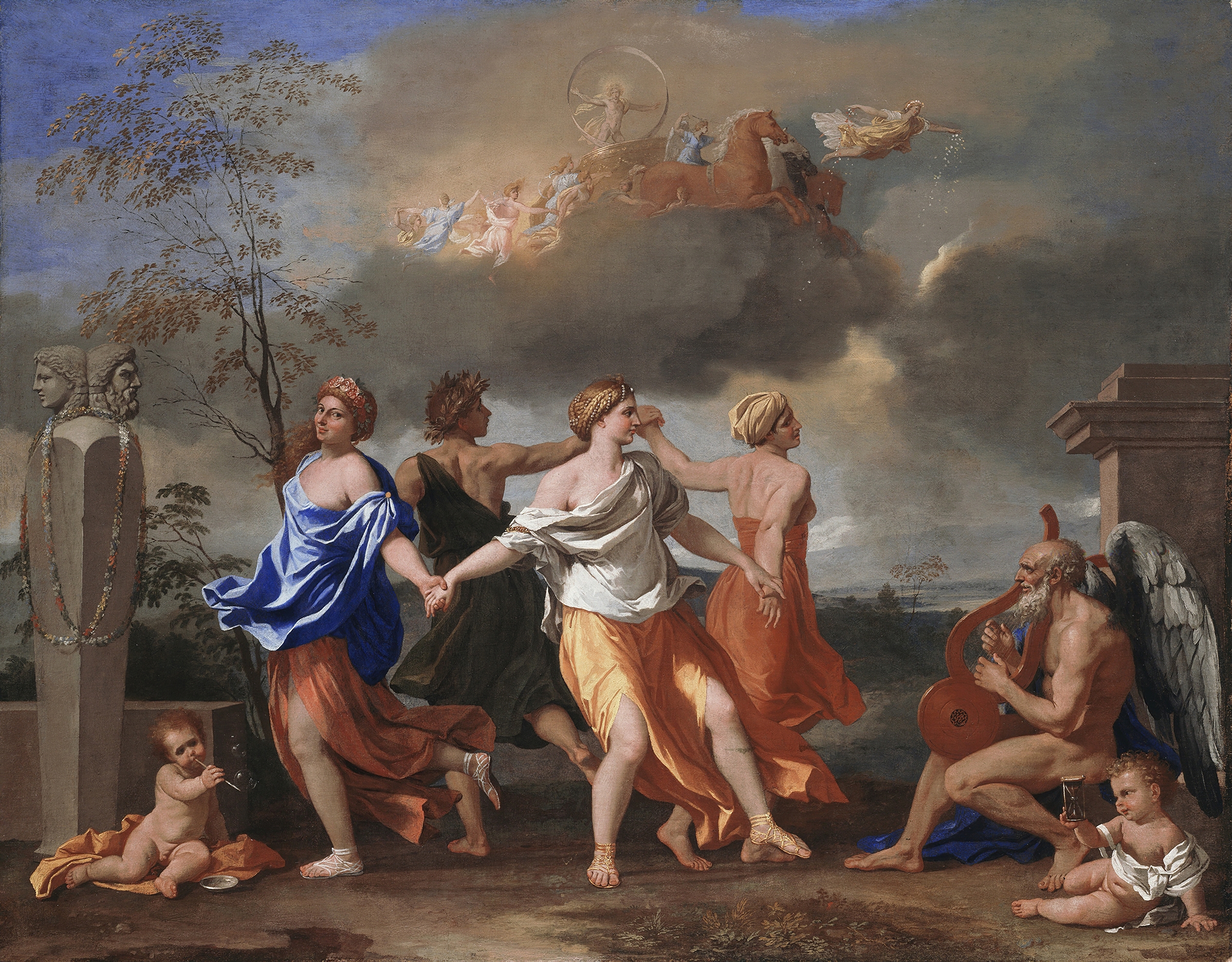
A Dance to the Music of Time
Nicolas Poussin
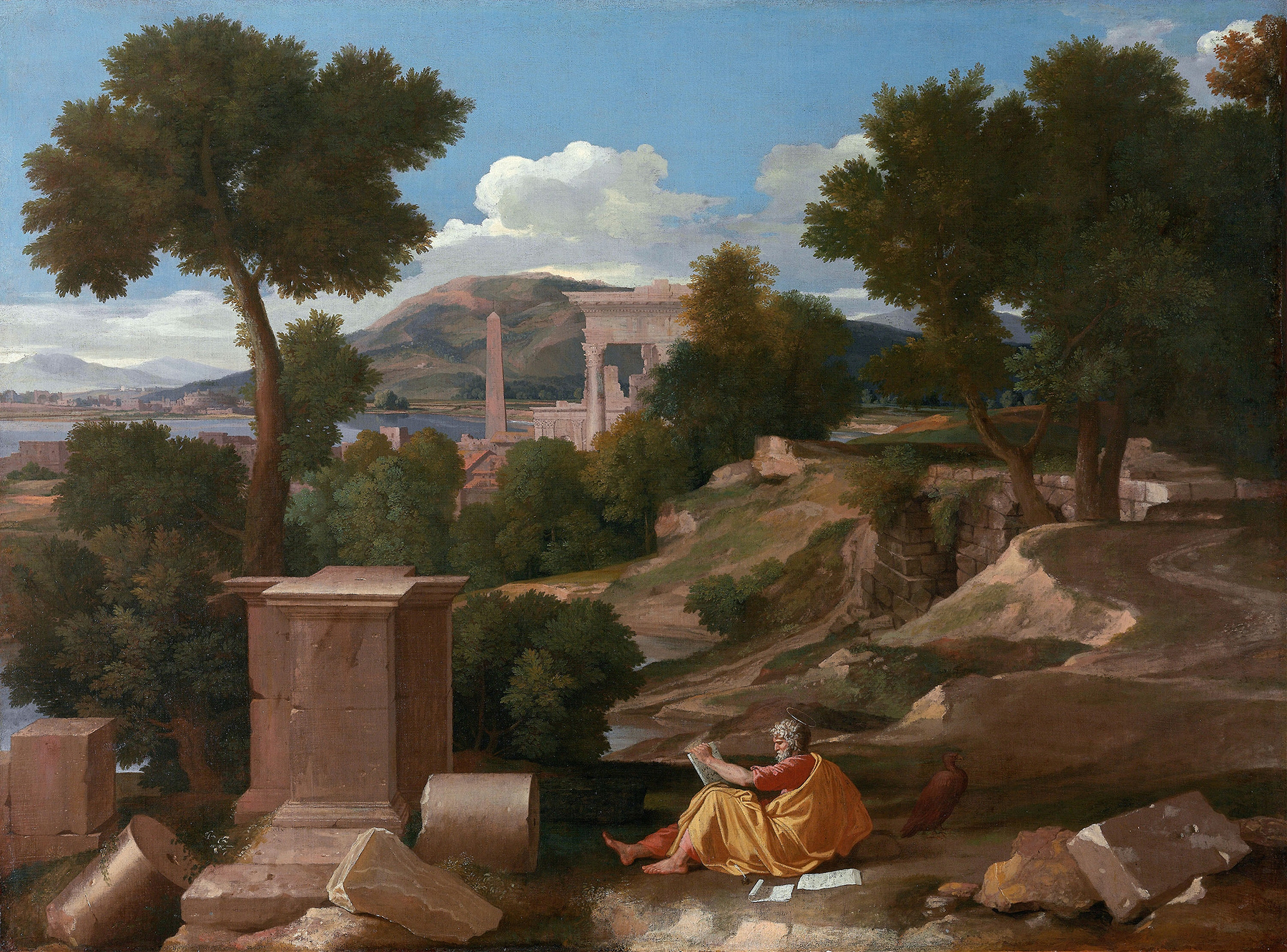
Landscape with Saint John on Patmos
Nicolas Poussin

Landscape with Saint John on Patmos
Nicolas Poussin
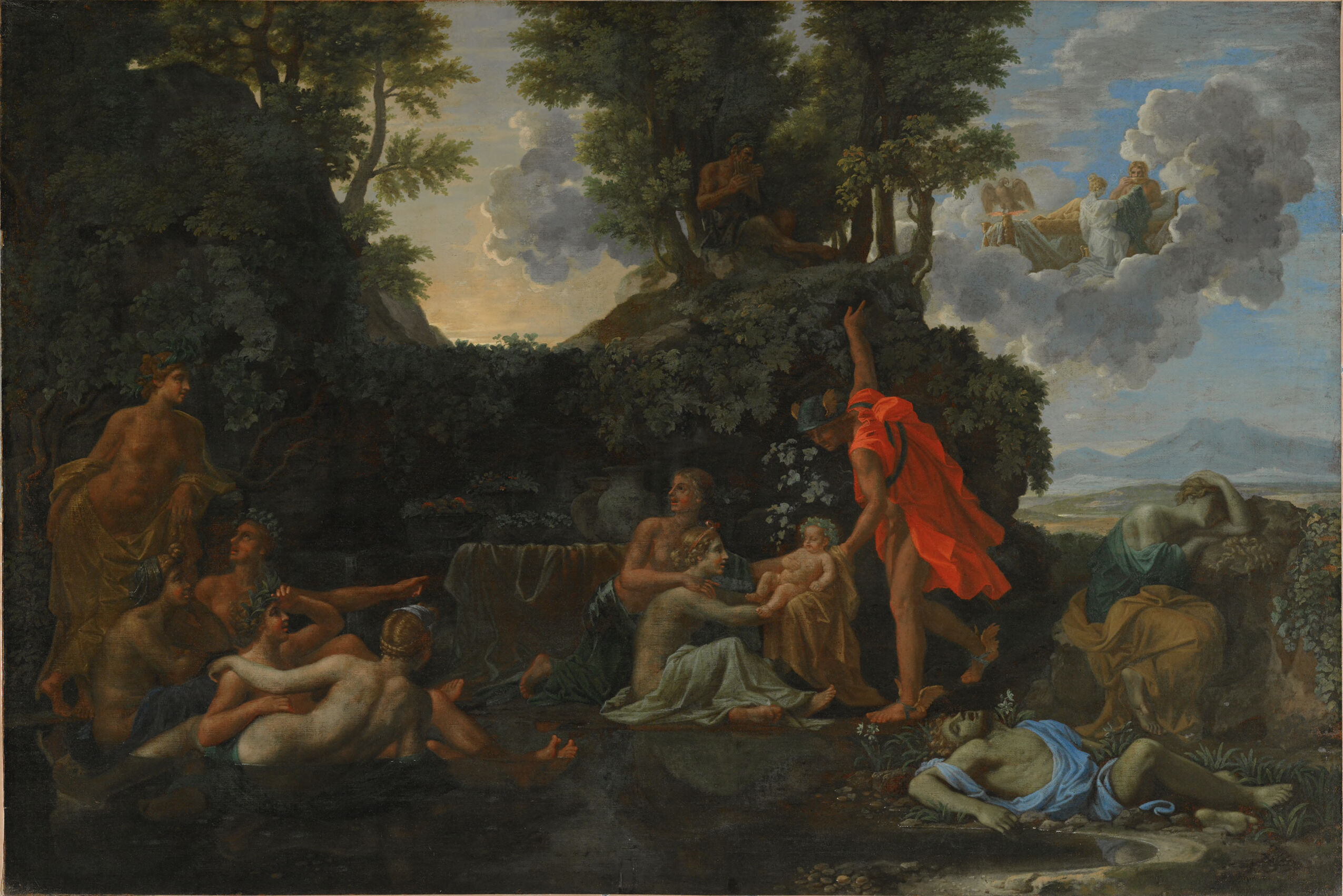
The Infant Bacchus Entrusted to the Nymphs of Nysa; The Death of Echo and Narcissus
Nicolas Poussin
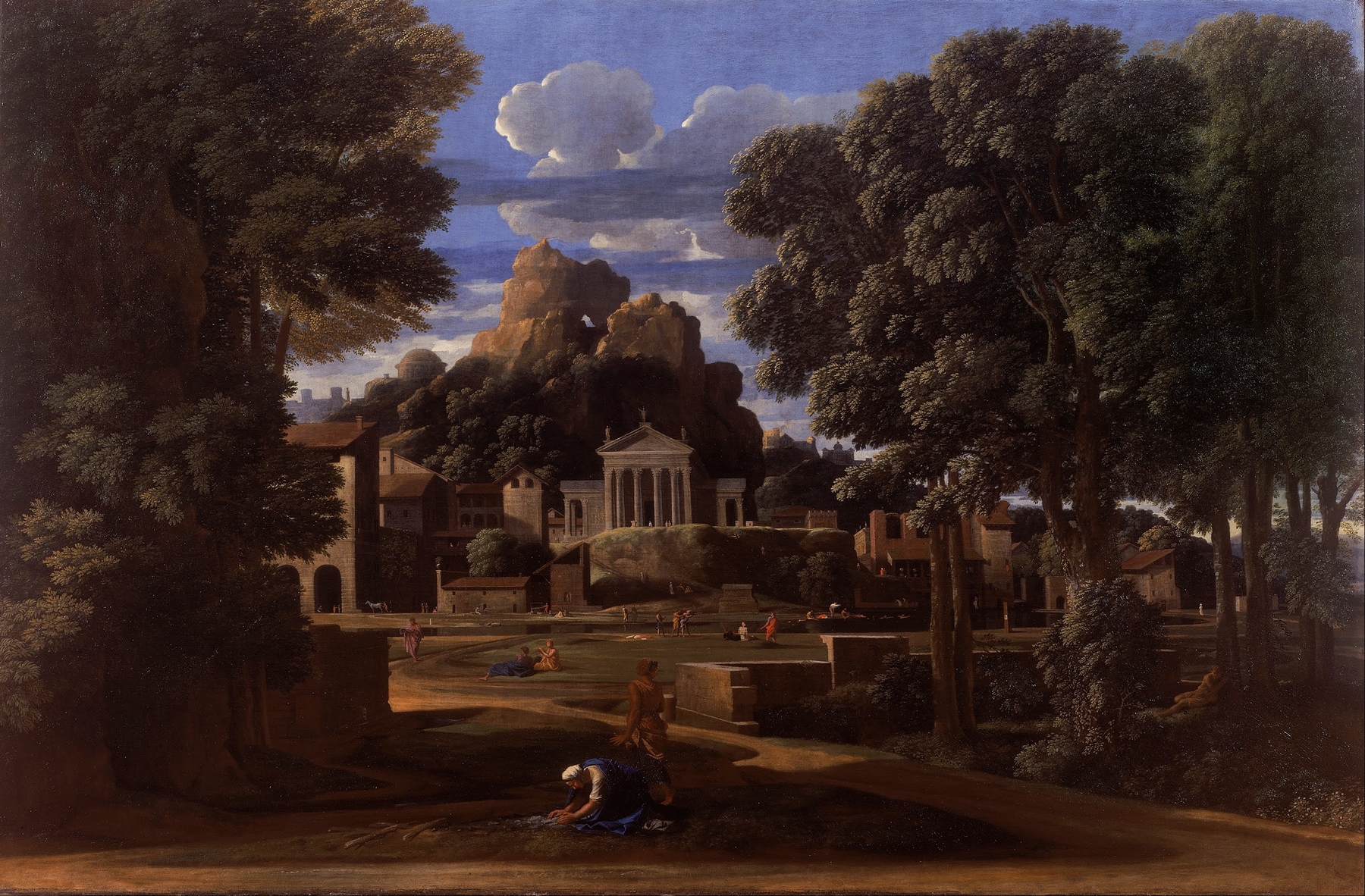
Landscape with the Ashes of Phocion
Nicolas Poussin
More Allegory Art
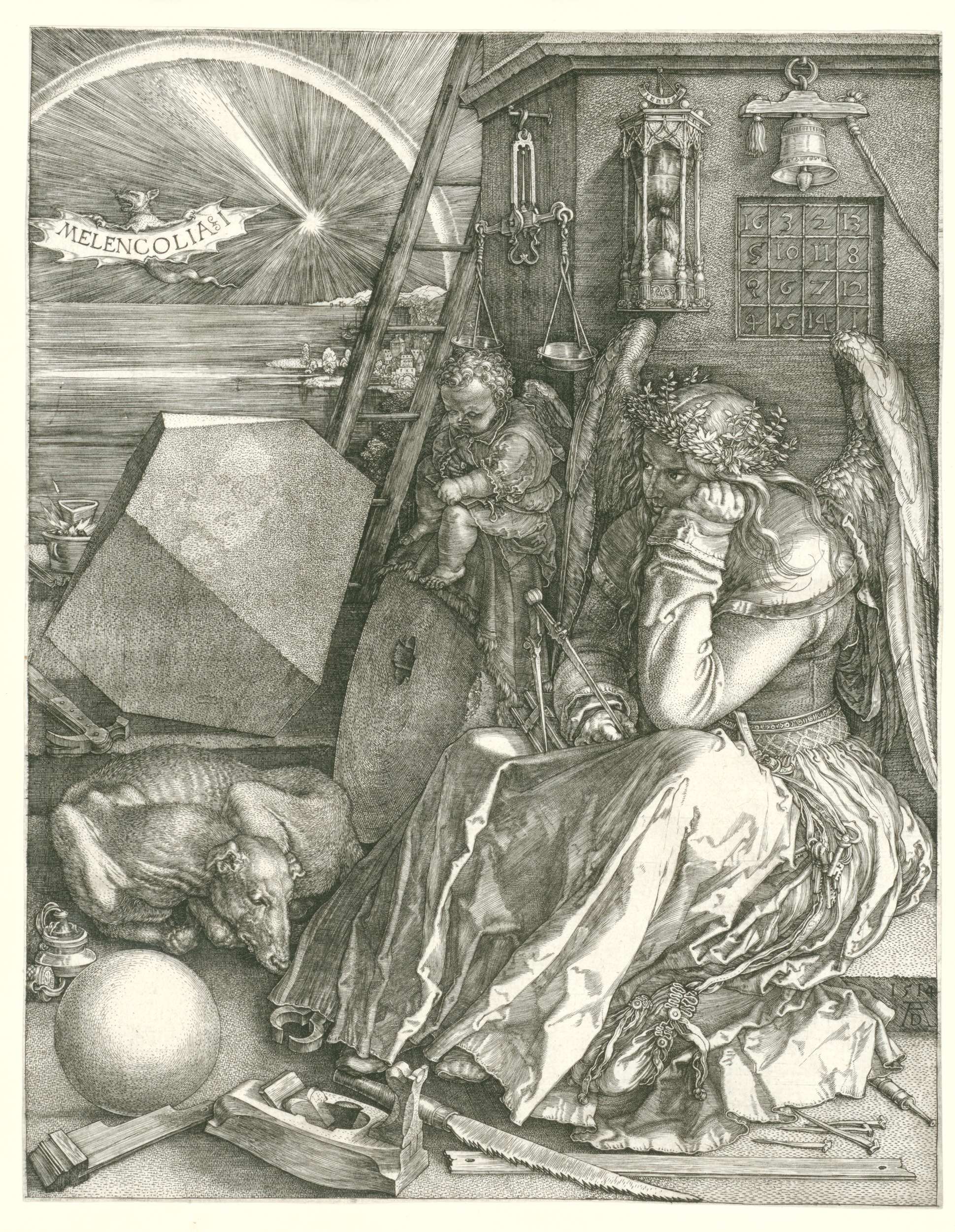
Melancholia
Albrecht Dürer
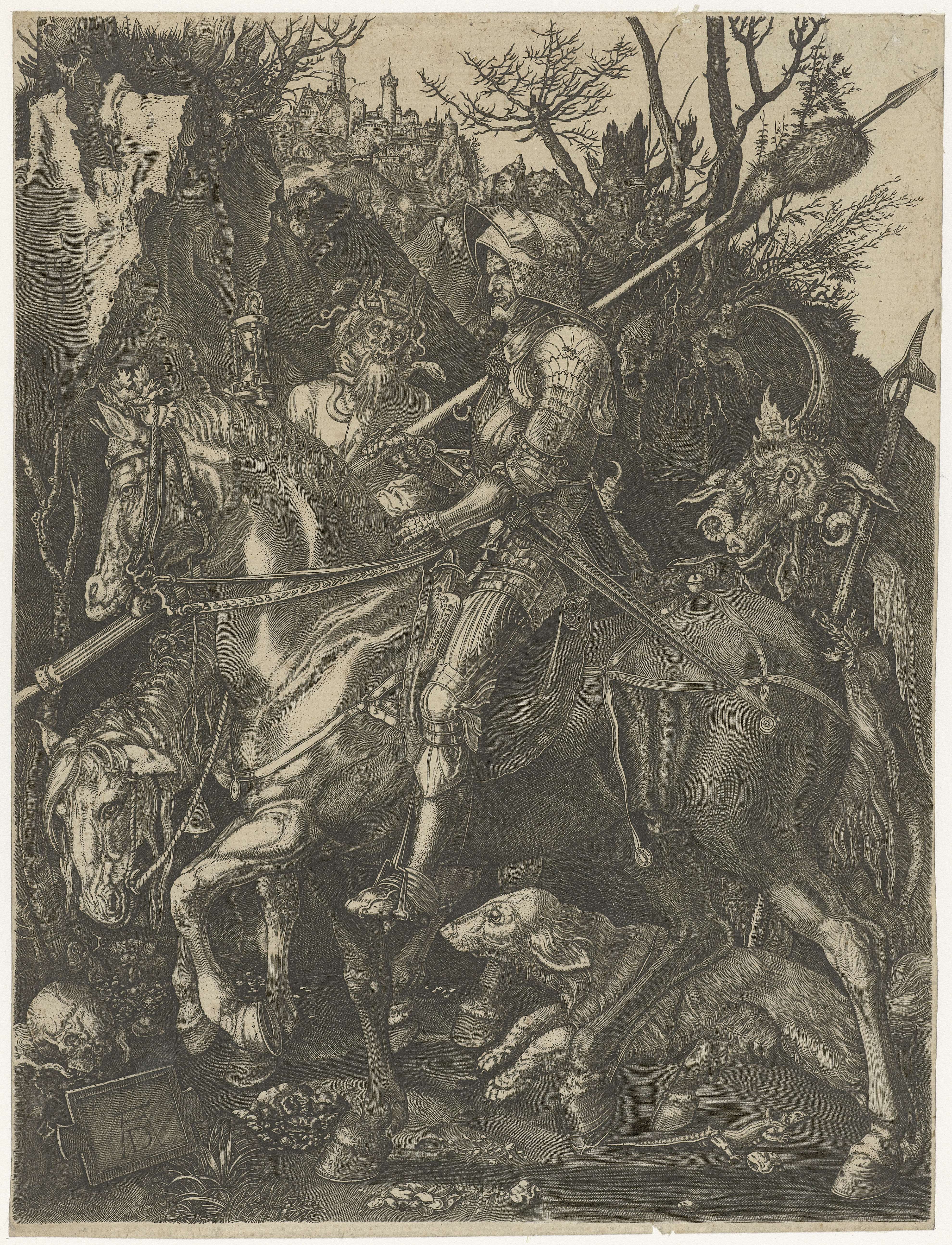
Ridder, Dood en Duivel
Unknown Artist
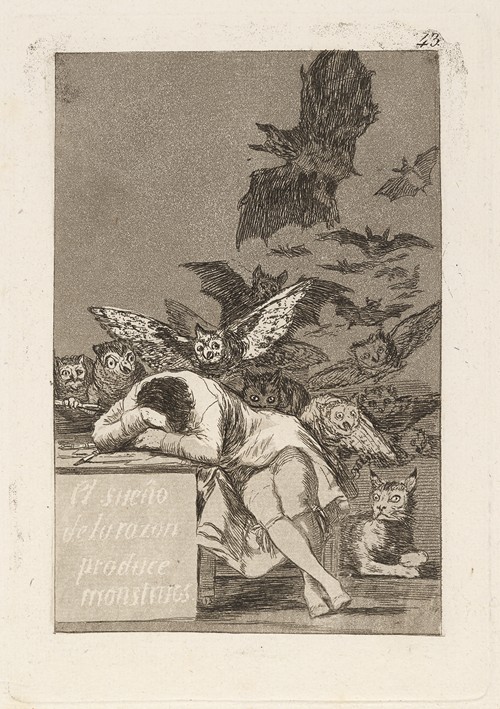
El sueño de la razon produce monstruos. (The sleep of reason produces monsters.)
Francisco de Goya
El sueño de la razon produce moustruos (Serie Caprichos)
Francisco de Goya
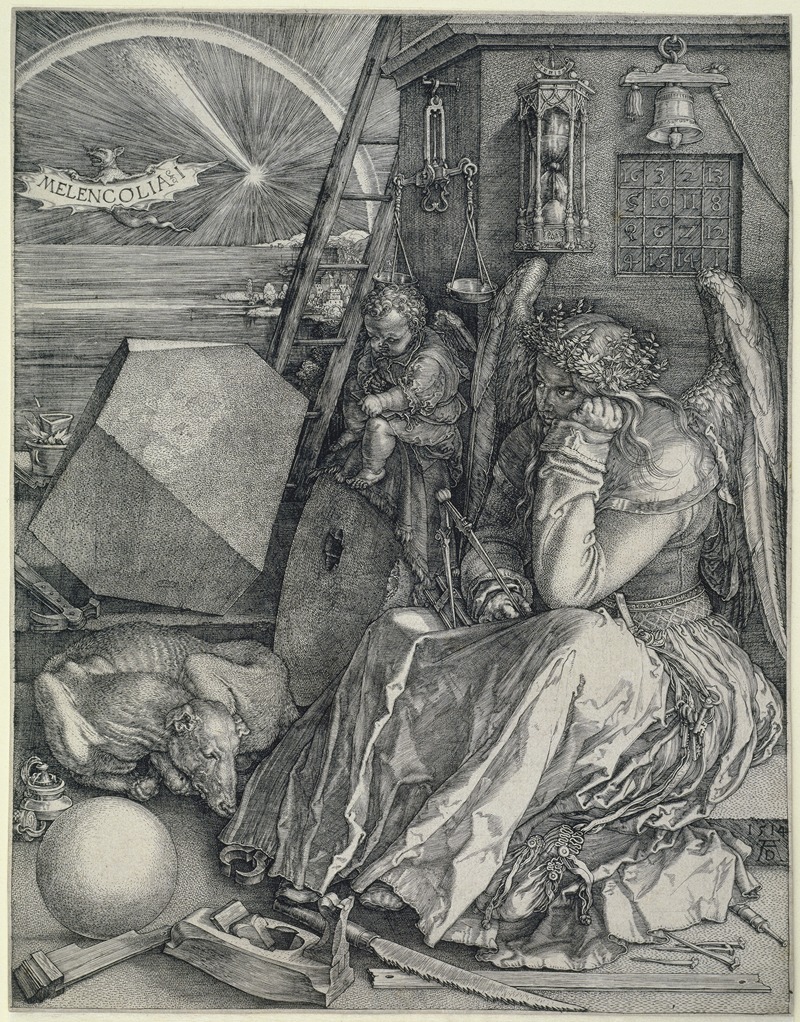
Melencolia I (The Melancholy)
Albrecht Dürer
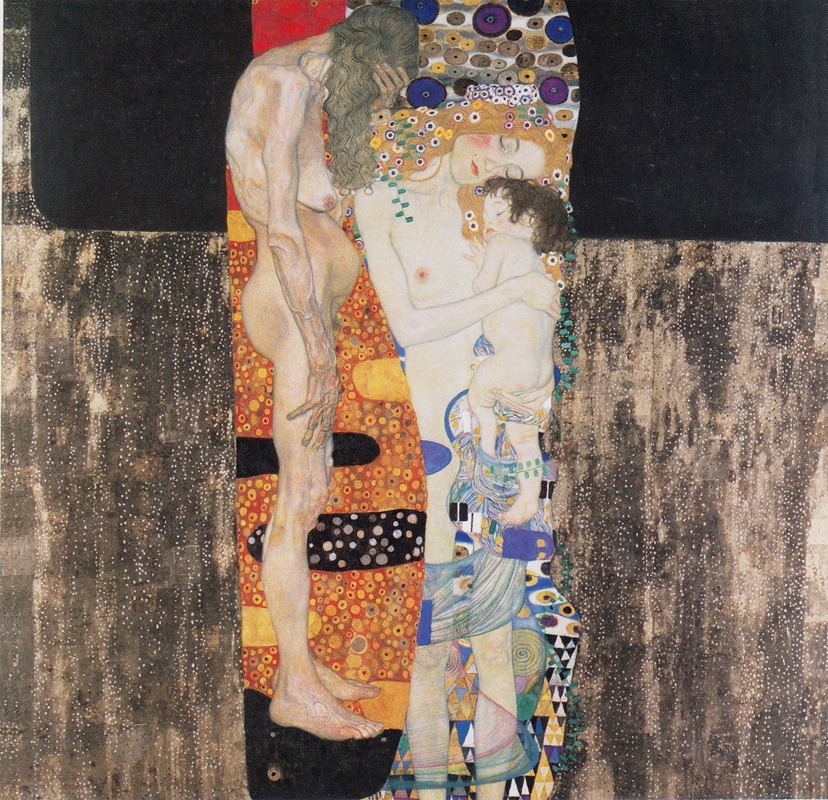
The Three Ages of the Woman
Gustav Klimt