
The Essex Canal — History & Facts
What secret hides in the quiet of the canvas? In The Essex Canal, emptiness is not just a void; it is a haunting presence that draws the viewer into a contemplative silence, inviting introspection. Look to the center at the still waters of the canal, where ripples barely disturb the surface. The muted palette of greens and browns, contrasted against fleeting touches of light, creates an ethereal atmosphere. Notice how the trees flanking the water are rendered with thick, textured brushstrokes that convey movement, while the sparse reflections evoke a sense of stillness.
The composition leads your eye gently along the water's edge, as if guiding you deeper into the tranquility of the scene. Delve into the contrasts within this work—between the vibrant life of the flora and the desolate expanse of water. The overhanging branches suggest a world teeming with growth, yet the emptiness of the canal hints at loss or solitude. This juxtaposition provokes a poignant tension, revealing how nature can be both a comforting refuge and a mirror to our own feelings of isolation. In the late 19th century, Ryder created this piece during a period of personal introspection and artistic evolution.
Living in New York, he was influenced by the American Romantic movement, which sought to depict the beauty and awe of nature. While traditional techniques dominated the art scene, Ryder experimented with color and form, signaling a shift towards modern expression.
More Artworks by Albert Pinkham Ryder
Browse all →
The Toilers of the Sea
Albert Pinkham Ryder
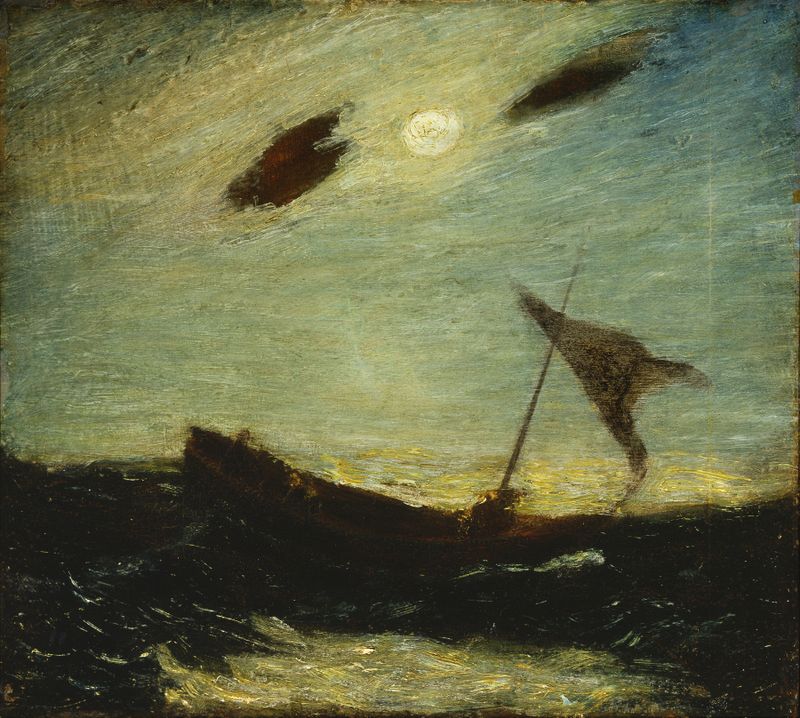
Moonlight
Albert Pinkham Ryder

The Lorelei
Albert Pinkham Ryder

With Sloping Mast And Dipping Prow
Albert Pinkham Ryder

The Temple of the Mind
Albert Pinkham Ryder

Moonlight Marine
Albert Pinkham Ryder

The Lovers’ Boat
Albert Pinkham Ryder

Harvest
Albert Pinkham Ryder

Under a Cloud
Albert Pinkham Ryder
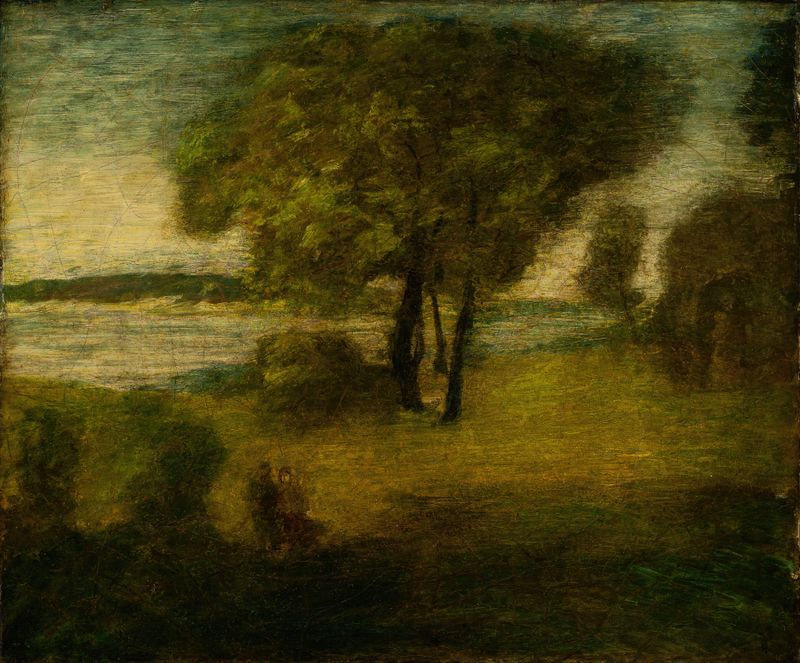
The River
Albert Pinkham Ryder





