
The Field of Derout-Lollichon — History & Facts
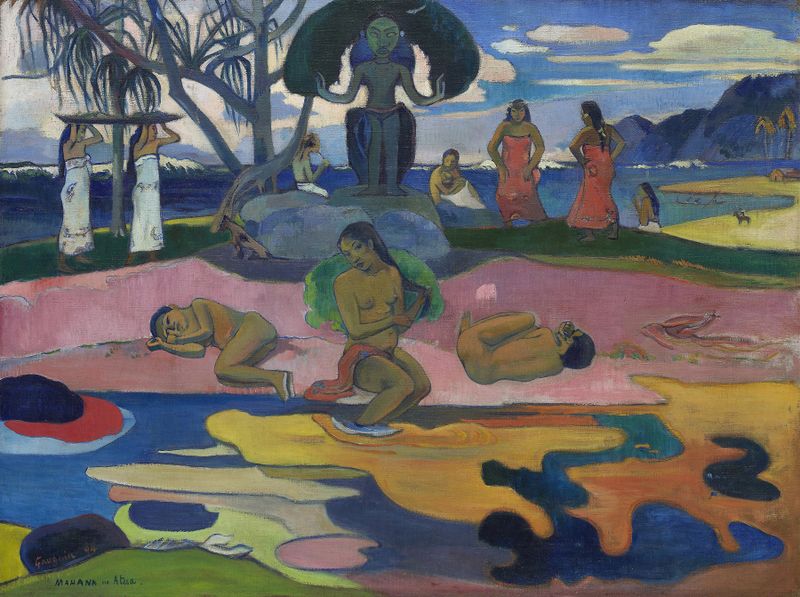
Could beauty survive in a century of chaos? In The Field of Derout-Lollichon, a vibrant tapestry of color and form beckons, inviting contemplation amidst life's turmoil. Look to the lush greens and golds that dominate the landscape, where the fields stretch into a horizon punctuated by rolling hills. The artist’s brushstrokes create a rhythmic quality, as if the very earth pulses with life. Notice how the dappled sunlight dances across the scene, illuminating patches of wildflowers that seem to whisper secrets of hope.
The composition, anchored by a subtle yet dynamic interplay of foreground and background, draws the viewer's gaze into a world both serene and alive. Delve deeper into the contrasts presented; the juxtaposition of nature's abundant beauty against the backdrop of an artist grappling with personal turmoil. There’s a palpable tension between the carefree spirit of the landscape and the artist’s own struggles, reflecting a yearning for tranquility amidst chaos. The vivid colors may symbolize not only the art of creation but also a defiance against melancholy, suggesting that joy can persist even in darker times. At the time The Field of Derout-Lollichon was painted in 1886, Gauguin was navigating his burgeoning identity as an artist while experiencing profound personal upheaval.
Living in Pont-Aven, France, he was part of a group of artists seeking new forms of expression that diverged from the norms of impressionism. This period marked a significant transition for him as he began to explore the emotional depths of color, infusing his work with a sense of hope and the possibility of beauty amidst chaos.
More Artworks by Paul Gauguin
Browse all →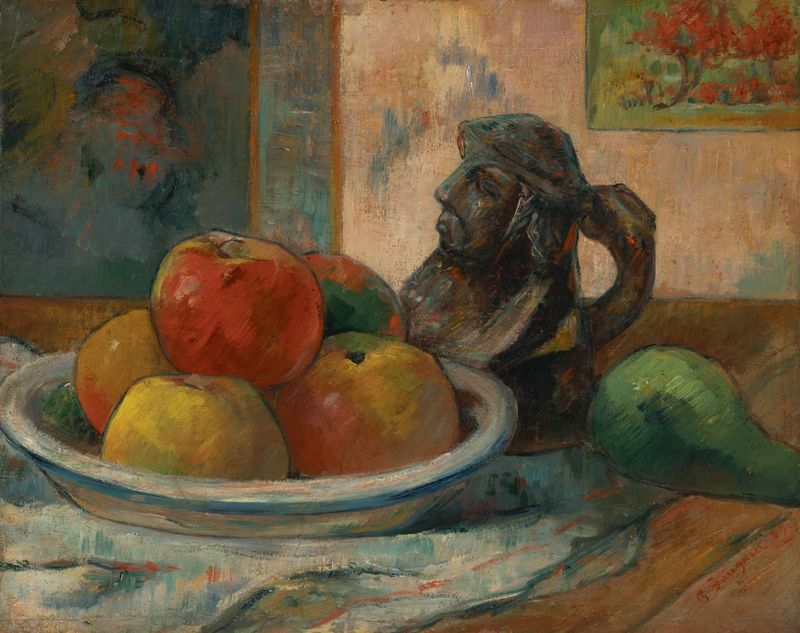
Still Life with Apples, a Pear, and a Ceramic Portrait Jug
Paul Gauguin
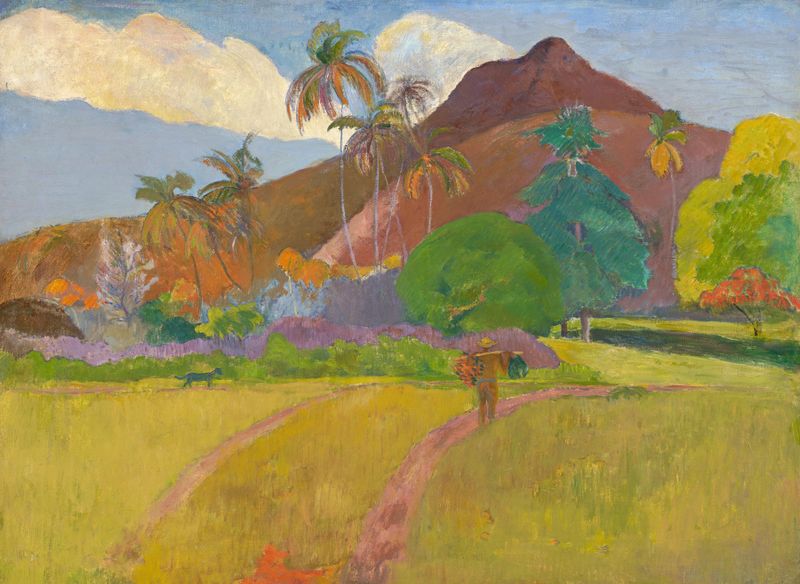
Tahitian Landscape
Paul Gauguin

Landscape near Pont-Aven
Paul Gauguin

No te aha oe riri (Why Are You Angry?)
Paul Gauguin
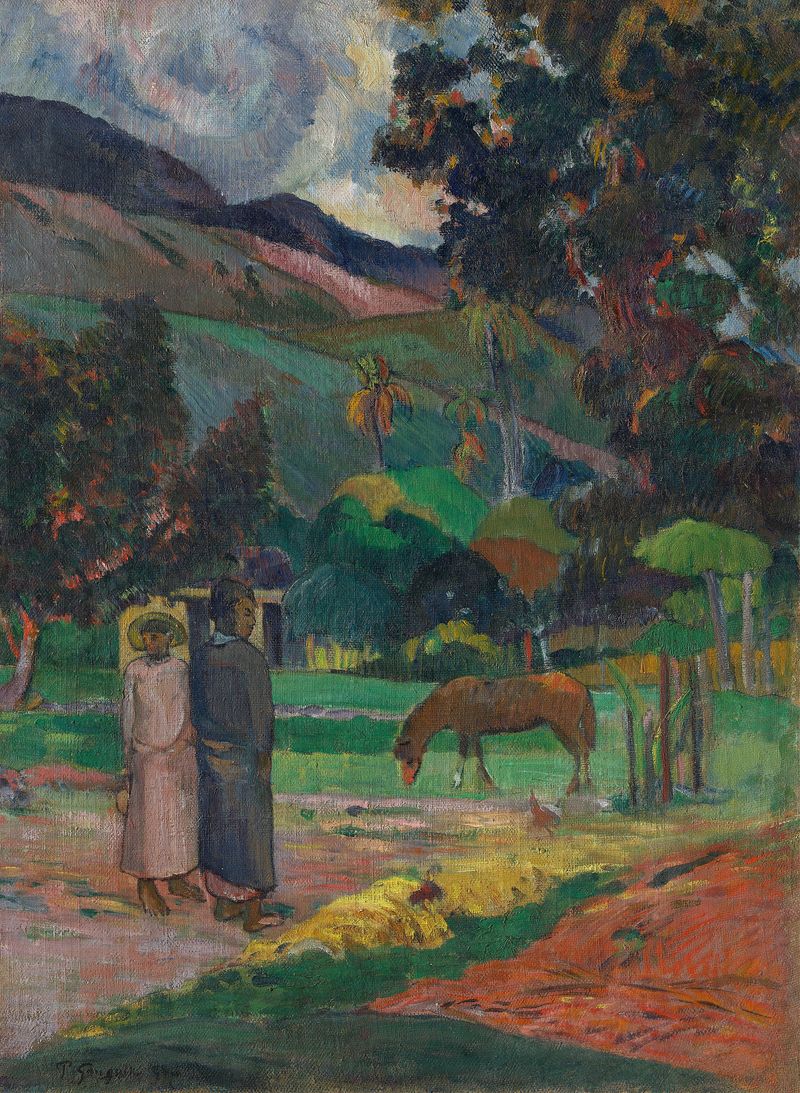
Tahitian Landscape
Paul Gauguin
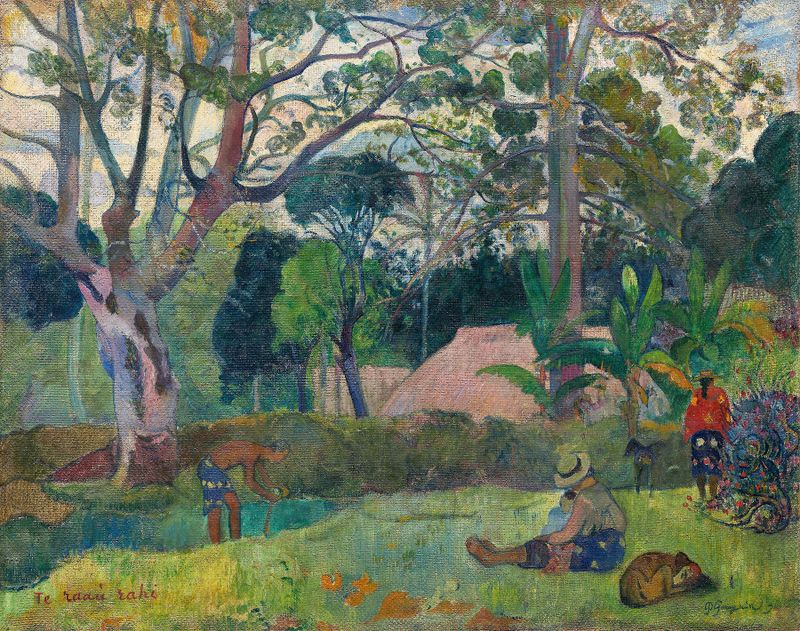
Te raau rahi (The Big Tree)
Paul Gauguin

Landscape at Le Pouldu
Paul Gauguin

Landscape of Brittany
Paul Gauguin

Poèmes Barbares
Paul Gauguin
Mahana no atua (Day of the God)
Paul Gauguin





