
The First Sejm in Łęczyca. Recording of laws. A.D. 1182 (the title is misleading, the sejm took place in — History & Facts
Few paintings have shaped Polish historical imagination as deeply as The First Sejm in Łęczyca. Recording of laws. A.D.
1182 by Jan Matejko, completed in 1888. The work’s very title is a puzzle: while it claims to depict the first “sejm” (parliament) at Łęczyca in 1182, historians now agree that the gathering was not a true sejm, but rather a council convened by Prince Casimir II the Just to secure his power after a period of civil strife. Matejko’s decision to anchor his canvas to this event reflects a 19th-century search for national identity, a time when Poland existed only in memory and hope, partitioned between empires.
The painting thus became a rallying point for Polish aspirations, blending fact and legend in a way that still sparks debate among scholars. Matejko captures the charged moment when the laws are being recorded—an act that symbolizes the birth of Polish parliamentary tradition. At the center, Prince Casimir II sits enthroned, his gesture commanding both authority and conciliation, while clerics and nobles crowd around, their faces a tapestry of ambition, suspicion, and hope. The scribe, hunched over a parchment, embodies the fragile promise of law and order.
Richly detailed costumes and banners evoke the diversity of the Polish lands, while the play of light draws the eye to the act of writing itself, underscoring the idea that history is made not only by swords, but by words. Unlike Rembrandt’s more intimate gatherings of councilors, Matejko’s scene is grand and theatrical, emphasizing the collective over the individual. Commissioned as part of a series chronicling the milestones of Polish history, The First Sejm in Łęczyca reflects Matejko’s lifelong mission to educate and inspire his compatriots through art. The painting’s medium is not always consistently recorded, but most of Matejko’s large-scale works from this period are oil on canvas.
Today, the painting resides in the Royal Castle in Warsaw, a fitting home given its subject’s foundational place in Polish political life. Over the years, it has survived wars and regime changes, its status as a national treasure never in doubt. For Matejko, this work marked a late-career synthesis of his historical vision—an ambitious attempt to paint not just an event, but the very idea of Poland itself.
More Artworks by Jan Matejko
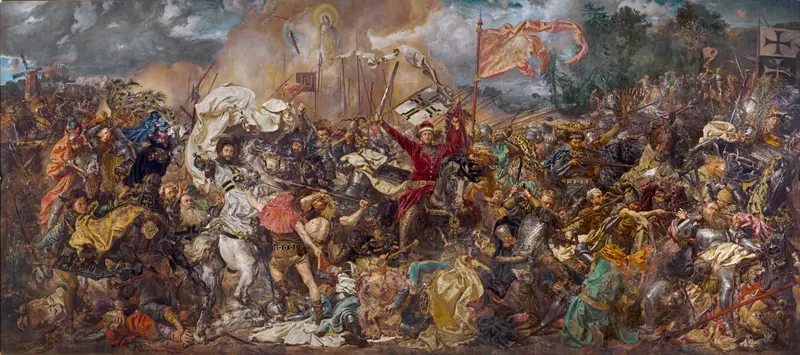
Battle of Grunwald
Jan Matejko

Stańczyk
Jan Matejko

Battle of Raclawice
Jan Matejko
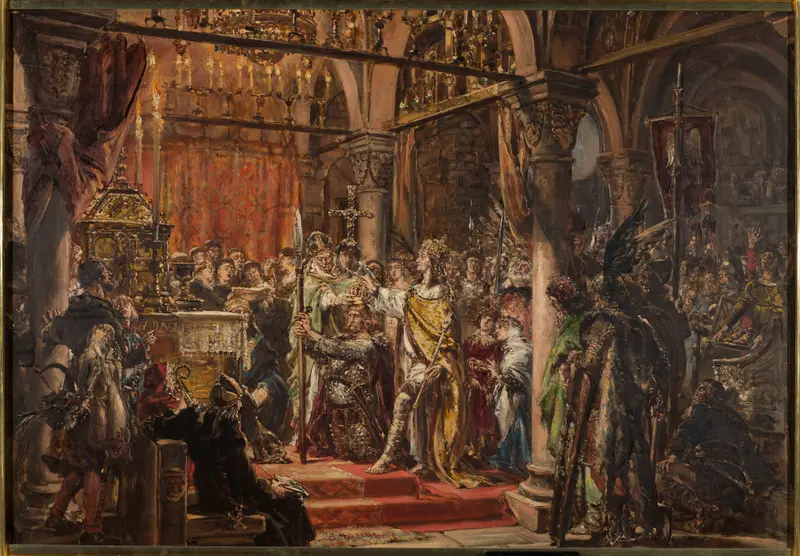
Coronation of the First King, 1001 AD, from the series “History of Civilization in Poland”
Jan Matejko
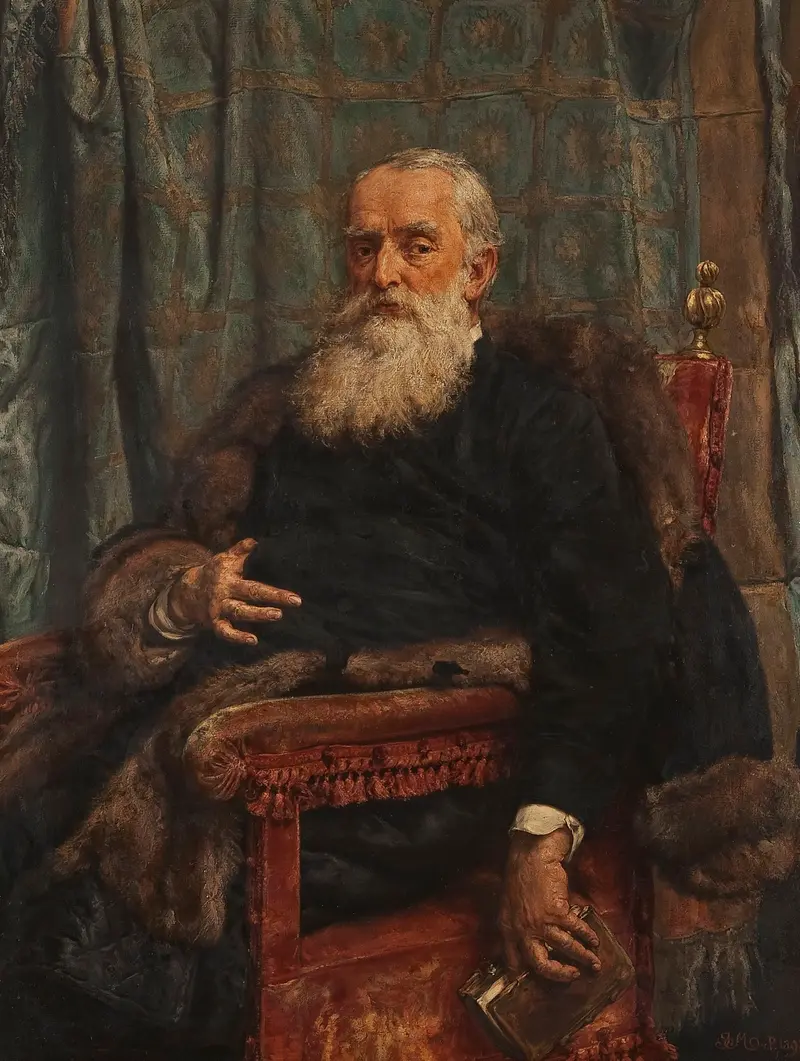
Portrait of Henryk Krajewski
Jan Matejko
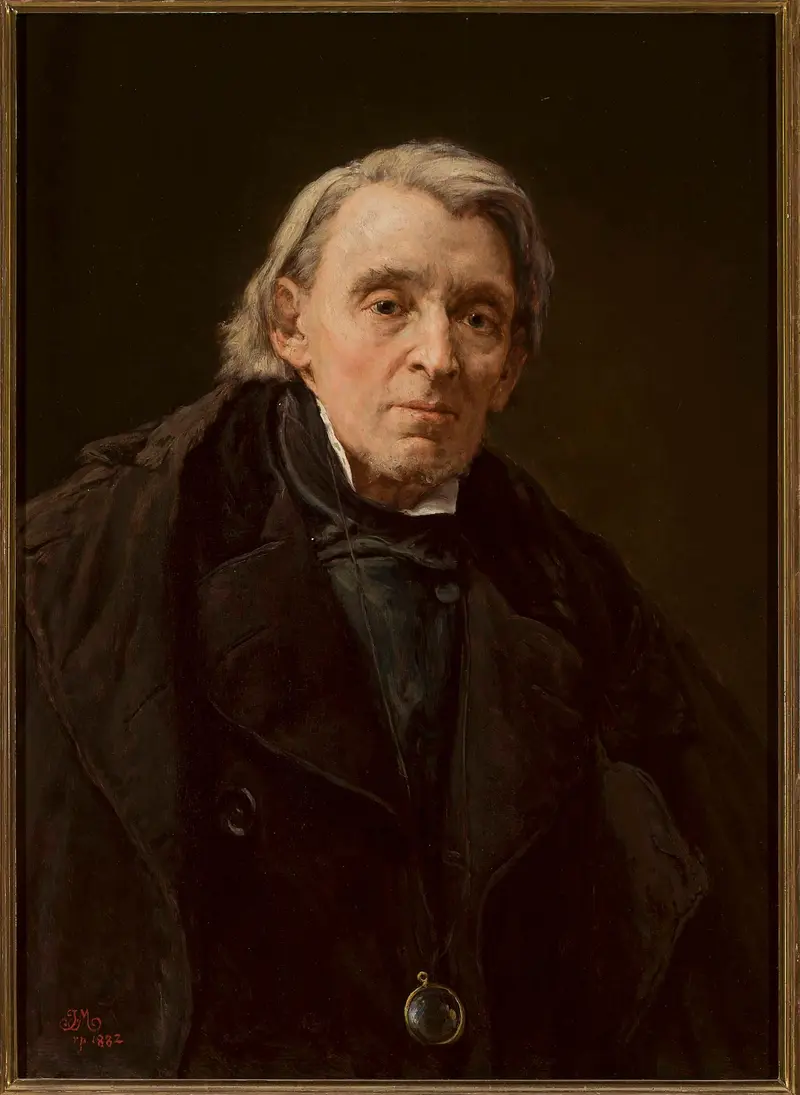
Portrait of Karol Podlewski
Jan Matejko
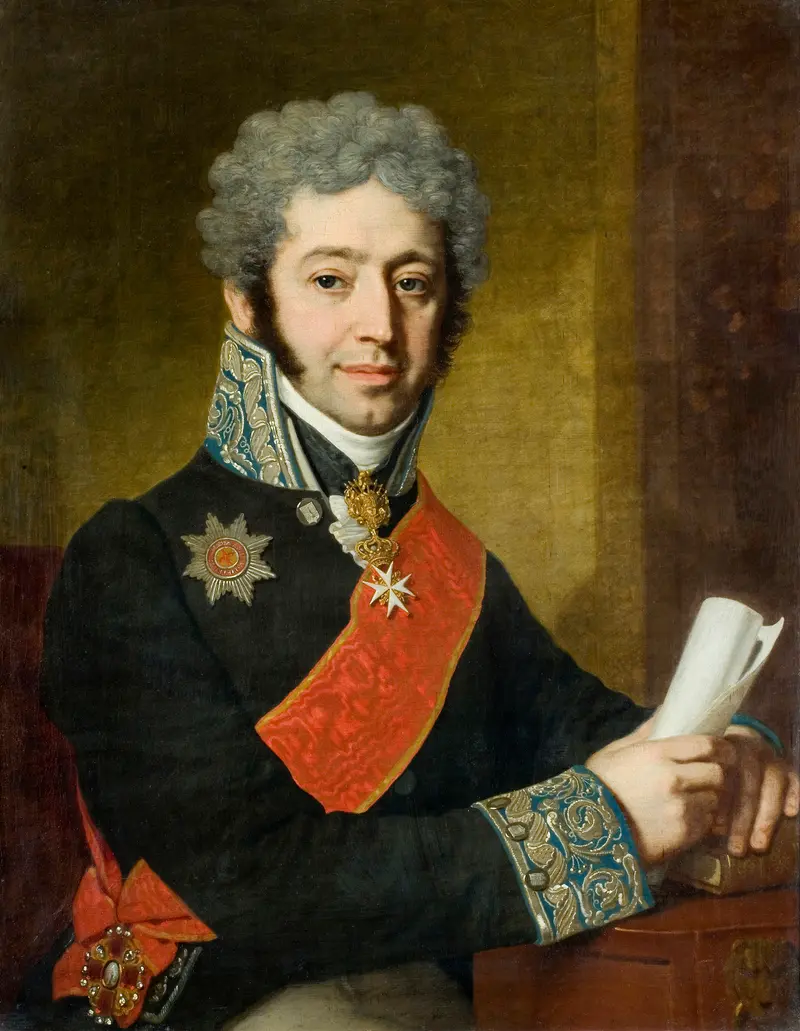
Portrait of Potocki and Poninski
Jan Matejko
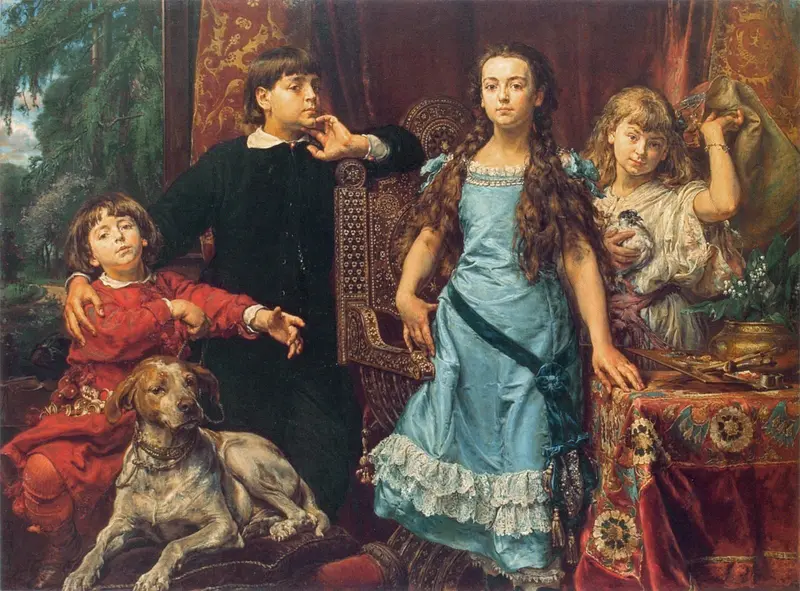
Portrait of the artist's four children
Jan Matejko
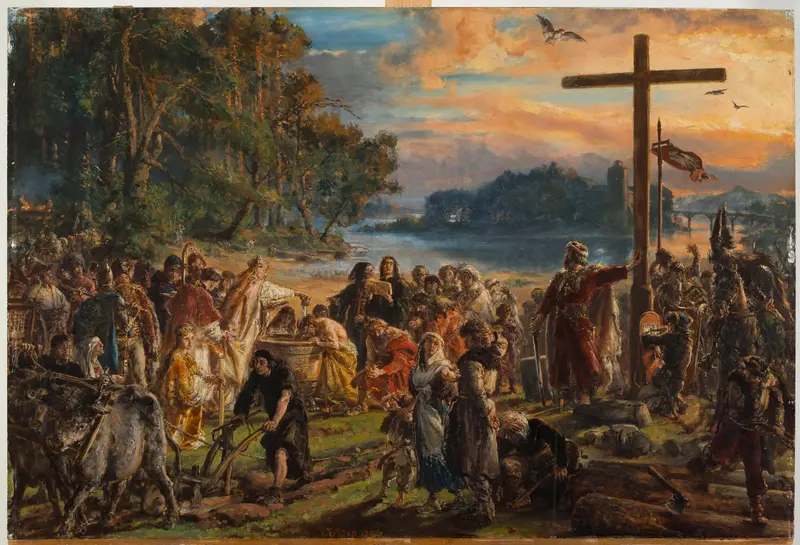
Introduction of Christianity in Poland
Jan Matejko
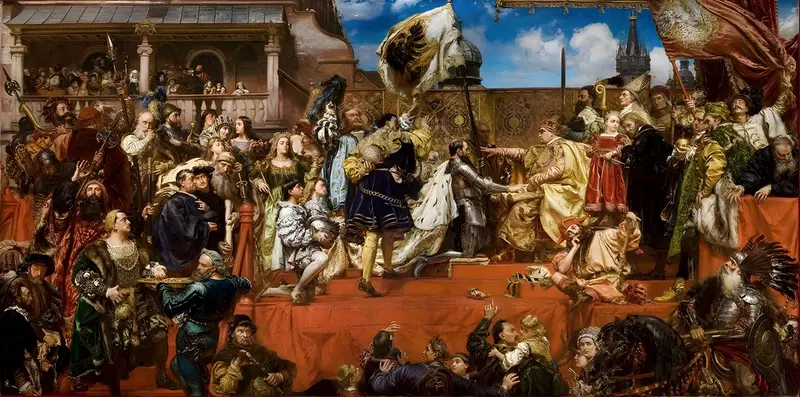
Prussian Homage
Jan Matejko





