
The First Step towards the Independence of Bahia — History & Facts
A surge of jubilation electrifies the square, where arms and hats are thrown skyward in a moment of collective release. The eye is drawn first to the rider on a white horse, his posture and raised arm signaling triumph, as the crowd converges around him in a swirl of movement and sound. The architecture frames the scene with open balconies, where onlookers lean out, echoing the fervor below.
Every gesture is charged with meaning: the wounded men in the foreground, slumped yet attentive, remind us that victory is never without cost, while the sea of faces and raised rifles stretch toward the horizon, suggesting a tide that cannot be turned back. The palette, dominated by ochres and dusty blues, bathes the scene in the hard light of midday, giving the moment a sense of clarity and resolve. Painted in 1931 by Antonio Parreiras, this work belongs to a tradition of grand historical canvases that sought to fix moments of national transformation in the public imagination. In early twentieth-century Brazil, such paintings were often commissioned for civic buildings, intended both as commemoration and as tools of education—visual declarations of identity and aspiration.
The First Step towards the Independence of Bahia now hangs in the Palácio do Rio Branco in Salvador, Bahia, a fitting home for a scene that pulses with the energy of a city in the midst of forging its future. History has kept few traces of the painting’s early reception, but its crowded composition and theatrical immediacy invite us to step into the square and feel the heat of that first, irreversible step.
More Artworks by Antonio Parreiras

The Gale
Antonio Parreiras
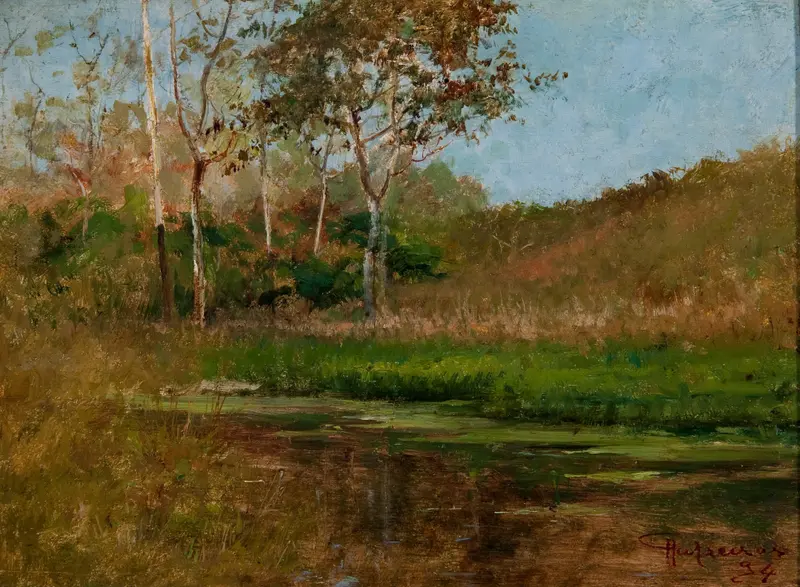
Still Water
Antonio Parreiras
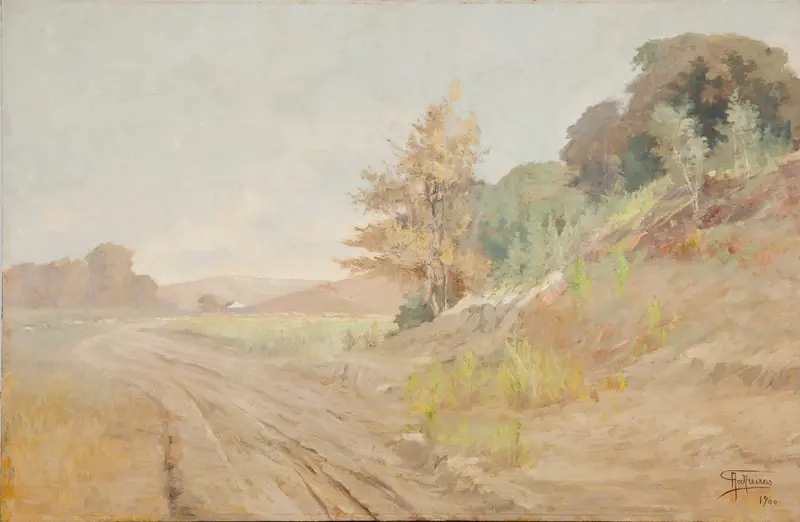
Hazy Day
Antonio Parreiras
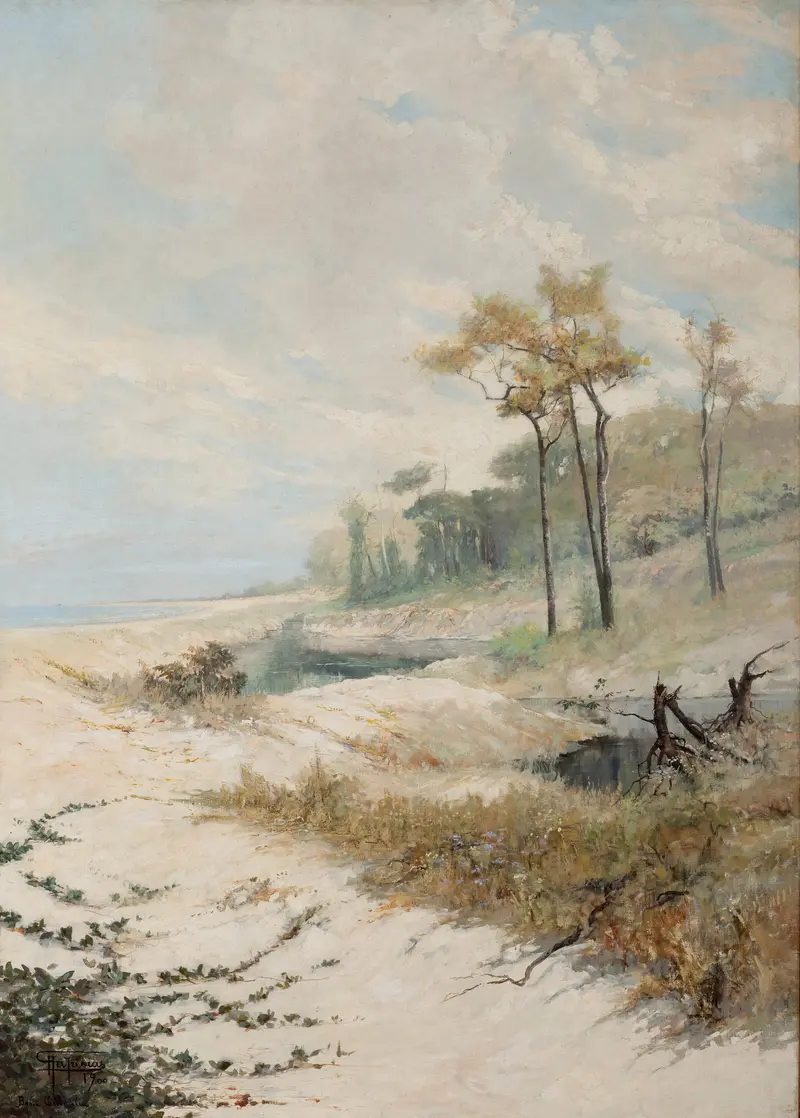
Cabrália Bay
Antonio Parreiras
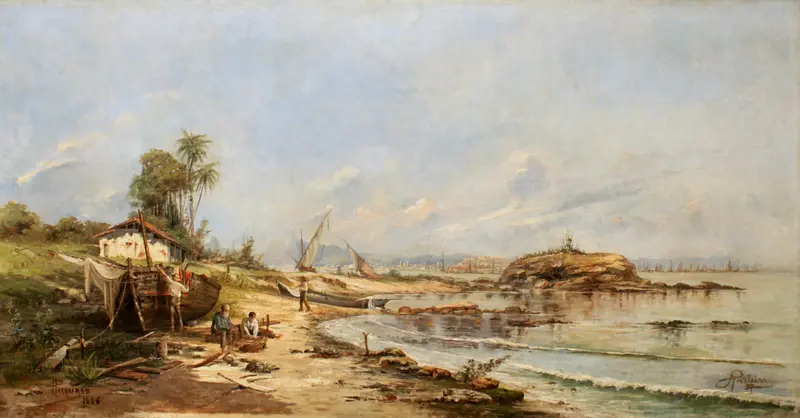
Gragoatá after the storm
Antonio Parreiras

Funeral in San Donà, Italy
Antonio Parreiras
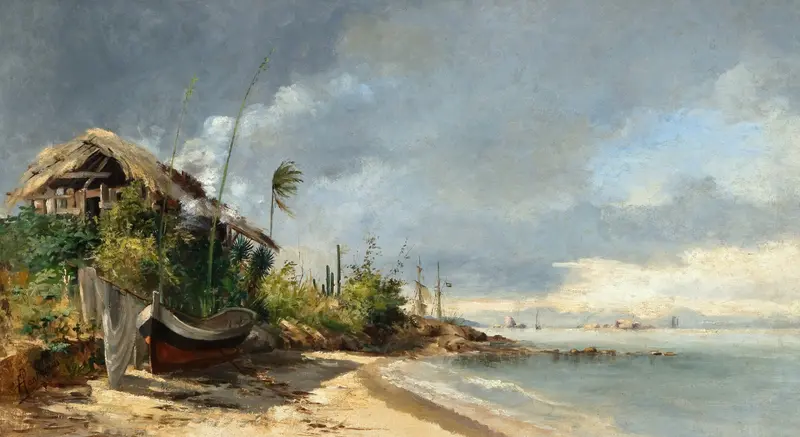
A View of the Beach, São Domingos, Niterói, RJ
Antonio Parreiras
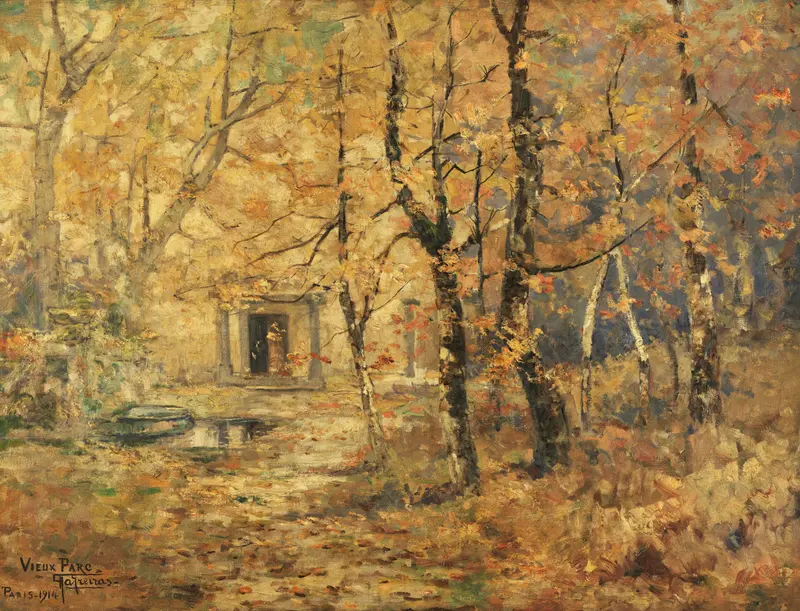
Vieux Parc, Paris
Antonio Parreiras
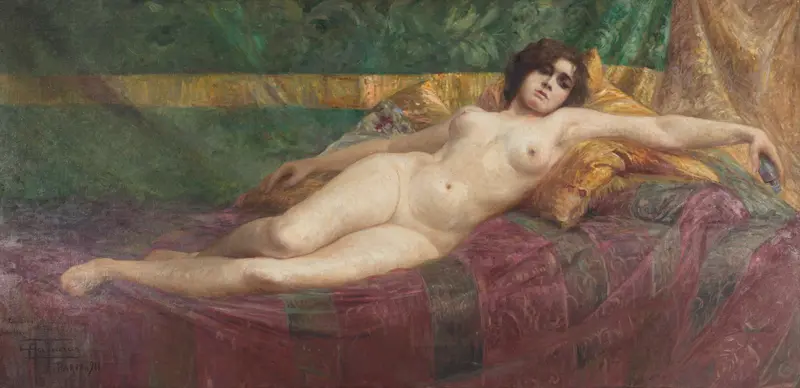
Sorrowful
Antonio Parreiras
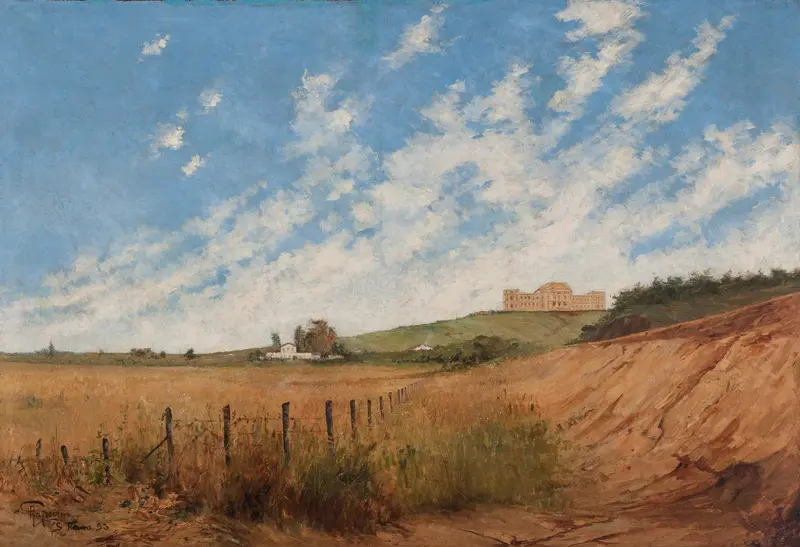
Paisagem do Campo do Ipiranga
Antonio Parreiras





