
The Five Windmills — History & Facts
When did color learn to lie? In The Five Windmills, the hues dance with an unexpected vibrancy, suggesting a world alive with motion and possibility. Focus on the dynamic swirls of blue and green that fill the canvas; they evoke a gentle breeze brushing over the landscape. Notice how the windmills stand as silent sentinels, their blades caught mid-spin, rendered with a masterful brushstroke that suggests both strength and fragility. The sky above, a riot of soft pastels, contrasts beautifully with the earthy tones of the fields below, bringing an almost surreal quality to this pastoral scene. As you delve deeper, explore the interplay between nature and human endeavor.
The windmills symbolize innovation against the backdrop of an untamed landscape, capturing the tension between progress and tradition. Small details, like the way the light glimmers off the blades, hint at a moment suspended in time, where energy and tranquility coexist. The scene speaks to the transient beauty of the moment, inviting reflection on the relentless march of change. Jacob Maris painted The Five Windmills in 1878, during a period of intense experimentation in Dutch landscape painting.
This era saw artists breaking away from rigid forms, embracing color and movement to express the fleeting nature of life. At this time, Maris was developing his personal style, influenced by the Impressionists, who were reshaping the art world with their focus on capturing light and atmosphere.
More Artworks by Jacob Maris
Browse all →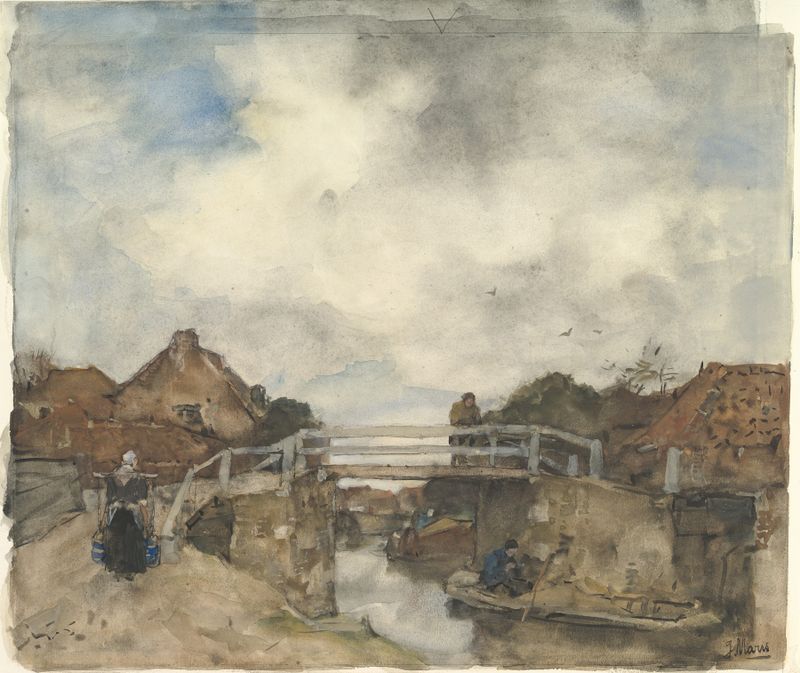
Dutch Canal, Rijswijk
Jacob Maris
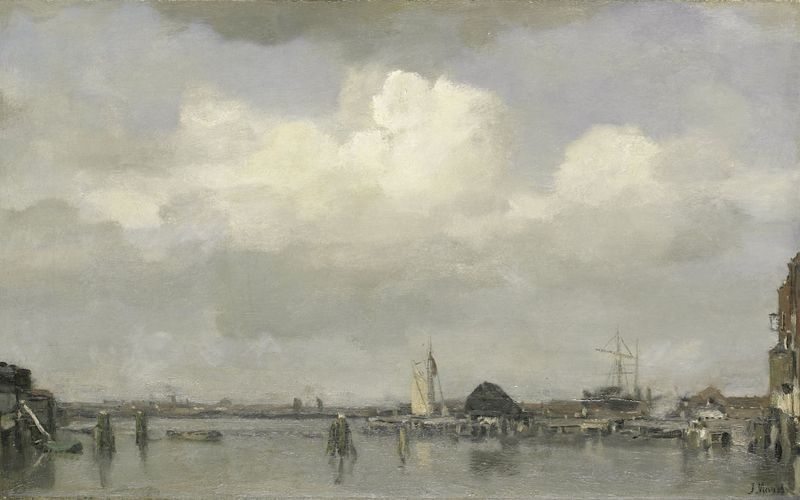
Havengezicht
Jacob Maris
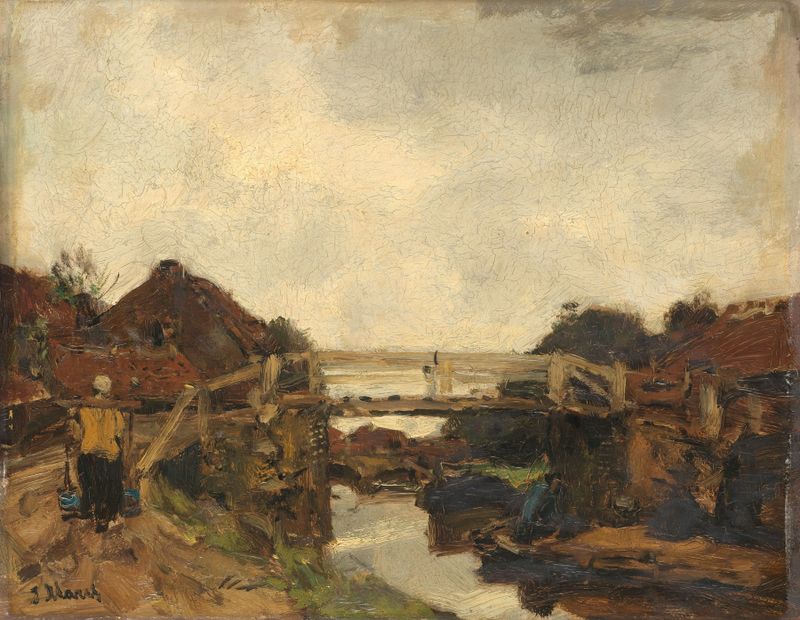
Wooden Bridge across a Canal at Rijswijk
Jacob Maris
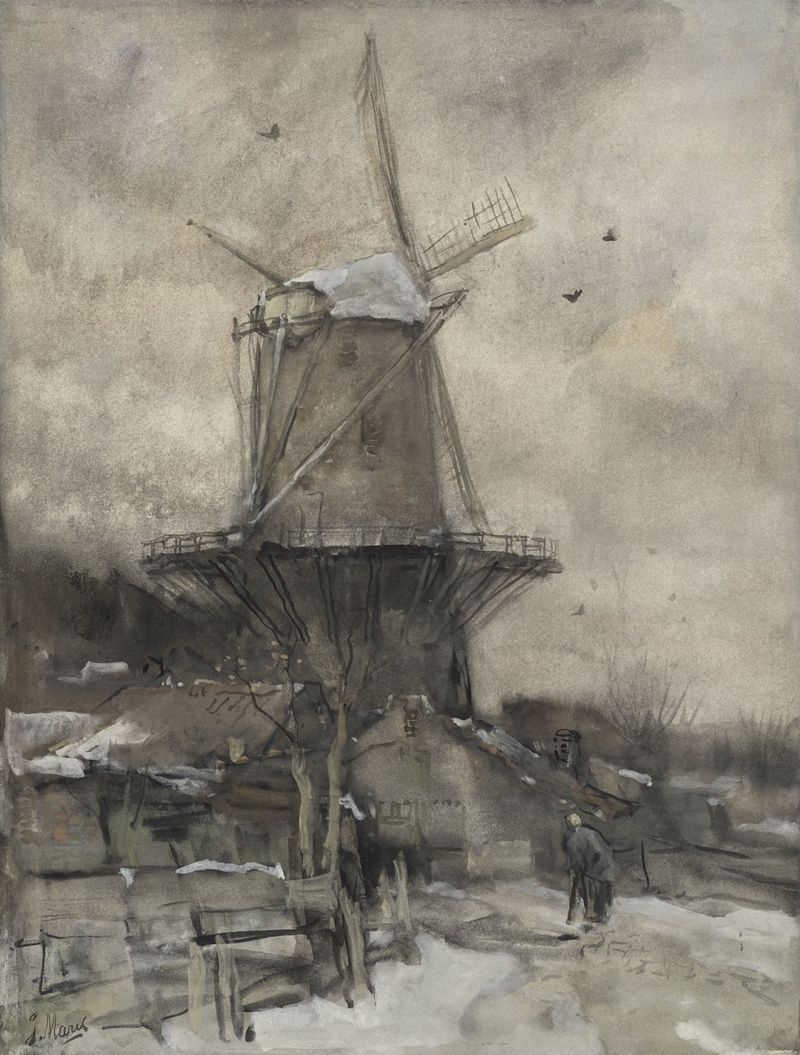
Een molen in de winter
Jacob Maris
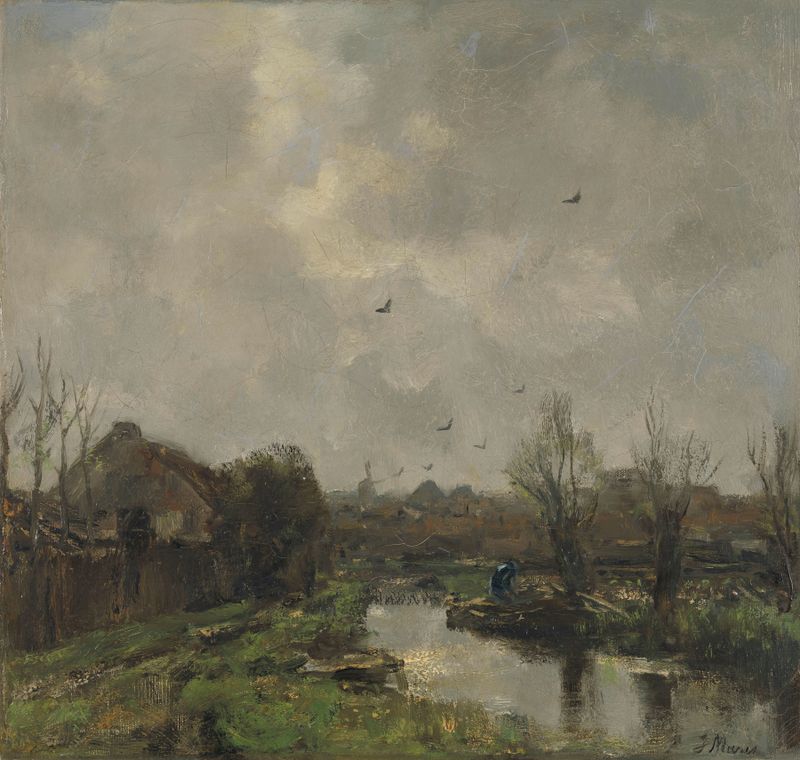
Landschap in de omgeving van Den Haag
Jacob Maris
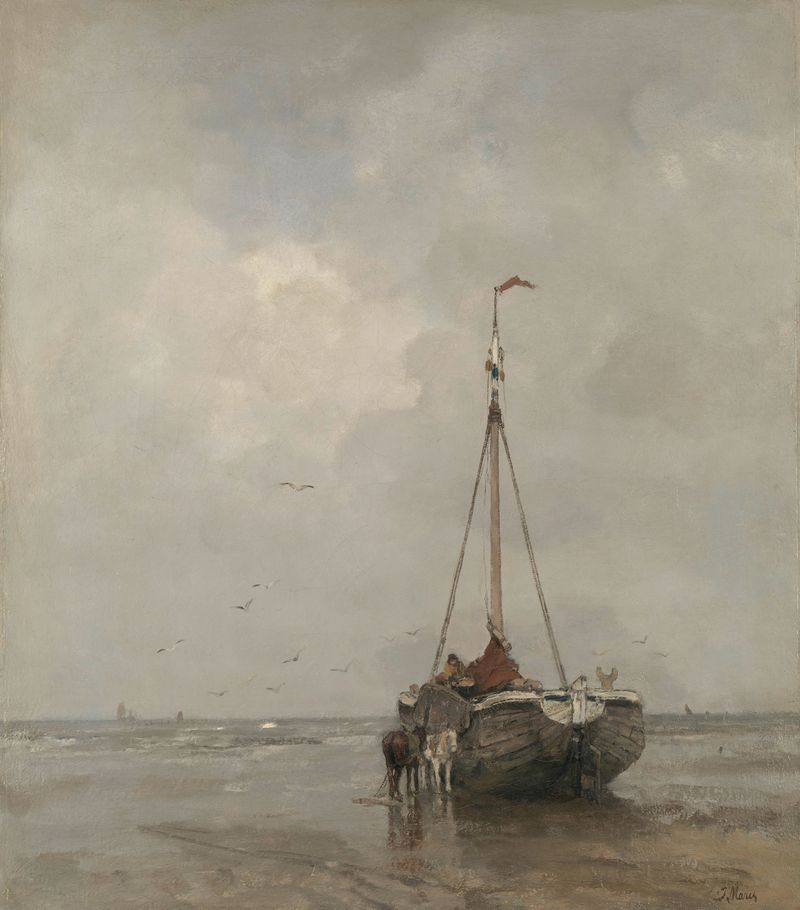
Bluff-bowed Fishing Boat on the Beach at Scheveningen
Jacob Maris
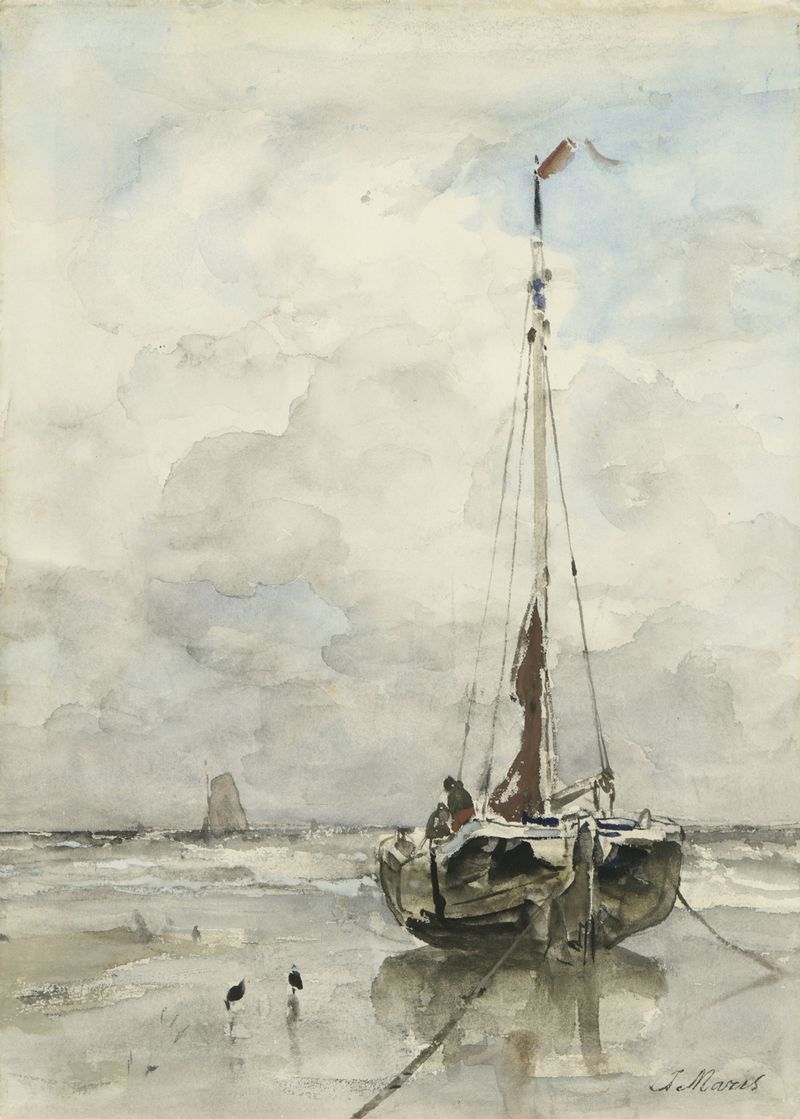
Visserspink aan het strand
Jacob Maris
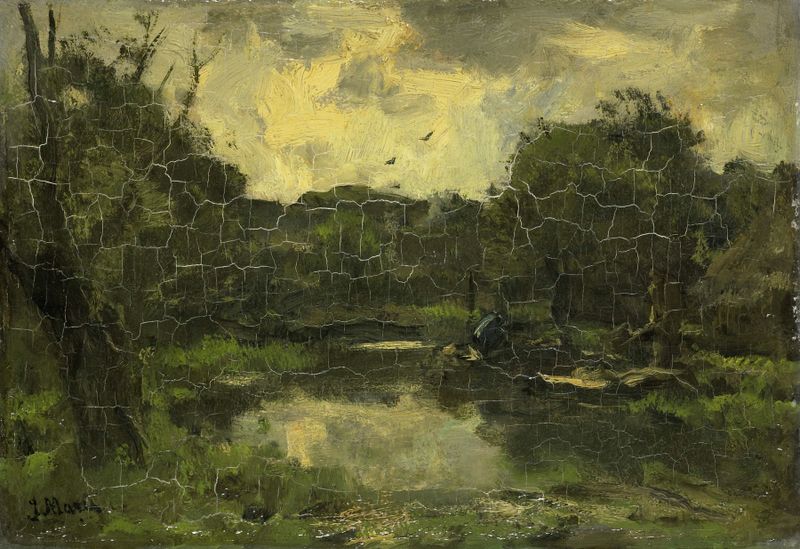
Landschap met schuit
Jacob Maris
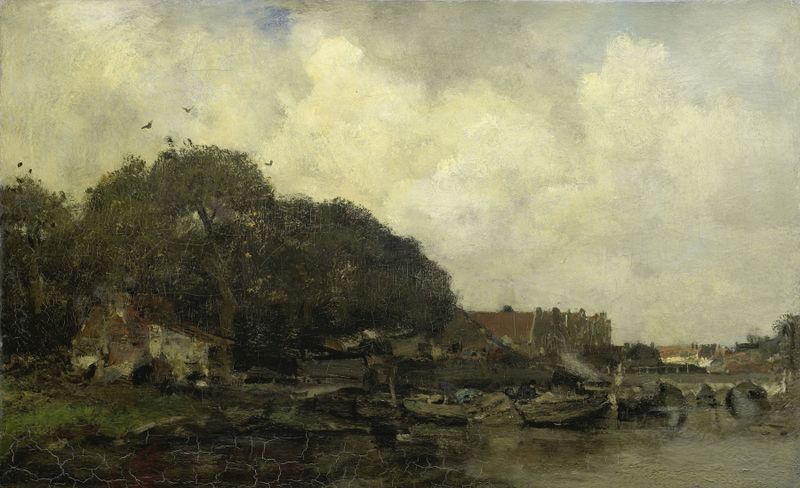
Havengezicht
Jacob Maris
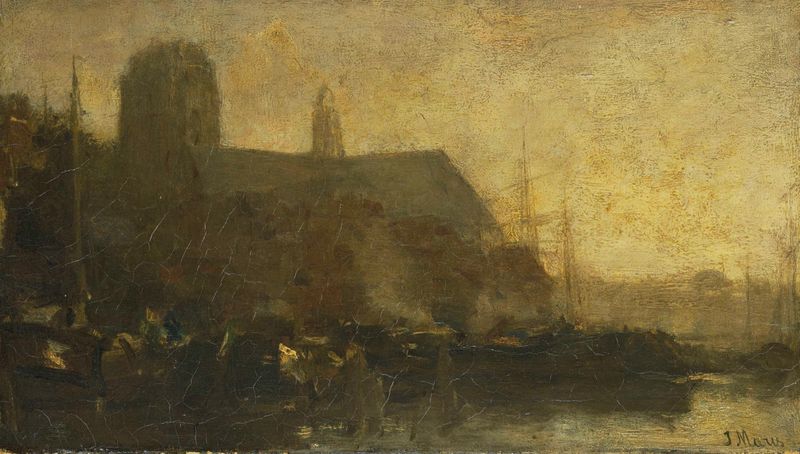
Schepen in de haven van Dordrecht
Jacob Maris





