
The Flying Dutchman; Act III, The Ecstasy of Senta and the Dutchman — History & Facts
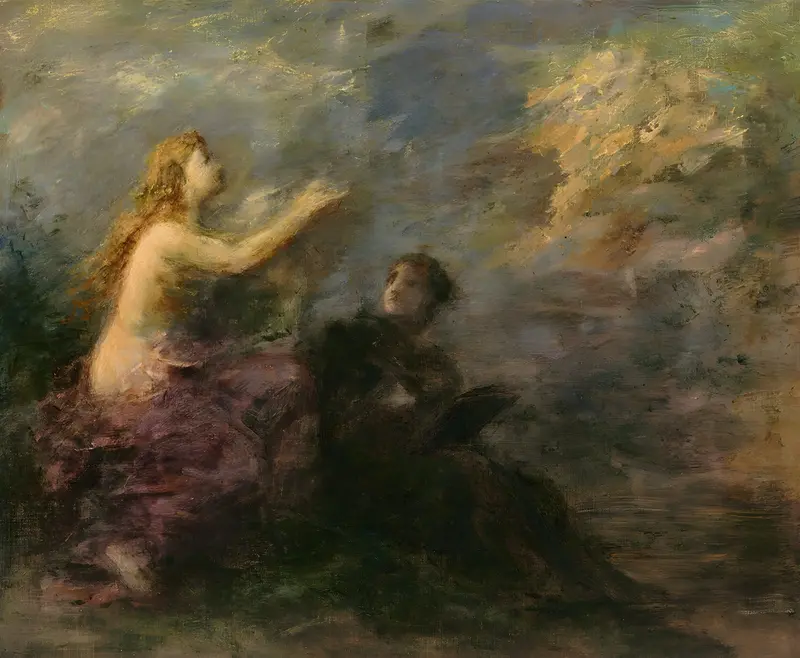
In The Flying Dutchman; Act III, The Ecstasy of Senta and the Dutchman, vibrant colors dominate the canvas. Senta, dressed in flowing garments, is depicted in a moment of intense emotion, reaching out towards the Dutchman. The Dutchman, shrouded in dark tones, stands in contrast to her brightness.
The setting suggests a tumultuous sea, enhancing the dramatic tension of the scene. The painting is executed in oil on canvas, showcasing Fantin-Latour's skill in blending colors and creating depth. The figures are rendered with a focus on expression, capturing the emotional weight of the moment. Light plays a crucial role, illuminating Senta while casting shadows on the Dutchman.
The overall composition draws the viewer's eye towards the central interaction between the two figures. Henri Fantin-Latour was known for his depictions of romantic themes and operatic subjects. This work, inspired by Wagner's opera, reflects his interest in dramatic narratives. An interesting fact about this painting is that it was created during a period when Fantin-Latour was exploring the intersection of visual art and music.
The painting exemplifies his ability to convey emotion through color and form.
More Artworks by Henri Fantin-Latour
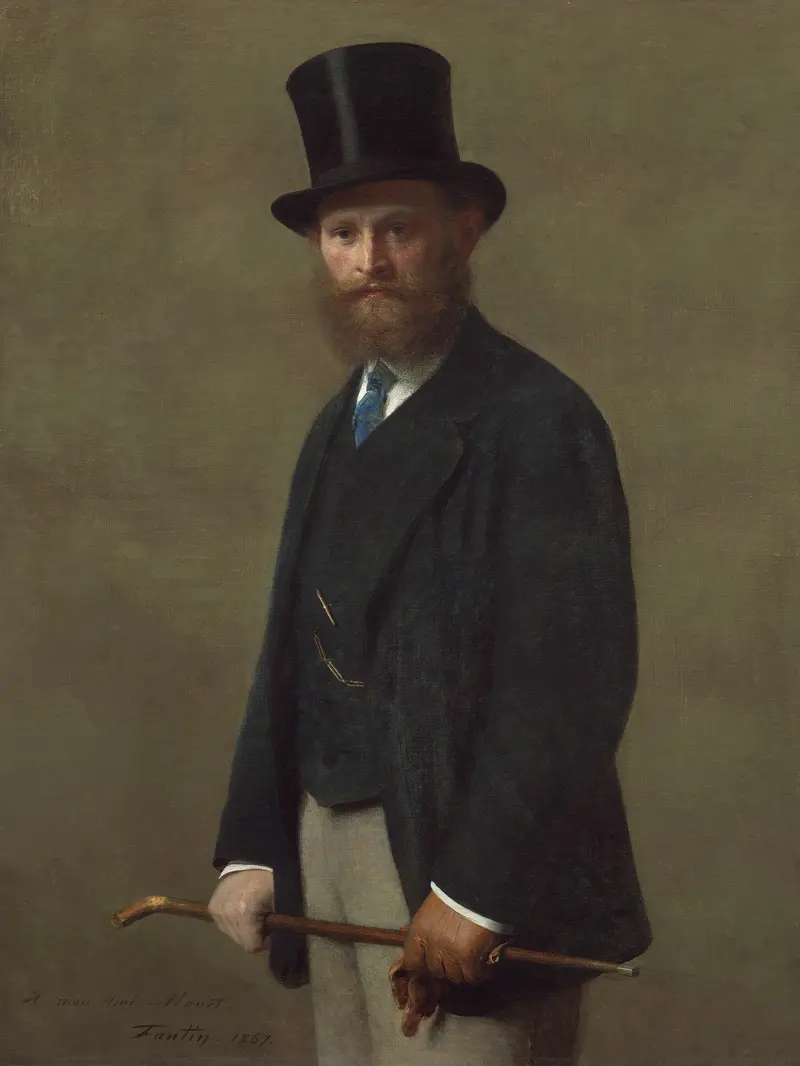
Édouard Manet
Henri Fantin-Latour
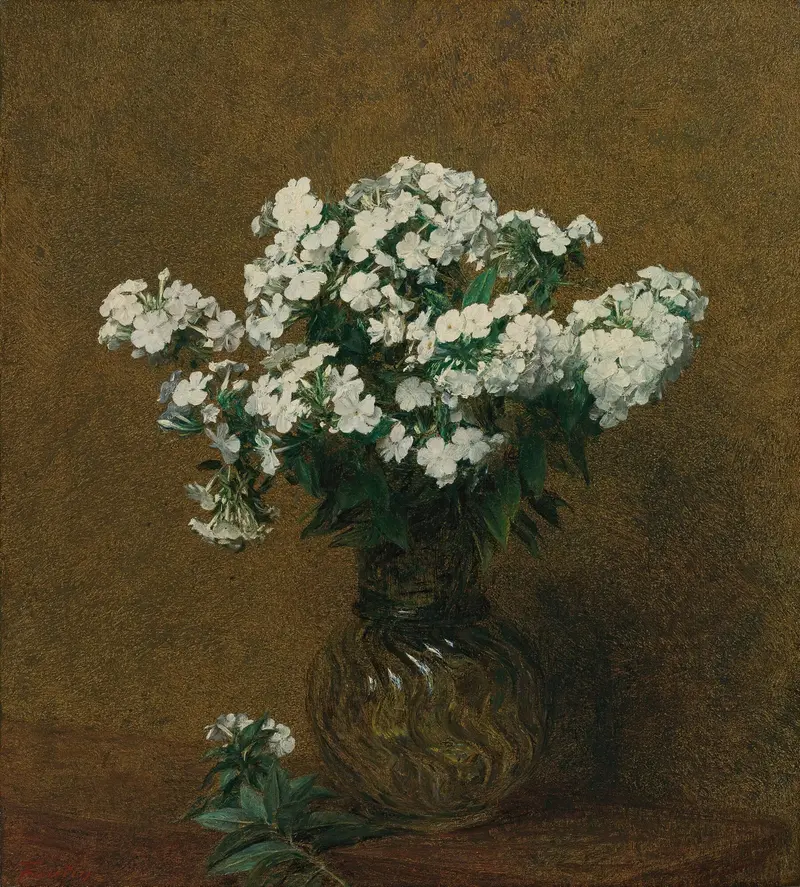
Phlox Blancs Dans Un Vase
Henri Fantin-Latour
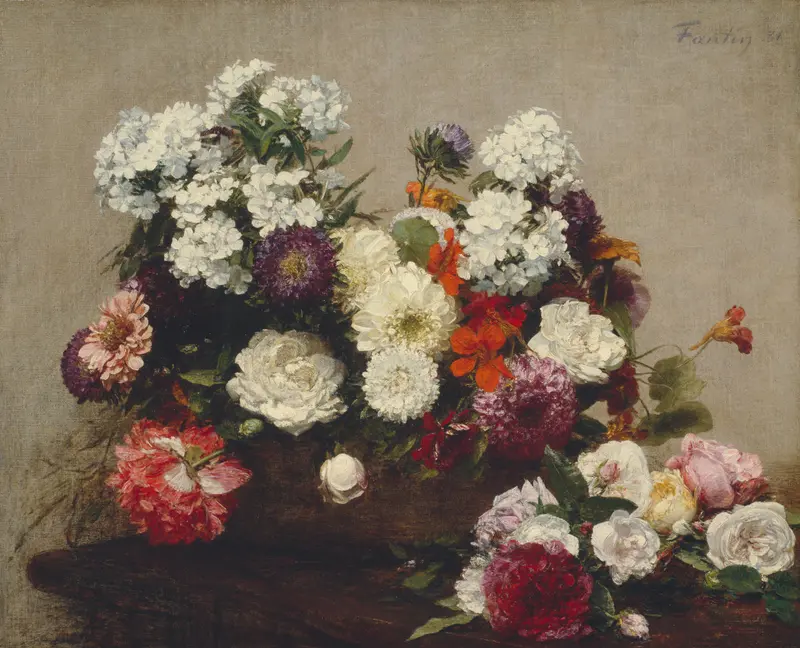
Still Life with Flowers
Henri Fantin-Latour
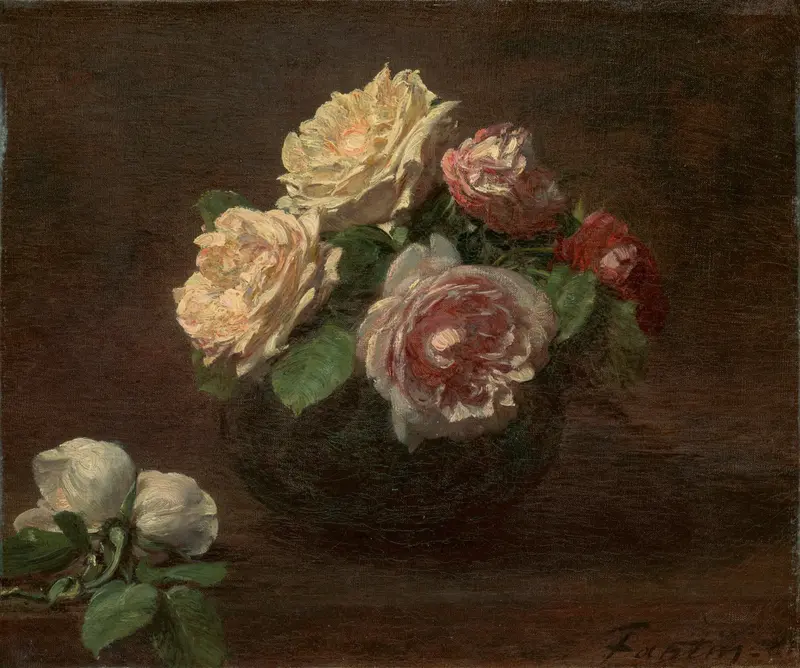
Roses in a Bowl
Henri Fantin-Latour
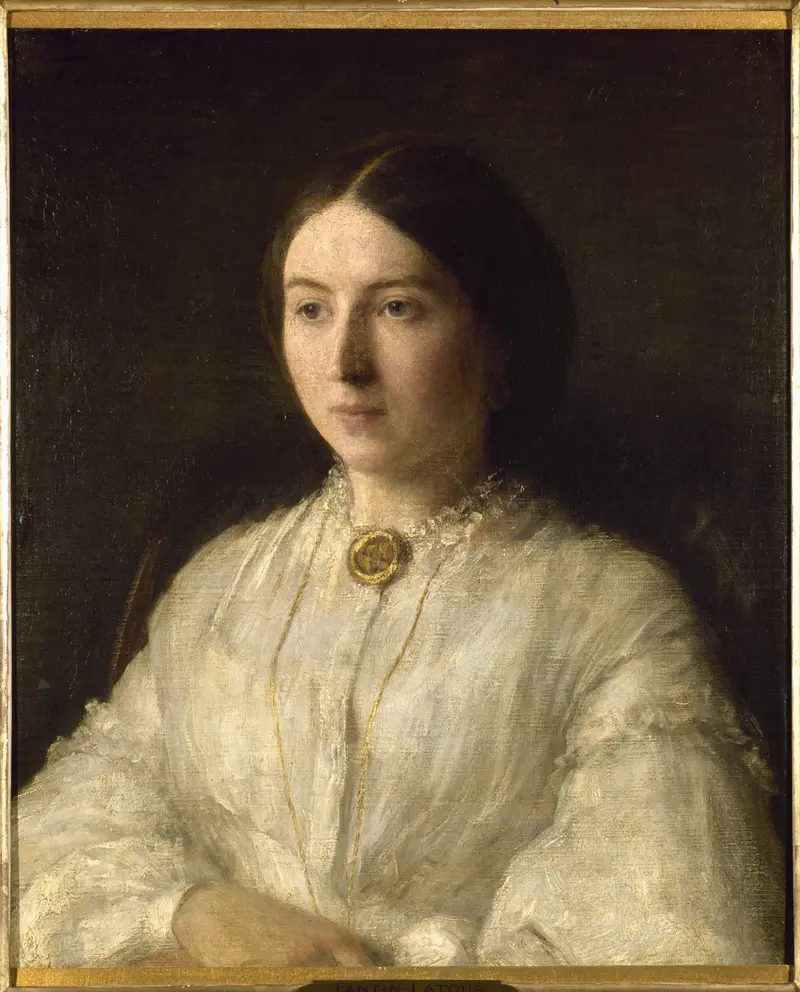
Portrait de Mme Edwin Edwards
Henri Fantin-Latour
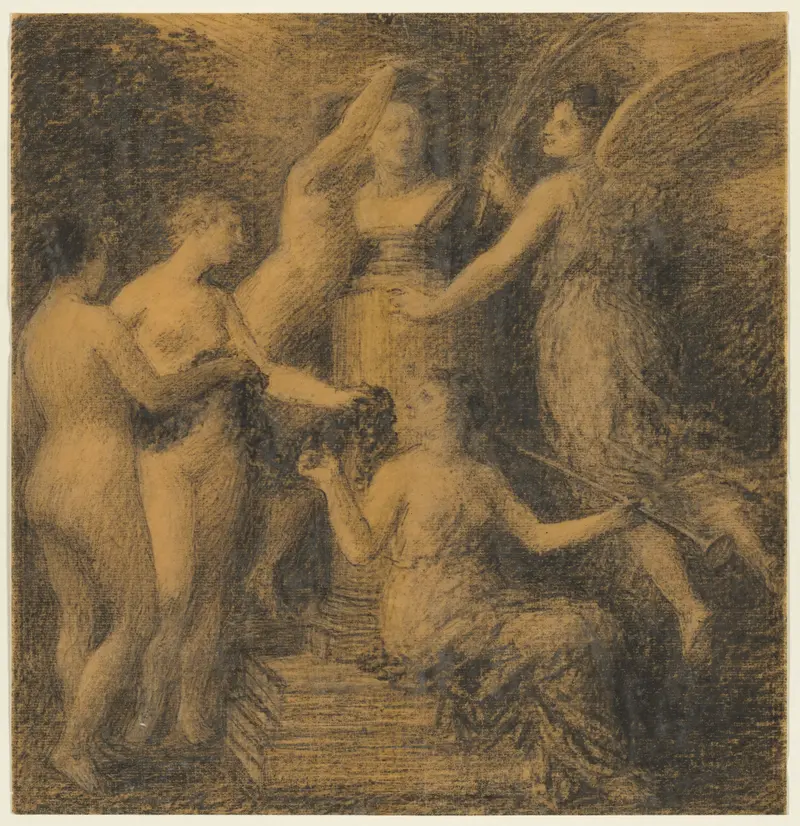
Homage to Rossini
Henri Fantin-Latour
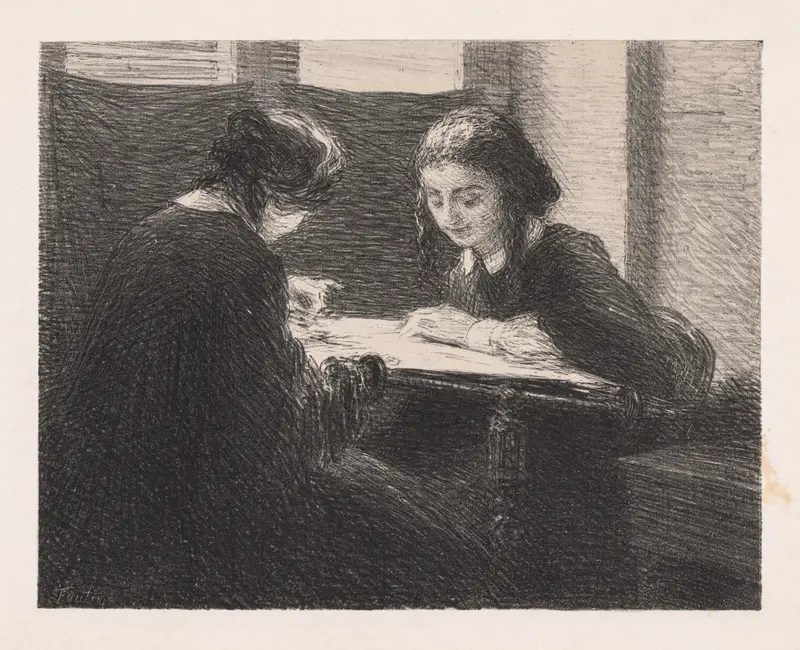
The Embroideres (Les Brodeuses)
Henri Fantin-Latour
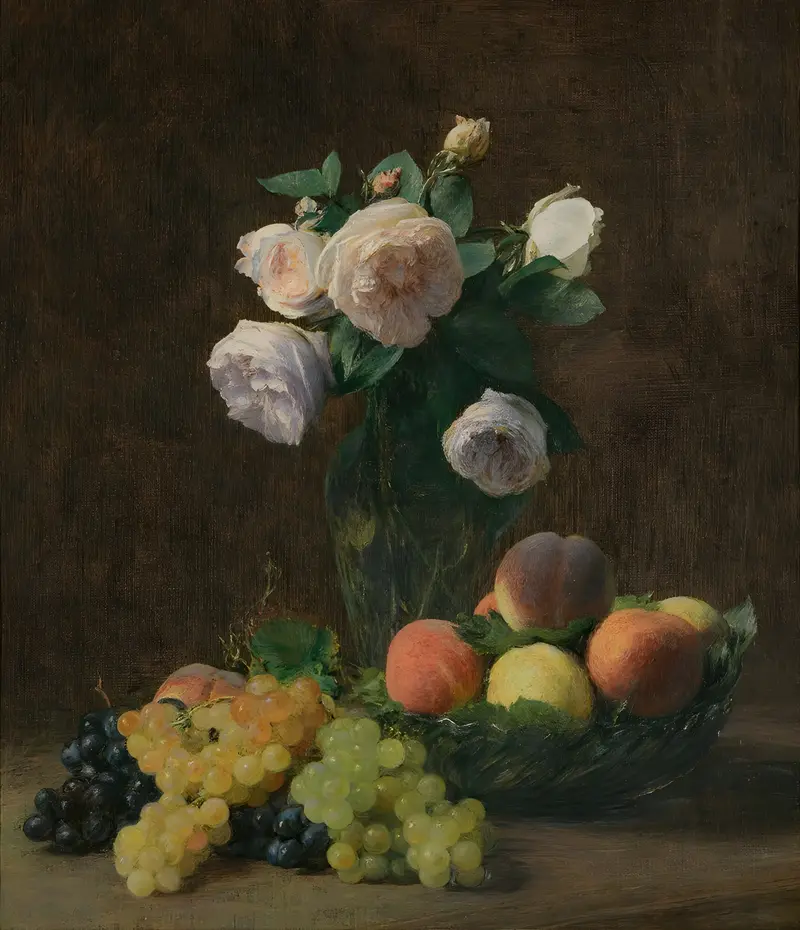
Nature Morte; Vase De Roses, Pêches Et Raisins
Henri Fantin-Latour
Inspiration
Henri Fantin-Latour
Nude study
Henri Fantin-Latour





