
The fo spouting fountain. — History & Facts
When did color learn to lie? The vibrant hues of a seemingly serene scene often conceal a deeper longing, whispering secrets between the brushstrokes. Look to the left, where the fo spouting fountain dances with vivacity, its water splashing joyfully against the backdrop of lush greenery. Notice how the sunlight filters through the leaves, casting dappled shadows that play upon the surface of the water, enhancing every shimmering droplet. The painter employs a rich palette of greens and blues, blending them effortlessly to create a sense of depth and movement.
This masterful technique draws the eye into the heart of the fountain, where the joyous chaos of water serves as a contrast to the calmness of the surrounding landscape. As your gaze wanders, consider the juxtaposition of joy and solitude presented in the piece. The lively fountain, emblematic of celebration, stands in poignant contrast to the stillness of the empty bench nearby, suggesting an absence that speaks to unfulfilled desires. This tension between vibrancy and quietude evokes an emotional resonance, as if the scene itself longs for company, a shared moment of happiness that remains just out of reach. In 1869, Castro crafted this work during a period of personal exploration and artistic growth, influenced by the burgeoning movements of Romanticism.
Working in an era that embraced both the beauty of nature and the complexity of human emotion, he sought to capture the essence of longing—a theme prevalent in his life and times. The interplay of light and color in The fo spouting fountain reveals not just a picturesque moment but also a profound reflection on the human experience.
More Artworks by C. Castro
Browse all →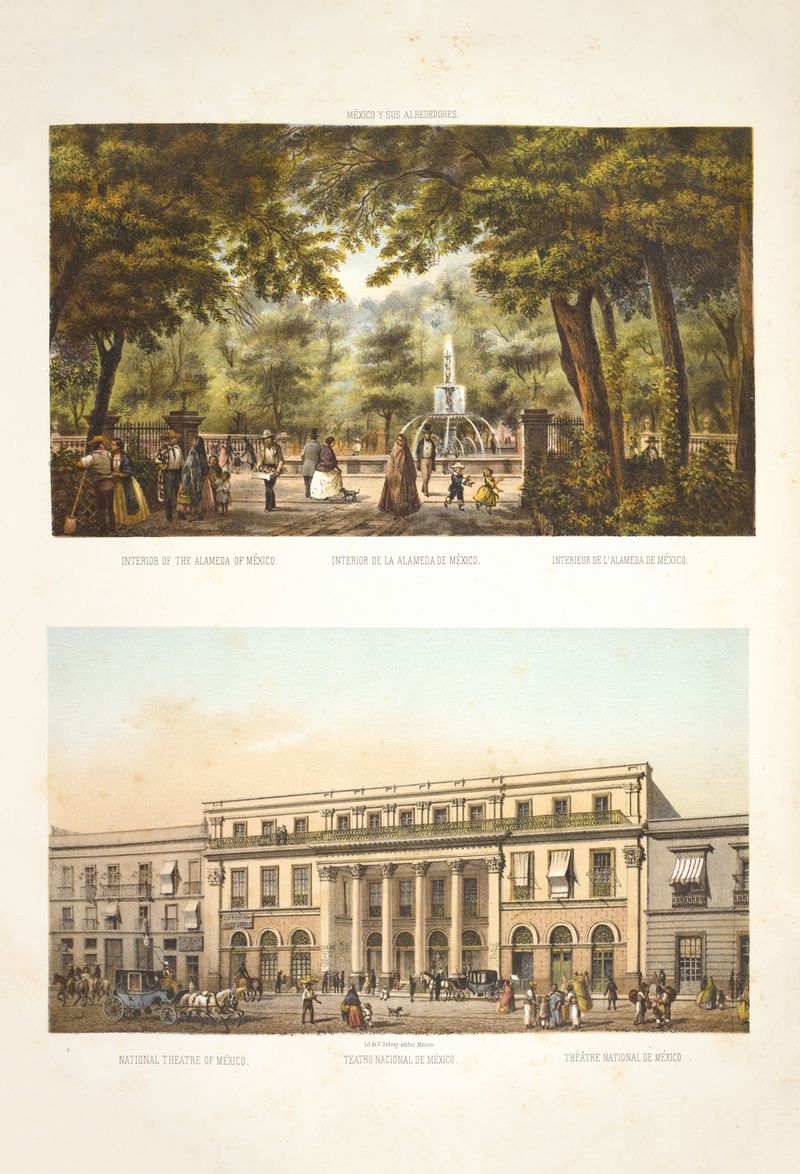
Interior of the Alameda of Mexico ; National Theatre of Mexico.
C. Castro
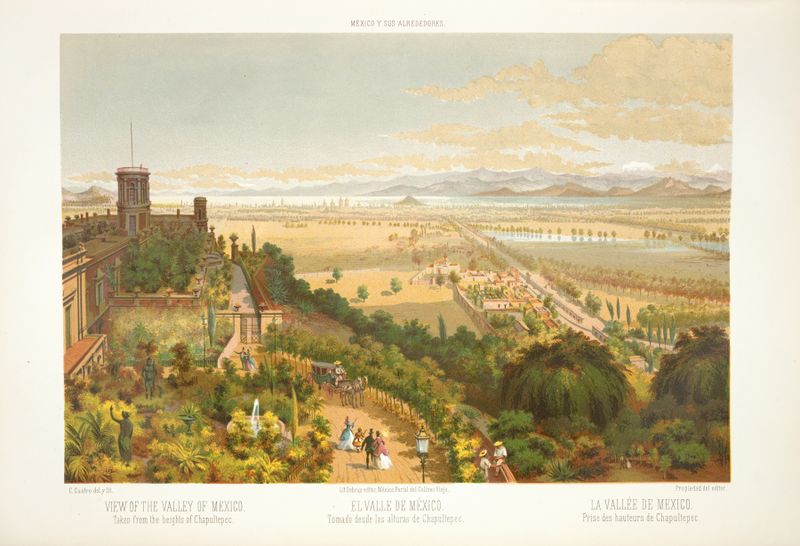
View of the Valley of Mexico, taken from the heights of Chapultepec.
C. Castro
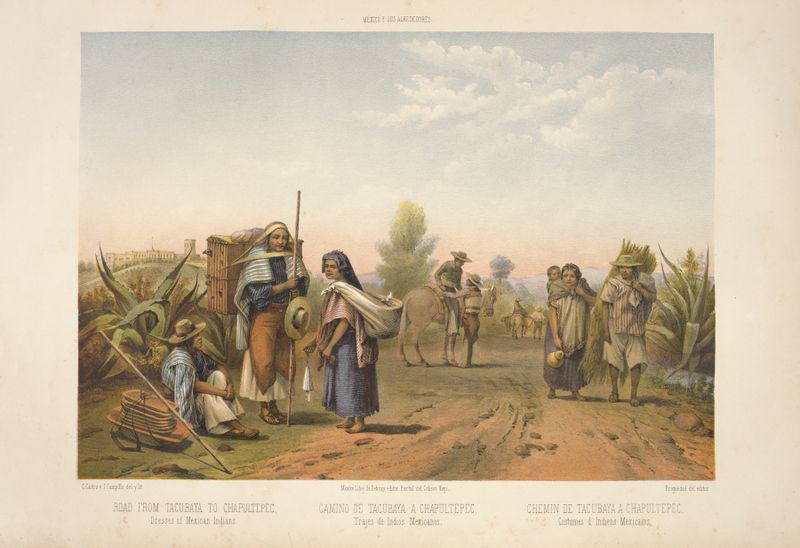
Road from Tacubaya to Chapultepec, dresses of Mexican Indians.
C. Castro
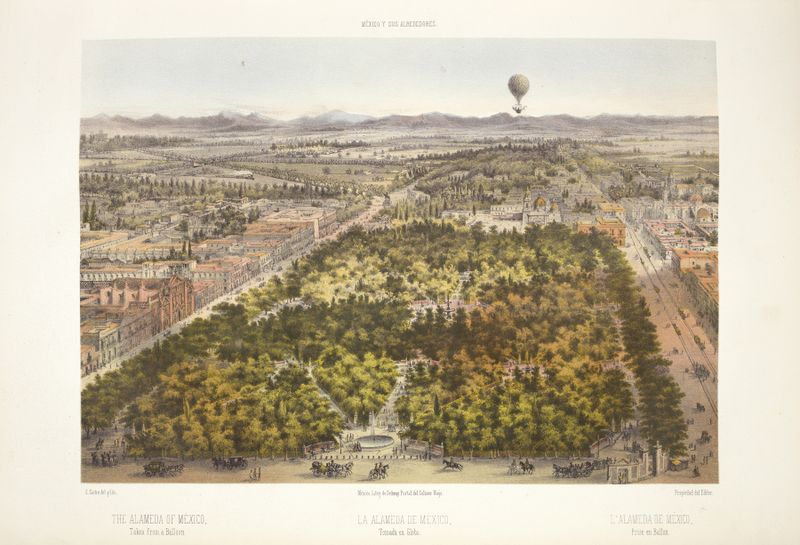
The Alameda of Mexico, taken from a balloon.
C. Castro
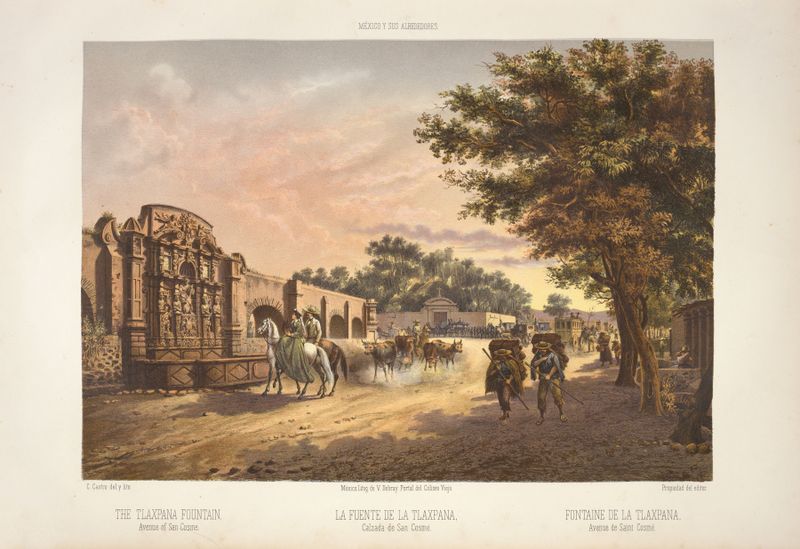
The Tlaxpana fountain, Avenue of San Cosme.
C. Castro
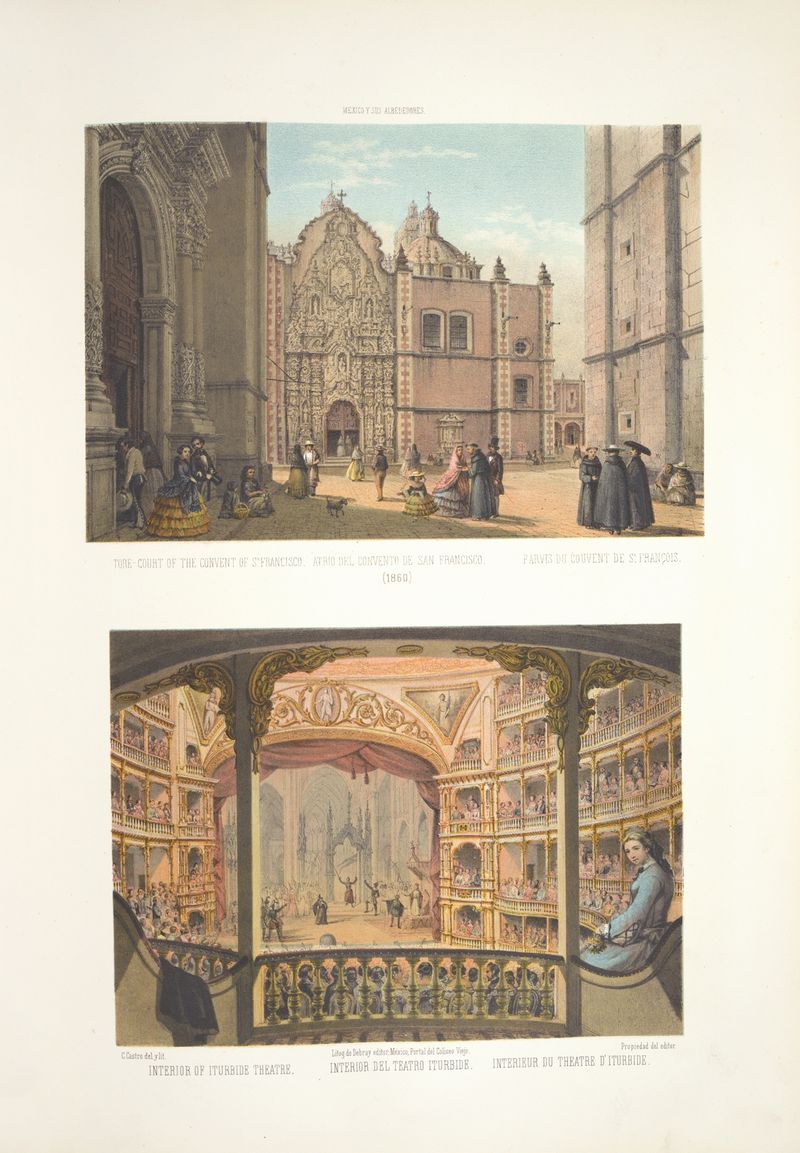
Tore-court of the convent of St. Francisco ; Interior del Teatro Iturbide
C. Castro
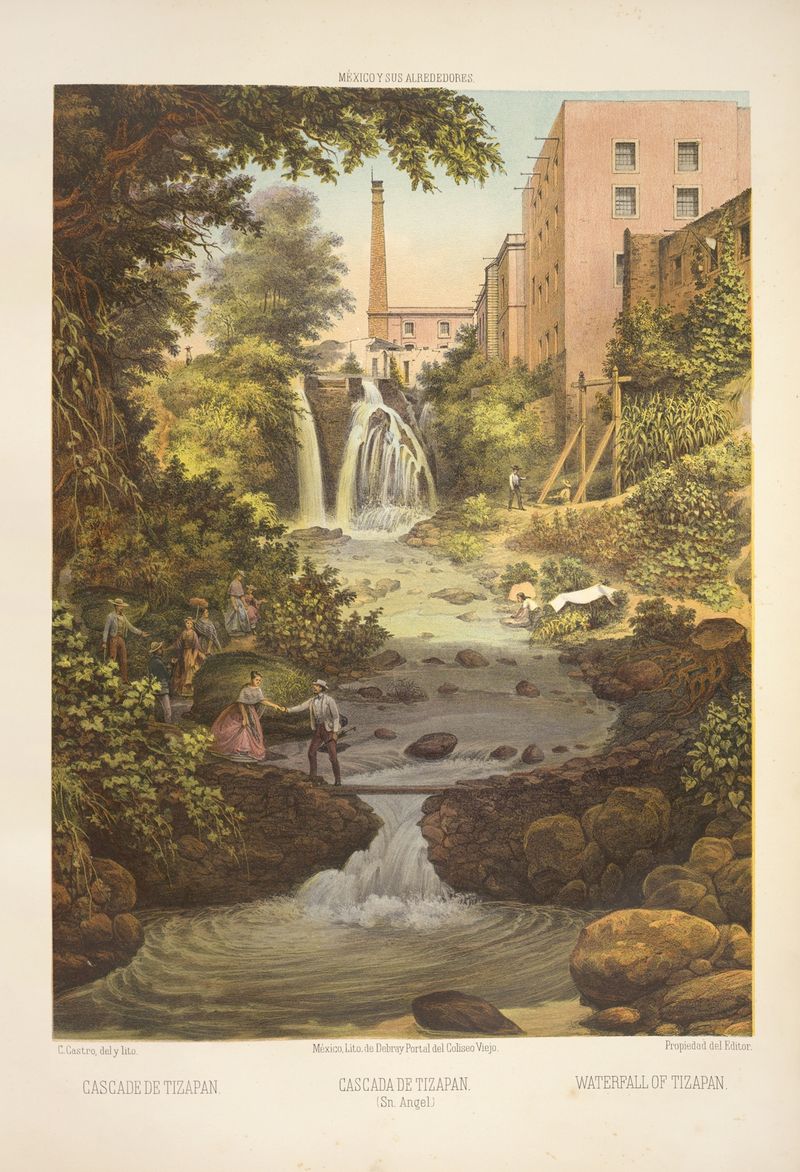
Waterfall of Tizapan
C. Castro
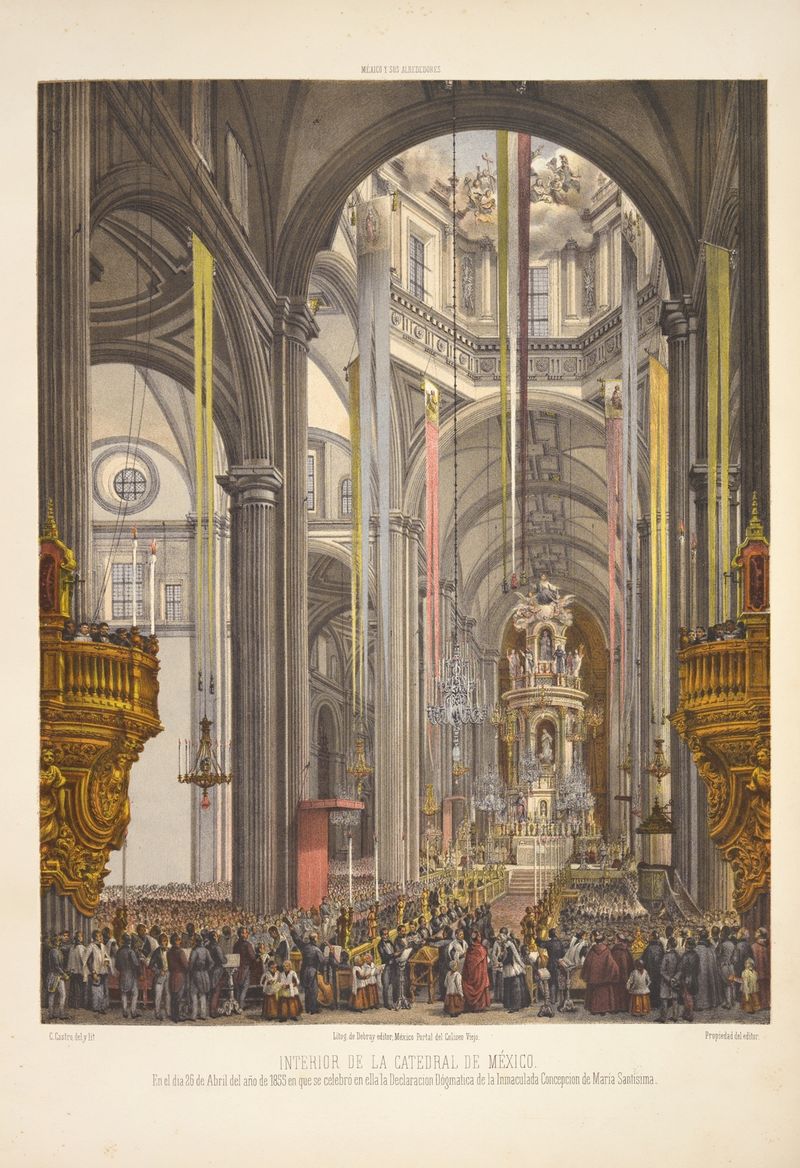
Interior de la Catedral de México. En el dia 26 de Abril del año de 1855 en que se celebró en ella la Declaracion Dógmatica de la Inmaculada Concepcion de María Santisima.
C. Castro
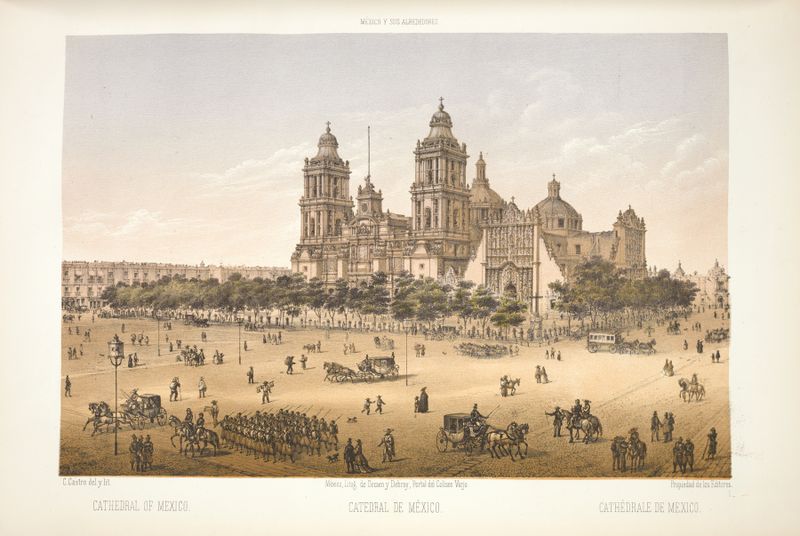
Cathedral of Mexico.
C. Castro
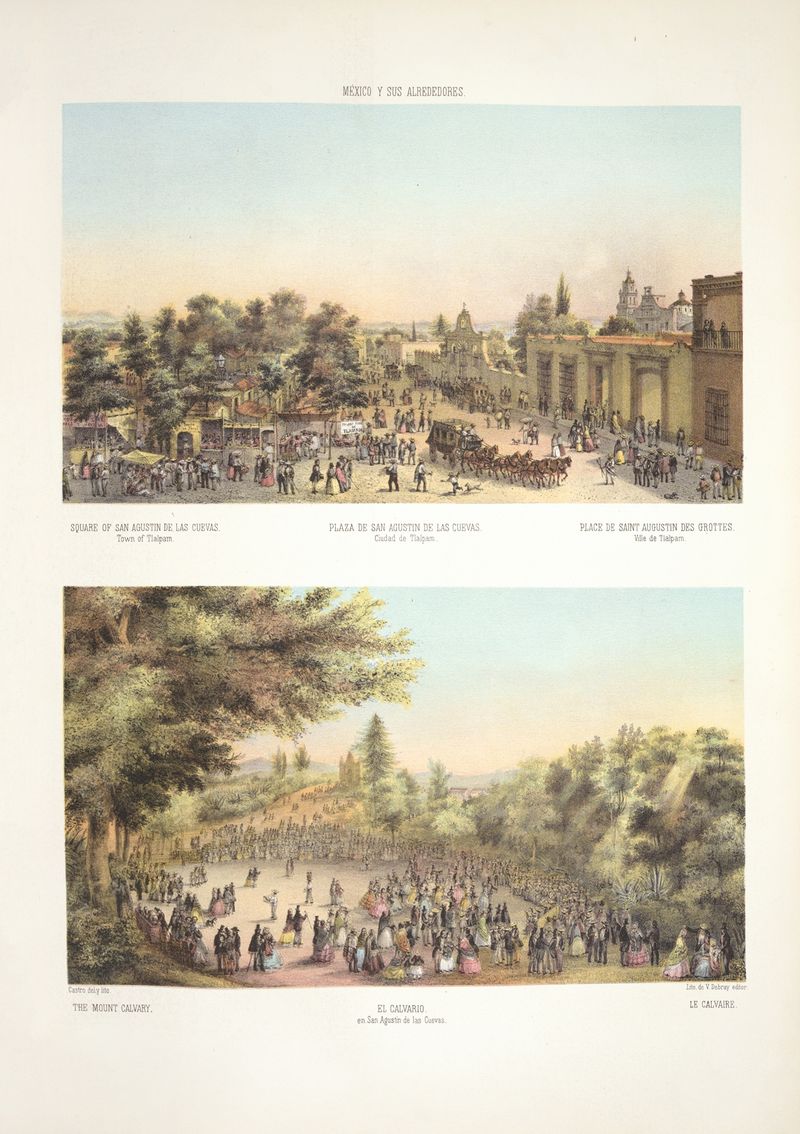
Square of San Agustin de las Cuevas, town of Tlalpam ; The Mount Calvary.
C. Castro





