
The Forest of Fontainebleau — History & Facts
In The Forest of Fontainebleau, the viewer is greeted by a lush, vibrant landscape filled with rich greens and earthy browns. Tall trees dominate the scene, their leaves creating a dappled effect of light and shadow on the forest floor. The painting captures the tranquility of nature, inviting the viewer to wander through the serene environment.
Soft brushstrokes enhance the sense of depth and movement within the foliage. This artwork is executed in oil on canvas, a medium that allows for rich color and texture. The dimensions are approximately 80 x 100 cm, making it a substantial piece that commands attention. The artist employs a Romantic style, emphasizing the beauty and emotional resonance of the natural world.
The use of light and shadow is particularly noteworthy, creating a dynamic interplay that brings the forest to life. Narcisse-Virgile Diaz de La Peña was a prominent figure in the French Romantic movement, known for his landscapes that celebrate nature's beauty. The Forest of Fontainebleau showcases his ability to capture the essence of the forest, a subject he frequently explored. An interesting fact about this work is that it reflects the artist's admiration for the Fontainebleau forest, which was a popular site for artists in the 19th century.
This painting not only represents a specific location but also embodies the Romantic ideals of nature and emotion.
More Artworks by Narcisse-Virgile Diaz de La Peña
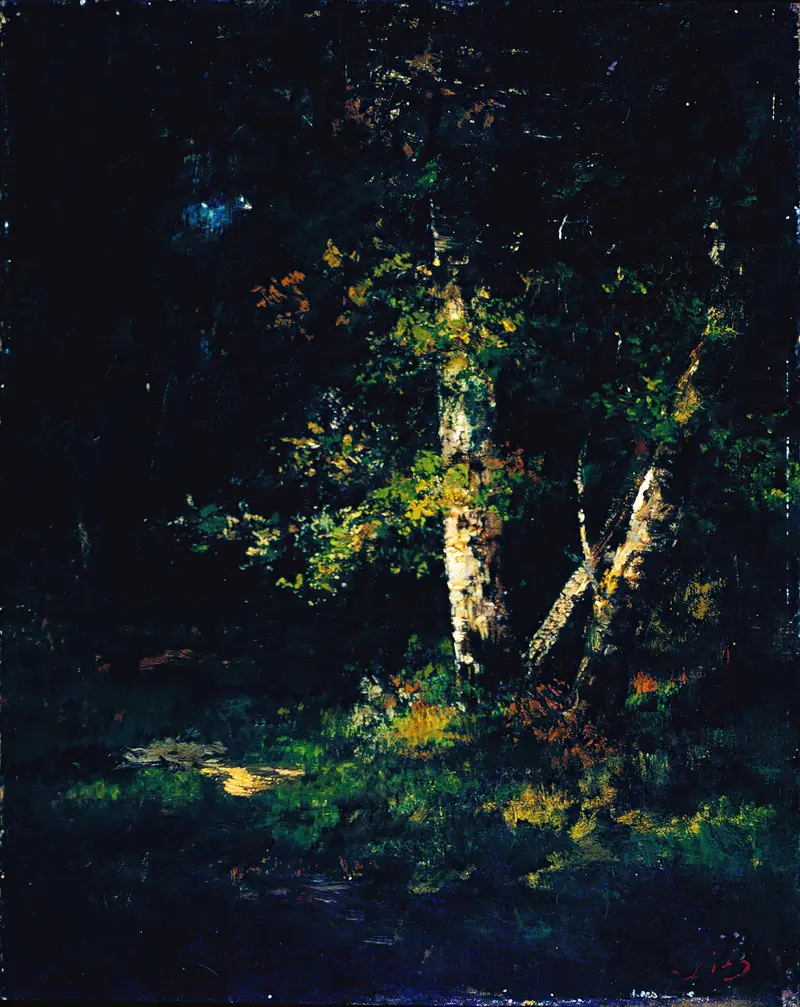
Forest Scene
Narcisse-Virgile Diaz de La Peña
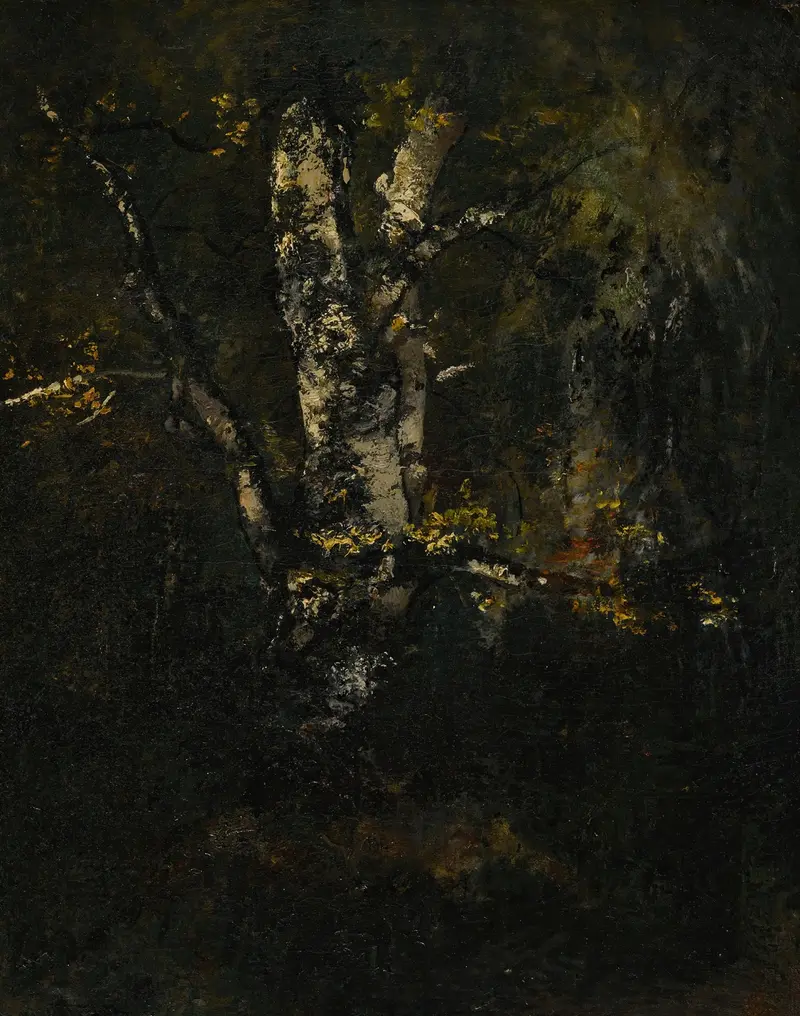
Vieux Troncs De Hêtres
Narcisse-Virgile Diaz de La Peña
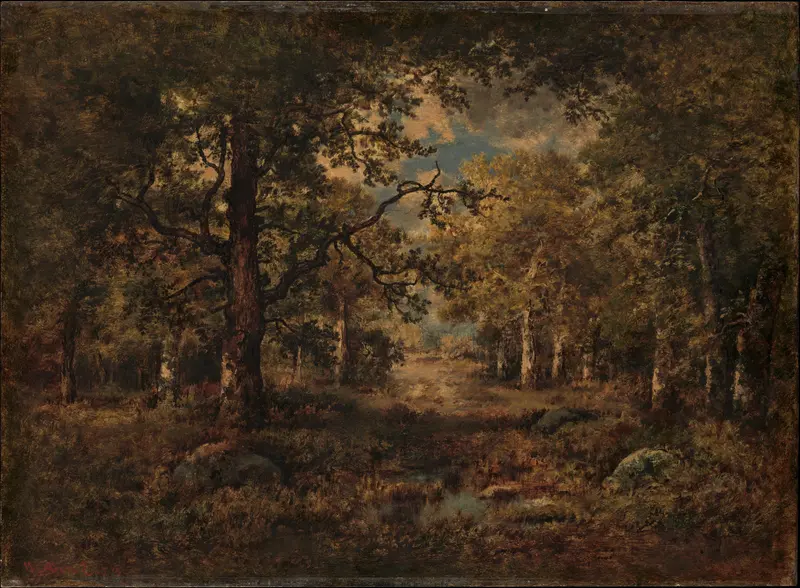
A Vista through Trees; Fontainebleau
Narcisse-Virgile Diaz de La Peña
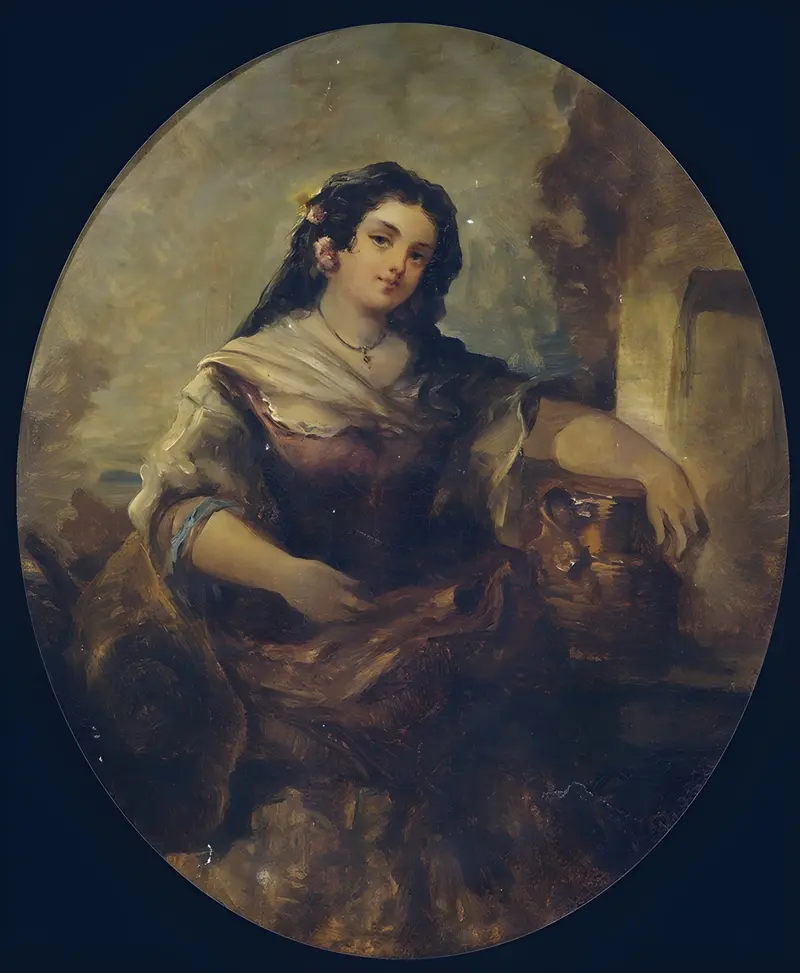
Portrait of a young girl at the well
Narcisse-Virgile Diaz de La Peña
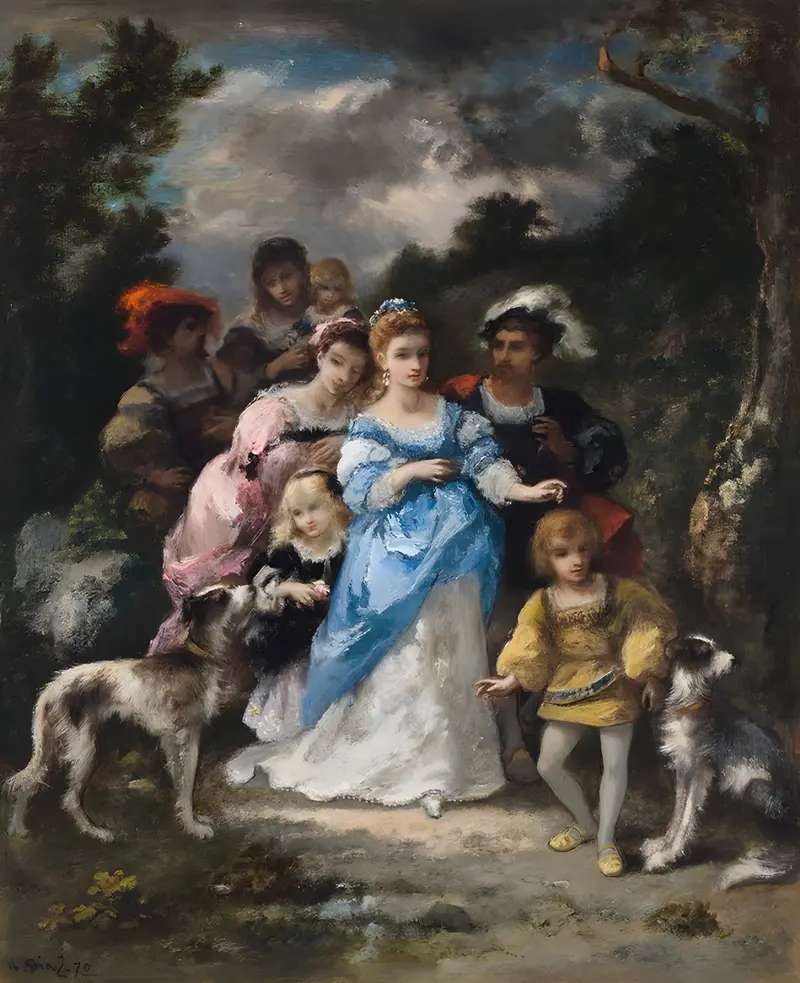
Promenade à la robe bleue
Narcisse-Virgile Diaz de La Peña
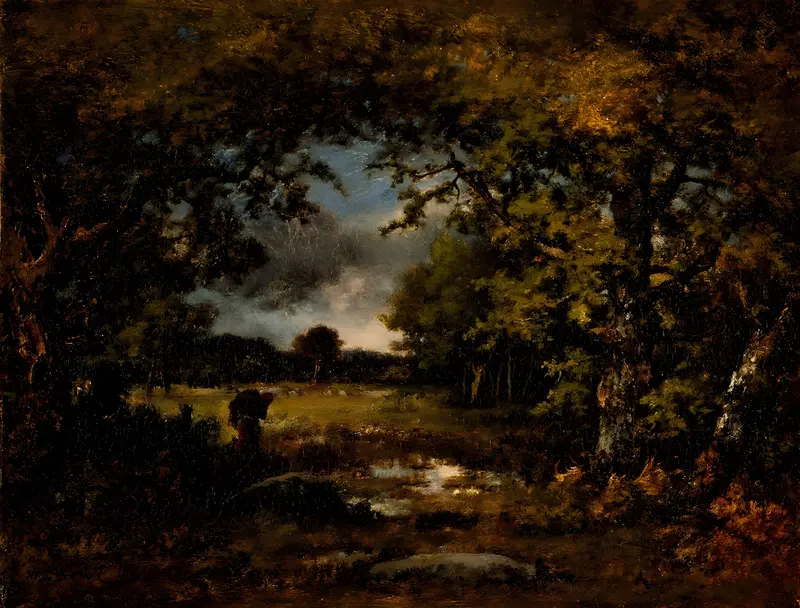
Landscape
Narcisse-Virgile Diaz de La Peña
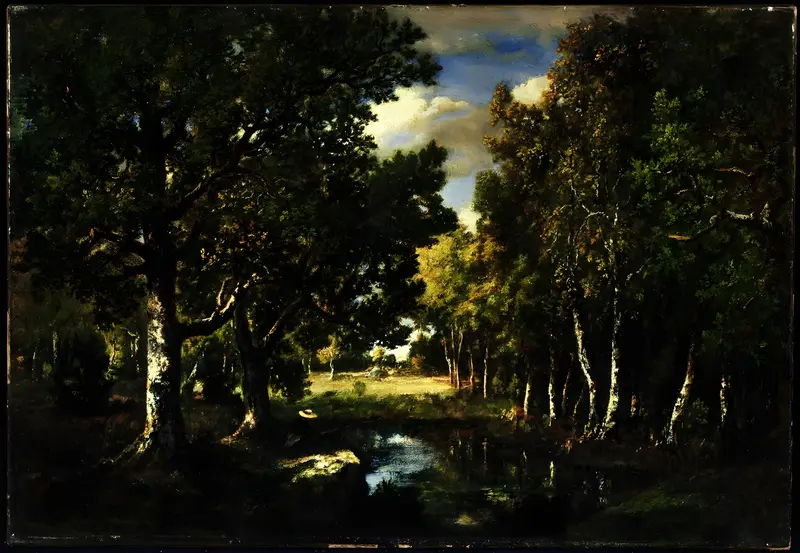
Landscape
Narcisse-Virgile Diaz de La Peña
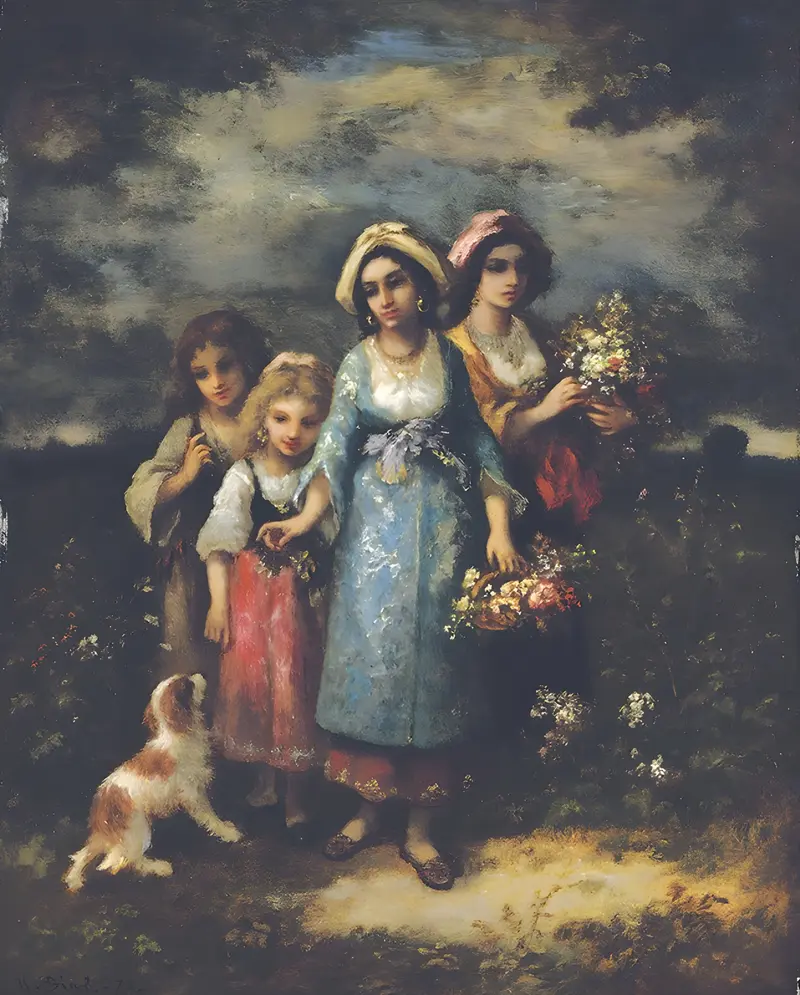
Picking Flowers
Narcisse-Virgile Diaz de La Peña
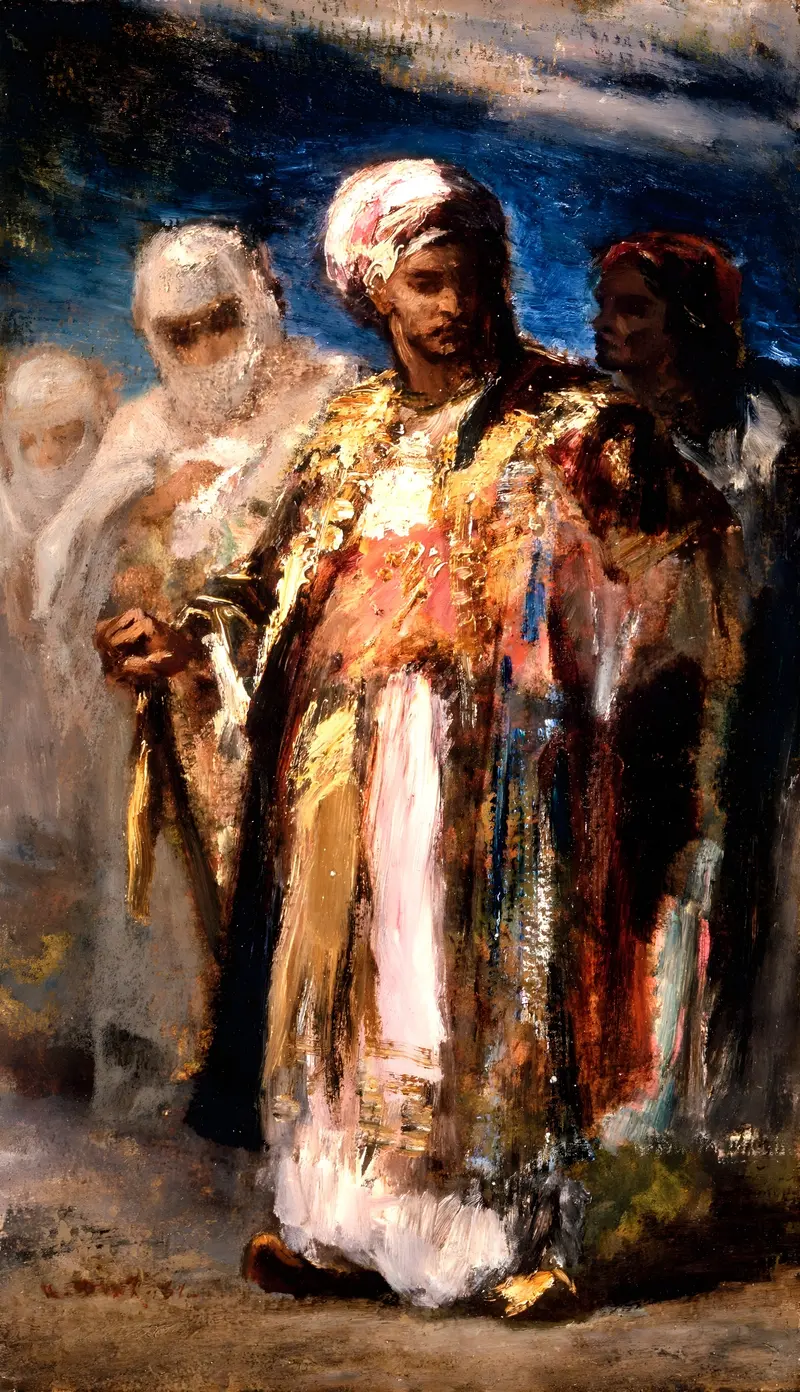
Men in Oriental Costumes
Narcisse-Virgile Diaz de La Peña
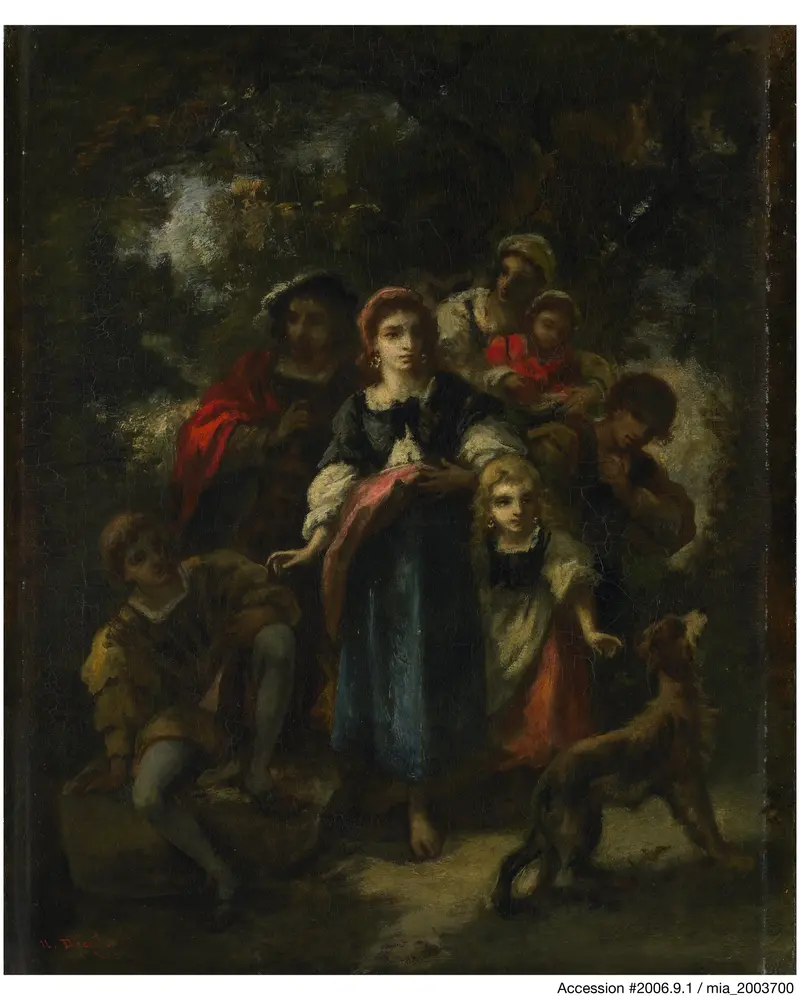
Descent of the Bohemians
Narcisse-Virgile Diaz de La Peña
More Landscape Art

The Starry Night
Vincent van Gogh

View of Delft
Johannes Vermeer

Water Lilies
Claude Monet

The Grand Canal, Venice, looking north-west from the Ca' Corner to the Ca' Contarini degli Scrigni, with the campanile of Santa Maria della Carità
Canaletto

Windsor Castle
Canaletto

The Grand Canal looking North-East from the Palazzo Dolfin-Manin to the Rialto Bridge
Canaletto