
The Forest of Fontainebleau — History & Facts
In The Forest of Fontainebleau, vibrant greens dominate the canvas, depicting a lush forest scene. Tall trees rise majestically, their leaves catching the light in various shades of green. The interplay of light and shadow creates depth, inviting the viewer into the serene landscape.
Soft, dappled sunlight filters through the branches, enhancing the tranquil atmosphere. The painting is executed in oil on canvas, a common medium for the Romantic period. Diaz de La Peña employs loose brushwork, allowing for a sense of movement within the foliage. The colors are rich and varied, showcasing the artist's skill in capturing the natural world.
The composition draws the eye through the forest, creating a pathway into the scene. Narcisse-Virgile Diaz de La Peña was a prominent figure in the French Romantic movement, known for his landscapes. The Forest of Fontainebleau reflects his fascination with nature and the beauty of the French countryside. An interesting fact about this work is that the Forest of Fontainebleau was a favorite subject for many artists of the time, symbolizing the Romantic ideal of nature's beauty.
Diaz's interpretation stands out for its vibrant colors and dynamic composition.
More Artworks by Narcisse-Virgile Diaz de La Peña
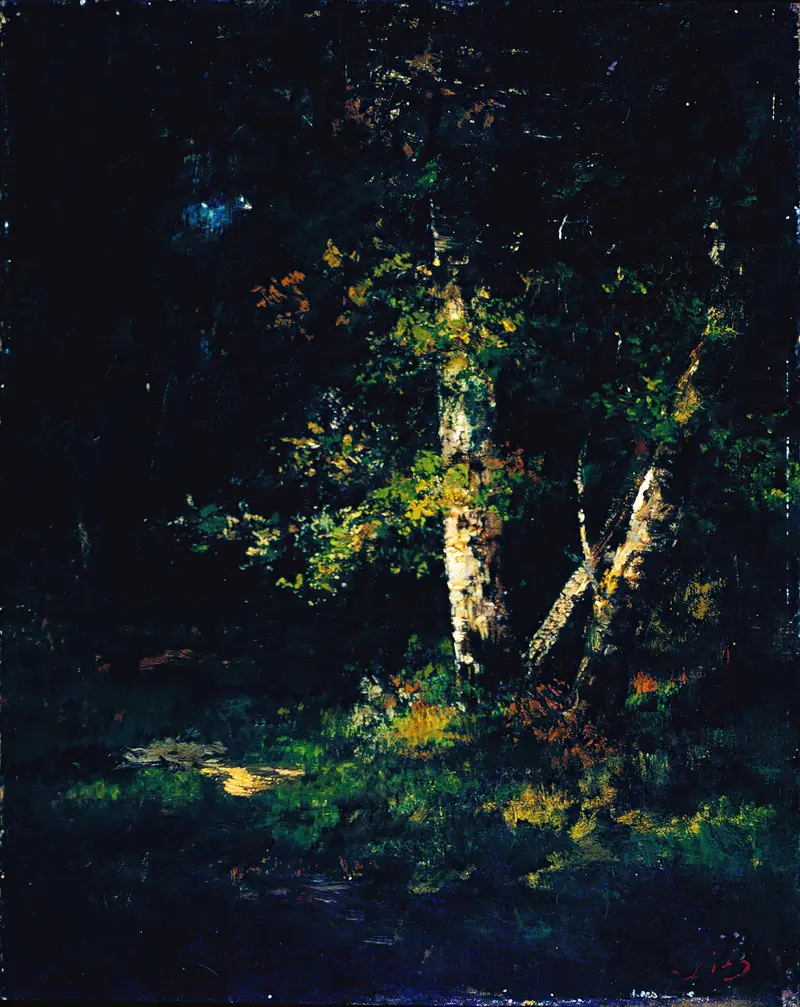
Forest Scene
Narcisse-Virgile Diaz de La Peña
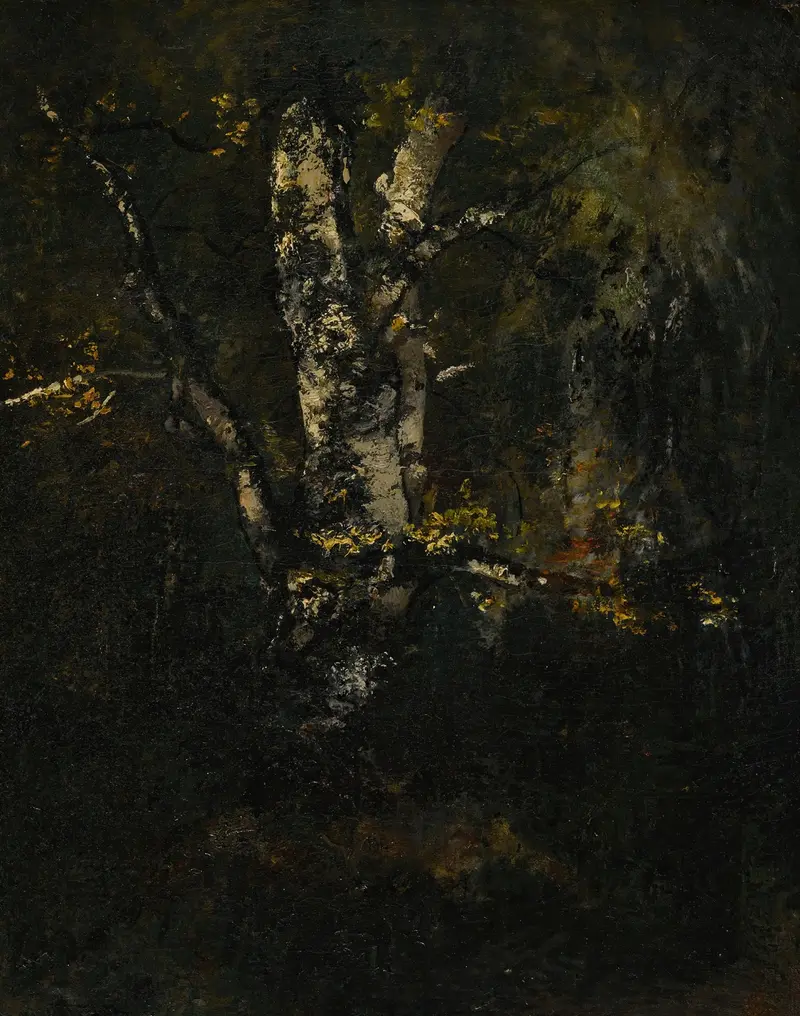
Vieux Troncs De Hêtres
Narcisse-Virgile Diaz de La Peña
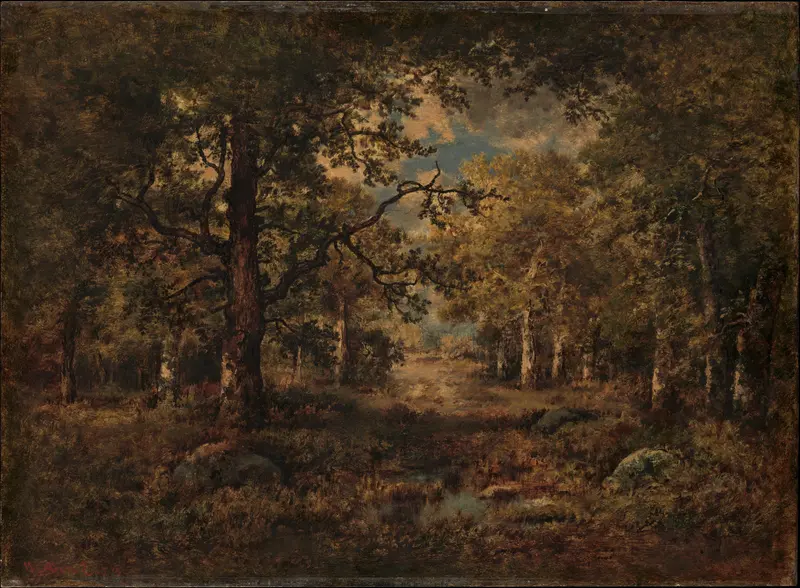
A Vista through Trees; Fontainebleau
Narcisse-Virgile Diaz de La Peña
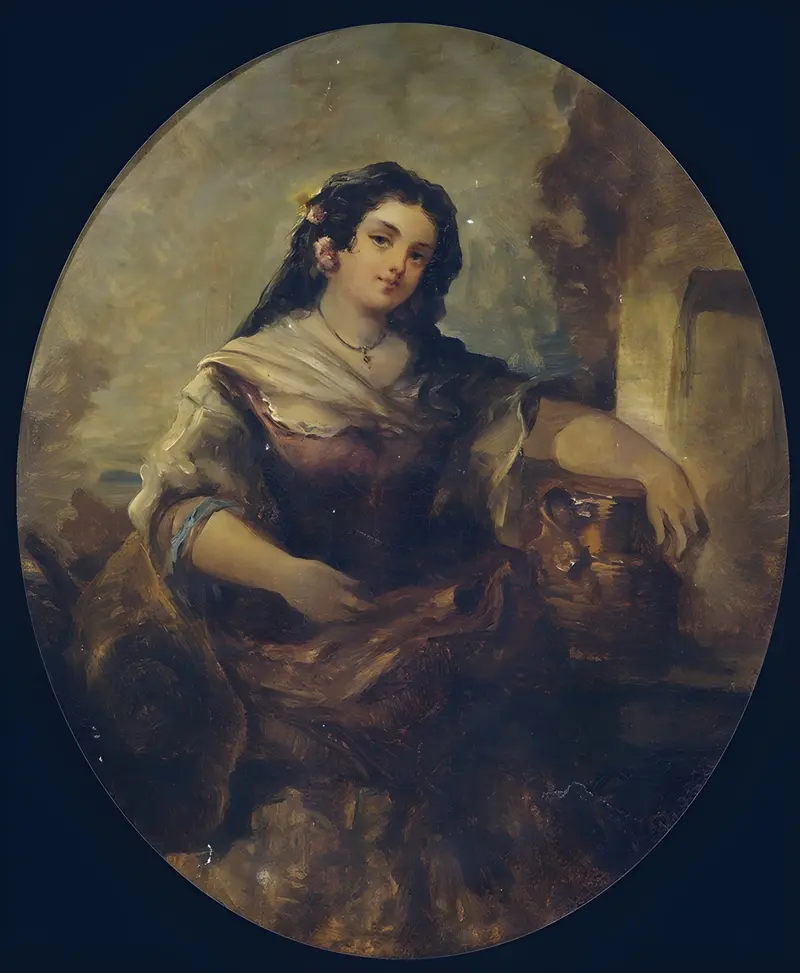
Portrait of a young girl at the well
Narcisse-Virgile Diaz de La Peña
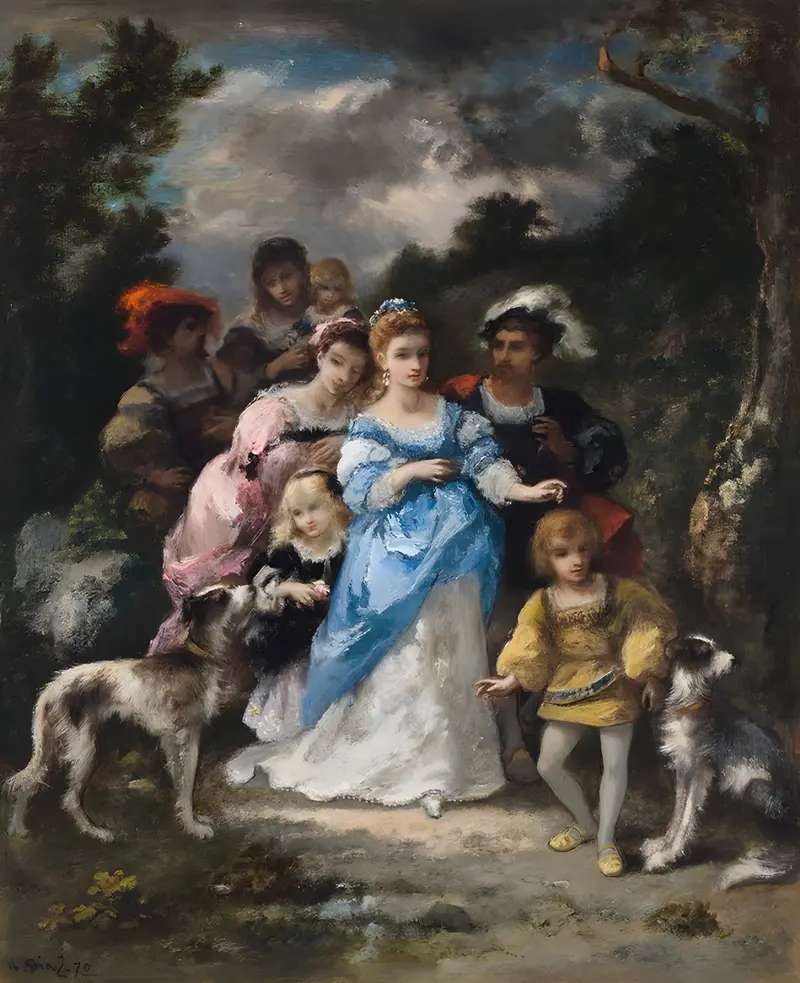
Promenade à la robe bleue
Narcisse-Virgile Diaz de La Peña
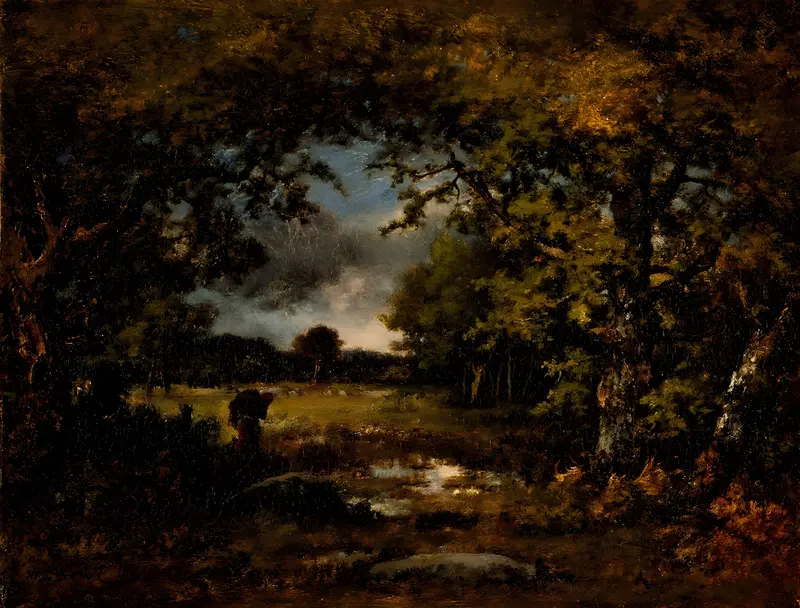
Landscape
Narcisse-Virgile Diaz de La Peña
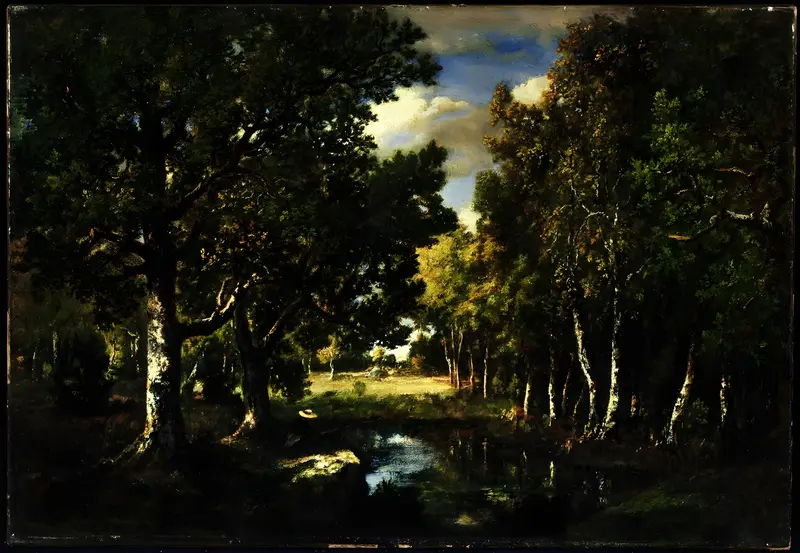
Landscape
Narcisse-Virgile Diaz de La Peña
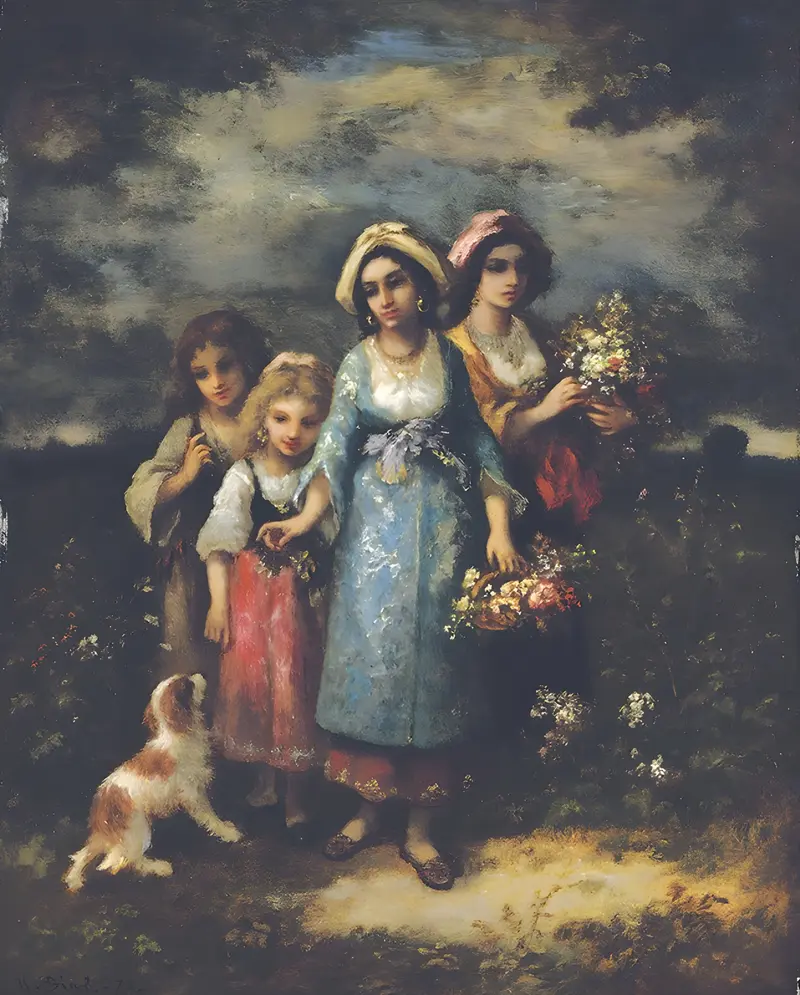
Picking Flowers
Narcisse-Virgile Diaz de La Peña
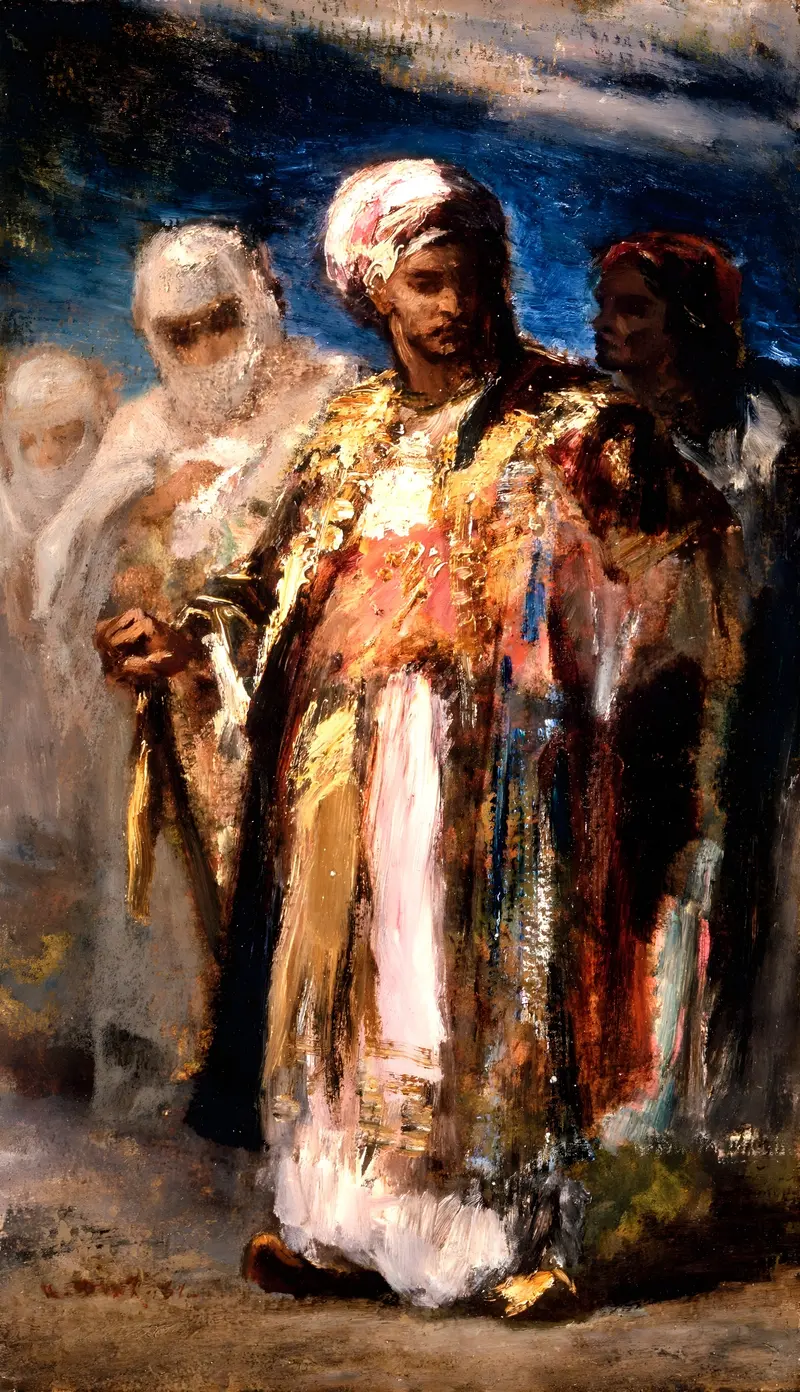
Men in Oriental Costumes
Narcisse-Virgile Diaz de La Peña
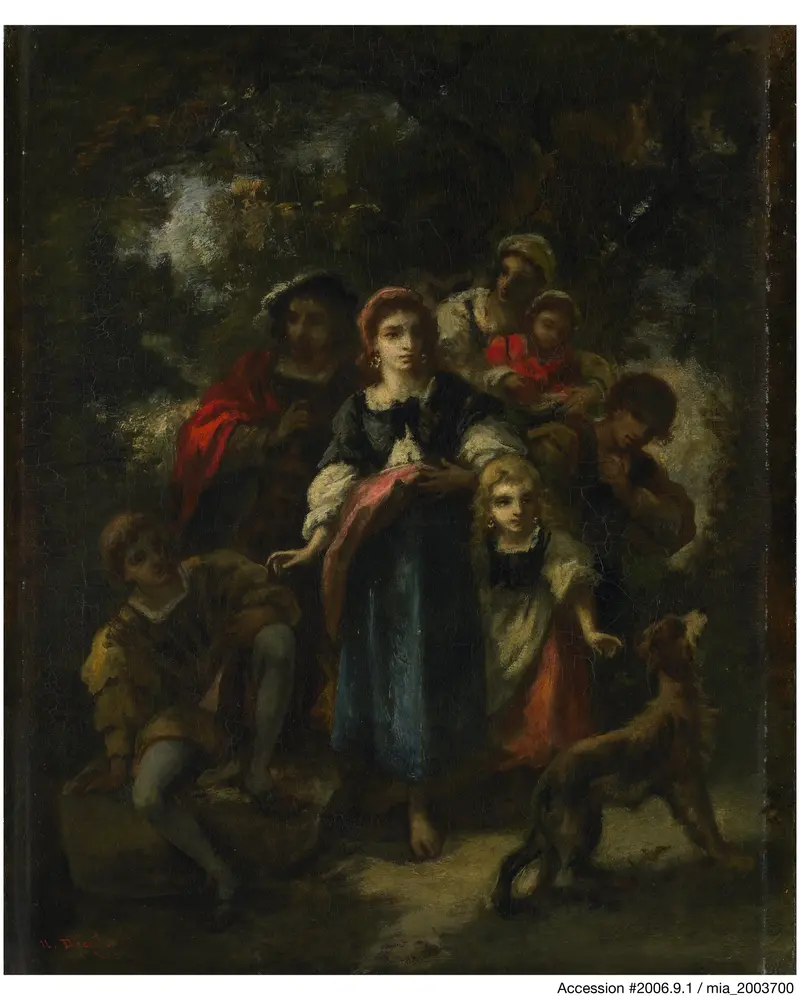
Descent of the Bohemians
Narcisse-Virgile Diaz de La Peña
More Landscape Art

The Starry Night
Vincent van Gogh

View of Delft
Johannes Vermeer

Water Lilies
Claude Monet

The Grand Canal, Venice, looking north-west from the Ca' Corner to the Ca' Contarini degli Scrigni, with the campanile of Santa Maria della Carità
Canaletto

Windsor Castle
Canaletto

The Grand Canal looking North-East from the Palazzo Dolfin-Manin to the Rialto Bridge
Canaletto