
The Fortune-teller — History & Facts
What draws the eye first is the hush of anticipation between two women, one young and richly dressed, the other older and wrapped in shadow, their faces lit by a shaft of golden window light. The young mother, her hand resting protectively on a cradle, listens intently as the fortune-teller leans forward, gesturing with a cup as if conjuring secrets from its depths. Every detail in this room speaks of rural life: the sturdy cradle, the patterned textiles, the fire’s glow warming the wooden floor.
The fortune-teller’s outstretched hand and the mother’s fixed gaze create a silent dialogue, while the sleeping child, oblivious, anchors the scene in innocence. Tidemand’s palette, with its deep browns and sudden bursts of color, draws the viewer into the intimacy of this moment, where superstition and hope meet in the flicker of firelight. Painted in 1857, this work belongs to a world where everyday interiors and folk customs became worthy subjects for artists across Scandinavia and Europe. The mid-nineteenth century saw a surge of interest in national identity and rural traditions, with painters like Adolph Tidemand capturing the rituals and beliefs that shaped village life.
Such scenes were often collected by national museums and private patrons eager to preserve a rapidly changing way of life. Today, The Fortune-teller resides in the Nationalmuseum, a testament to the era’s fascination with the ordinary made extraordinary. Let your gaze linger on the subtle exchange at the heart of the painting, and imagine the stories that might have unfolded in firelit rooms like this one.
More Artworks by Adolph Tidemand

Bridal Procession on the Hardangerfjord
Adolph Tidemand
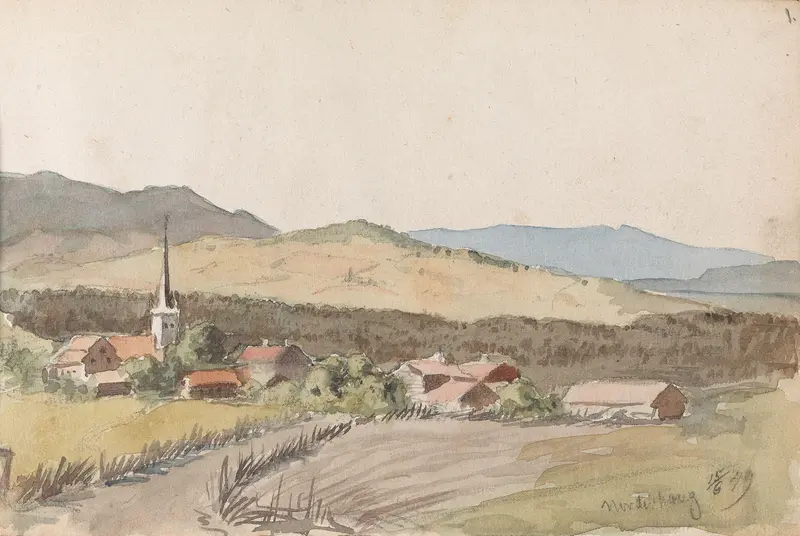
Fra Haugsbygd
Adolph Tidemand
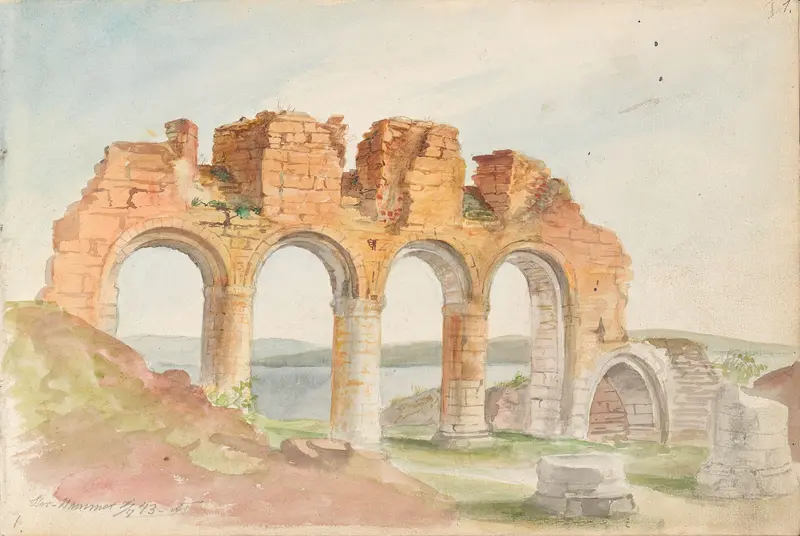
Domkirkeruinen, Hamar
Adolph Tidemand
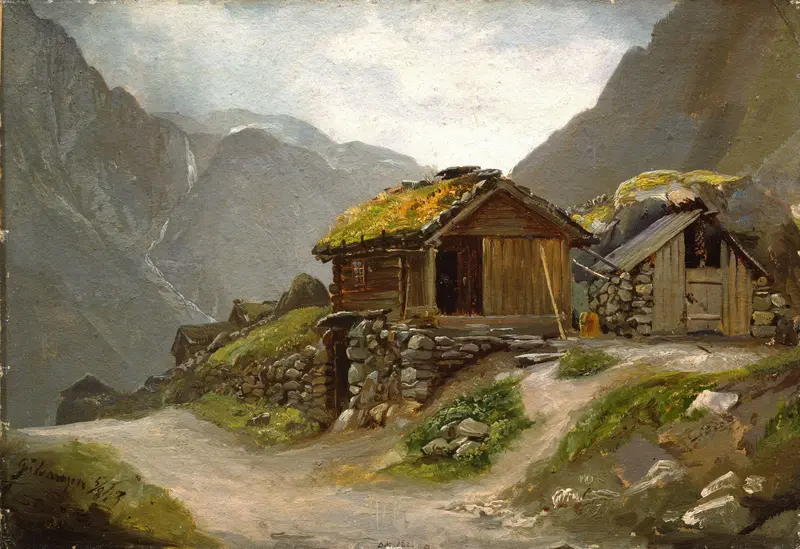
View from Gudvangen
Adolph Tidemand
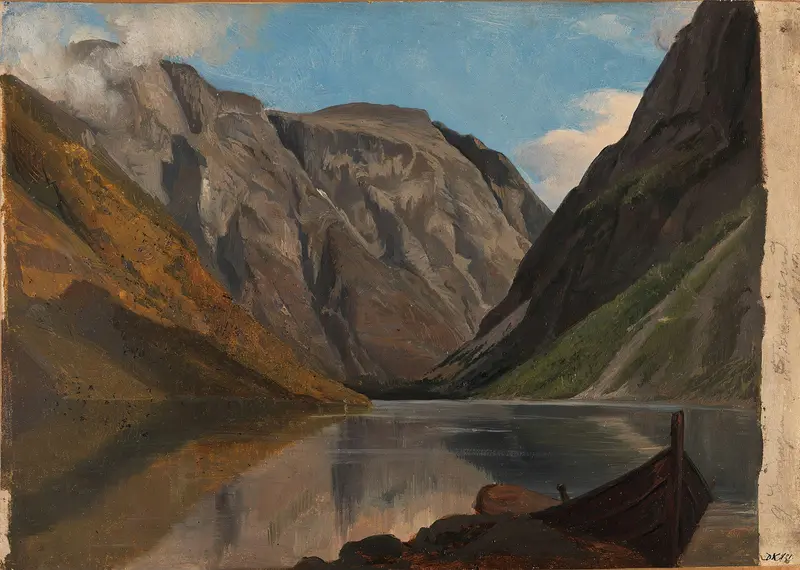
View of Gudvangen
Adolph Tidemand
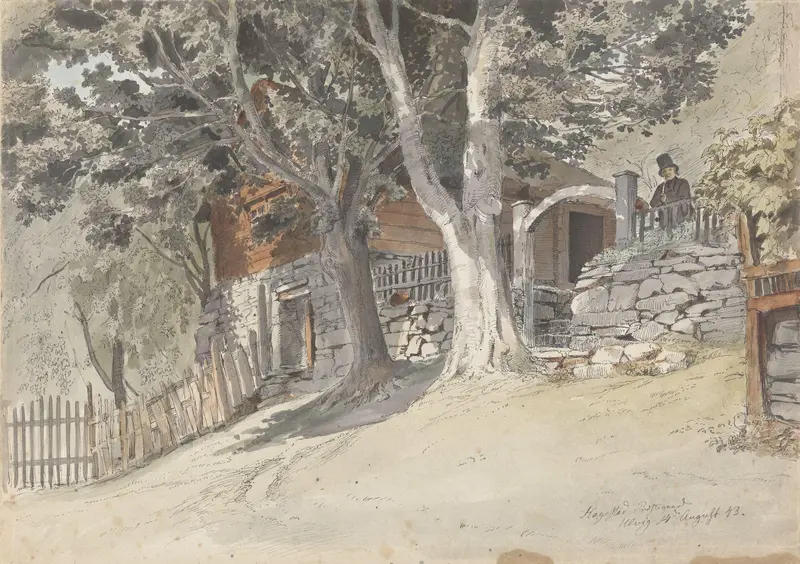
Hagestad prestegård, Ulvik i Hardanger
Adolph Tidemand
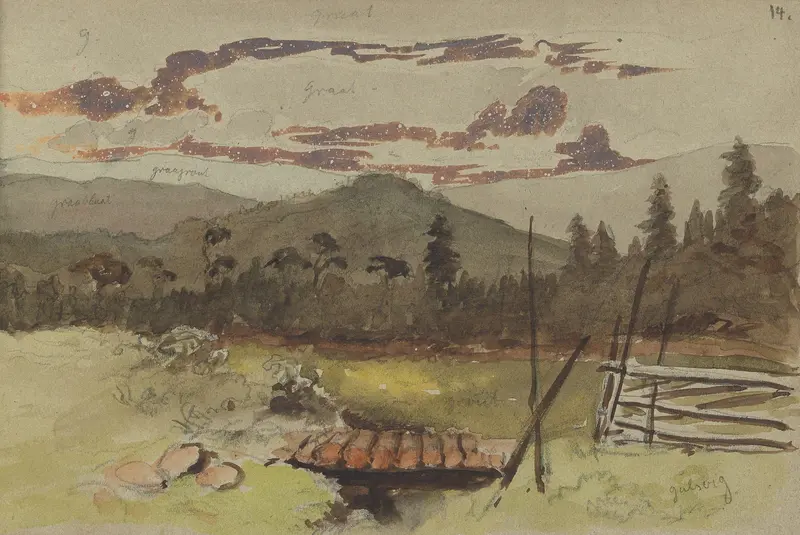
Fra Gulsvik
Adolph Tidemand
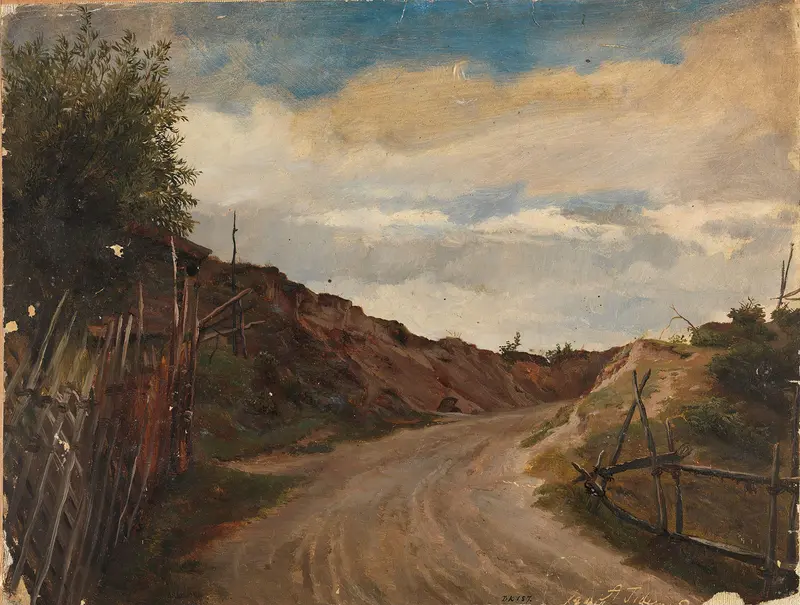
Country Road
Adolph Tidemand
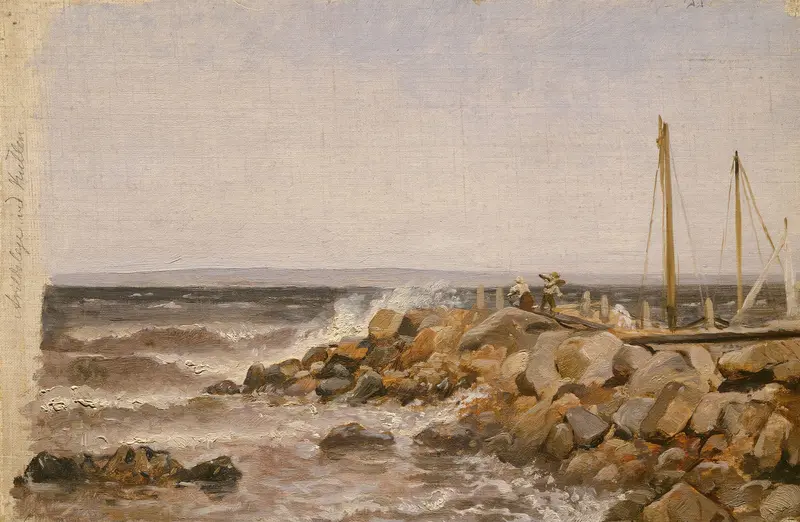
From Kullen in Sweden
Adolph Tidemand
Untitled
Adolph Tidemand
More Genre Scene Art

Banquet of the Officers of the St George Civic Guard
Frans Hals

Rembrandt and Saskia in the Scene of the Prodigal Son
Rembrandt van Rijn

Bal du moulin de la Galette
Pierre-Auguste Renoir

Quadrille at the Moulin Rouge
Henri de Toulouse-Lautrec

A Burial at Ornans
Gustave Courbet

When Will You Marry?
Paul Gauguin