
The Four Apostles — History & Facts
The Four Apostles is an oil on panel painting completed by Albrecht Dürer in 1526. Created during the final years of Dürer’s career, the work was produced in Nuremberg and is recognized as one of his last major paintings. The diptych format presents four figures identified as the apostles John, Peter, Mark, and Paul, reflecting both Dürer’s engagement with religious themes and the context of the Protestant Reformation in early 16th-century Germany. The composition is divided into two panels.
On the left, John and Peter stand together, with John holding an open book and Peter clutching keys, traditional attributes that identify them. On the right, Mark and Paul are depicted, with Paul holding a closed book and a sword, and Mark standing behind him. The figures are rendered with meticulous attention to detail, particularly in the drapery of their garments and the expressive characterization of their faces.
The use of strong, contrasting colors and naturalistic light emphasizes the solemnity and individuality of each apostle. The Four Apostles was not commissioned but was instead presented by Dürer to the city council of Nuremberg, reflecting his support for the Lutheran Reformation. The painting originally hung in Nuremberg’s city hall and later entered the collection of the Bavarian State. Today the two panels are in the Alte Pinakothek in Munich.
The work is widely regarded as a testament to Dürer’s technical mastery and his engagement with the religious and intellectual currents of his time.
More Artworks by Albrecht Dürer

Melancholia
Albrecht Dürer

St. George and the dragon.
Albrecht Dürer
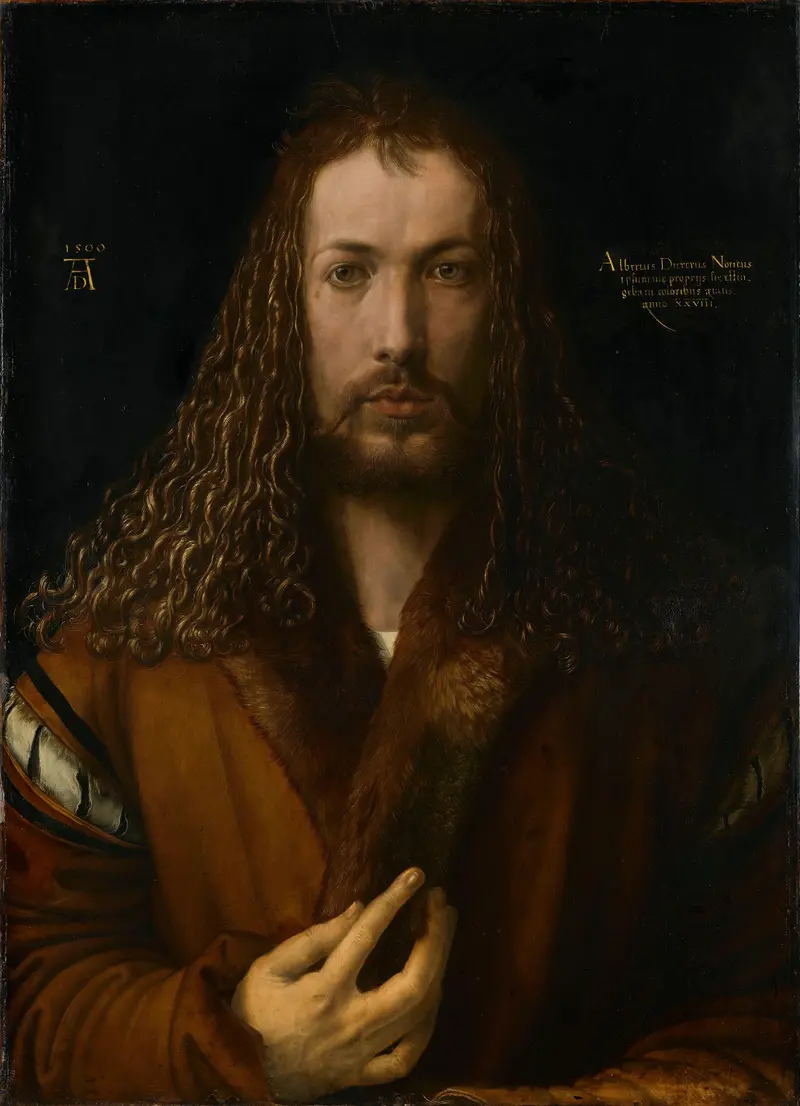
Self-Portrait with Fur-Trimmed Robe
Albrecht Dürer

Wing of a European Roller
Albrecht Dürer
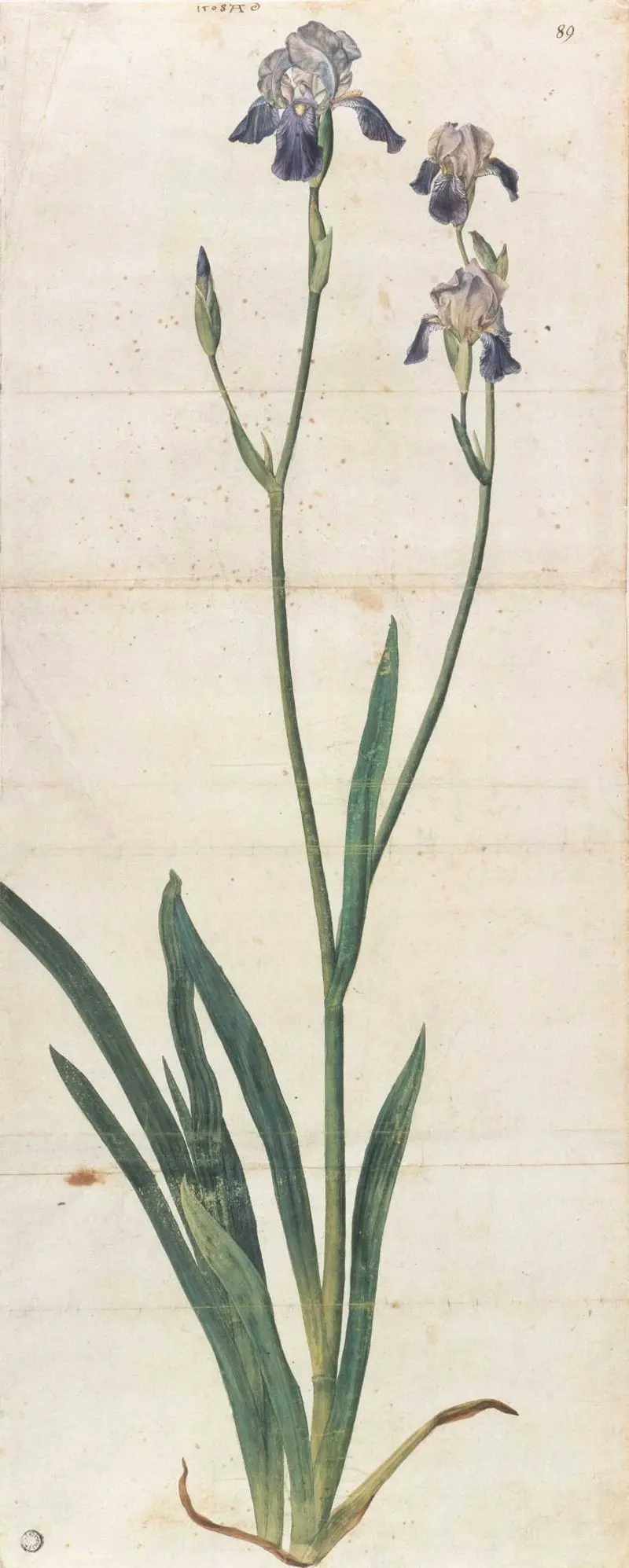
Iris
Albrecht Dürer

The Great Piece of Turf
Albrecht Dürer
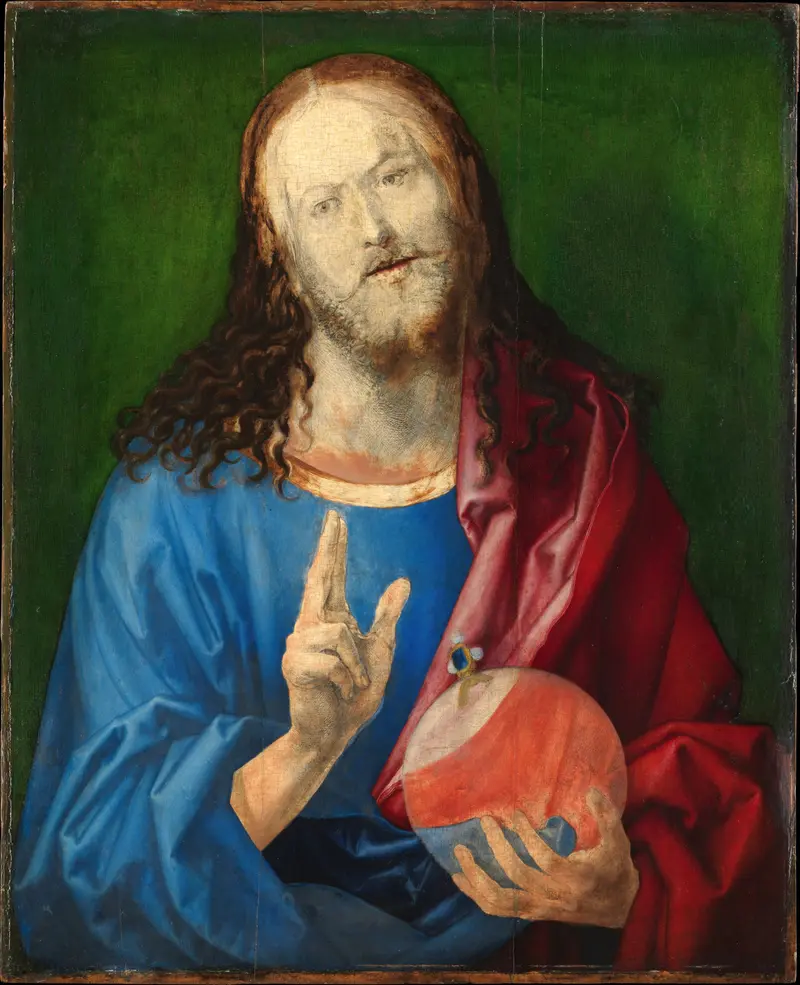
Salvator Mundi
Albrecht Dürer
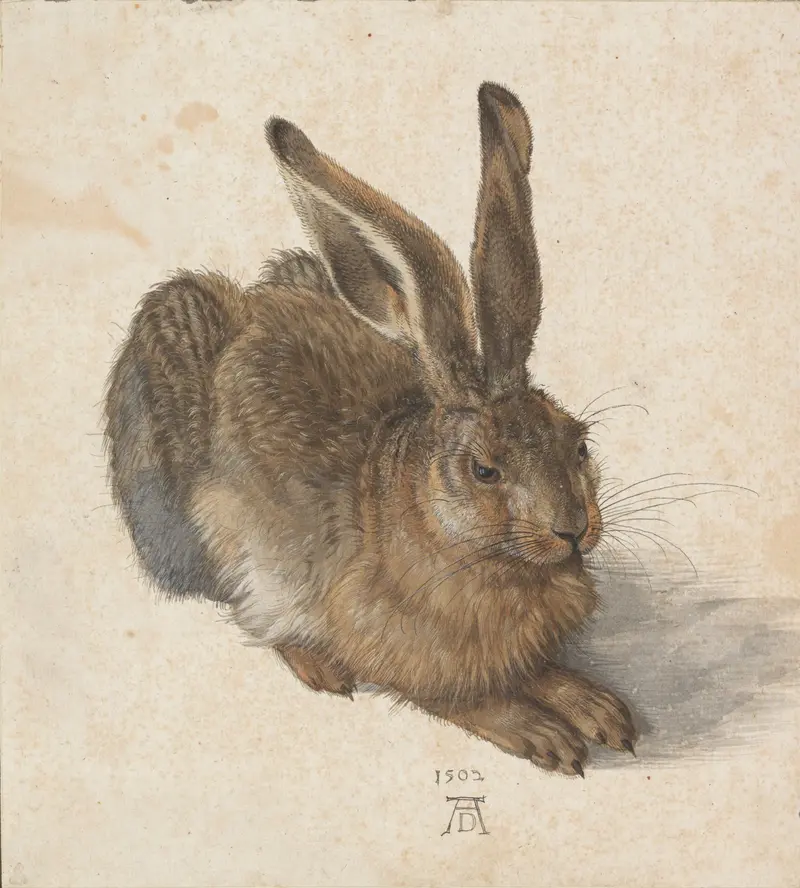
Young Hare
Albrecht Dürer
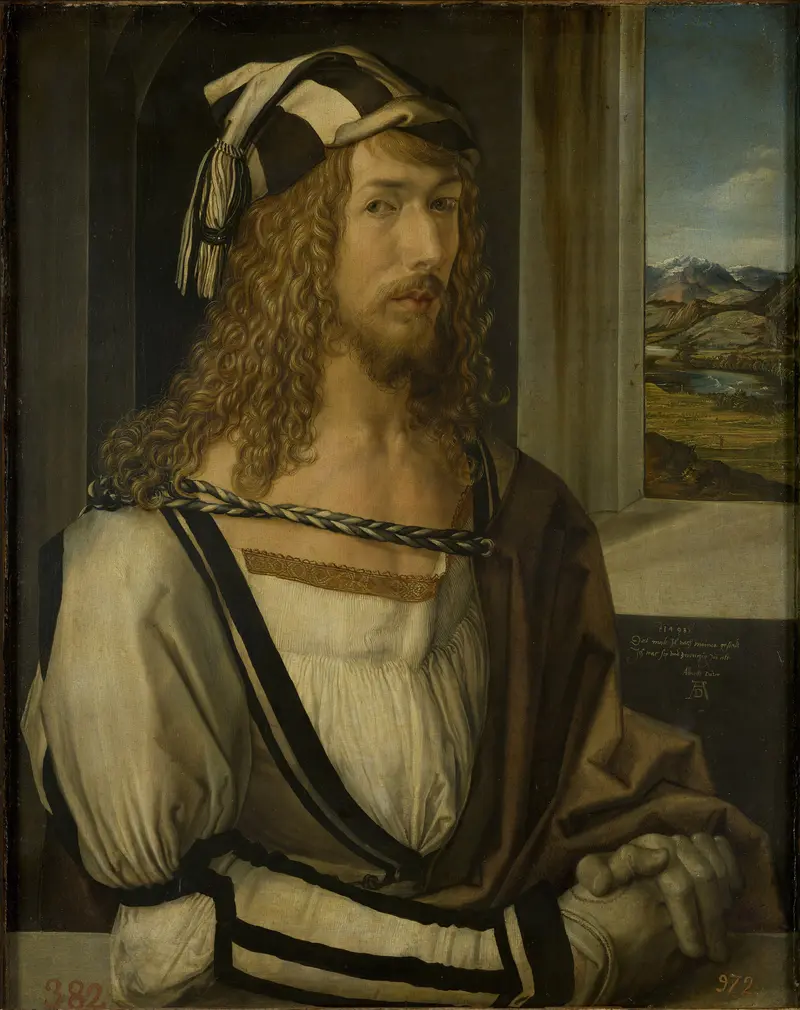
Self-portrait
Albrecht Dürer
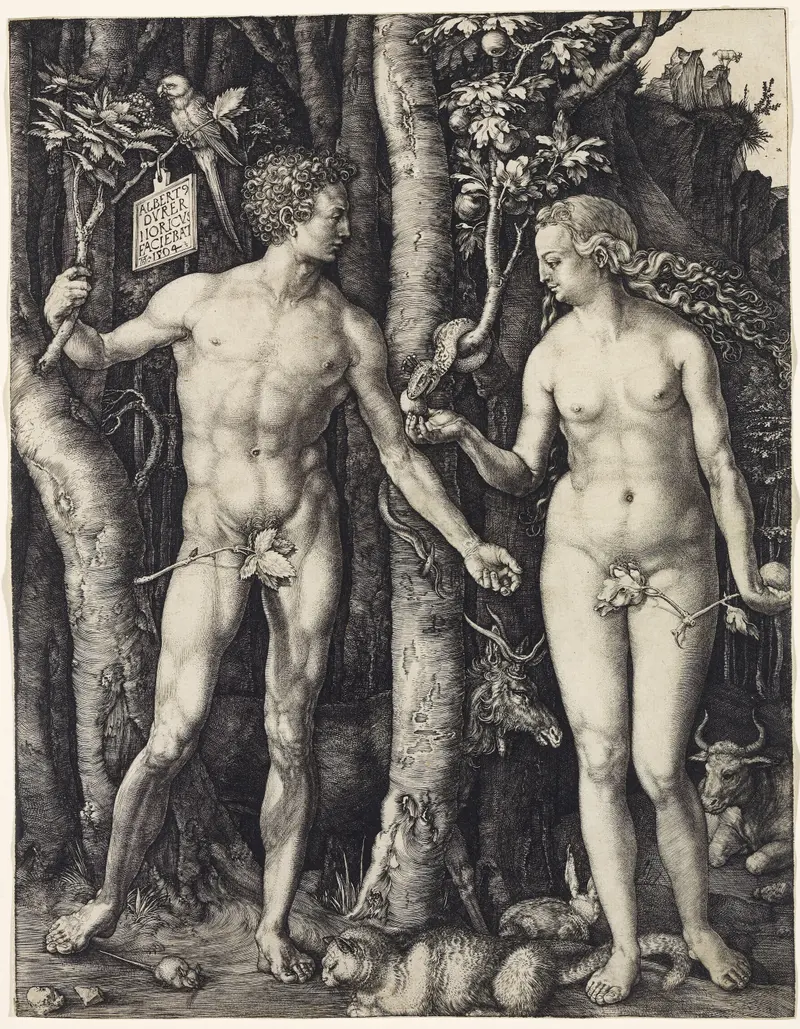
Adam and Eve (The Fall of Man)
Albrecht Dürer





