The Girl in the North — History & Facts
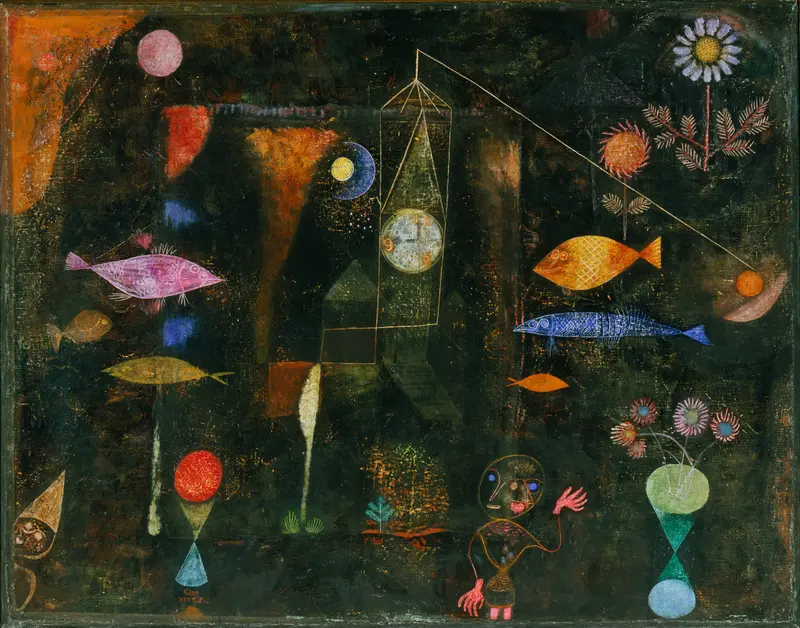
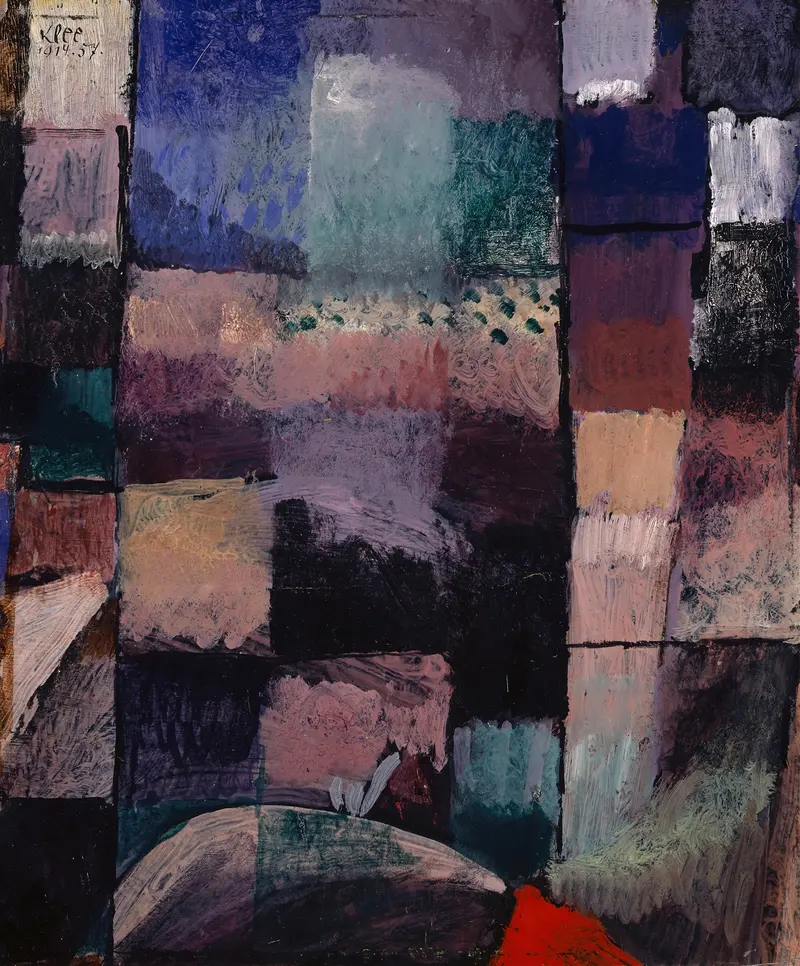
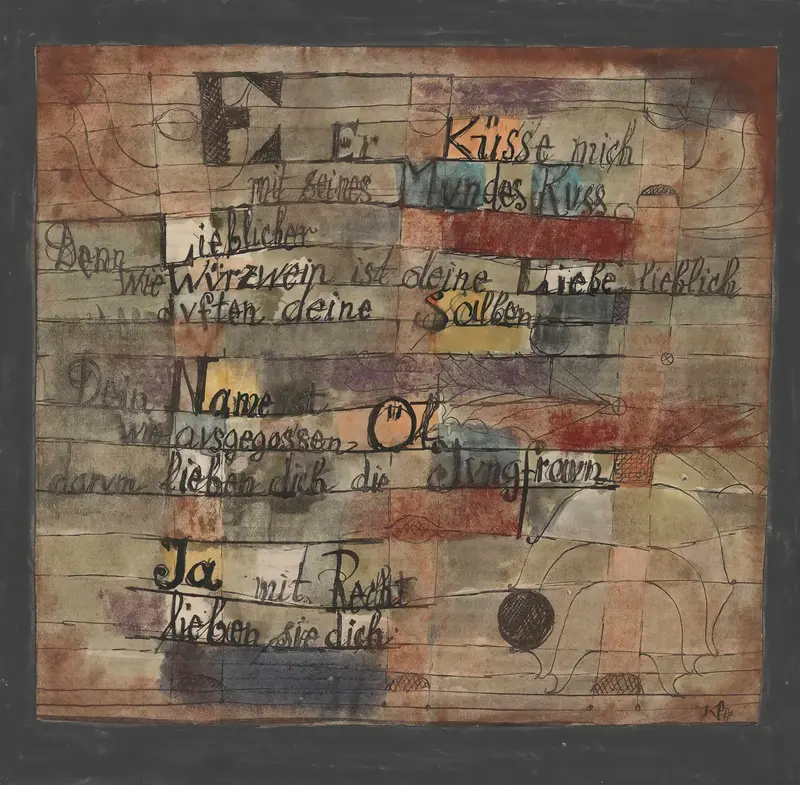
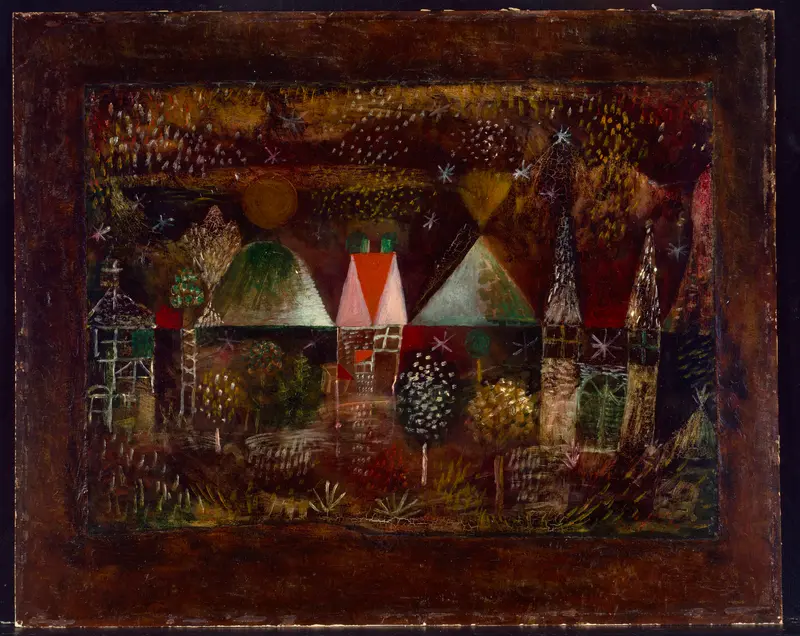
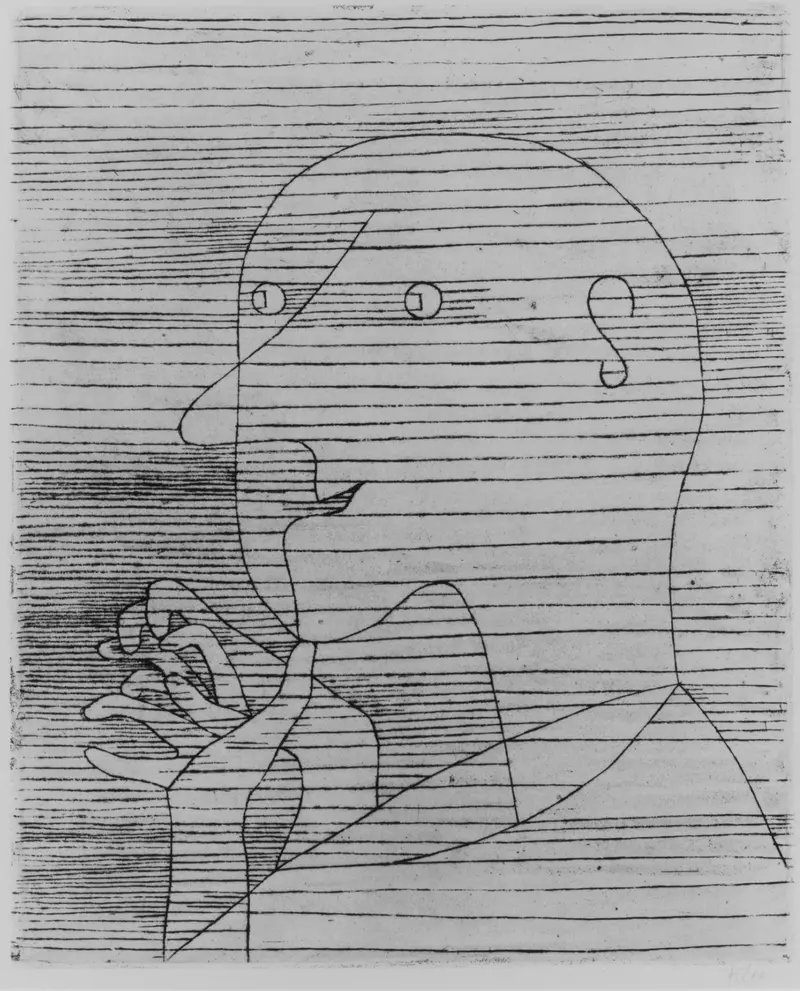
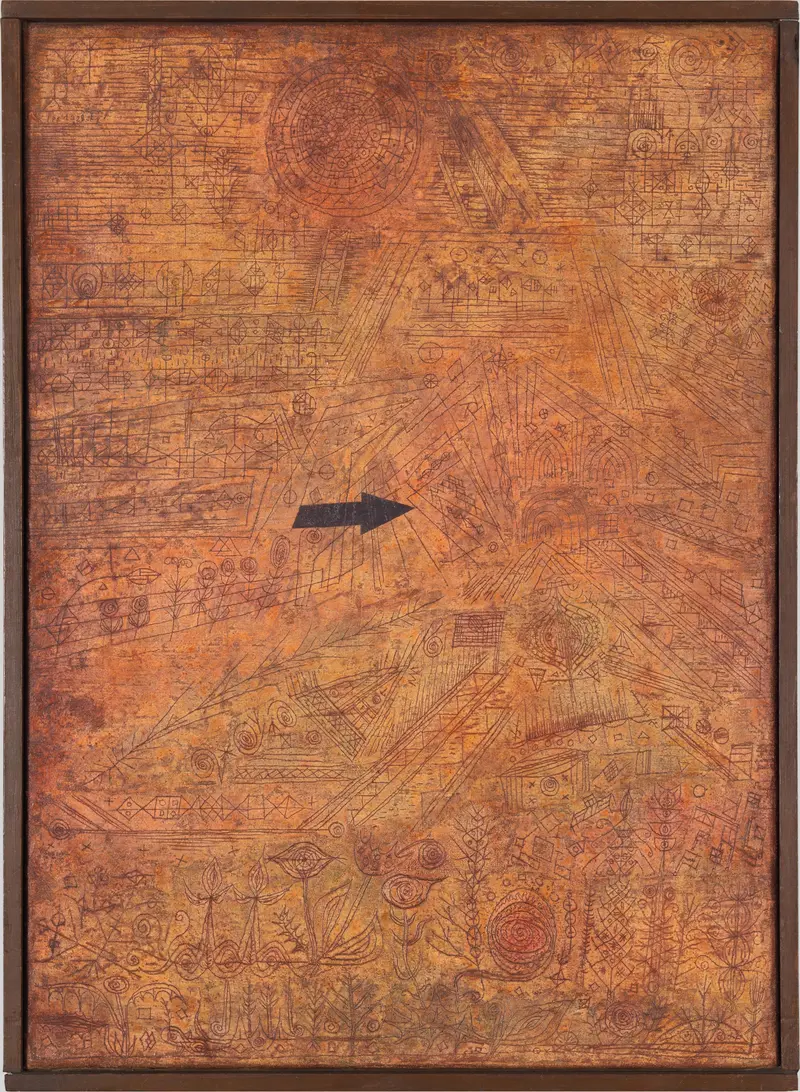
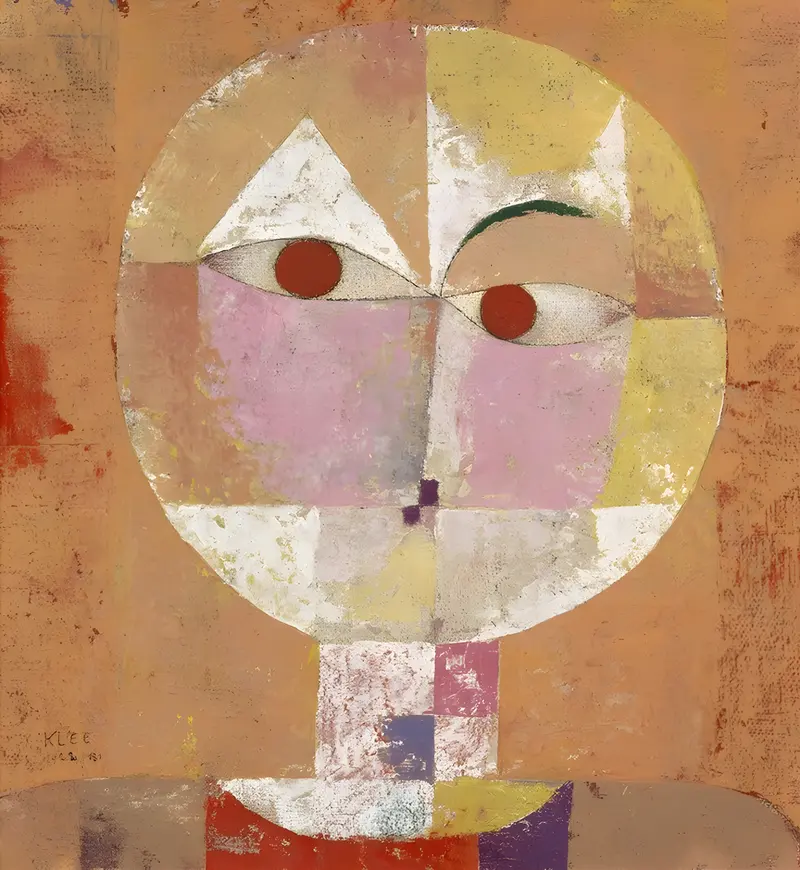
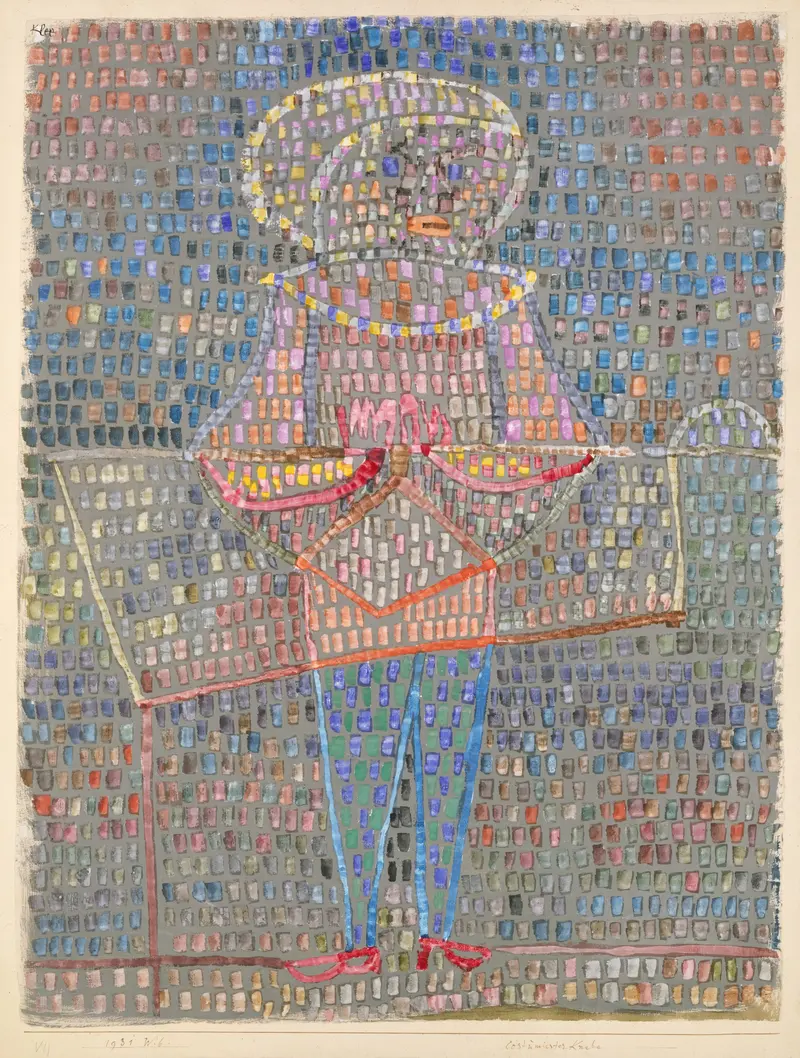
In The Girl in the North, Paul Klee presents a portrait filled with vibrant colors and abstract shapes. The girl’s face is depicted with exaggerated features, emphasizing her expressive eyes and playful smile. The background is a blend of warm and cool tones, creating a dynamic contrast.
Klee’s characteristic use of color and form draws the viewer into the emotional world of the subject. The painting showcases Klee's unique style, marked by bold lines and a playful approach to form. The use of color is particularly striking, with shades of blue, red, and yellow intermingling to create depth. Klee often employed a technique that combined both abstraction and representation, allowing the viewer to interpret the work in various ways.
This piece exemplifies his exploration of the human experience through a child’s perspective. Paul Klee was a Swiss painter associated with Expressionism and the Bauhaus movement. The Girl in the North reflects his fascination with childhood and innocence, themes prevalent in many of his works. Interestingly, Klee often drew inspiration from his dreams and memories, which is evident in the whimsical nature of this portrait.
This work is a testament to his ability to convey complex emotions through simple forms and colors.