
The gold moon — History & Facts
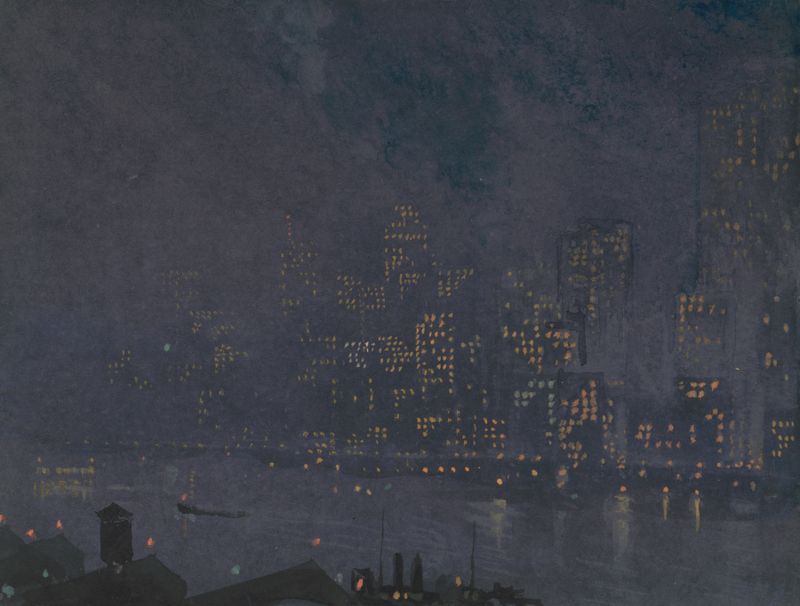
In the quietude of twilight, a moonlit world emerges, one where every hue resonates with whispered histories and unspoken revolutions. Look immediately at the striking gold orb that dominates the canvas, glowing with an ethereal light that contrasts against deep, muted tones. The moon’s surface is textured and vibrant, inviting the viewer to ponder its mysteries, while the surrounding dark sky stretches infinitely, evoking a sense of both wonder and melancholy. Notice how the intricate interplay of light and shadow creates an atmosphere pregnant with emotion, drawing your eyes to the celestial body that feels both distant and deeply intimate. Delve deeper into the subtleties woven into this piece; the moon, a beacon of change, symbolizes both hope and unrest.
The surrounding dark clouds hint at the turbulent societal shifts of the early 20th century, creating a tension between serenity and chaos. This contrast reflects not just a moment in nature, but also the undercurrents of a world on the brink of transformation, where light breaks forth from shadow, suggesting the inevitability of revolution and renewal. Joseph Pennell created this artwork in 1901, during a time of significant social and political upheaval. Living in London, he was influenced by the artistic movements of the period, including Impressionism and Post-Impressionism.
The turn of the century was marked by rapid industrial changes and burgeoning modernism, which informed his approach as he captured the essence of light and form in a rapidly changing world.
More Artworks by Joseph Pennell
Browse all →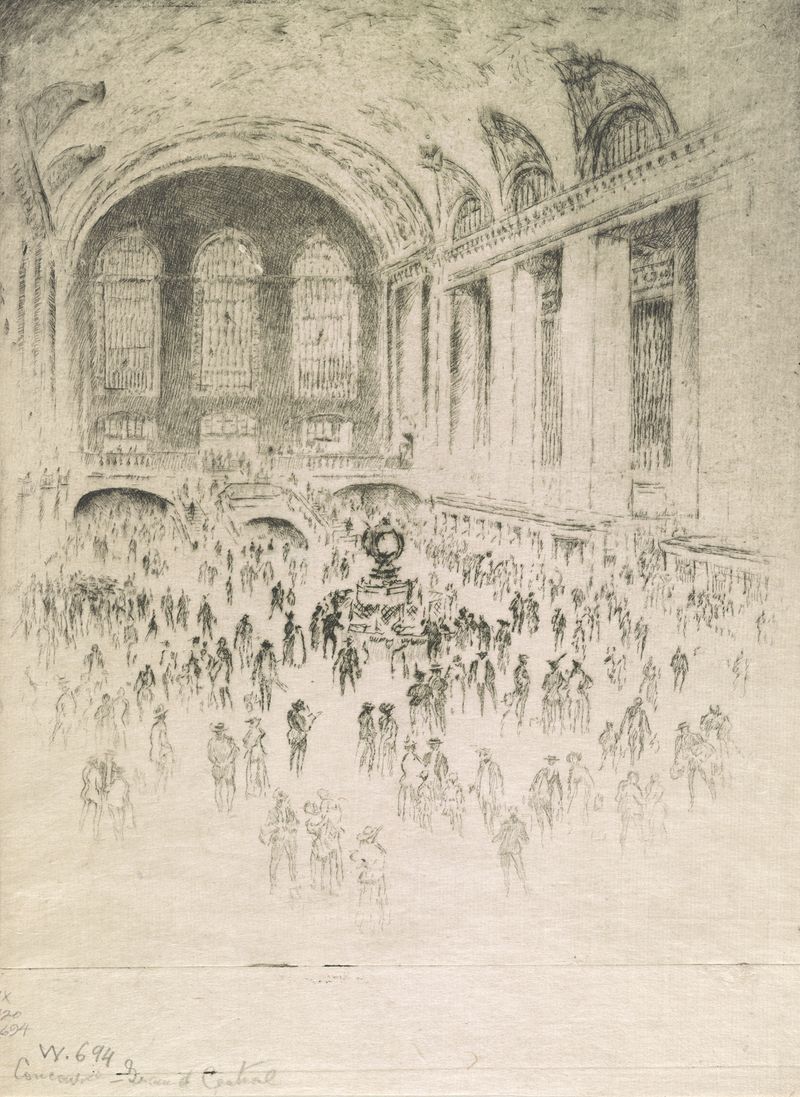
Concourse, Grand Central
Joseph Pennell
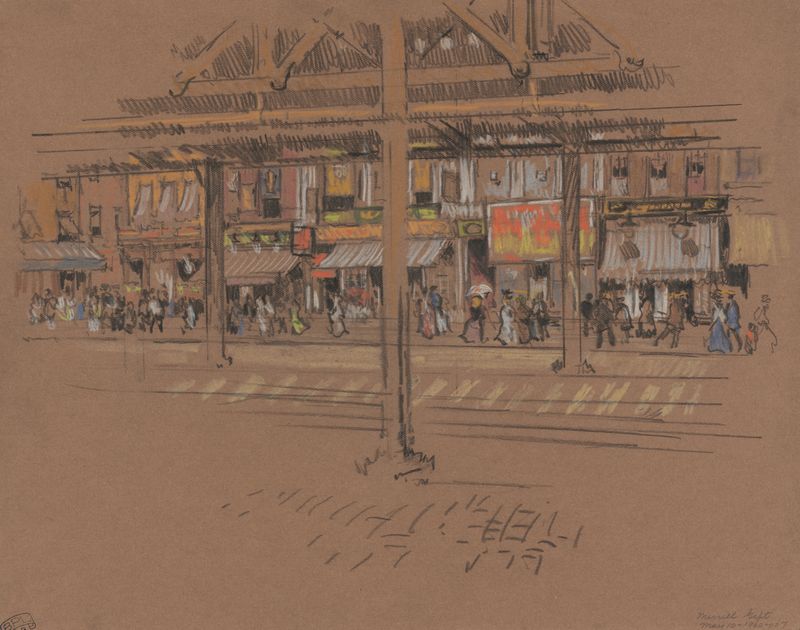
Sixth Avenue
Joseph Pennell
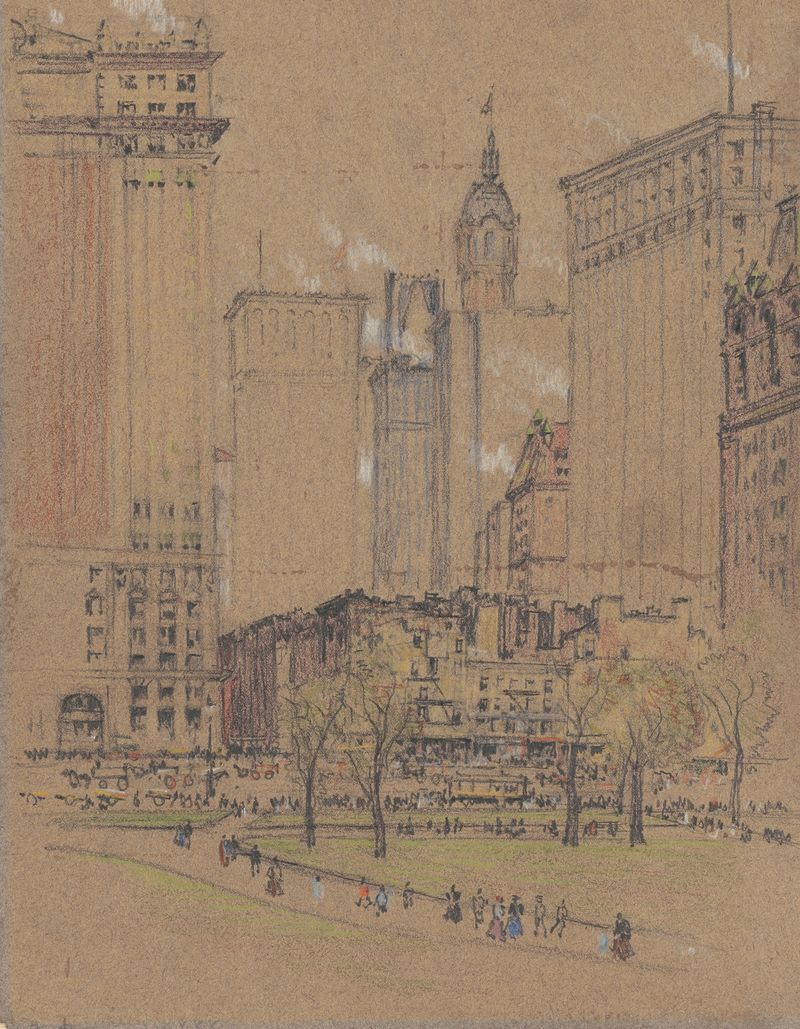
New York,the Old and the New
Joseph Pennell
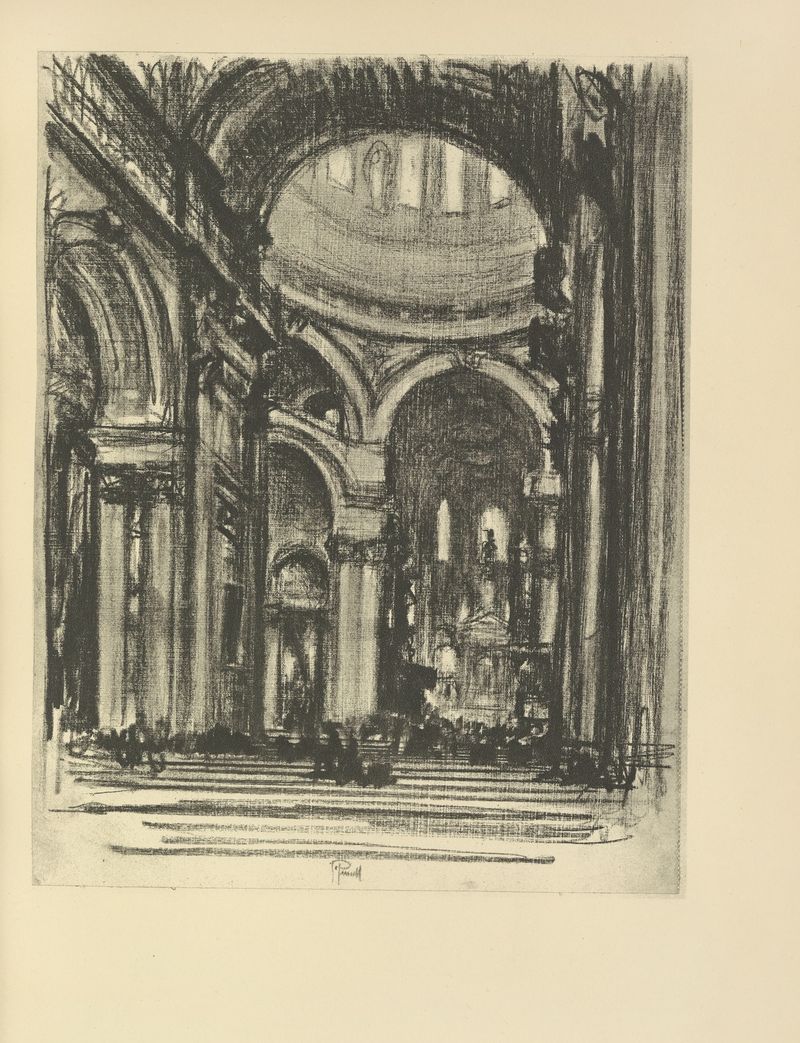
St. Paul’s, The Nave
Joseph Pennell
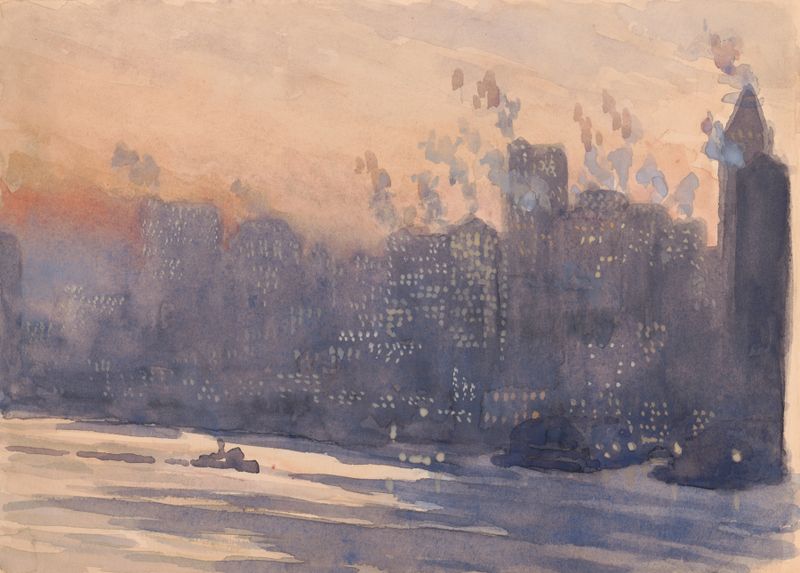
New York City harbor and skyline at night
Joseph Pennell
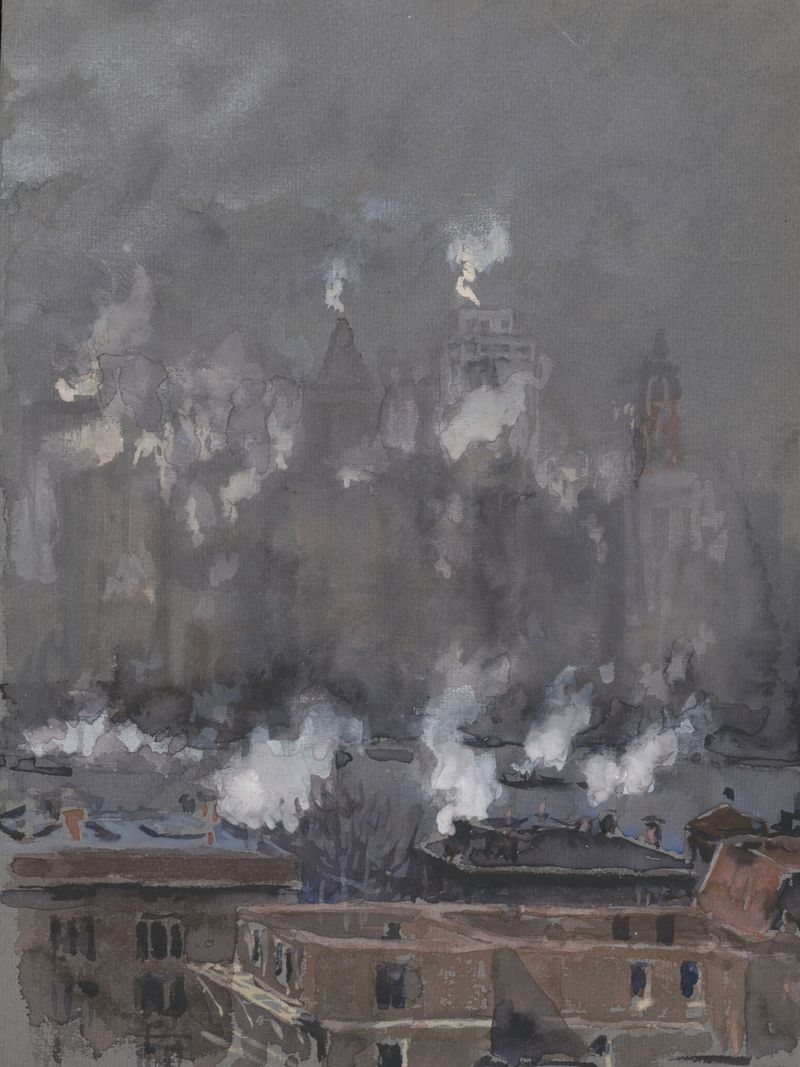
Smoke and fog on gray day, New York City
Joseph Pennell
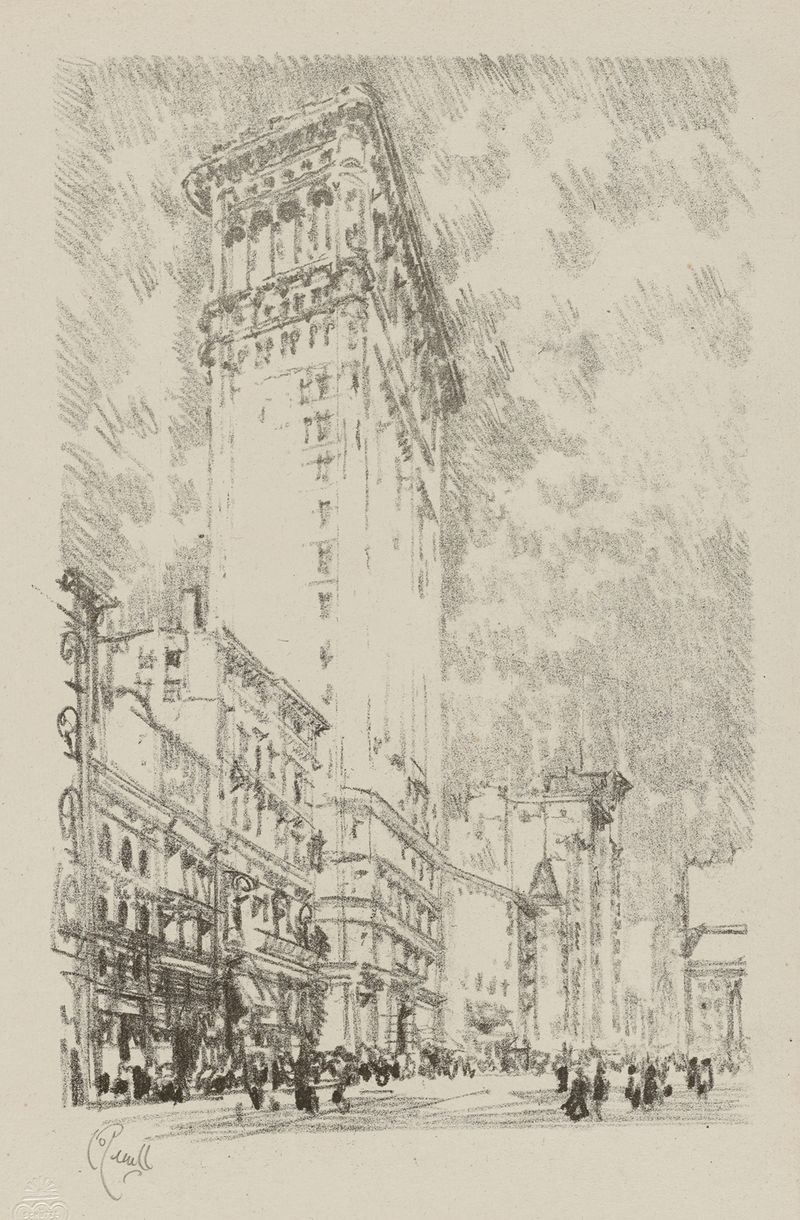
The Flat Iron
Joseph Pennell
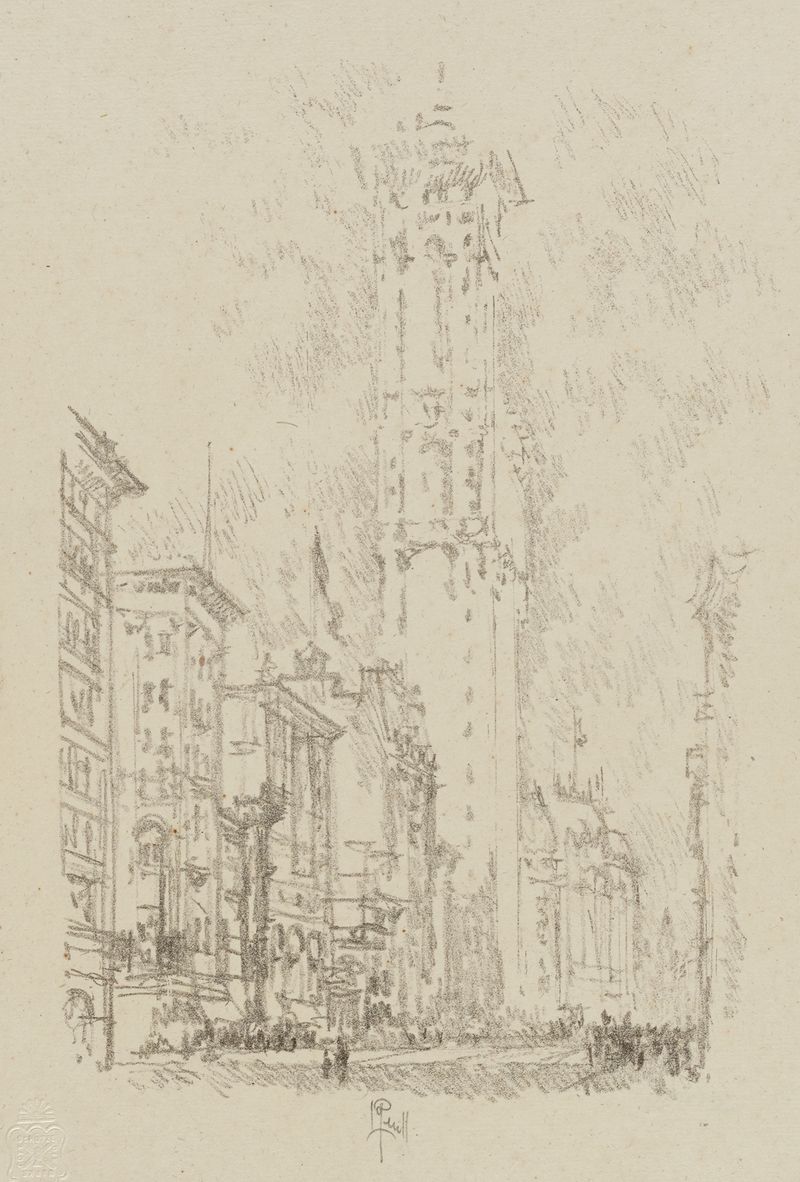
The Times Building
Joseph Pennell
Skyscrapers at night
Joseph Pennell

St. James’ Park
Joseph Pennell





