
The goldsmith — History & Facts
Who listens when art speaks of silence? In The Goldsmith, the stillness of the moment evokes a profound awakening, inviting contemplation of the delicate balance between creation and observation. Look to the left at the goldsmith, his furrowed brow illuminated by the soft, golden glow of the lamp. This warm light gently caresses his hands, revealing the intricate details of his craft. Notice how the rich, earthy tones of the wood and metal contrast with the vibrant sheen of the gold, drawing the eye towards the central figure in a captivating embrace.
The composition is masterfully arranged, with light and shadow playing across the goldsmith's face, emphasizing both his concentration and the weight of his labor. Within the quiet intensity, the painting suggests a dialogue between the artist and the viewer. The skillful rendering of texture highlights the fragility of both the gold and the moment; one wrong move could shatter the beauty he is creating. The presence of the specter-like figure in the background hints at the duality of artistry—the celebration of craftsmanship alongside the looming specter of doubt and impermanence.
Each detail, from the goldsmith’s tools to the subtle reflections on his work, underscores a reverence for both the material world and the act of creation itself. Rembrandt painted The Goldsmith in 1655 during a period of evolution in his career, marked by both personal triumphs and struggles. At this time, he was navigating the complexities of fame and financial instability, while also deepening his explorations of light and shadow. In a world bustling with artistic competition, this work stands as a testament to his mastery of the craft and his affinity for capturing the soul of his subjects.
More Artworks by Rembrandt van Rijn
Browse all →
The Night Watch Militia Company of District II under the Command of Captain Frans Banninck Cocq
Rembrandt van Rijn

The Return of the Prodigal Son
Rembrandt van Rijn

The Hundred Guilder Print: the figures leaning on the wall in the centre left
Rembrandt van Rijn

The Hundred Guilder Print: the central piece with Christ preaching, the plate arched
Rembrandt van Rijn

Isaac and Rebecca, Known as ‘The Jewish Bride’
Rembrandt van Rijn
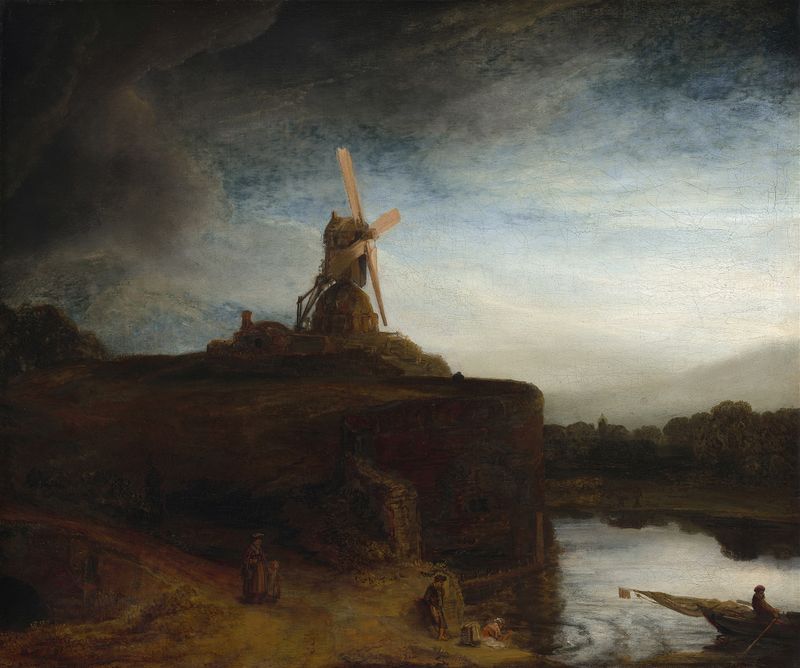
The Mill
Rembrandt van Rijn

The Sampling Officials of the Amsterdam Drapers’ Guild, Known as ‘The Syndics’
Rembrandt van Rijn

The return of the prodigal son
Rembrandt van Rijn
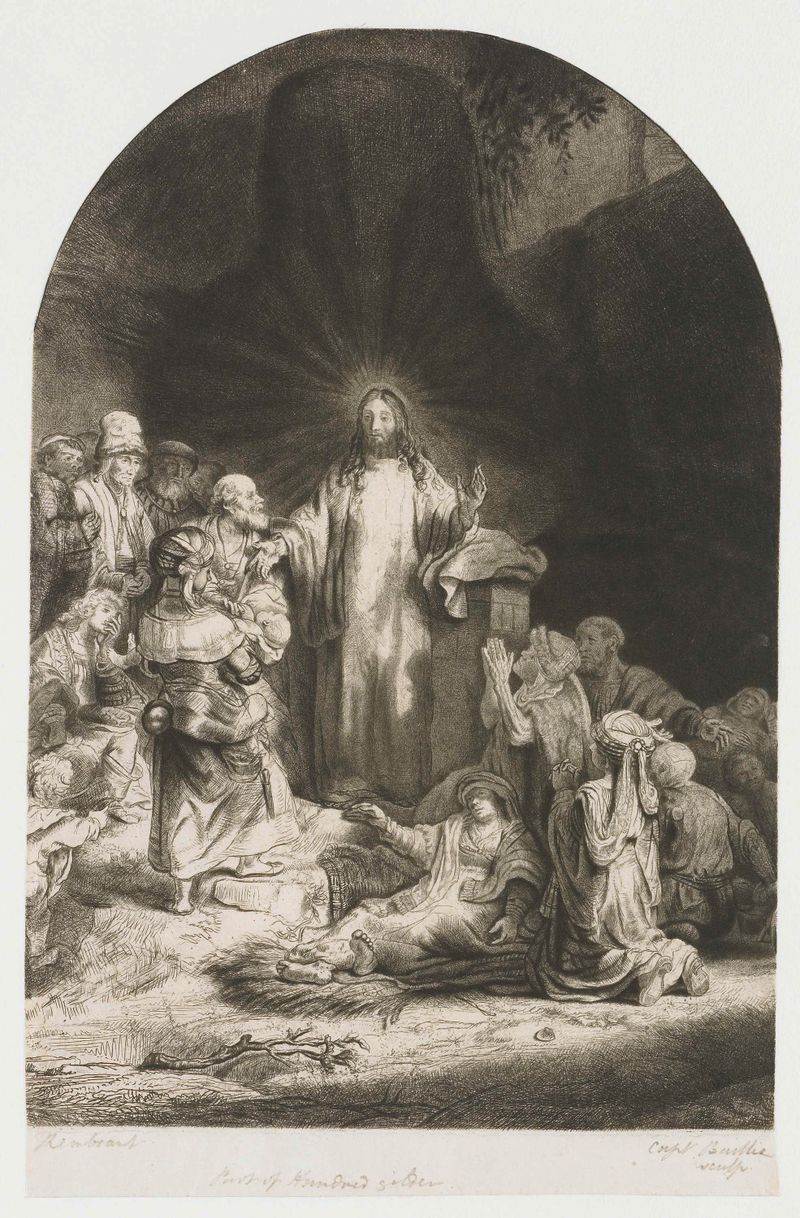
The Hundred Guilder Print: the central piece with Christ preaching, the plate arched
Rembrandt van Rijn

The Hundred Guilder Print: the man seen on the back in the lower left corner
Rembrandt van Rijn





