
The Gorge at Suk Wady Barada, Lebanon — History & Facts
Is this a mirror — or a memory? The Gorge at Suk Wady Barada evokes a dreamlike quality that invites the viewer to wander through its depths, where every brushstroke breathes life into the landscape. Look to the left at the gentle curve of the mountains, their textured surfaces hinting at the passage of time and elements. The soft hues of green meld seamlessly with the earthy browns, creating a harmonious palette that feels both serene and daunting. Notice how the light dances across the water at the gorge’s base, reflecting a shimmering path that leads the eye into the heart of the painting, suggesting an invitation to explore further. Delve deeper into the layered contrasts present in this scene.
The juxtaposition of the vibrant foliage against the stark rock formations speaks to nature’s duality—both nurturing and formidable. The ethereal light filtering through the gorge casts shadows that hint at hidden stories, evoking a sense of nostalgia for a place that feels both familiar and distant. This creates an emotional tension, as if the landscape holds secrets waiting to be unraveled. In 1858, Edward Lear painted this landscape during his travels in the Eastern Mediterranean, a period marked by his fascination with the natural beauty of the region.
As a noted landscape artist and poet, Lear was drawn to the majesty of the Lebanese countryside, capturing its essence while reflecting broader themes of exploration and discovery that defined the Romantic period. The painting is a testament to his mastery in blending observation with imagination, immortalizing a fleeting moment in time.
More Artworks by Edward Lear
Browse all →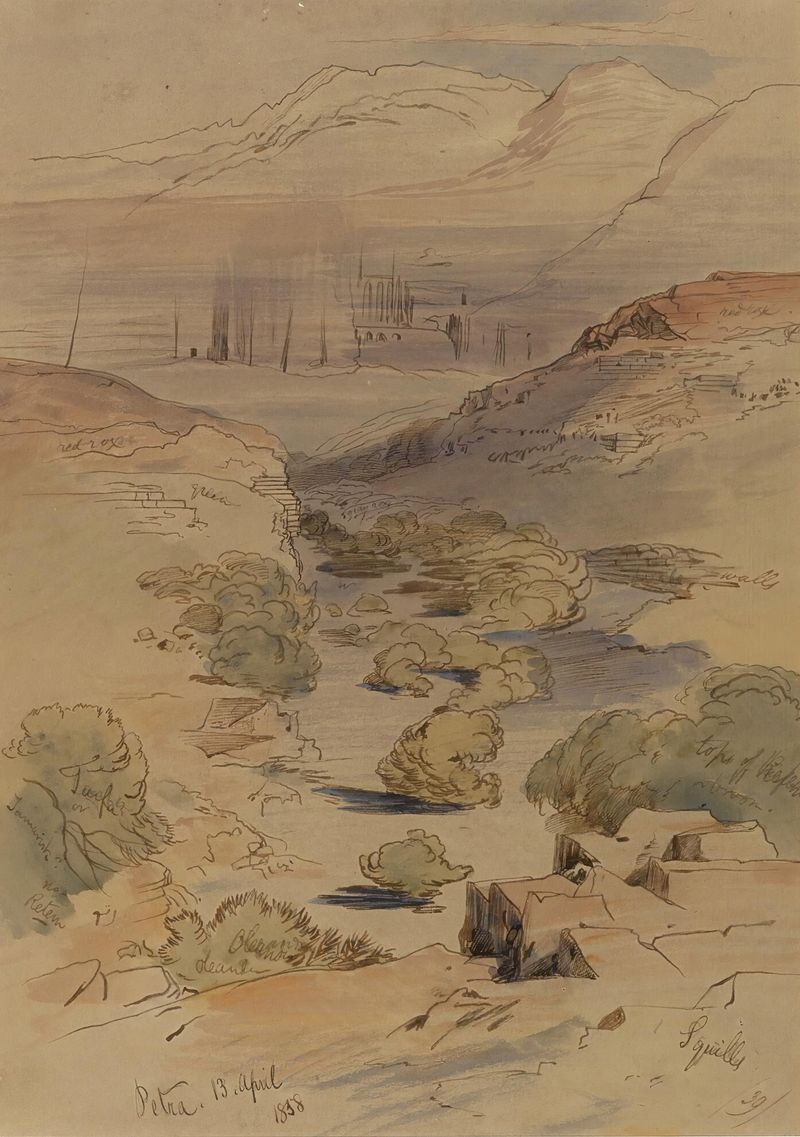
Petra
Edward Lear
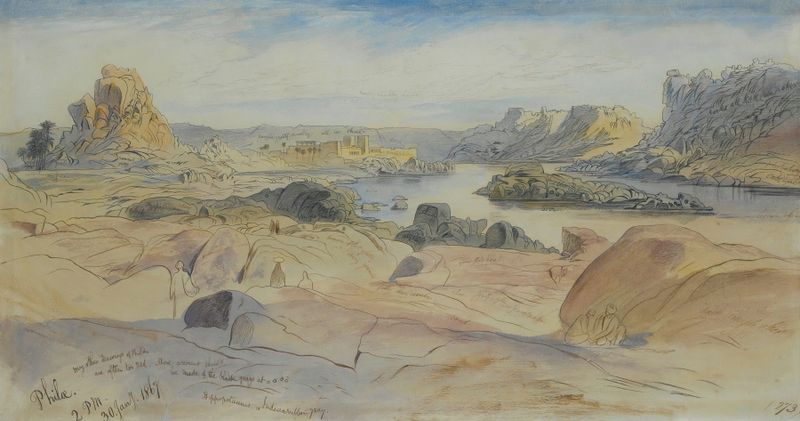
Philae, Egypt
Edward Lear
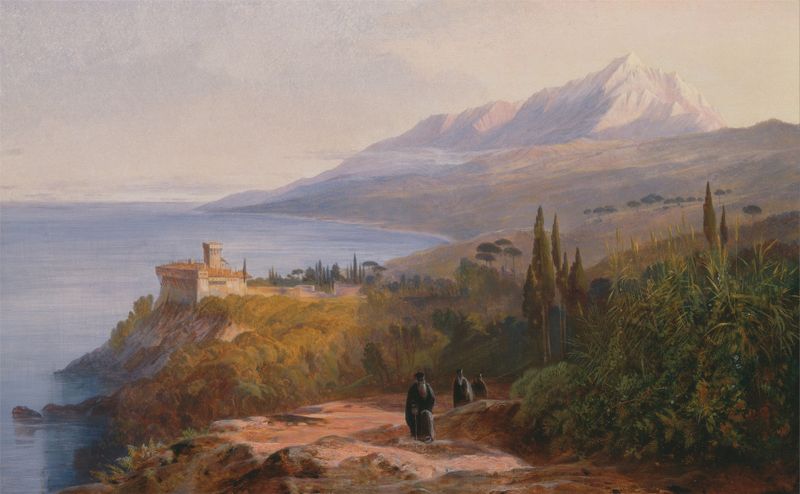
Mount Athos and the Monastery of Stavronikétes
Edward Lear
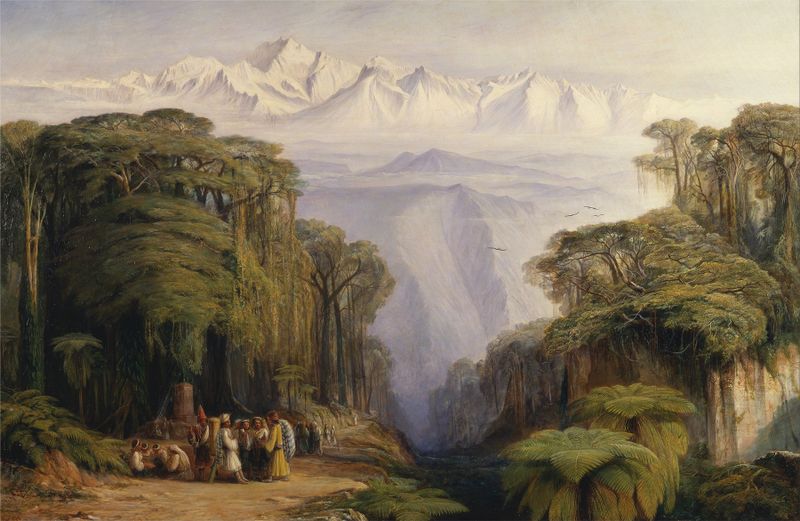
Kangchenjunga from Darjeeling
Edward Lear
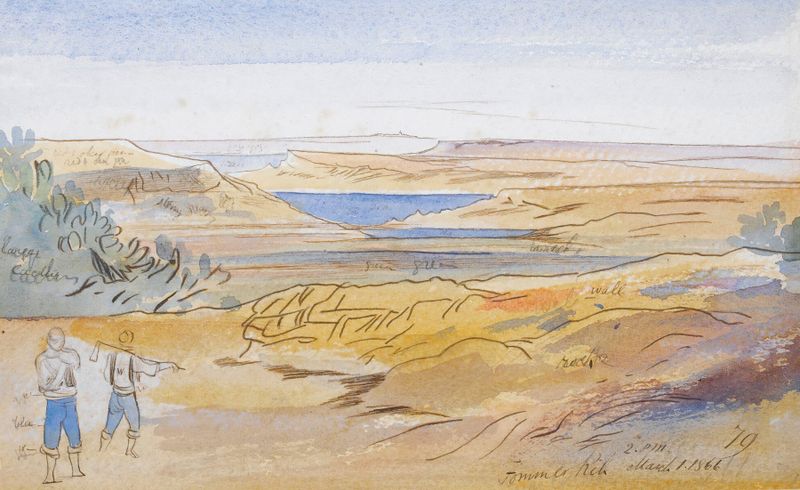
Fomm Ir-Rih, Malta
Edward Lear
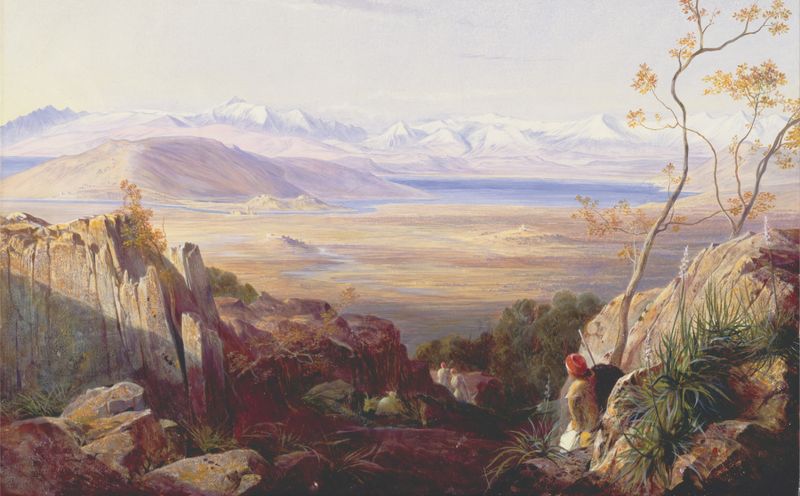
Butrinto, Albania
Edward Lear
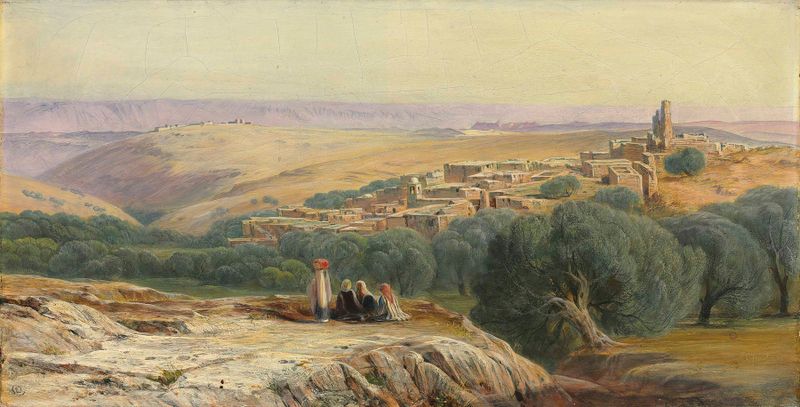
The Plains of Bethany
Edward Lear

Karnak, 9-30 pm, 22 January 1867
Edward Lear
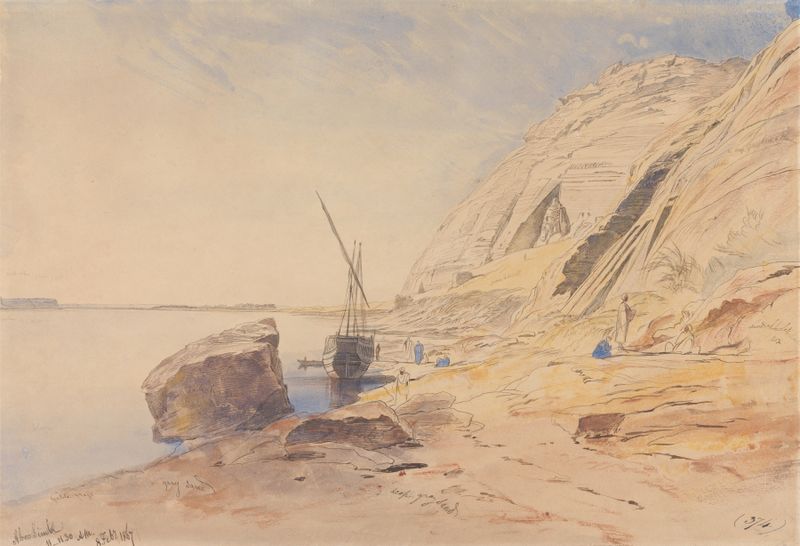
Abu Simbel, 11-11;30 am, 8 February 1867 (374)
Edward Lear

A View Of Mount Athos And The Pantokrator Monastery, Greece
Edward Lear





