
The Great Gate, Lincoln’s Inn — History & Facts
Could a single brushstroke hold eternity? In The Great Gate, Lincoln’s Inn, light becomes a tangible force, illuminating the intricate details of this architectural marvel while inviting contemplation on the passage of time. Look to the center at the grand archway, where the limestone façade appears almost alive, its textures enhanced by the interplay of shadow and light. Notice how the sunlight filters through the trees, casting dappled patterns on the ground while the vibrant greens of foliage contrast against the cool grays of stone. This careful composition balances warm and cool tones, drawing the viewer’s eye toward the depth and grandeur of the gate itself, which stands as a silent guardian of history. Within this serene moment lies a tension between permanence and transience.
The gate, though sturdy, hints at the inevitable decay of time, while the play of light suggests fleeting moments that shimmer and vanish. The surrounding nature offers a contrast, breathing life into the scene, yet it is the gate that silently echoes stories of those who passed beneath it, representing a bridge between eras and lives. Joseph Pennell created this work in 1928, during a period when the British art scene was evolving, moving away from traditional forms toward modernism. Living in London, he captured the essence of the city’s architecture with a fresh perspective, reflecting not only his personal artistic journey but also the changing cultural landscape of the time, marked by shifts in society and industry.
More Artworks by Joseph Pennell
Browse all →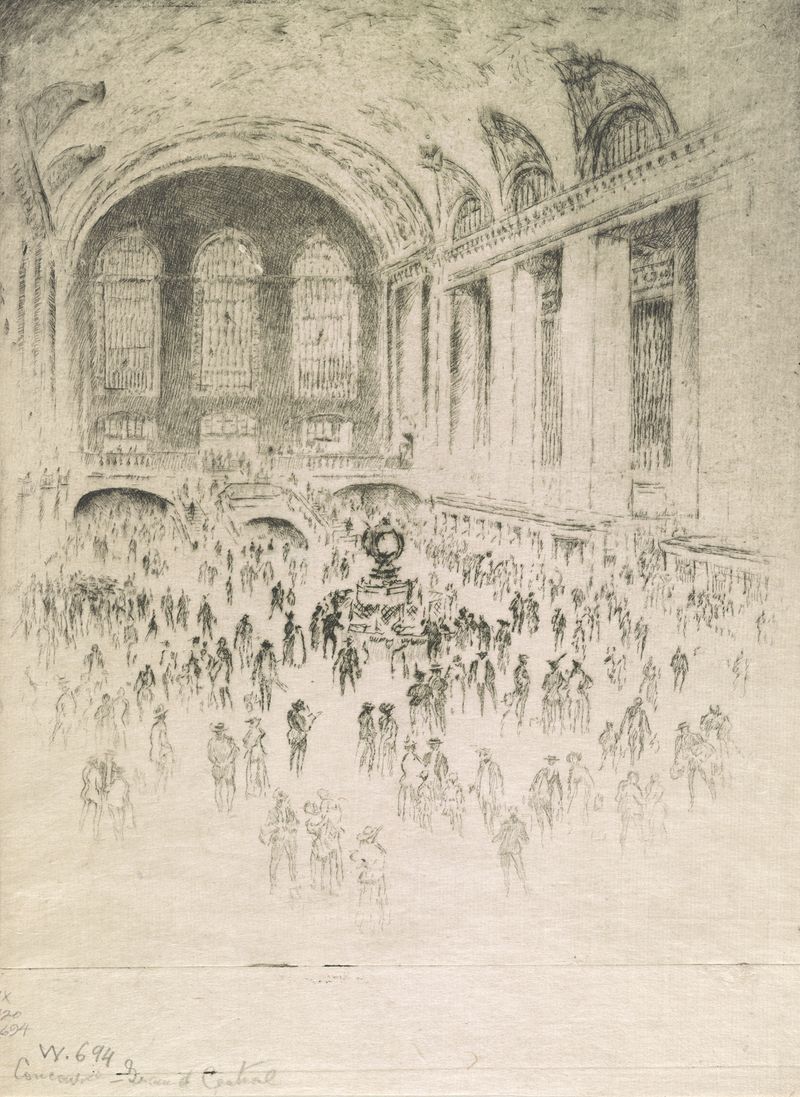
Concourse, Grand Central
Joseph Pennell
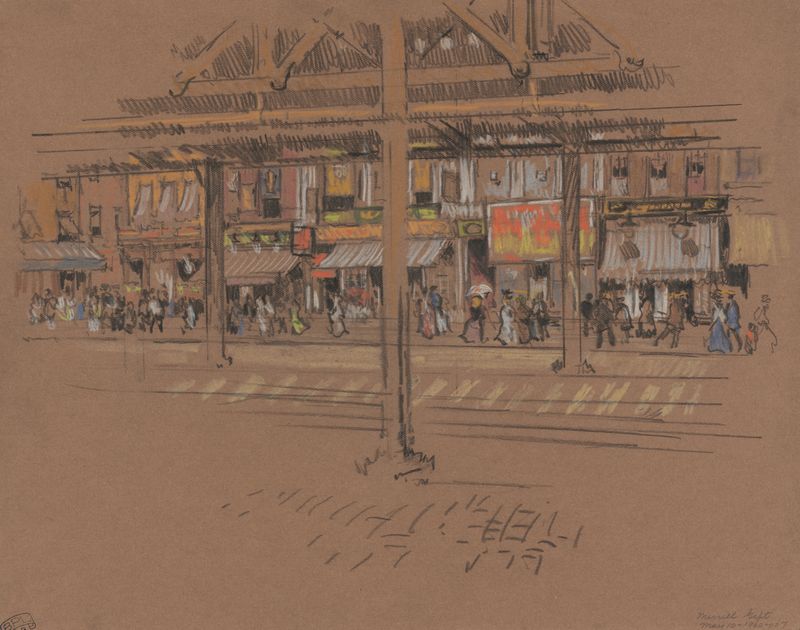
Sixth Avenue
Joseph Pennell
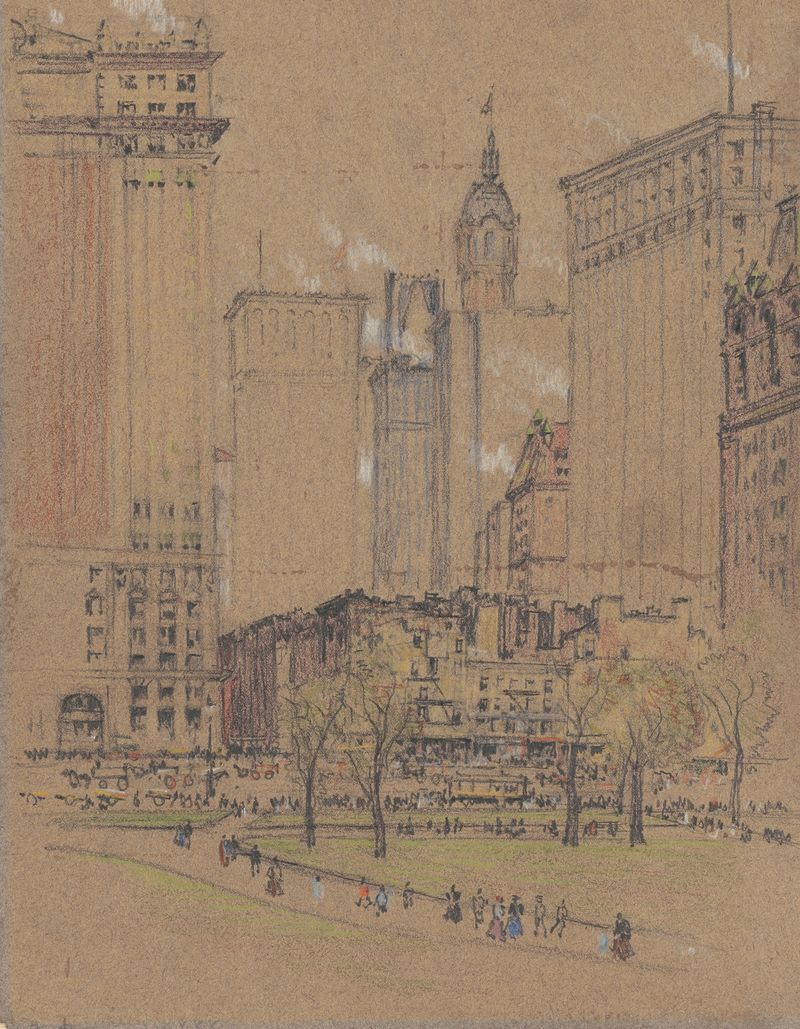
New York,the Old and the New
Joseph Pennell
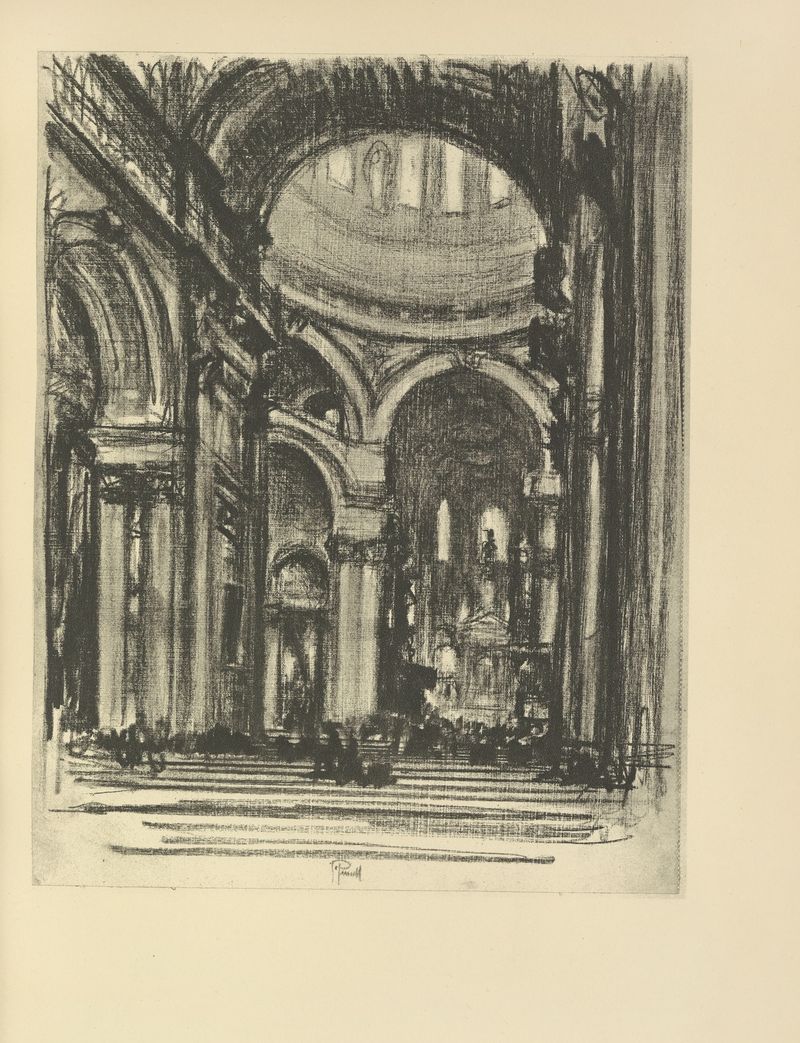
St. Paul’s, The Nave
Joseph Pennell
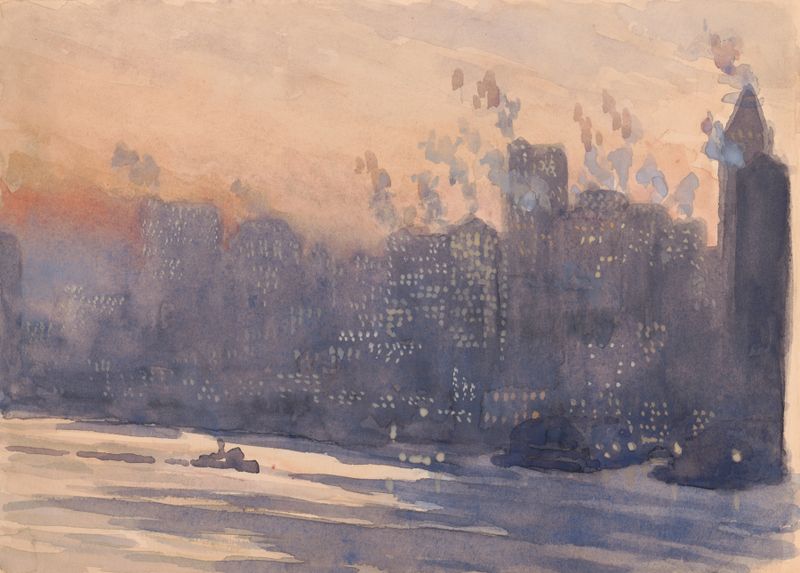
New York City harbor and skyline at night
Joseph Pennell
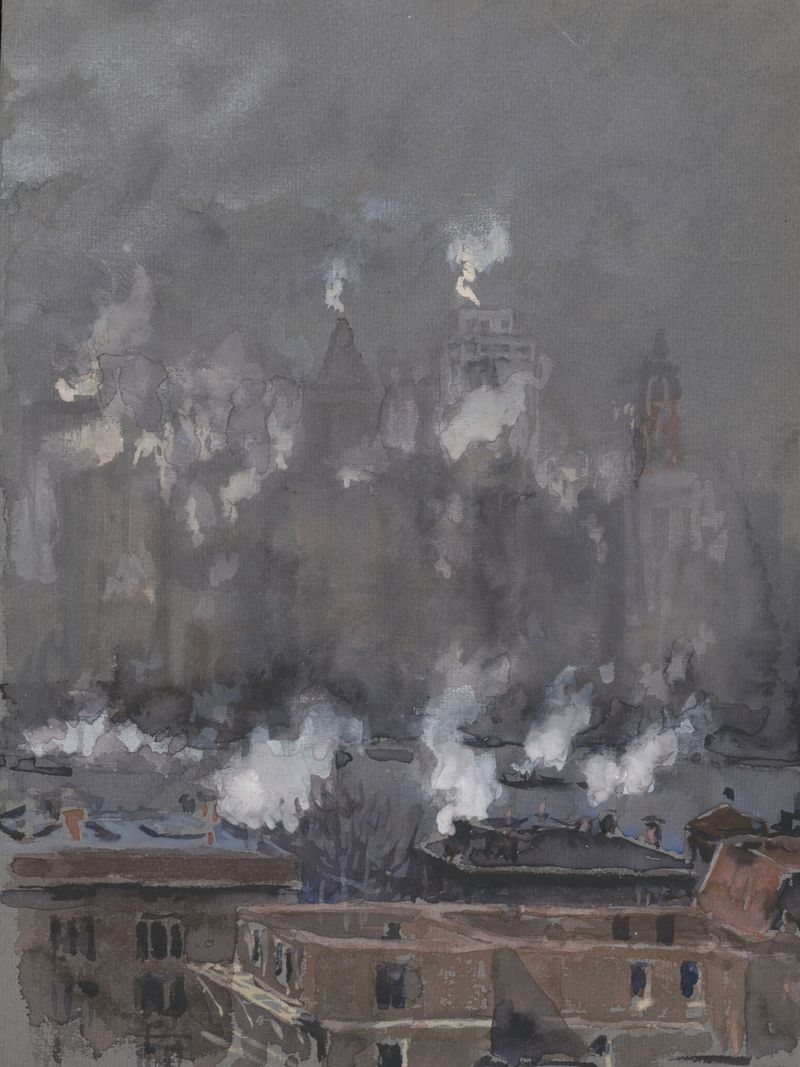
Smoke and fog on gray day, New York City
Joseph Pennell
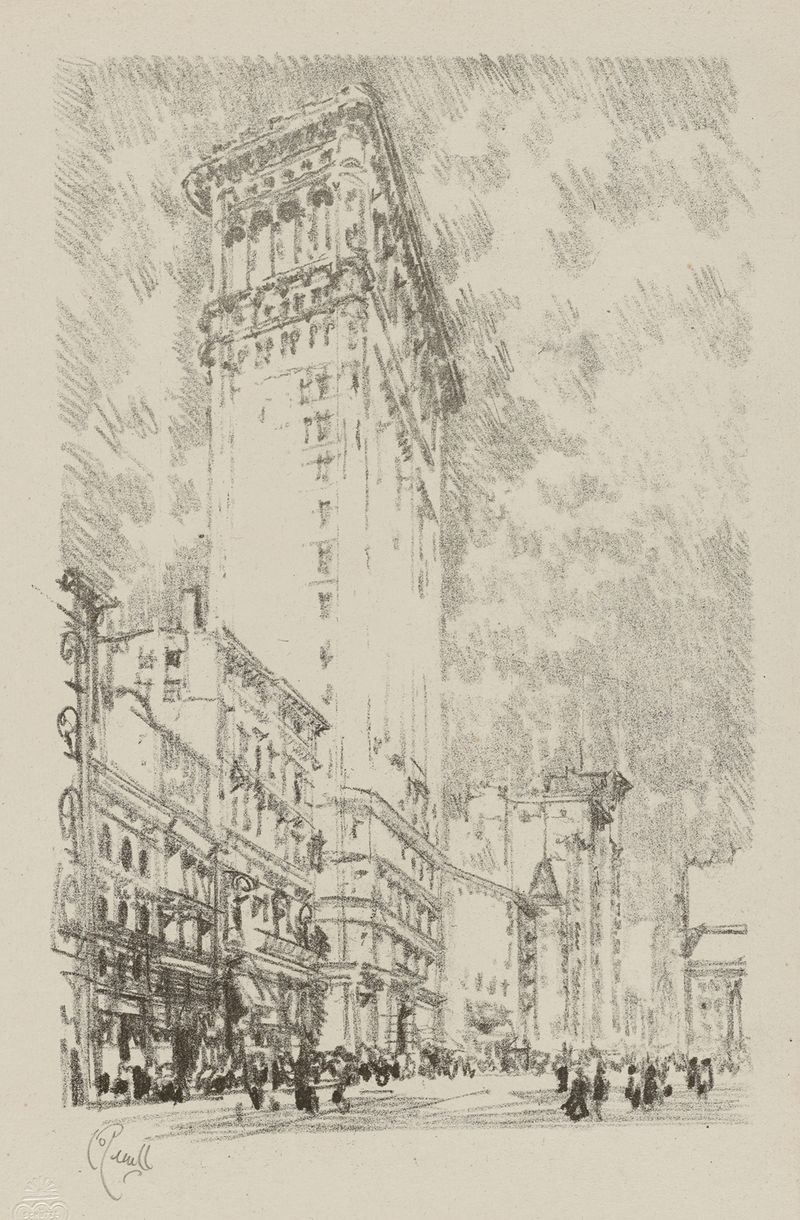
The Flat Iron
Joseph Pennell
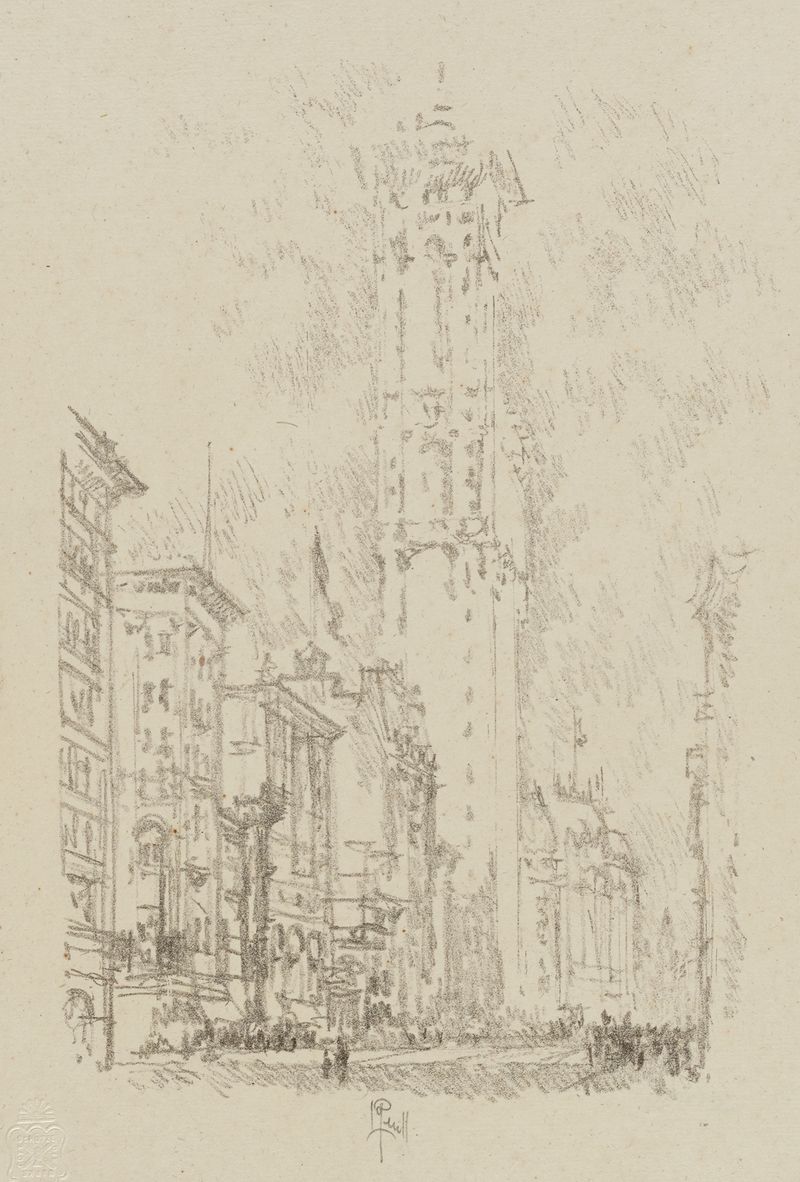
The Times Building
Joseph Pennell
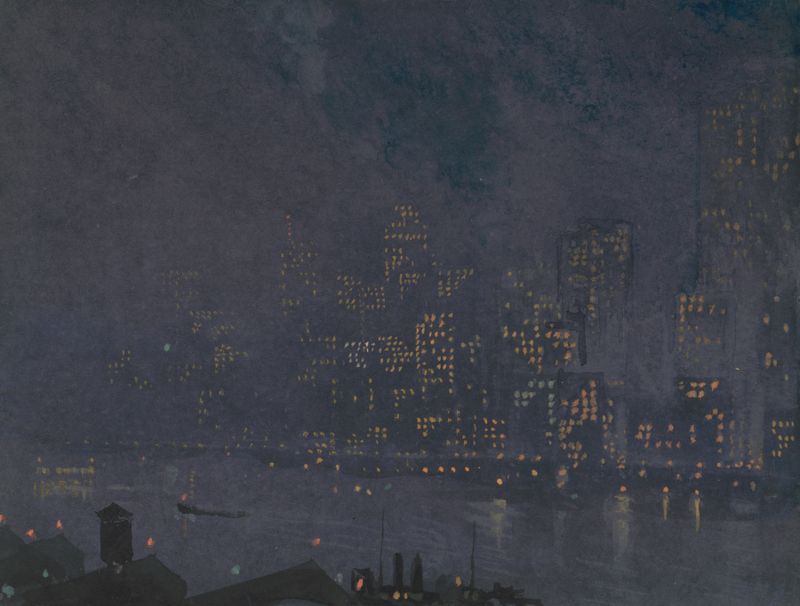
Skyscrapers at night
Joseph Pennell

St. James’ Park
Joseph Pennell
More Architecture Art
Browse all →
The statue of Liberty
Frédéric Auguste Bartholdi

View of Houses in Delft, Known as ‘The Little Street’
Johannes Vermeer

View of Houses in Delft, Known as ‘The Little Street’
Johannes Vermeer

The Cathedral in Rouen. The portal, Grey Weather
Claude Monet

The yellow house
Vincent van Gogh

The Church in Auvers-sur-Oise, View from the Chevet
Vincent van Gogh