
The Gypsies — History & Facts
What secret hides in the quiet of the canvas? In The Gypsies, a dreamlike tableau emerges, whispering of stories untold and lives uncharted. Look to the left at the couple huddled beneath the arching branches, their posture intimate yet pensive. The soft earthy tones envelop them, rendered with delicate brushstrokes that create a sense of warmth and nostalgia. The play of light filters through the leaves, casting dappled shadows on their faces, revealing the subtle emotions that flicker between them.
Notice how the background fades into a gentle blur, amplifying the figures while drawing the viewer into their secluded world. Beneath the surface, contrasts breathe life into the work: the serenity of the scene juxtaposes the restless spirit often associated with the Romani people. The gentle expressions of the figures suggest a moment of peace amid their transient existence, hinting at the yearning for stability and belonging. The surrounding nature, lush yet untamed, mirrors their unanchored lifestyle, inviting a contemplation of freedom and its costs. In 1872, Corot painted this work during a time when Romanticism was waning and Realism was emerging.
Living in France, a country in the midst of social and political change, he sought to capture the ephemeral beauty of life and nature. This period marked a deep exploration of themes such as identity and wanderlust, reflecting the artist's own fascination with transient subjects, making this work a poignant encapsulation of his evolving vision.
More Artworks by Jean-Baptiste-Camille Corot
Browse all →
View of Genoa
Jean-Baptiste-Camille Corot
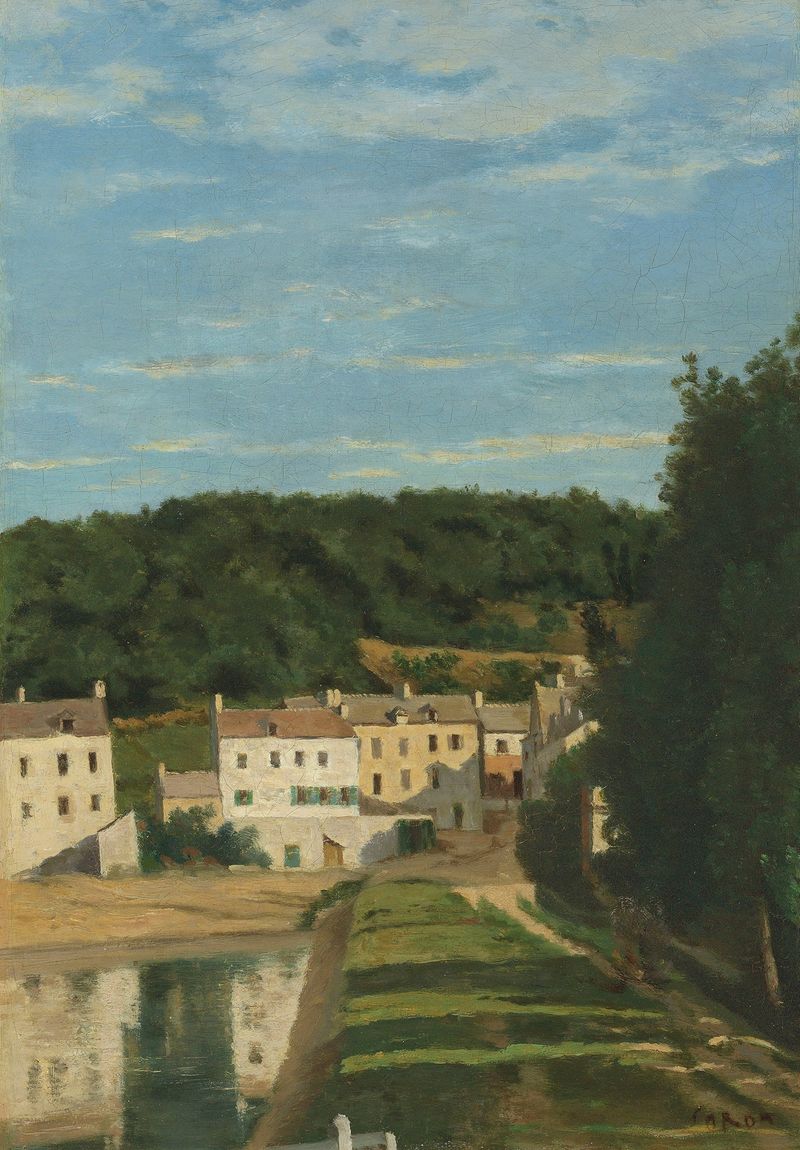
Les Maisons Cabassud À Ville D’avray
Jean-Baptiste-Camille Corot

La solitude. Souvenir de Vigen (Limousin)
Jean-Baptiste-Camille Corot
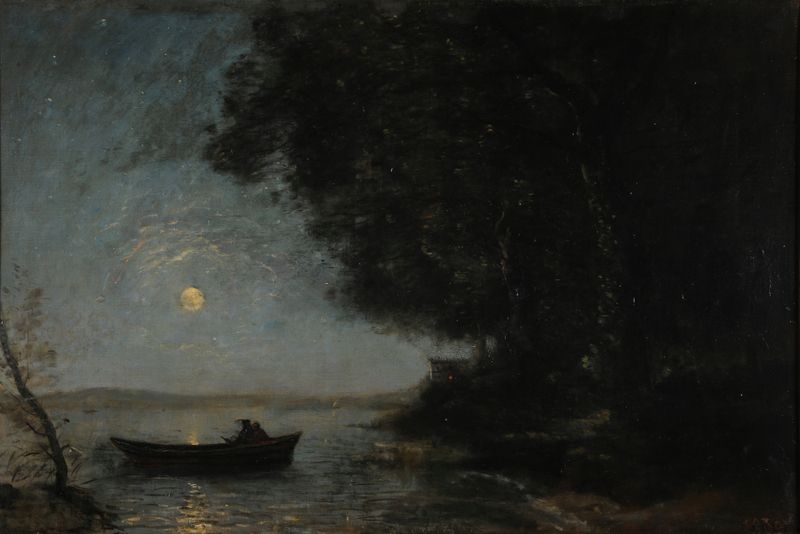
Le lac ; effet de nuit
Jean-Baptiste-Camille Corot
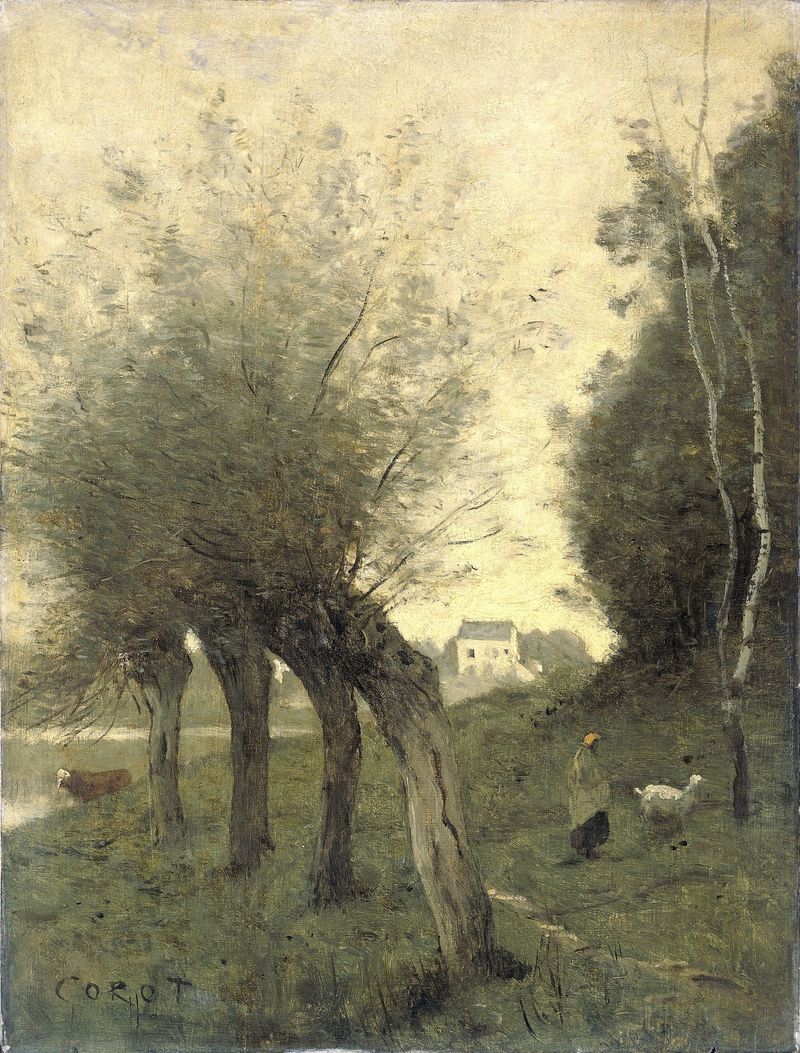
Landscape with Pollard Willows
Jean-Baptiste-Camille Corot
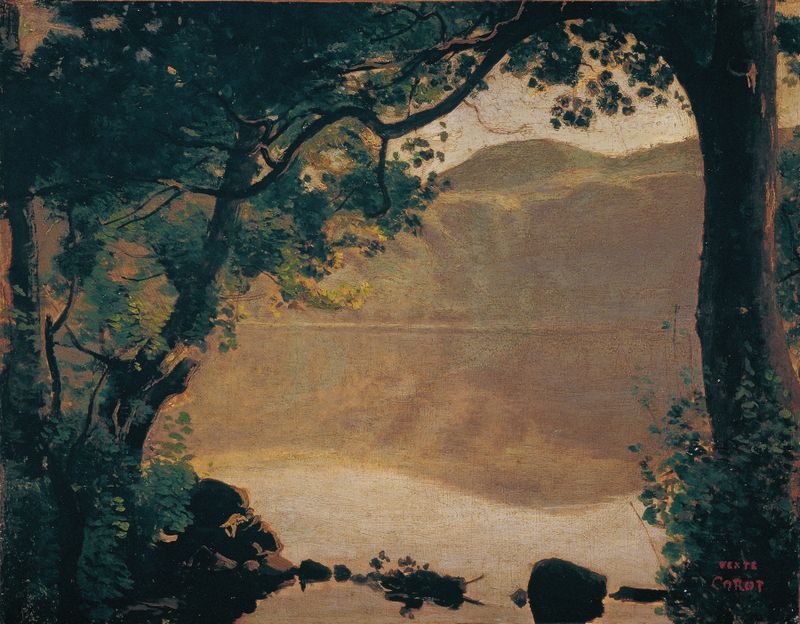
Der Nemisee
Jean-Baptiste-Camille Corot
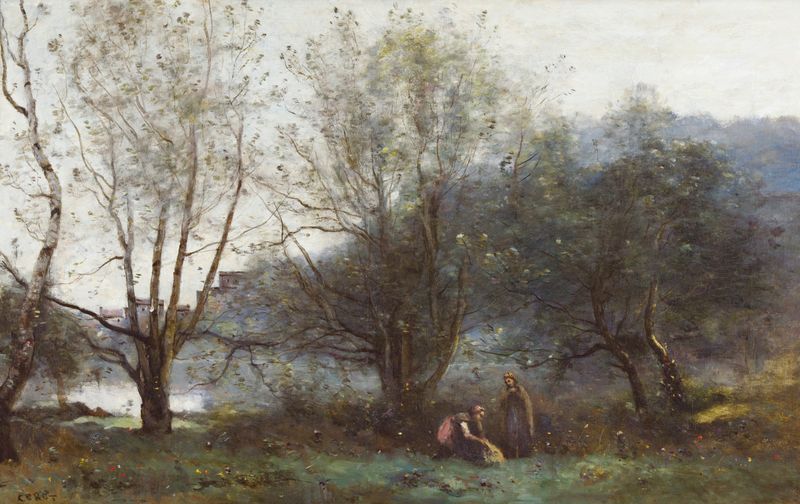
Les Étangs De Ville D’avray
Jean-Baptiste-Camille Corot
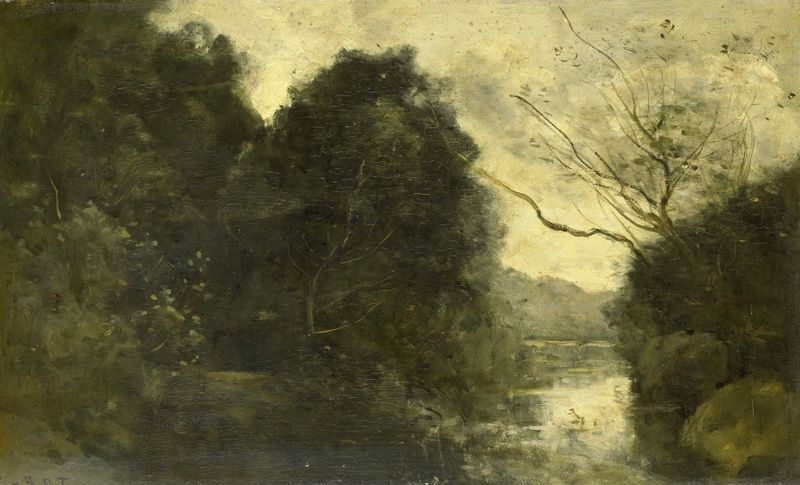
Pond in the Woods
Jean-Baptiste-Camille Corot
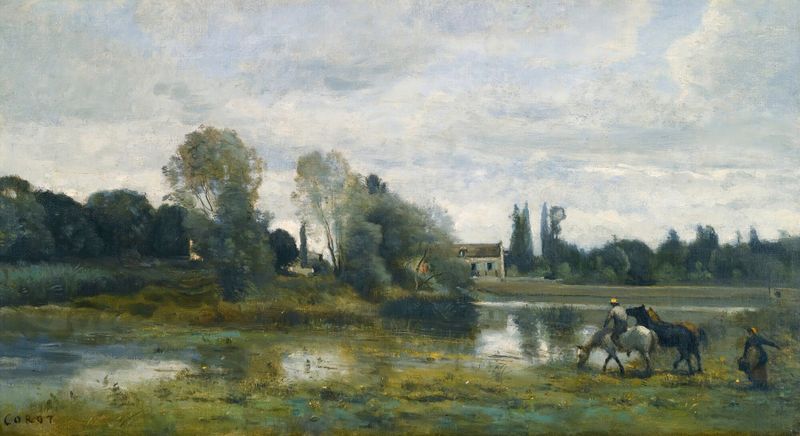
Ville D’avray; L’abreuvoir Des Chevaux
Jean-Baptiste-Camille Corot
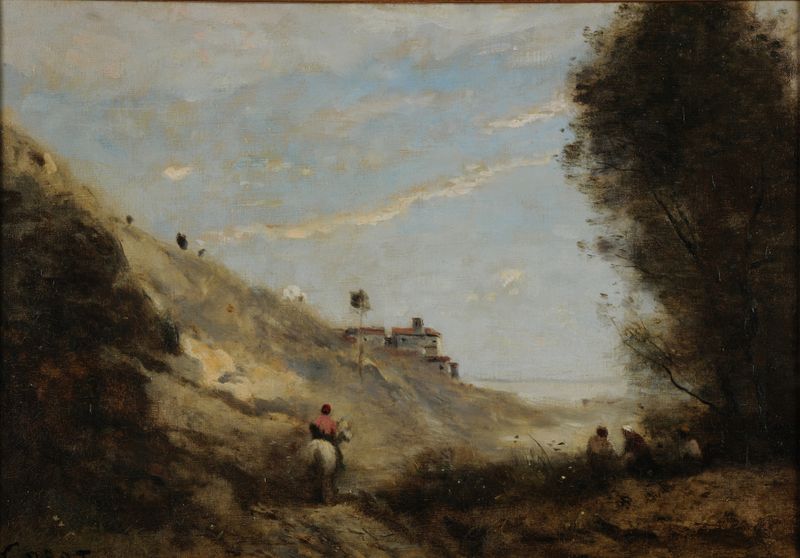
Le vallon au cavalier
Jean-Baptiste-Camille Corot





