
The Hanged Monk — History & Facts
Can beauty exist without sorrow? In The Hanged Monk, Goya challenges viewers to confront the profound interplay between divinity and despair, evoking a visceral reaction that lingers in the mind. Look closely at the figure suspended against a muted, dark backdrop. The monk's lifeless form dangles in stark contrast to the subtle, diffuse light that illuminates his face, casting eerie shadows that dance across the canvas. Goya’s brushwork reveals a masterful understanding of chiaroscuro, creating a haunting depth that compels the eye to explore the tension between the monk's serene expression and the violent nature of his fate. The composition invites a contemplation of sacrifice and moral ambiguity.
The monk, often seen as a harbinger of spirituality, now embodies the fragility of faith in the face of injustice. The paradox of his perceived holiness juxtaposed with his grim demise forces us to question the sanctity of life and the cost of divine devotion. Subtle details, such as the rope that binds him and the remnants of a once-vibrant robe, whisper of lost ideals and the erosion of piety. Painted around 1810 during a tumultuous period in Spain marked by war and social upheaval, Goya distills his growing disillusionment with the Church and the oppressive forces of his time.
This artwork reflects his shift towards darker themes, as he grappled with the complexities of human nature and morality. In the face of a changing world, he captured not just the external conflicts, but the internal battles that define our existence.
More Artworks by Francisco de Goya
Browse all →
The Third of May 1808
Francisco de Goya

De slaap van de rede brengt monsters voort
Francisco de Goya

The Charge of the Mamelukes (1814)
Francisco de Goya
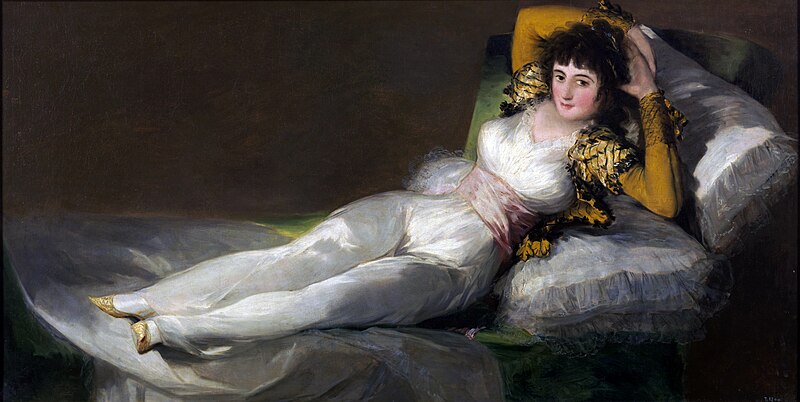
La maja vestida
Francisco de Goya

La maja desnuda
Francisco de Goya
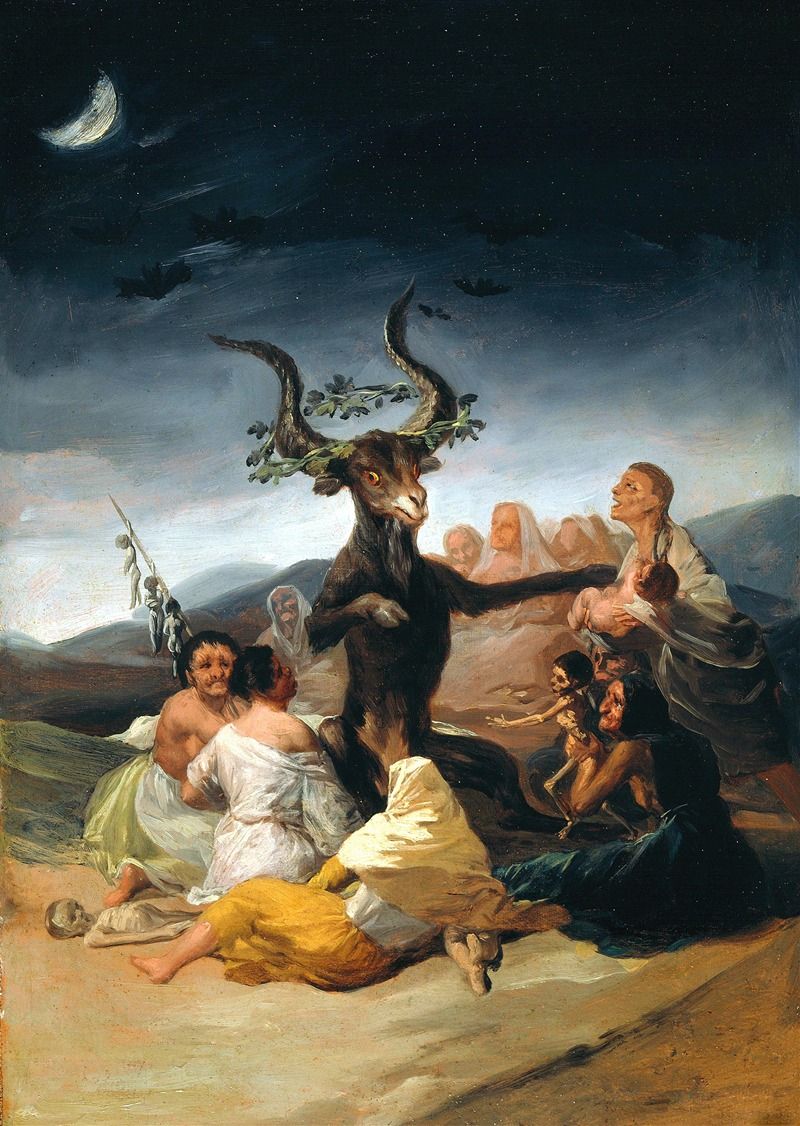
The Sabbath of witches
Francisco de Goya
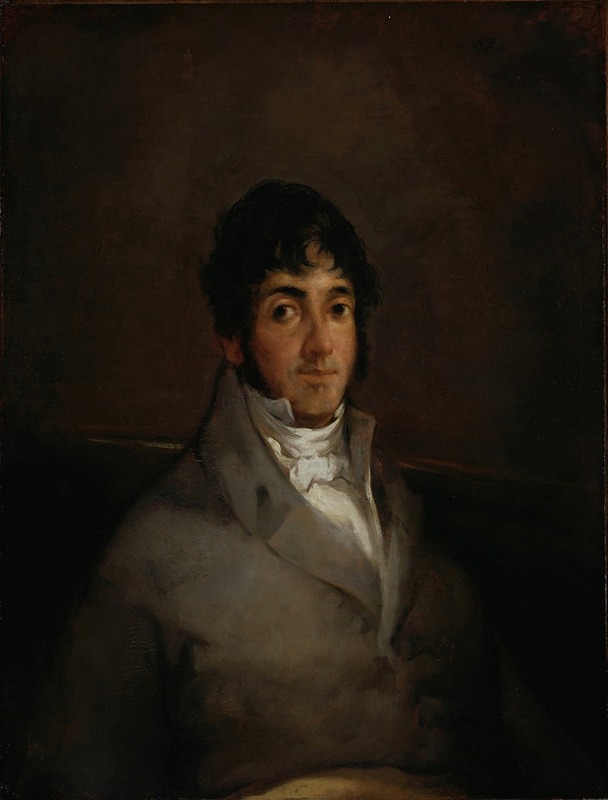
Portrait of Isidoro Maiquez
Francisco de Goya
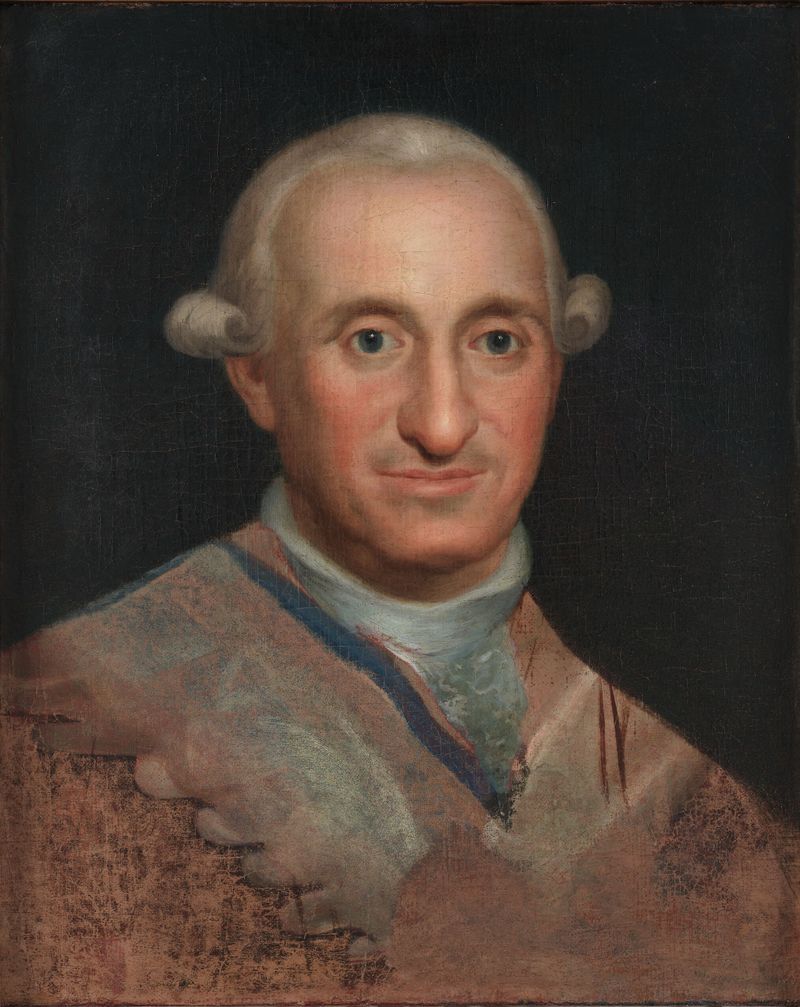
Charles IV, King of Spain
Francisco de Goya
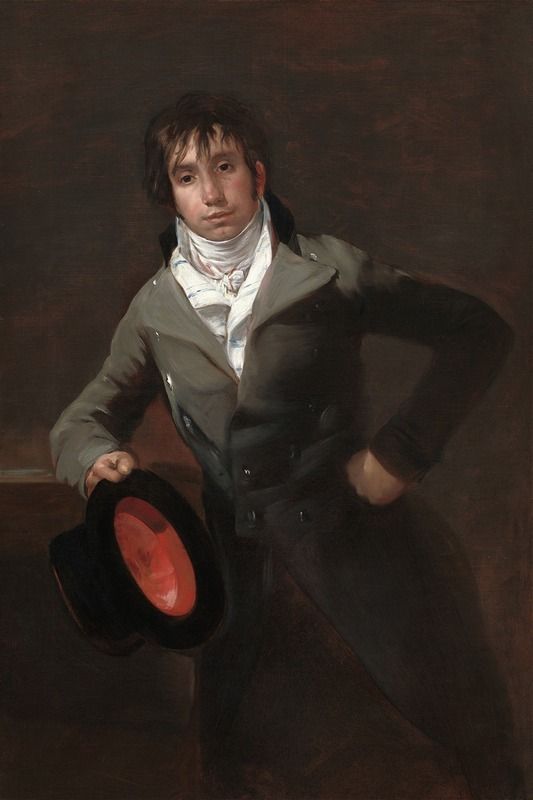
Bartolomé Sureda y Miserol
Francisco de Goya
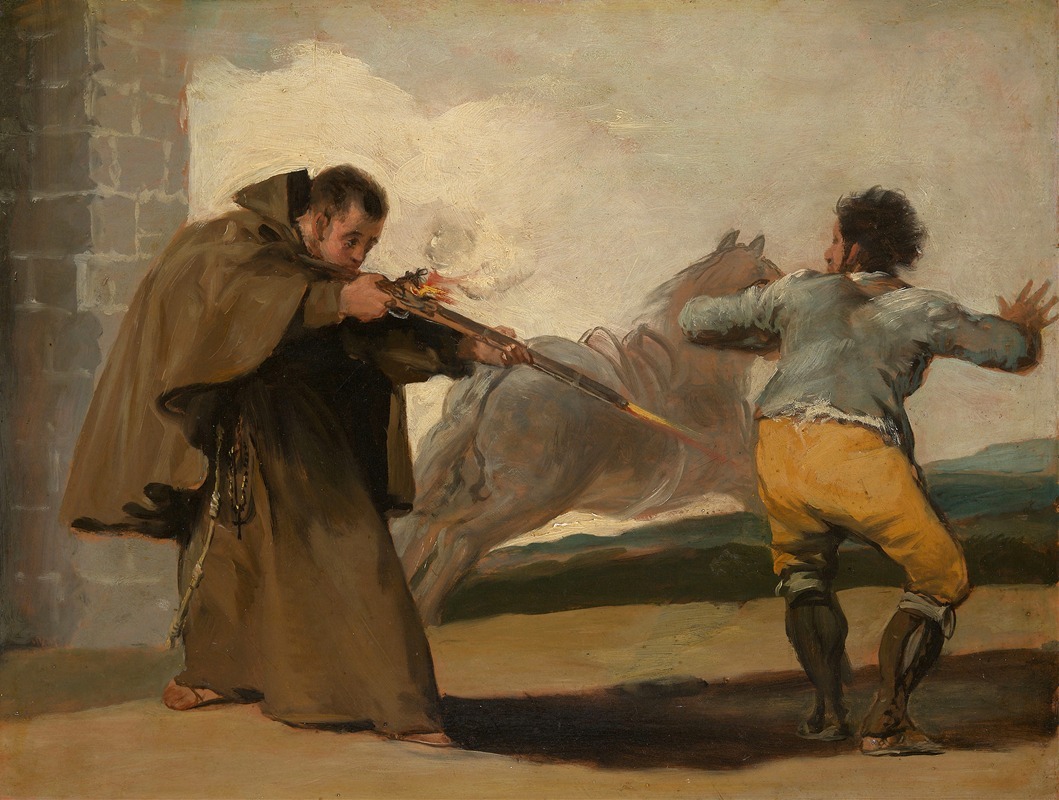
Friar Pedro Shoots El Maragato as His Horse Runs Off
Francisco de Goya
More Religious Art
Browse all →
The Return of the Prodigal Son
Rembrandt van Rijn

The Garden of Earthly Delights
El Bosco

Count Orgaz’ funeral
El Greco

The Hundred Guilder Print: the central piece with Christ preaching, the plate arched
Rembrandt van Rijn

The Descent from the Cross
Rogier van der Weyden

The return of the prodigal son
Rembrandt van Rijn