
The Holy Family — History & Facts
Few painters of the Dutch Golden Age could conjure the glow of candlelight as intimately as Godfried Schalcken. What sets The Holy Family apart is its rare blend of sacred subject and the artist’s signature nocturnal atmosphere—a combination more often reserved for genre scenes or portraits of burghers than for biblical narrative. Schalcken’s fascination with the interplay of light and shadow transforms this familiar theme into something quietly radical, inviting viewers into a hushed, domestic world where the divine is rendered with the intimacy of everyday life.
Scholars note that, unlike many contemporaries, Schalcken painted the Holy Family not in celestial splendor but in the gentle radiance of a single lamp. At the heart of the painting, Mary cradles the infant Jesus, her features softened by the warm, flickering light that spills from a lamp or candle just out of sight. Joseph stands watchfully nearby, his hands perhaps busy with a humble task, as if to anchor the scene in the rhythms of ordinary existence. Schalcken’s meticulous attention to the fall of light on linen, skin, and wood transforms the holy figures into people one might encounter in a quiet Dutch interior.
The artist’s choice to depict the family at rest, rather than in flight or adoration, distinguishes this work from the grand, dramatic interpretations by artists like Peter Paul Rubens, whose Holy Family compositions teem with angels and movement. Here, the silence and stillness speak volumes about the sanctity Schalcken found in domestic peace. The precise origins of The Holy Family remain uncertain; no surviving records reveal its first patron or intended setting. However, the painting’s intimate scale and subject suggest it was meant for private devotion, typical of the late seventeenth-century Dutch market.
Over time, works by Schalcken have often been misattributed or confused with those of his followers, given the popularity of his candlelit scenes. Today, this painting stands as a testament to Schalcken’s unique contribution to the tradition of religious art, bridging the sacred and the everyday with the quiet drama of light. Its current home in a museum collection ensures that, centuries later, viewers can still experience the painter’s invitation into a world where the holy is found in the glow of a single lamp.
More Artworks by Godfried Schalcken

Young Man and Woman Studying a Statue of Venus, by Lamplight
Godfried Schalcken

Portrait of an Artist in His Studio
Godfried Schalcken
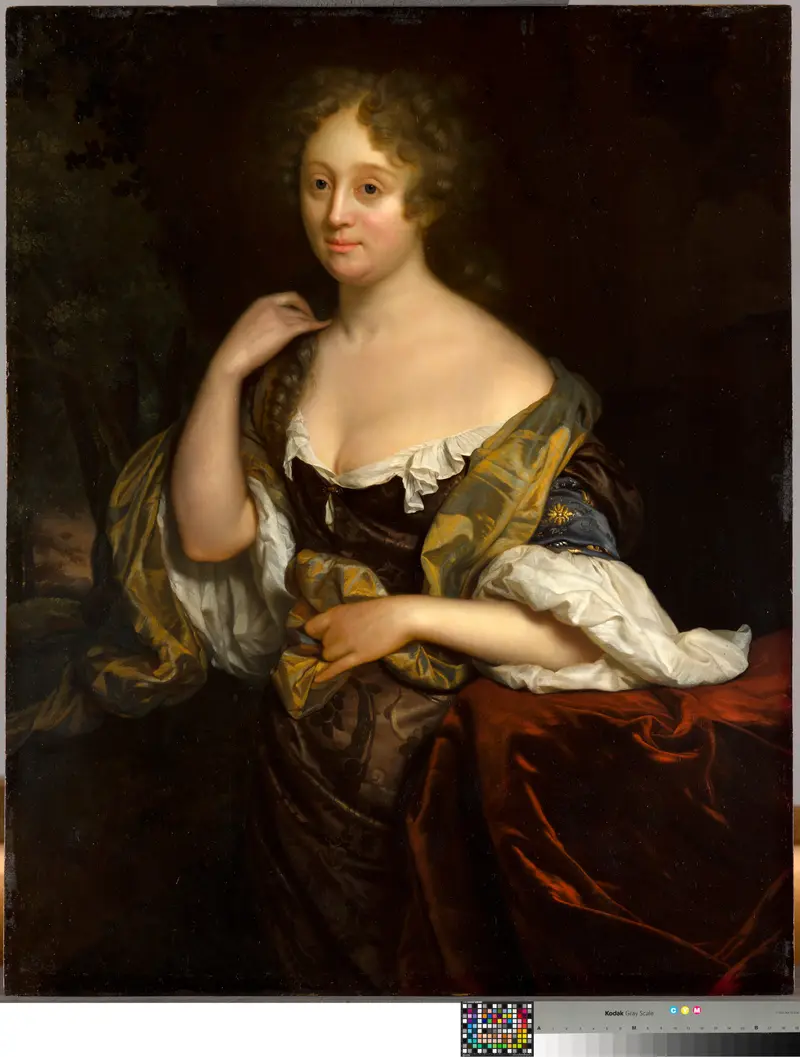
Portrait of Isabella Agneta Deutz
Godfried Schalcken
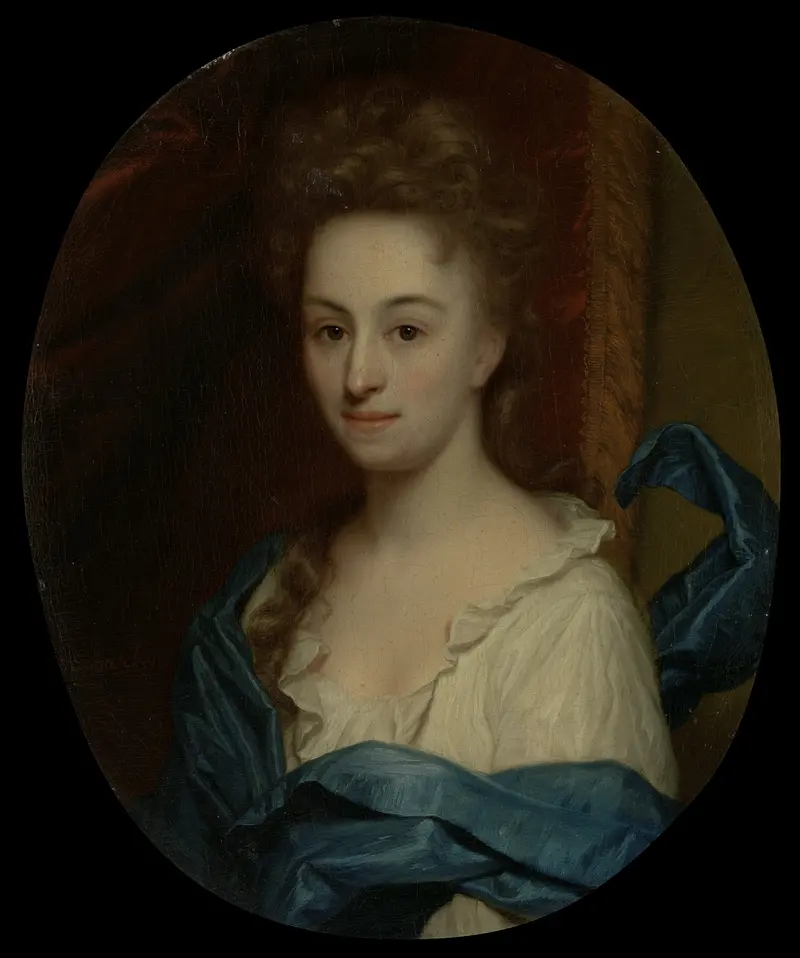
Portrait of Josina Clara van Citters (1671-1753), daughter of Josina Parduyn
Godfried Schalcken
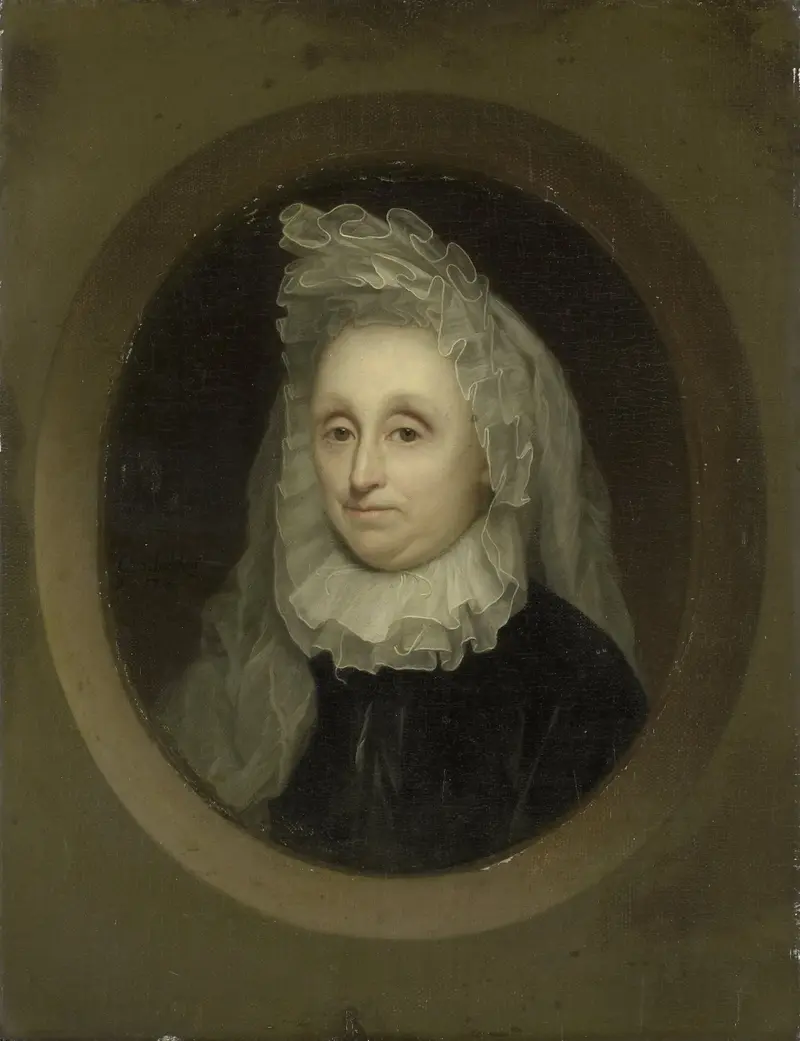
Portrait of Josnia Parduyn (1642-1718), second wife of Aernout van Citters
Godfried Schalcken
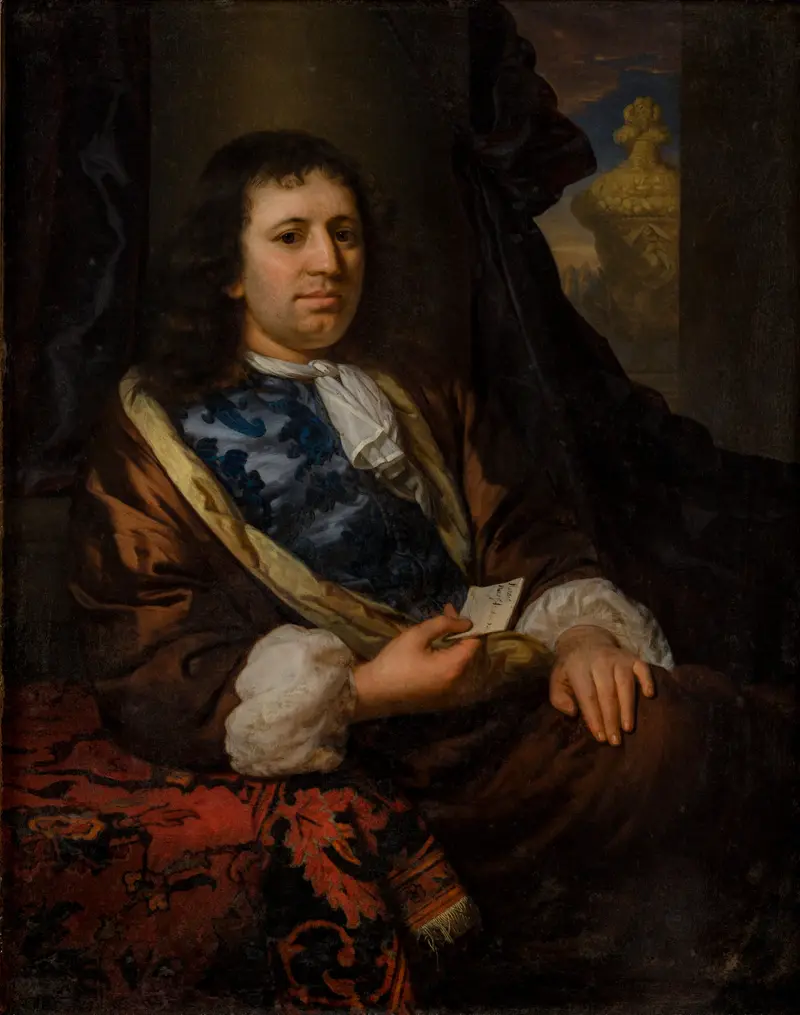
Portret van Johan de Bruin (1678-
Godfried Schalcken
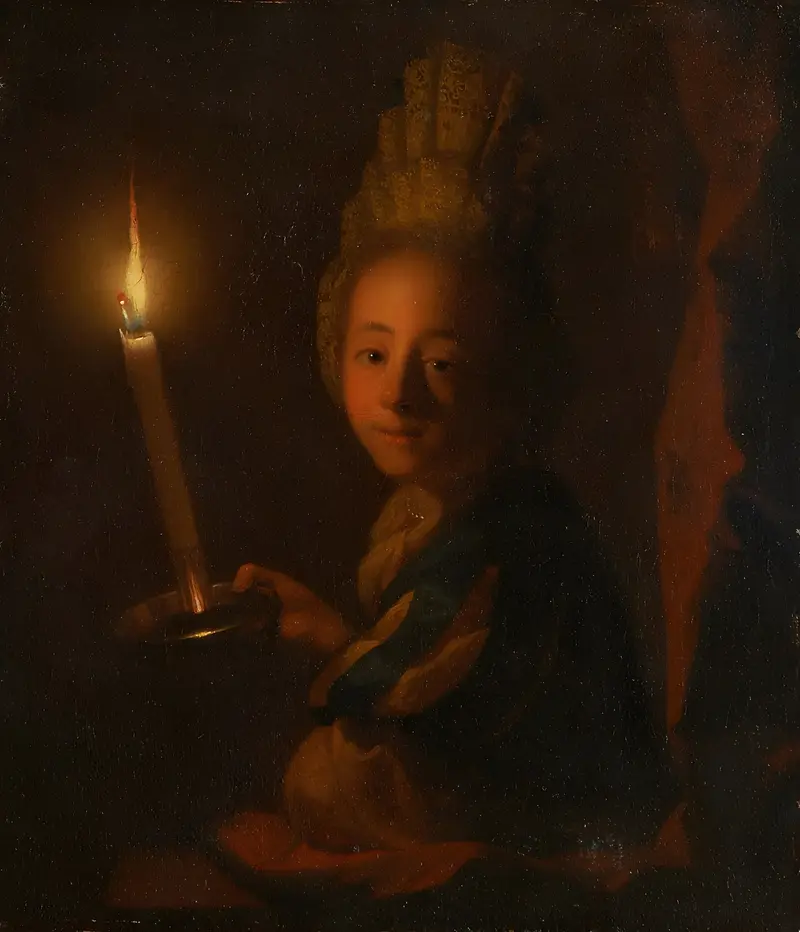
Girl with Burning Candle
Godfried Schalcken
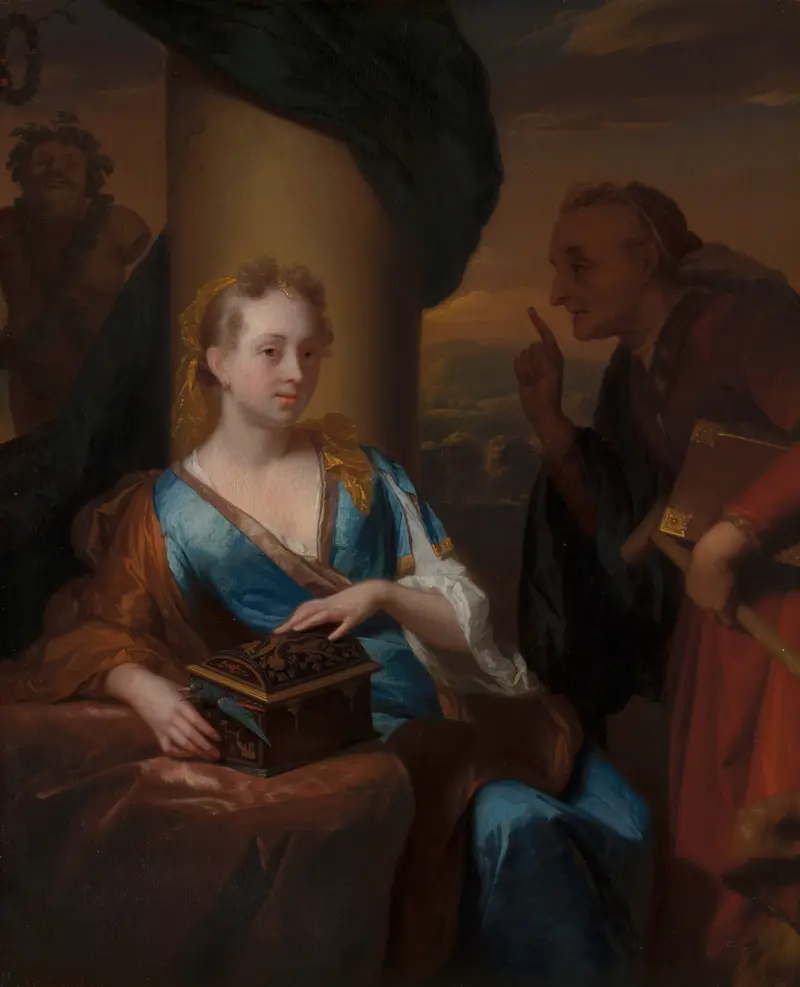
A Useless Moral Lesson
Godfried Schalcken
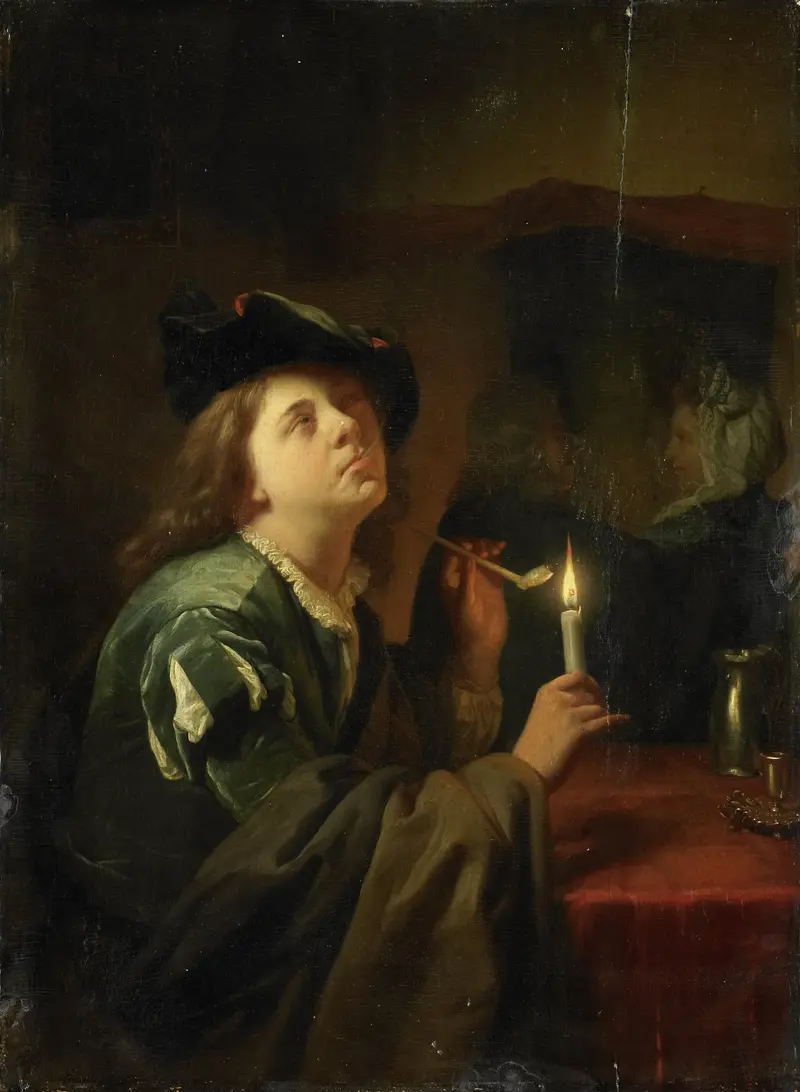
‘Differing tastes’
Godfried Schalcken
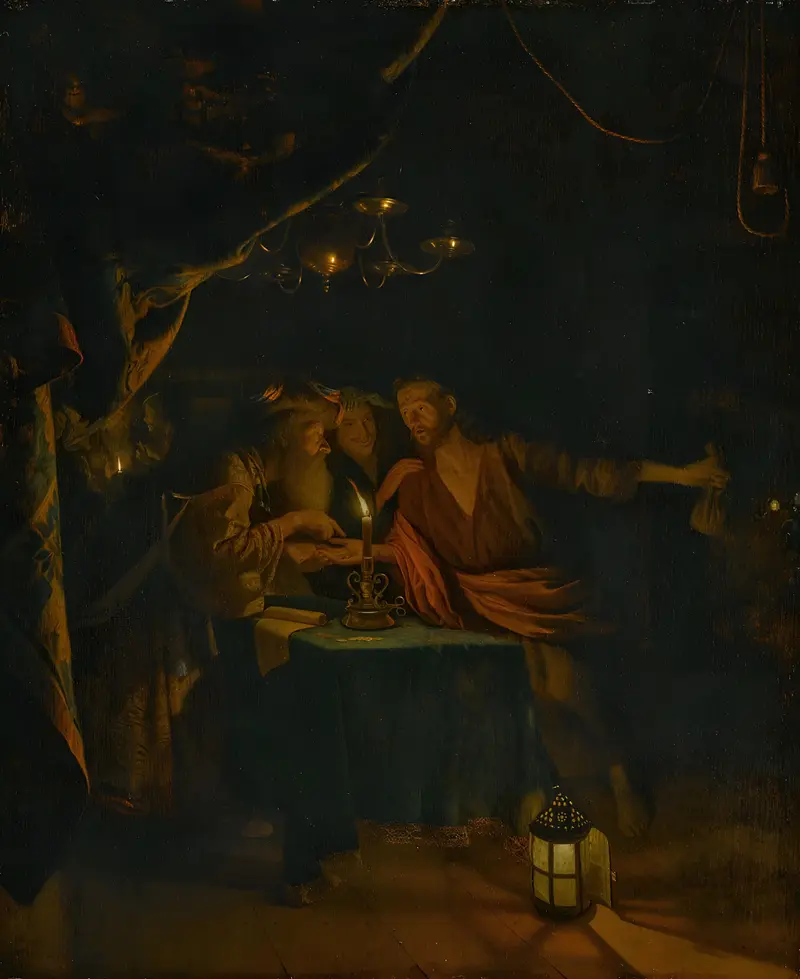
The betrayal of Judas
Godfried Schalcken





