
The Holy Family with Saint John Saint Elizabeth and Saint Joseph Praying — History & Facts
When Nicolas Poussin painted The Holy Family with Saint John Saint Elizabeth and Saint Joseph Praying in 1656, he was nearing the end of his life in Rome, having spent decades refining his vision of classical order and religious feeling. This work is remarkable for its rare focus on a moment of private devotion, rather than the more dramatic scenes favored by many of his contemporaries. Unlike the grand altarpieces of the period, Poussin here invites viewers into a quiet, almost domestic exchange—an approach that reflects the artist’s own retreat from public commissions and his growing interest in intimate, contemplative themes. The scene unfolds in a tranquil landscape, where the Virgin Mary, the infant Jesus, Saint John the Baptist, and Saint Elizabeth gather in prayer, with Saint Joseph kneeling in humble reverence.
Poussin captures the instant when the two mothers, bound by prophecy and kinship, unite their children in a gesture of hope for the future. The clasped hands and gentle gazes create a circle of affection, while the soft, directional light bathes the figures in a sense of serenity. The careful arrangement of bodies and the subtle use of color—muted reds, blues, and ochres—guide the eye through the familial bonds, in marked contrast to the more theatrical treatments of the Holy Family by Peter Paul Rubens, whose swirling movement and dramatic lighting evoke a very different emotional register. The precise origins of this painting remain somewhat unclear, as the patron who first commissioned it is not definitively known, and the medium itself is debated among scholars, though it is generally believed to be oil on canvas.
Over the centuries, The Holy Family with Saint John Saint Elizabeth and Saint Joseph Praying has passed through private collections and has been attributed to different moments in Poussin’s late career, reflecting the artist’s enduring appeal to collectors seeking both intellectual rigor and spiritual depth. Today, the painting is recognized as a testament to Poussin's mature style, where clarity of composition and emotional restraint come together in a work that continues to invite reflection and study.
More Artworks by Nicolas Poussin

Spring
Nicolas Poussin
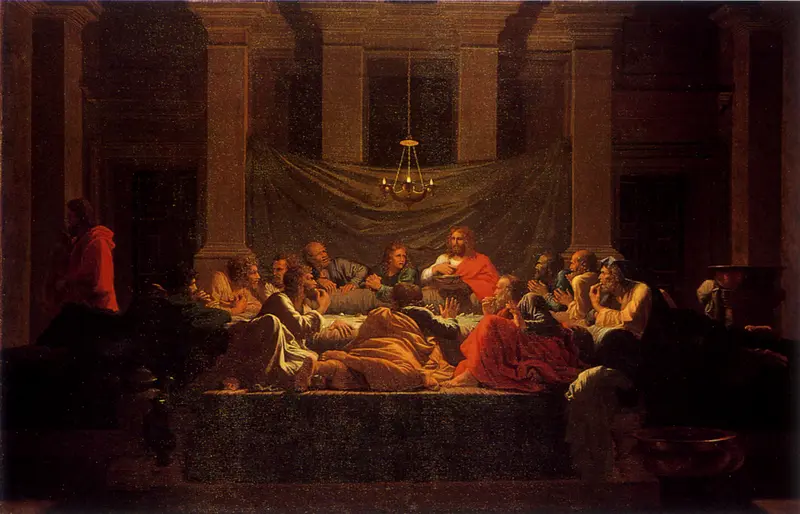
The Sacrament of the Holy Eucharist
Nicolas Poussin
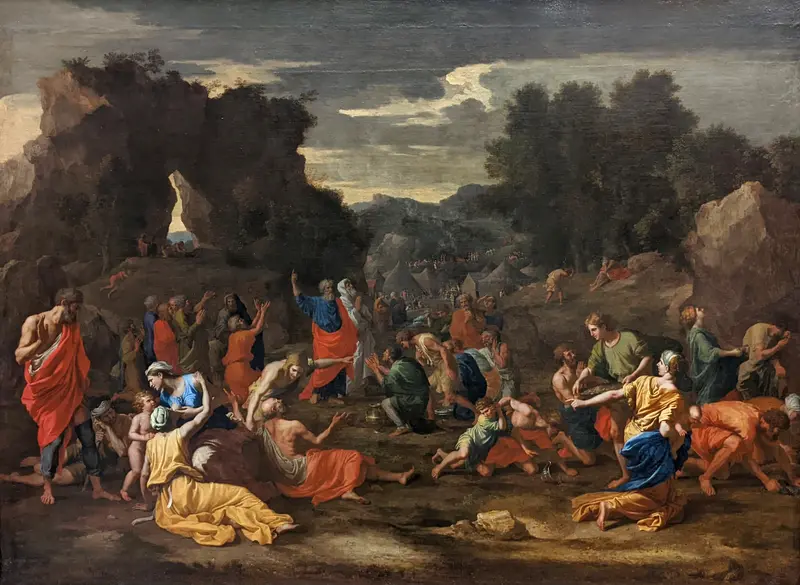
The Israelites gathering Manna in the Desert
Nicolas Poussin
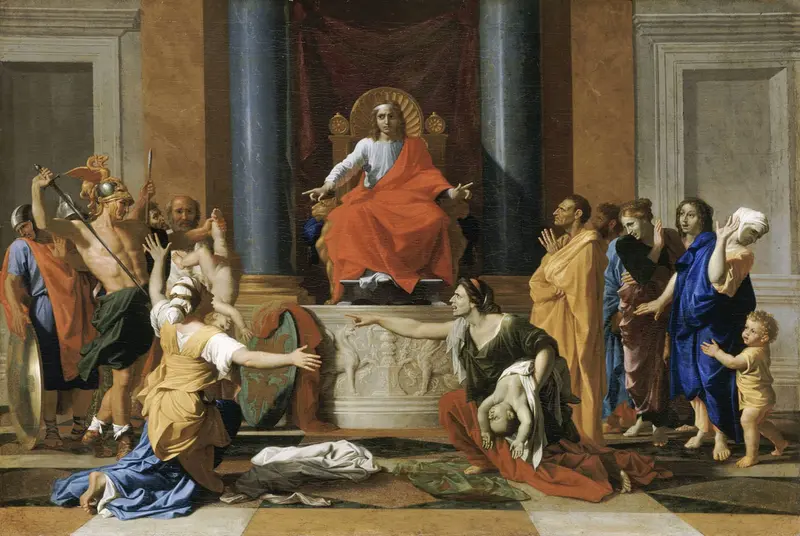
The Judgment of Solomon
Nicolas Poussin
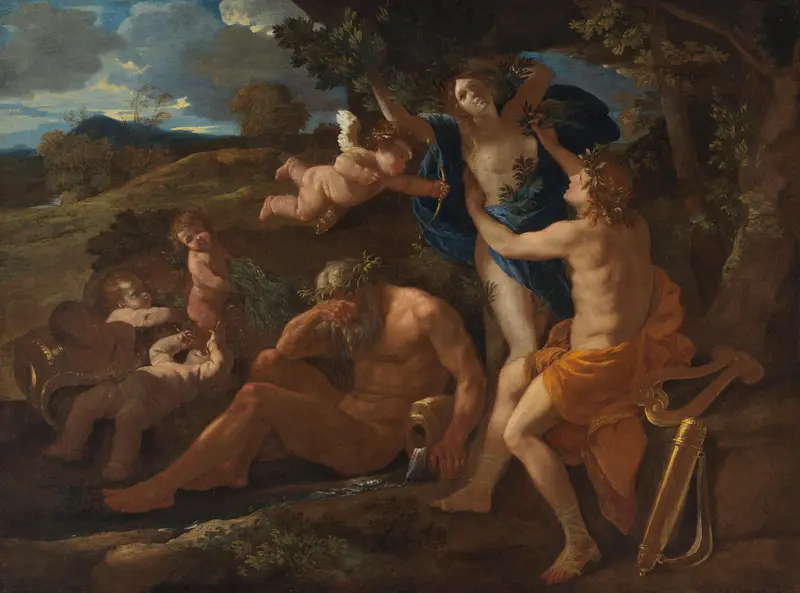
Apollo and Daphne
Nicolas Poussin

The Nurture of Jupiter
Nicolas Poussin

Ordination
Nicolas Poussin
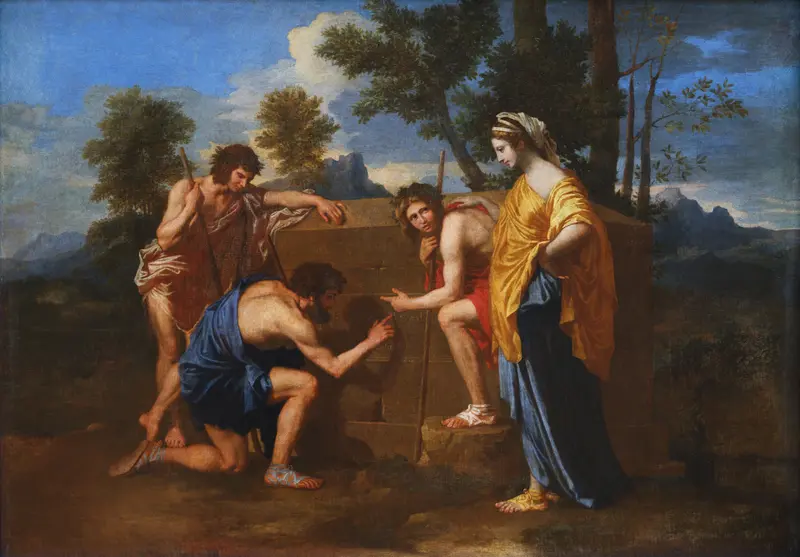
Et in Arcadia ego
Nicolas Poussin
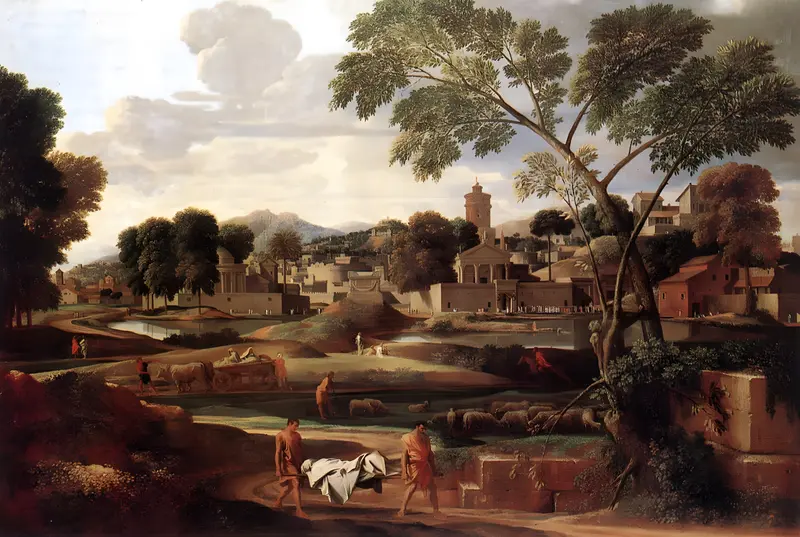
The Funeral of Phocion
Nicolas Poussin
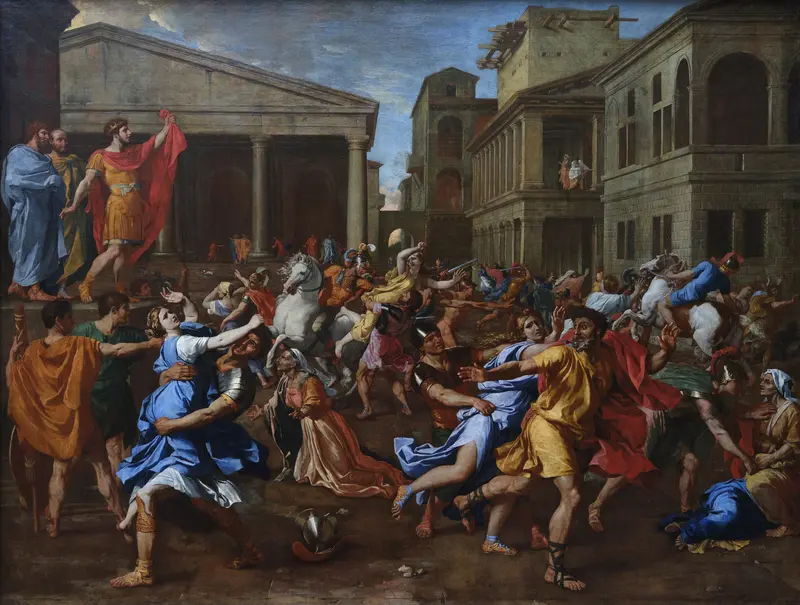
The Rape of the Sabine Women
Nicolas Poussin





