
The House of the Trees — History & Facts
A single figure in flowing green sweeps across the poster, her movement caught mid-stride as she glides beneath a canopy of stylized branches. The eye is drawn first to her billowing cloak, which seems almost to merge with the forest floor, suggesting both freedom and rootedness. The trees, rendered as slender black lines, create a rhythmic vertical pattern that both frames and confines her, while the pale leaves and blossoms break up the strict geometry with organic playfulness.
This is not a literal forest, but a dream of one—a place where a woman can lose herself or perhaps find herself, her book clutched tightly, her gaze turned inward. The limited palette of greens and creams, punctuated by bold black, gives the scene a sense of quiet magic and modernity, inviting the viewer to imagine the poems that might spring from such a landscape. Created in 1895 as a poster for The House of the Trees and Other Poems by Ethelwyn Wetherald, this work by Ethel Reed belongs to a moment when art and commerce were learning to speak the same visual language. The 1890s saw a flourishing of poster art, especially in Boston, where publishers like Lamson, Wolffe and Company commissioned striking designs to capture the attention of a growing reading public.
Reed, one of the few women to gain recognition in this field, brought a distinctly lyrical sensibility to her commercial work, blending the flowing lines of Art Nouveau with a subtle psychological charge. History has kept few traces of the individual journeys of such posters, but their boldness and beauty still call out across the decades—inviting us, even now, to step into the house of the trees.
More Artworks by Ethel Reed
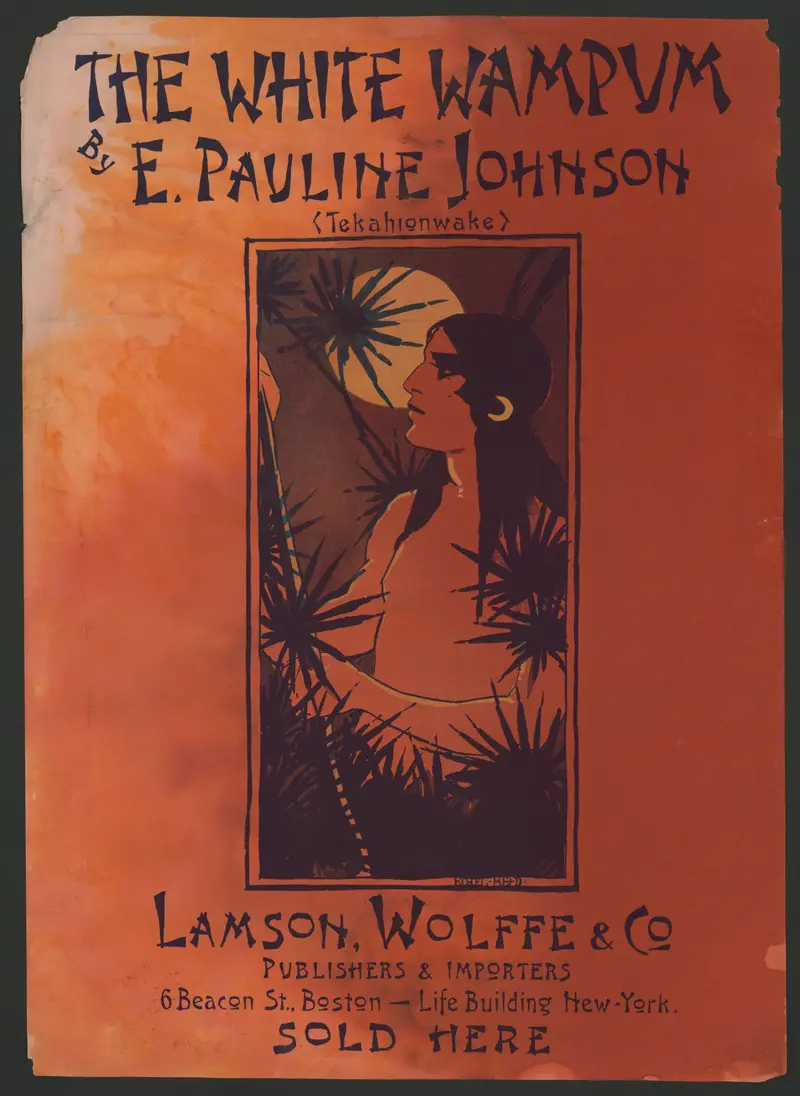
The White Wampum
Ethel Reed
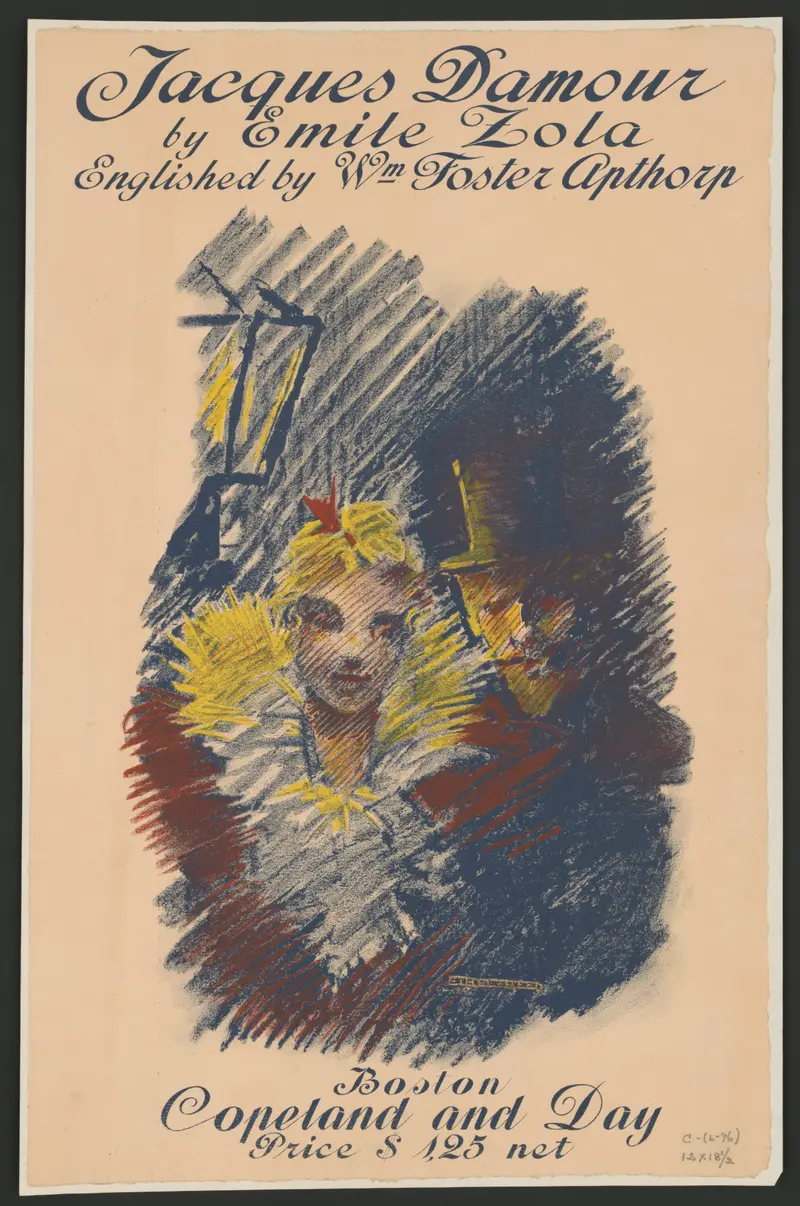
Jacques Damour
Ethel Reed
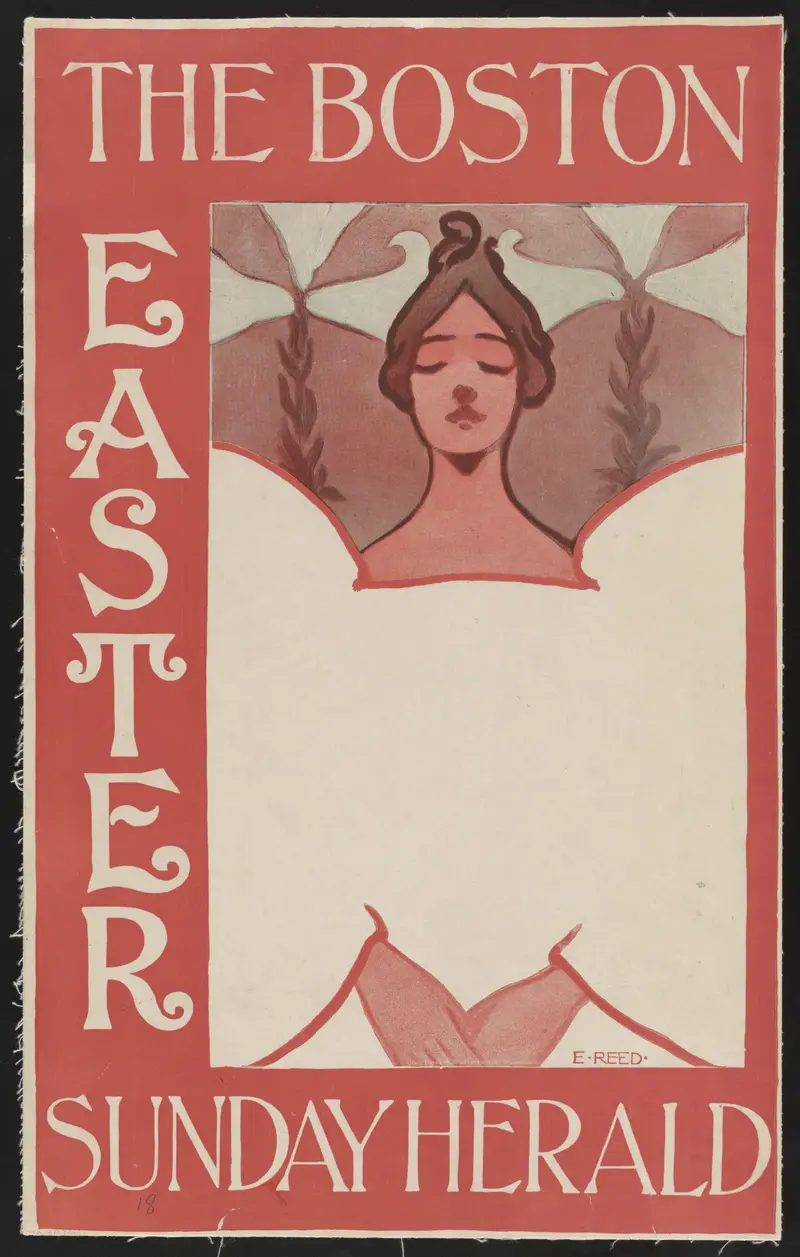
The Boston Sunday Herald: Easter
Ethel Reed
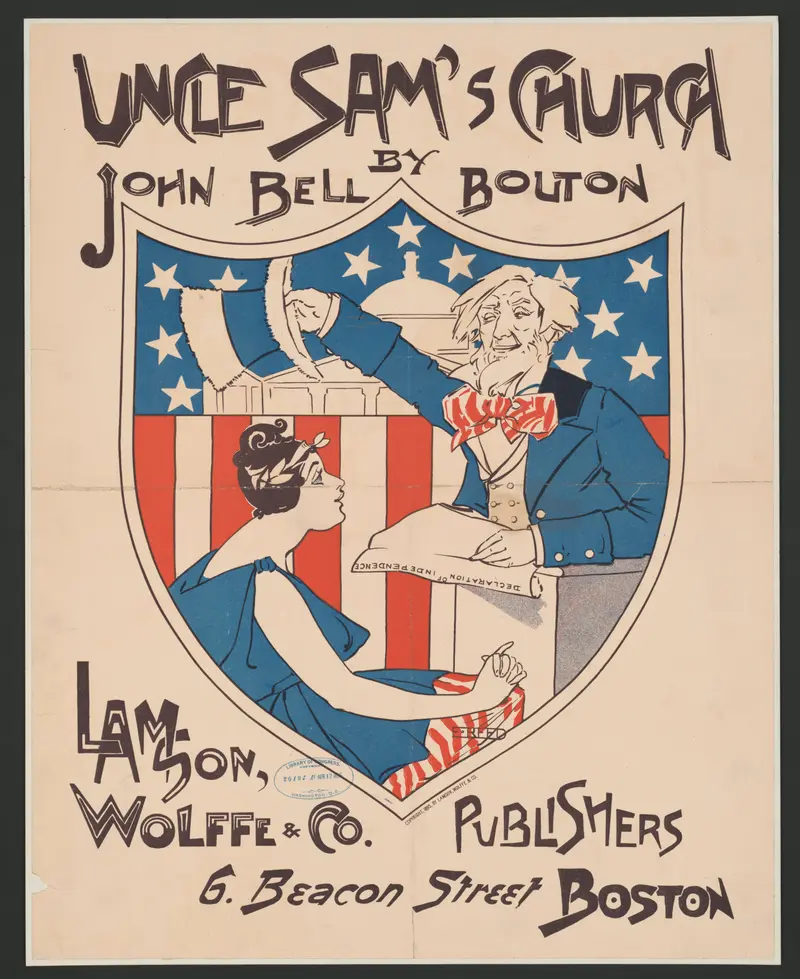
Uncle Sam's Church
Ethel Reed
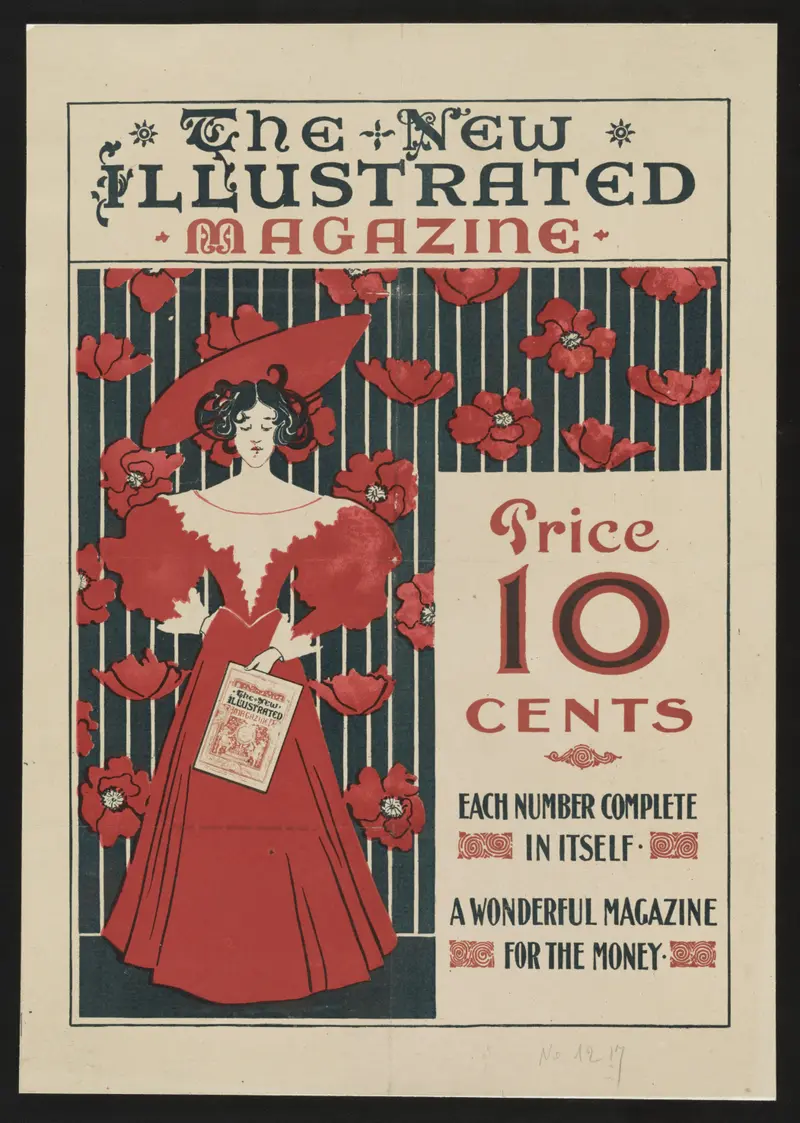
The New Illustrated Magazine
Ethel Reed
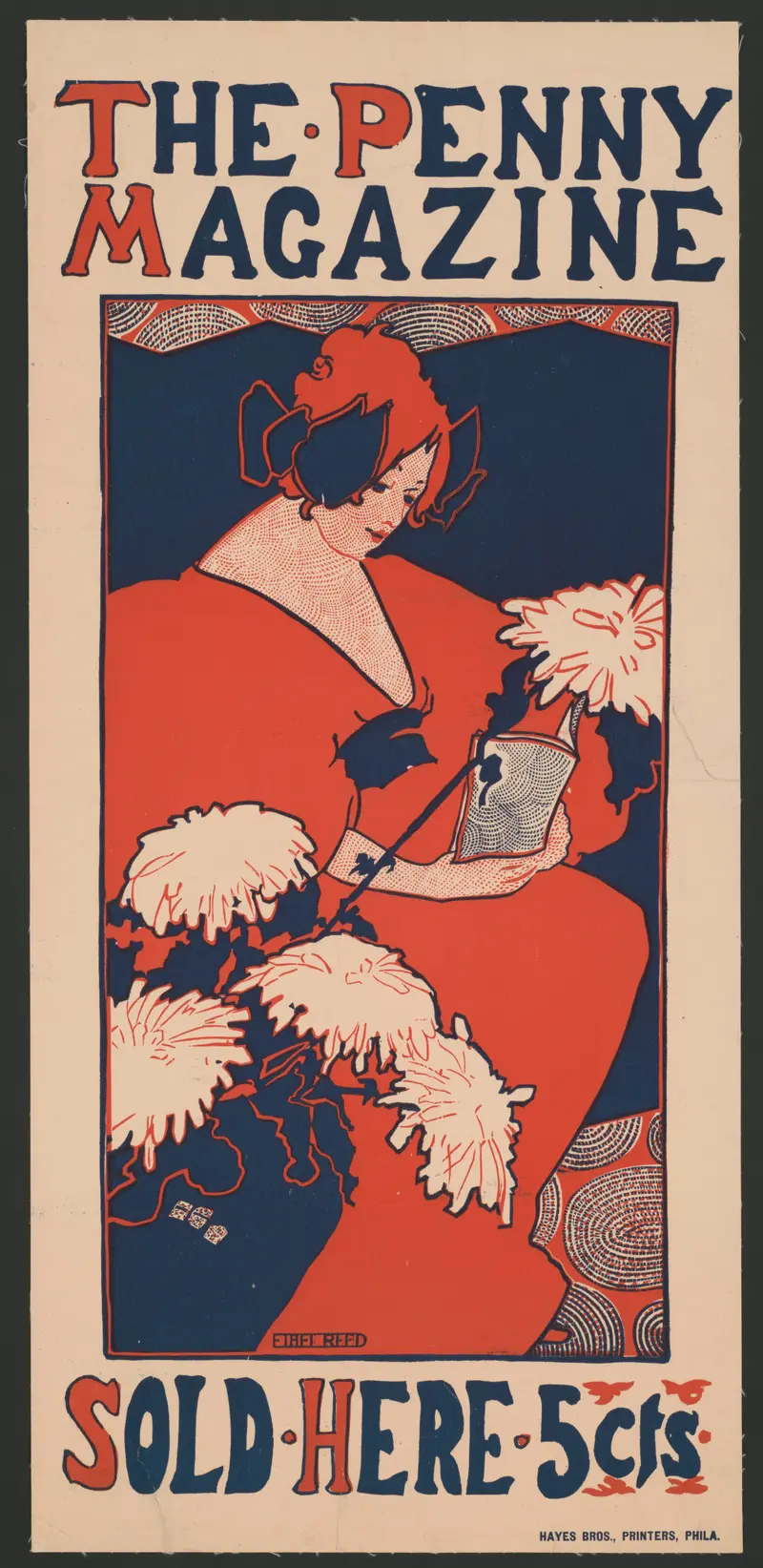
The Penny Magazine
Ethel Reed
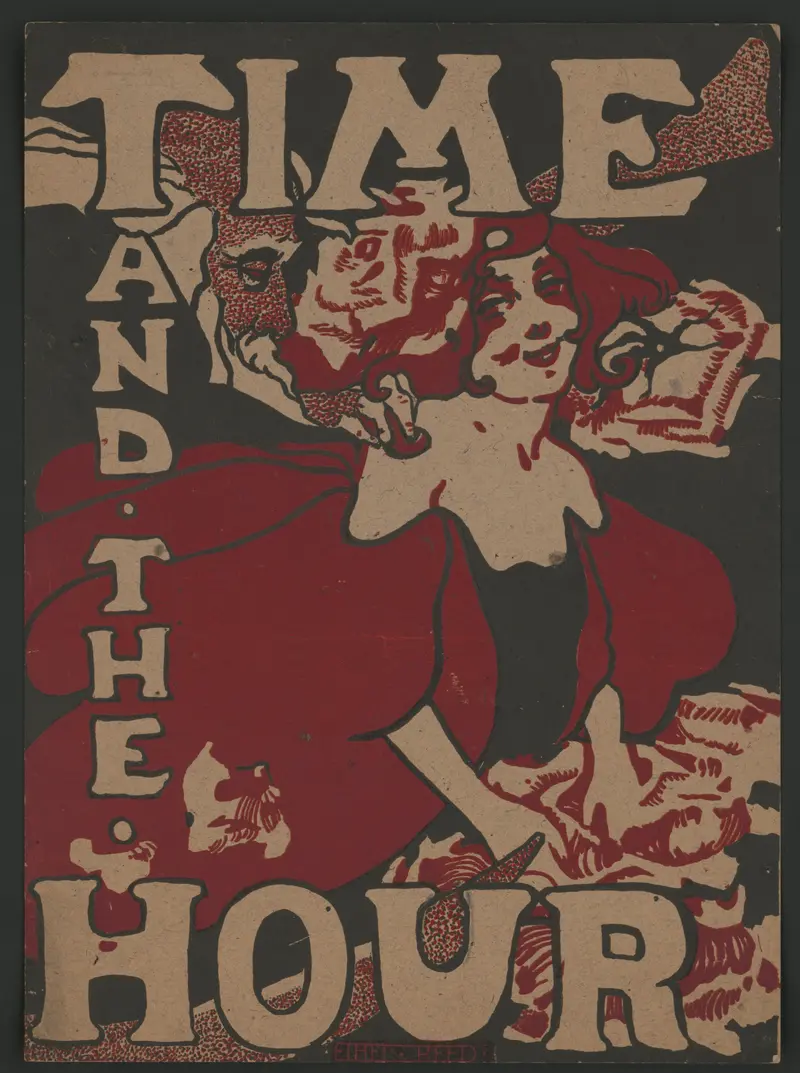
Time and the Hour
Ethel Reed
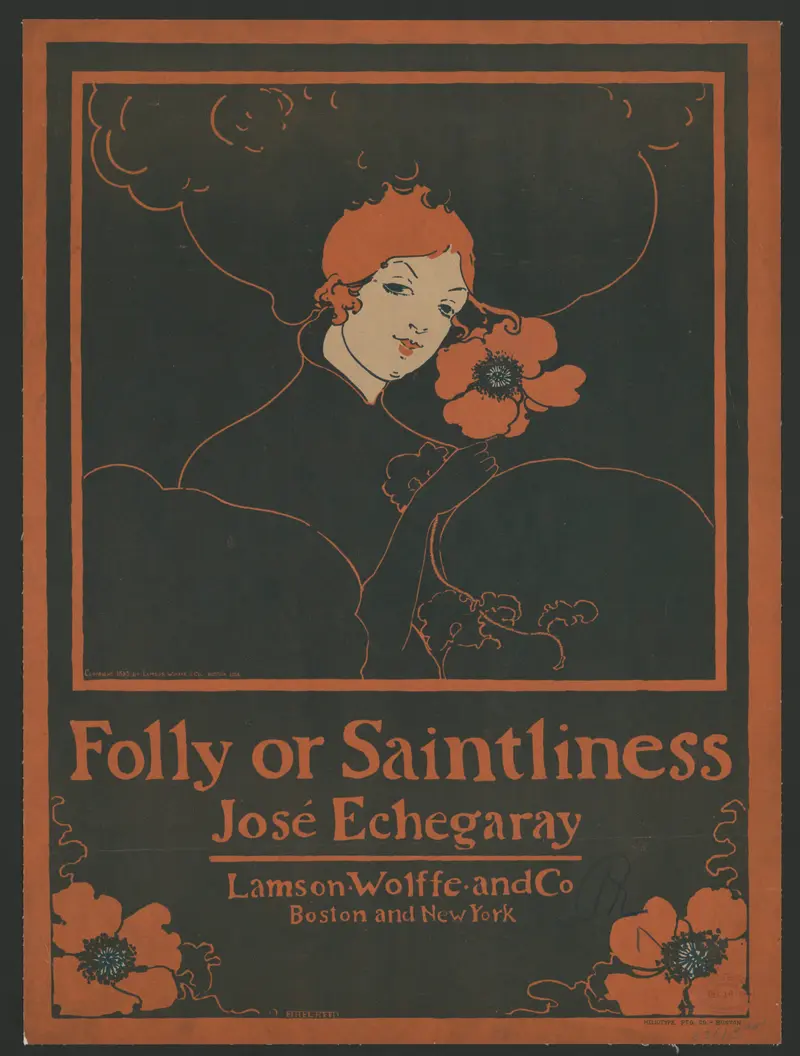
Folly or Saintliness
Ethel Reed
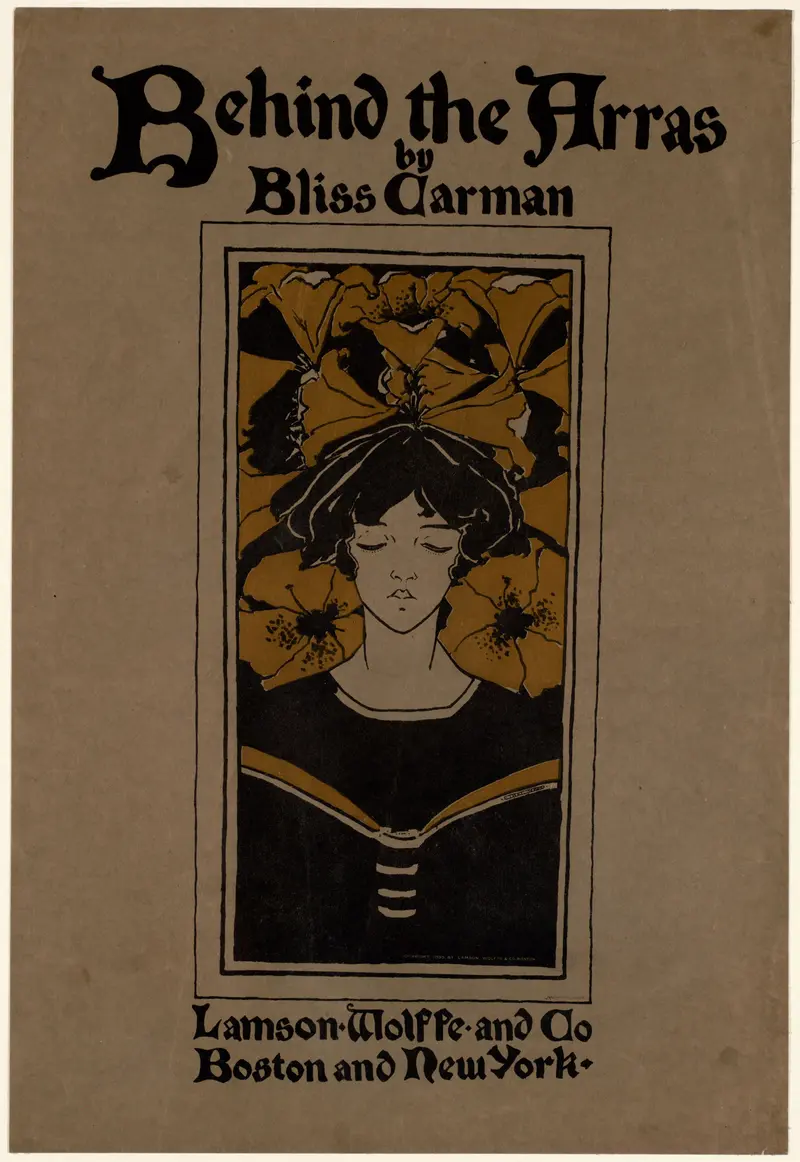
Behind the Arras
Ethel Reed
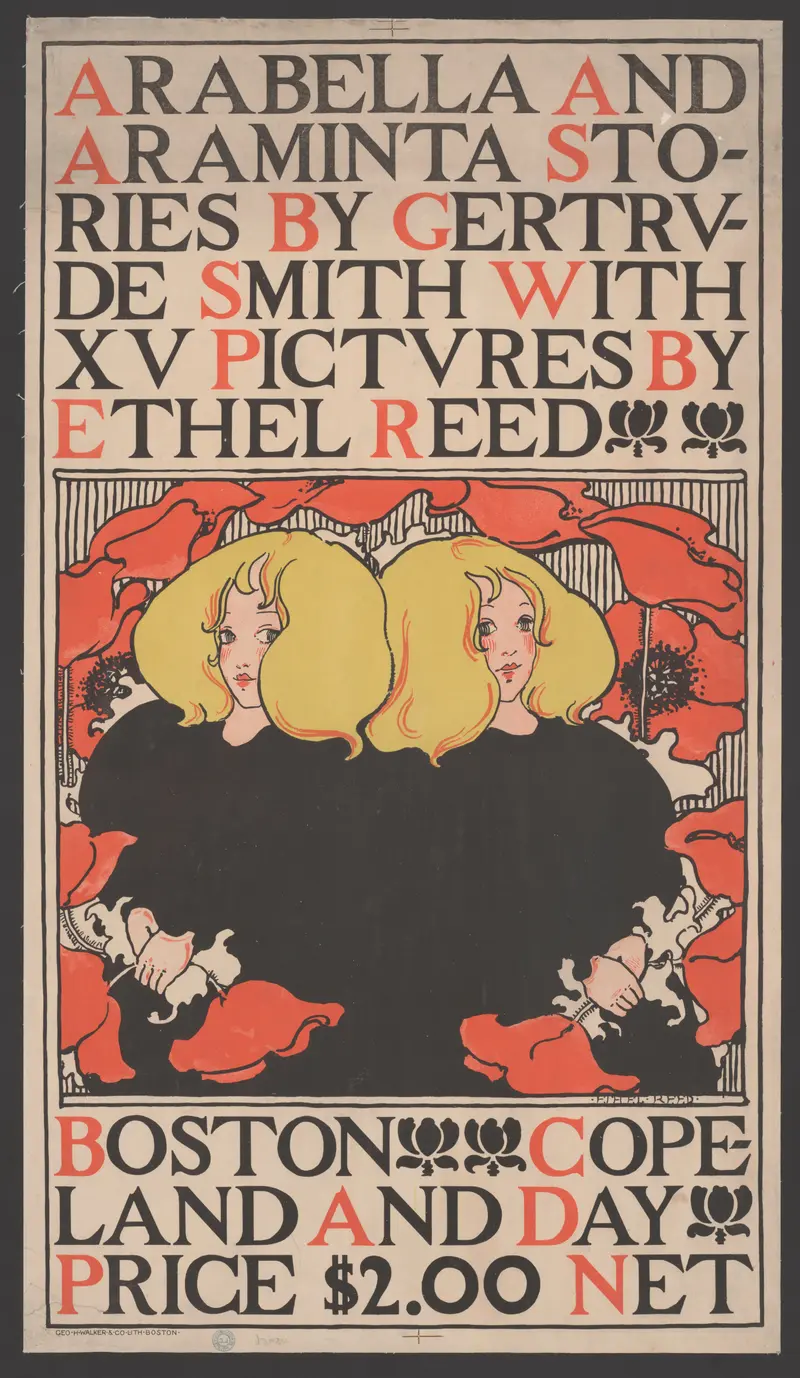
Arabella and Araminta Stories
Ethel Reed





