Discover insights about this artwork
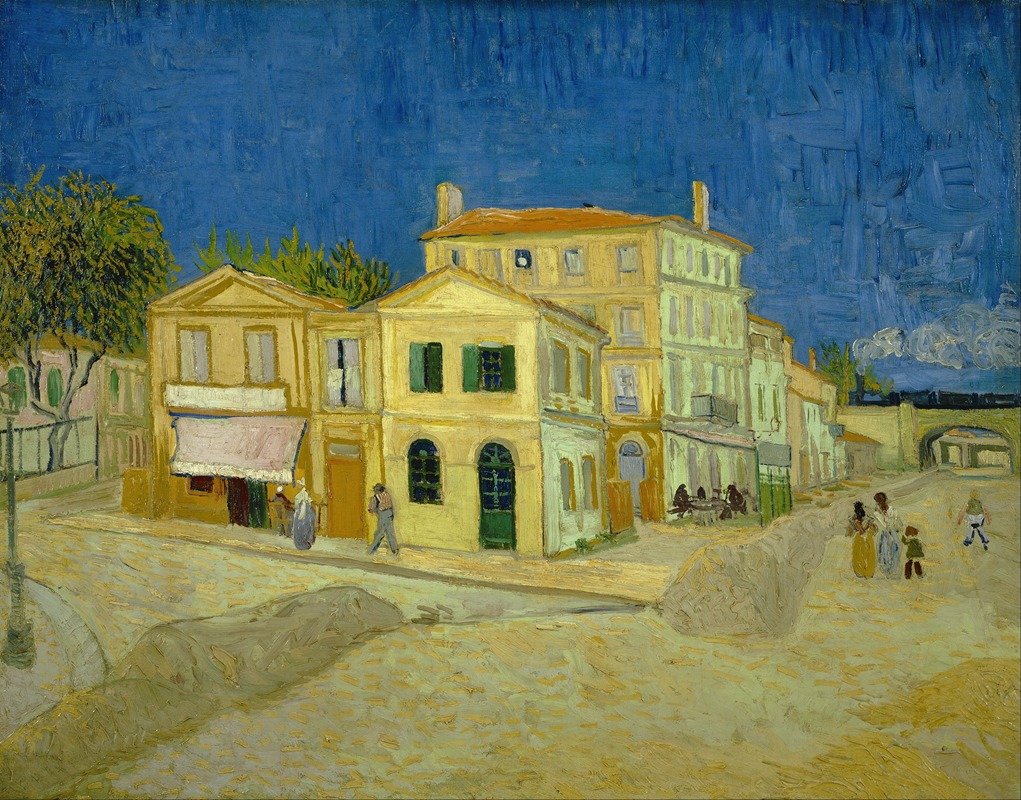
The House with the Cracked Walls — History & Facts
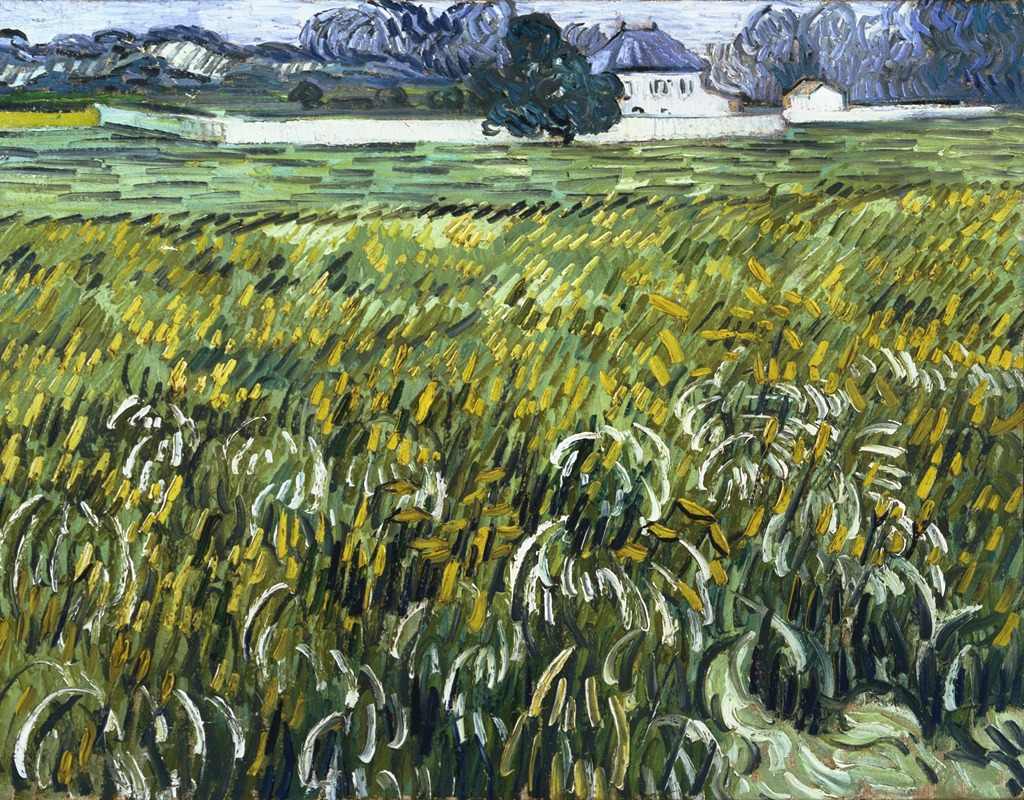
In The House with the Cracked Walls, Paul Cézanne presents a rural scene dominated by a weathered house. The structure features cracked walls, suggesting age and neglect. Surrounding the house are lush green trees and a bright blue sky, creating a contrast with the building's deterioration.
The colors are rich and earthy, typical of Cézanne's palette, with deep greens, browns, and hints of warm sunlight. The painting is characterized by Cézanne's distinctive brushwork, which combines short, thick strokes with a focus on geometric forms. The composition is balanced, with the house placed centrally, drawing the viewer's eye. The use of color is not just representational but also emotional, conveying a sense of nostalgia.
The texture of the paint adds depth, enhancing the visual experience. Paul Cézanne is often regarded as a precursor to modern art, influencing many artists with his innovative approach. The House with the Cracked Walls reflects his interest in the interplay of structure and nature. An interesting fact about this work is that it exemplifies Cézanne's shift from Impressionism to a more structured form of painting.
This piece showcases his evolving style during the late 19th century.
More Artworks by Paul Cézanne
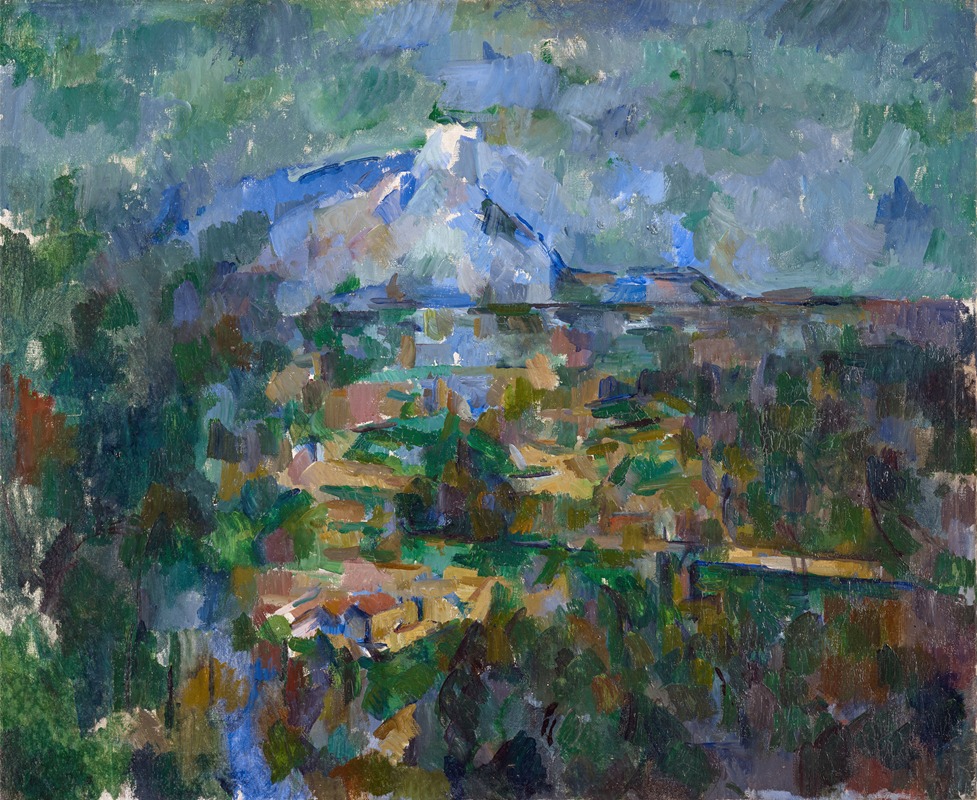
The Mont Sainte-Victoire Seen From Les Lauves
Paul Cézanne
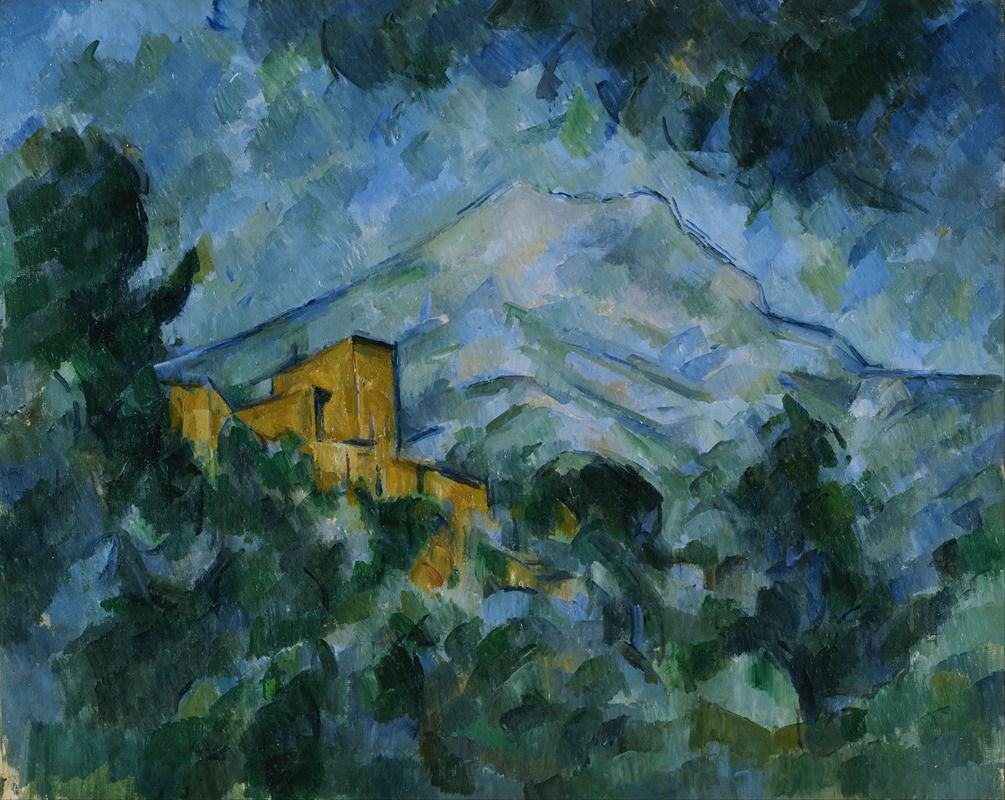
Mont Sainte-Victoire and Château Noir
Paul Cézanne
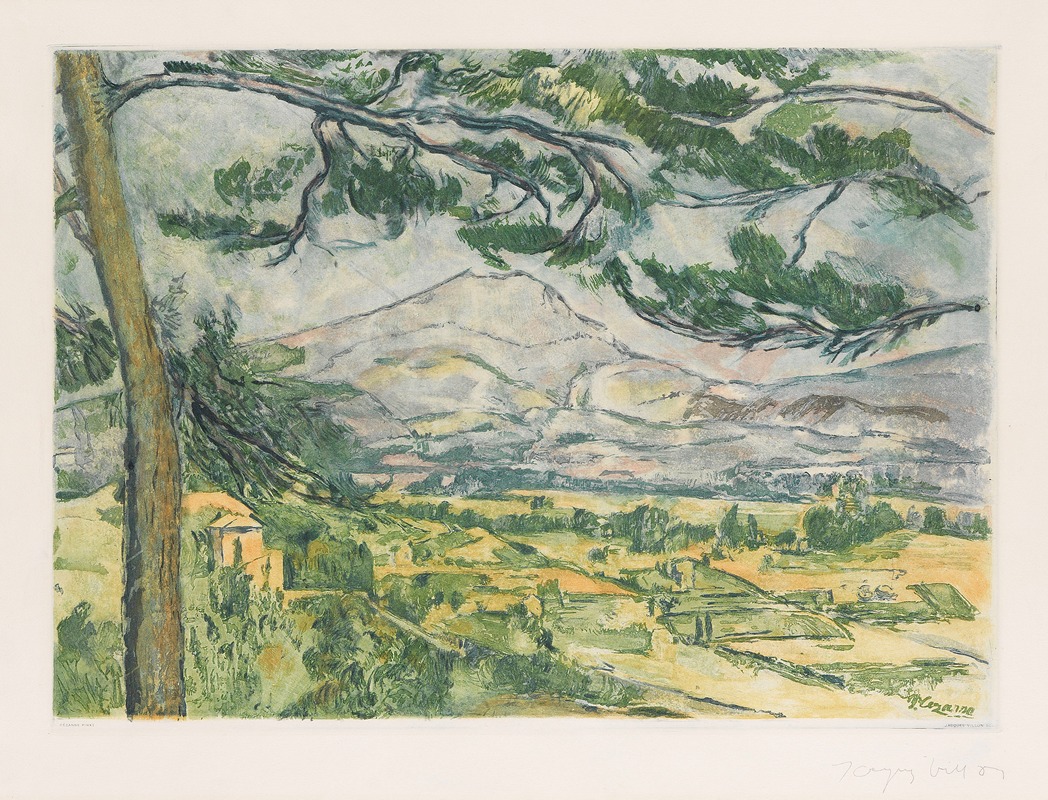
La Montagne Sainte-Victoire
Paul Cézanne
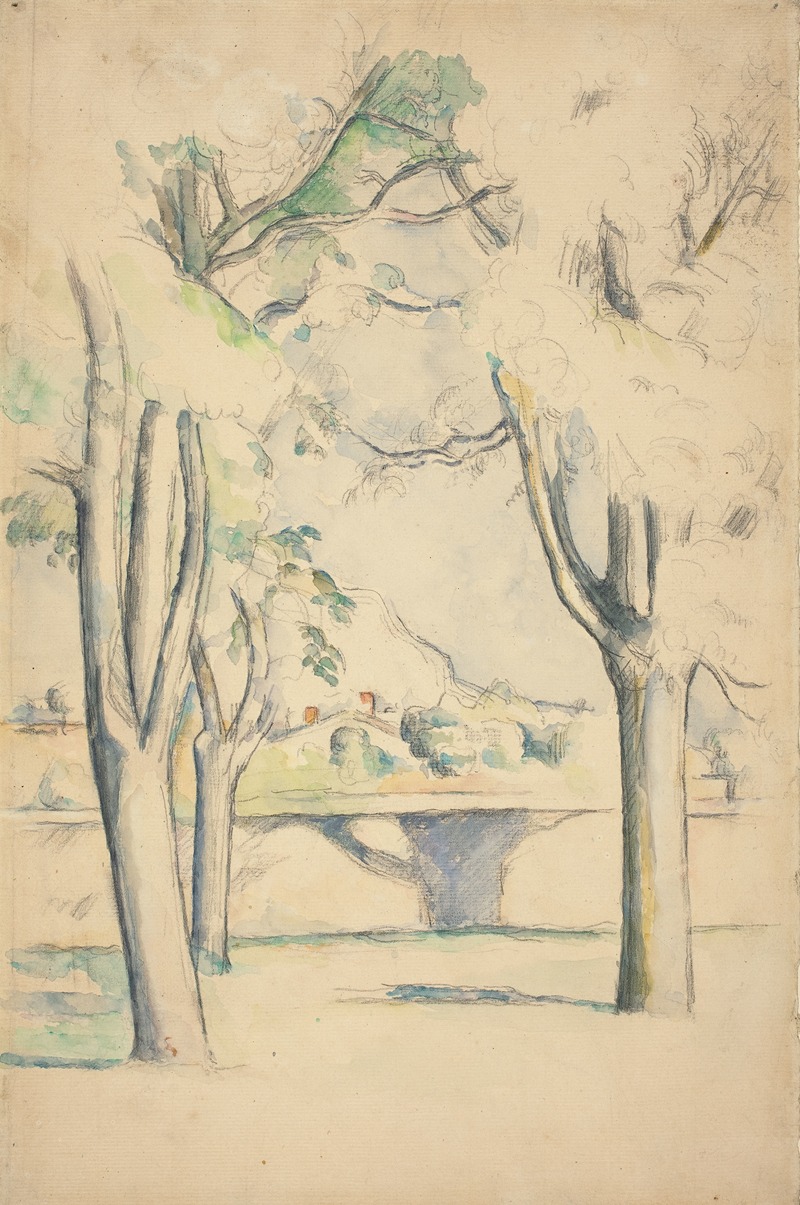
Mont Sainte-Victoire Seen beyond the Wall of the Jas de Bouffan
Paul Cézanne
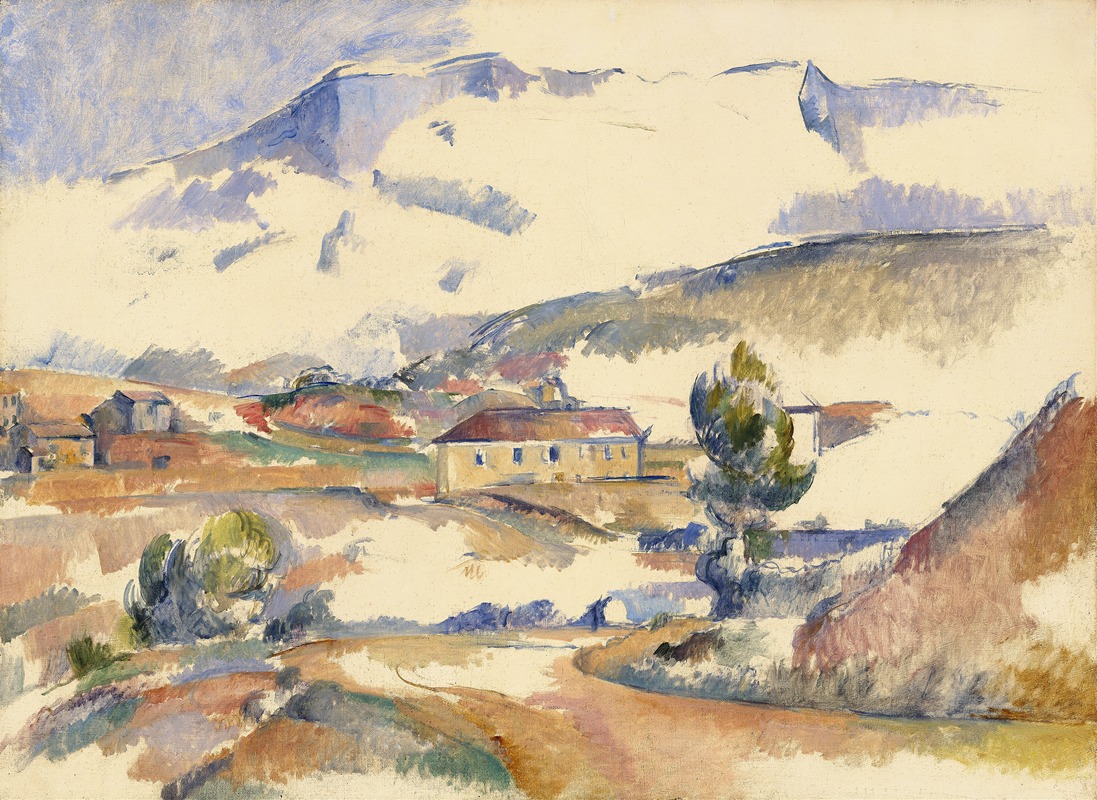
Montagne Sainte-Victoire,from near Gardanne
Paul Cézanne
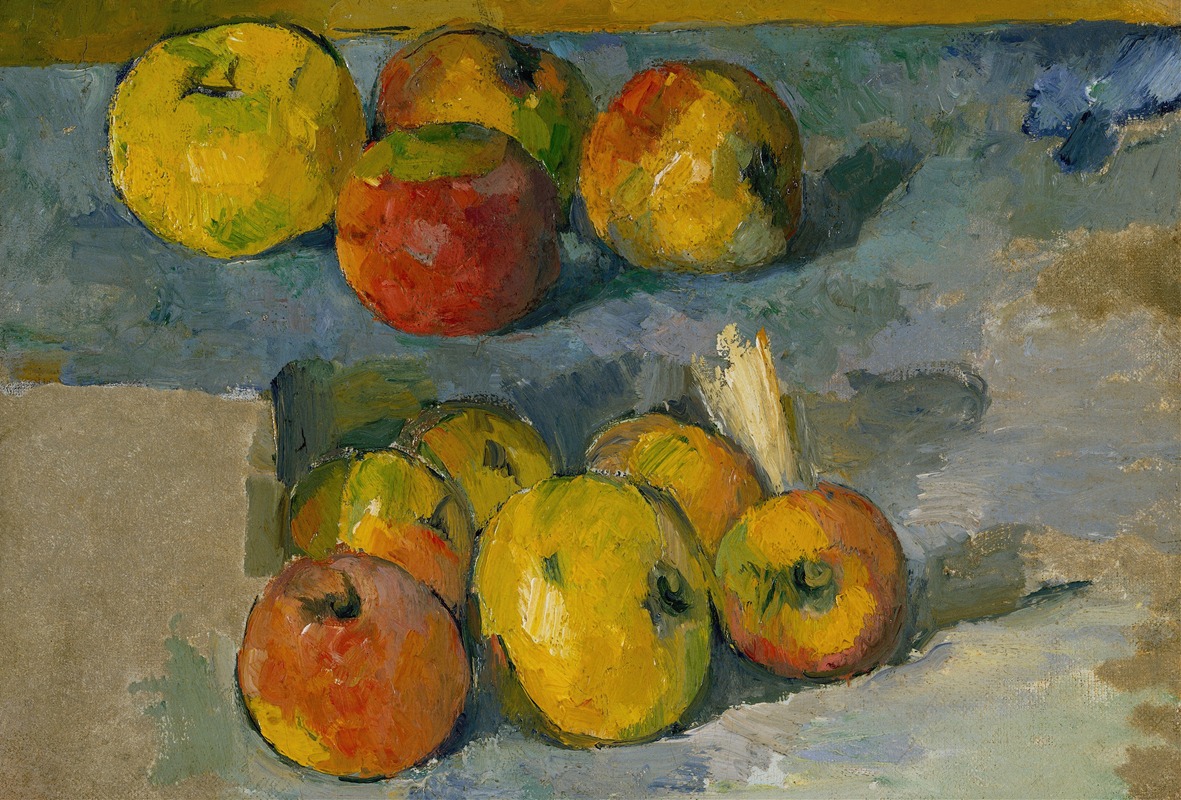
Apples
Paul Cézanne
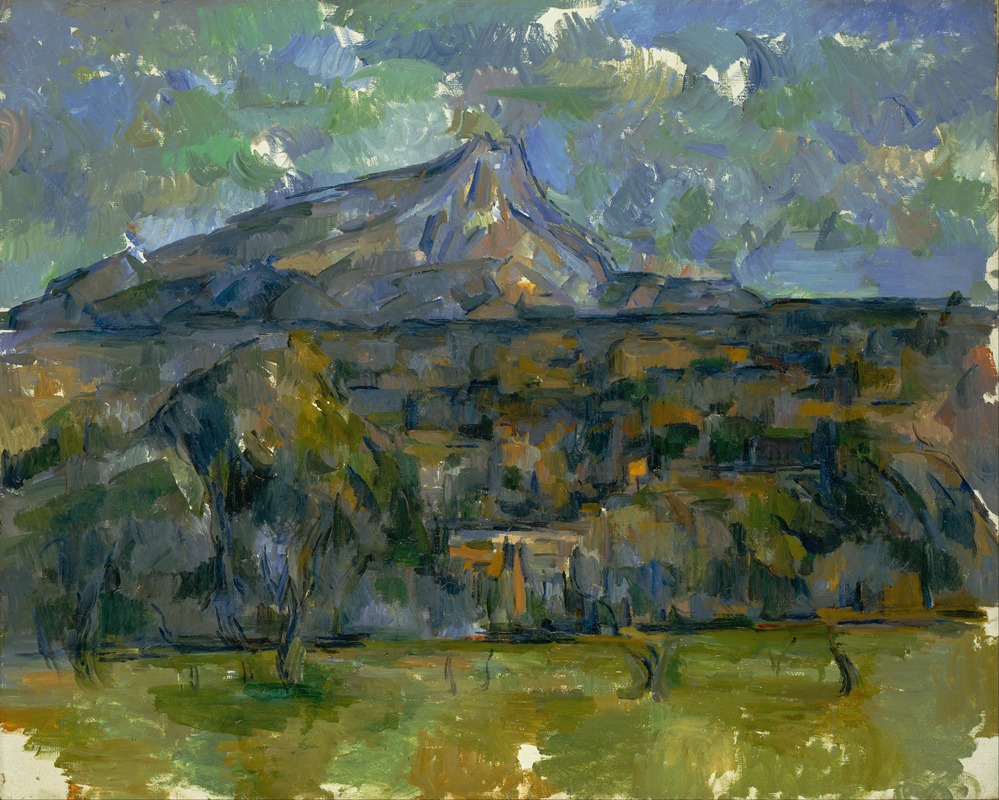
Mont Sainte-Victoire
Paul Cézanne
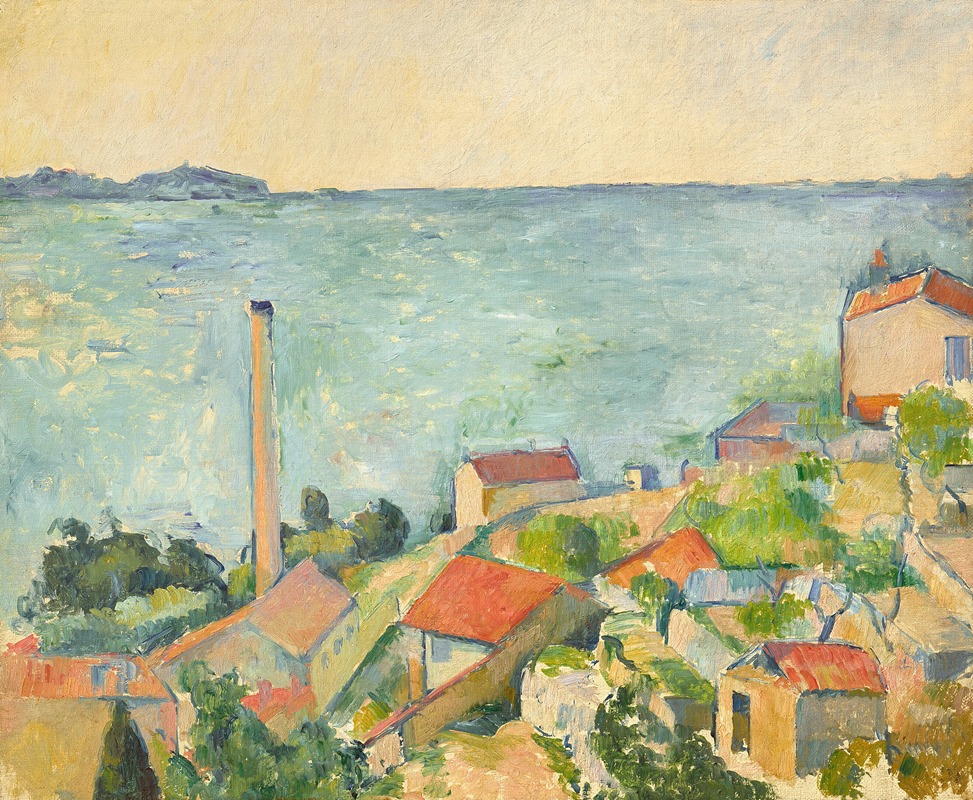
La mer à l’Estaque
Paul Cézanne
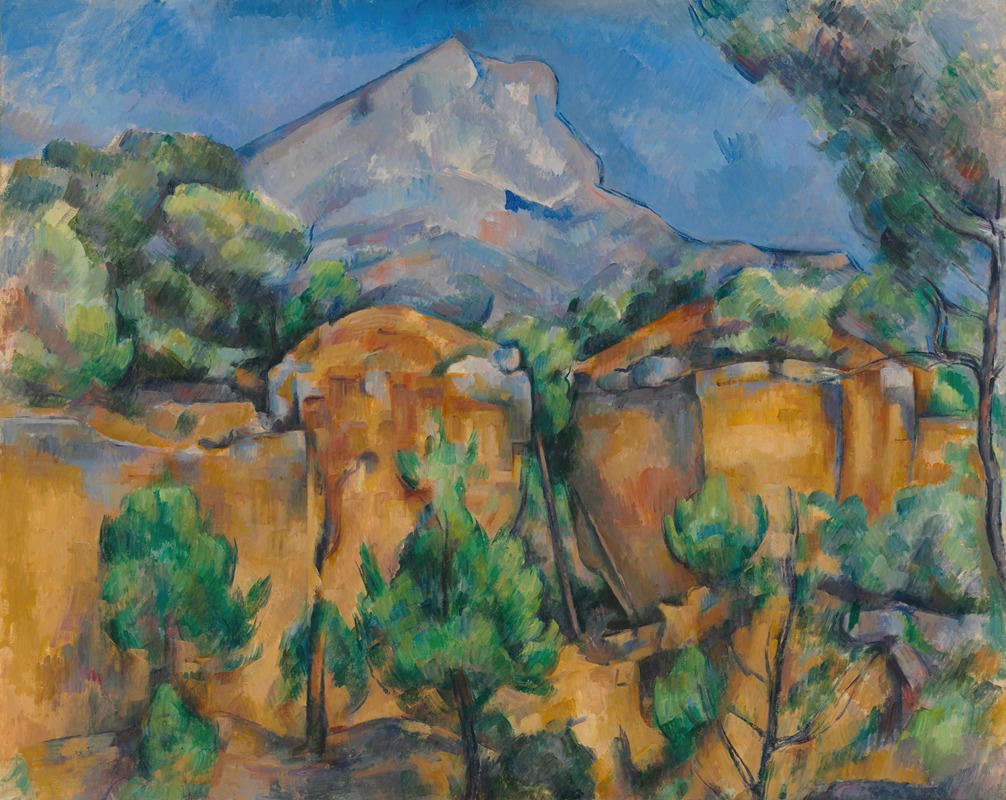
La Montagne Sainte-Victoire vue de la carrière Bibémus
Paul Cézanne
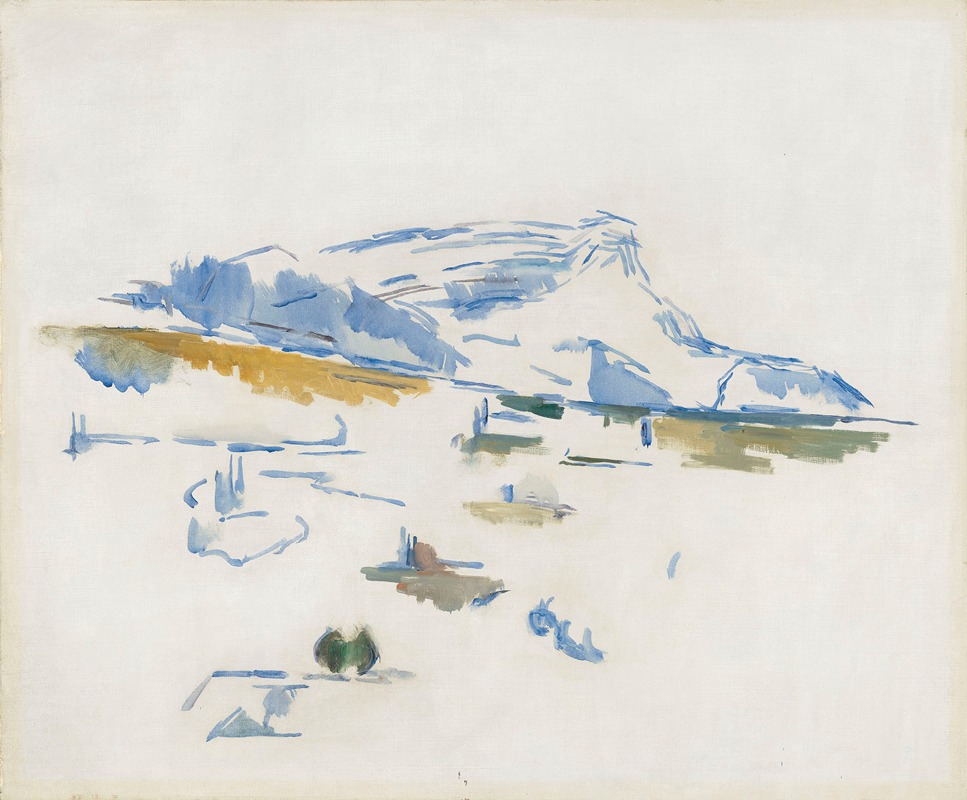
La Montagne Sainte-Victoire vue des Lauves
Paul Cézanne