
The Hudson at Piermont — History & Facts
This paradox lies at the heart of the natural world, waiting for the discerning eye to uncover its depths. In art, it is the interplay of light and shadow that reveals the unseen, inviting us to contemplate the essence of faith woven within the landscape. Look to the left at the gentle curves of the river, where serene greens meld with deep blues. The sun casts a golden glow across the water’s surface, reflecting the warm hues of the sky.
Notice how the delicate brushstrokes create a dialogue between the trees and the distant mountains, each element harmonizing to evoke a sense of peaceful solitude. The meticulous detailing of the foreground leads the eye into the vastness, suggesting a journey both physical and spiritual. Beneath this tranquil facade lies a profound exploration of longing and hope. The tranquil yet vibrant colors evoke a sense of stillness, while the river's meandering path symbolizes the journey of faith through life’s complexities.
The horizon appears unobstructed, hinting at the promise of what lies beyond, even as it evokes a feeling of yearning for the divine. Each nuance invites reflection on our relationship with nature, the divine, and our own inner landscapes. Created in 1852, this artwork emerged during a pivotal moment for the artist, who was deeply involved in the Hudson River School, a movement that celebrated American scenery's beauty. Cropsey was drawn to capturing nature's majesty, reflecting the era's burgeoning appreciation for the American landscape.
His work not only echoes the Romantic ideals of the time but also speaks to the broader cultural shifts toward valuing nature as a source of inspiration and spiritual renewal.
More Artworks by Jasper Francis Cropsey
Browse all →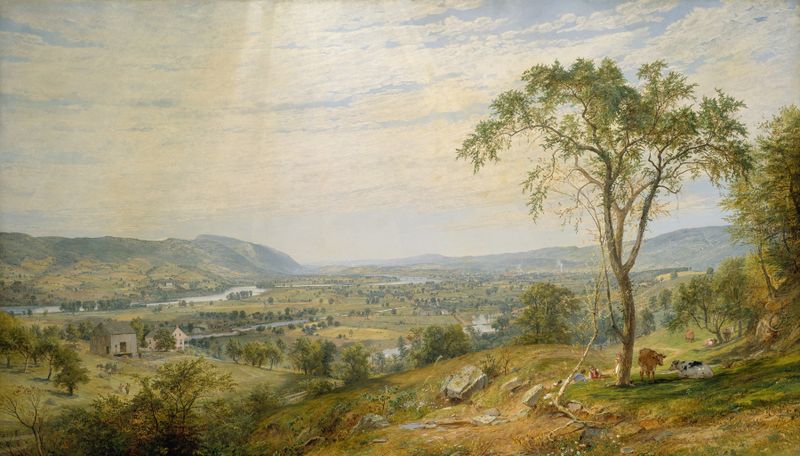
The Valley of Wyoming
Jasper Francis Cropsey
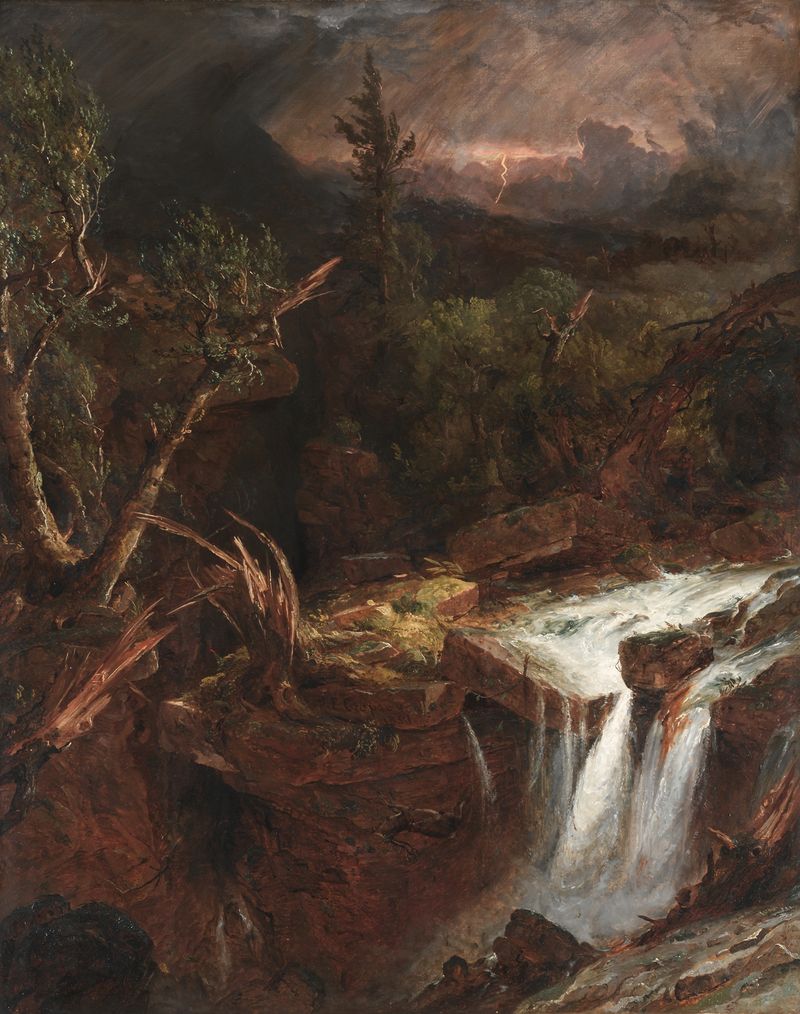
The Clove – A Storm Scene in the Catskill Mountains
Jasper Francis Cropsey
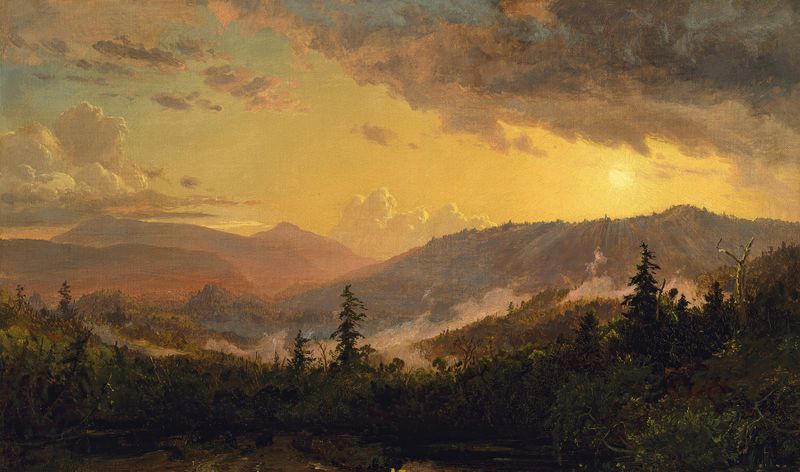
Sunset after a Storm in the Catskill Mountains
Jasper Francis Cropsey
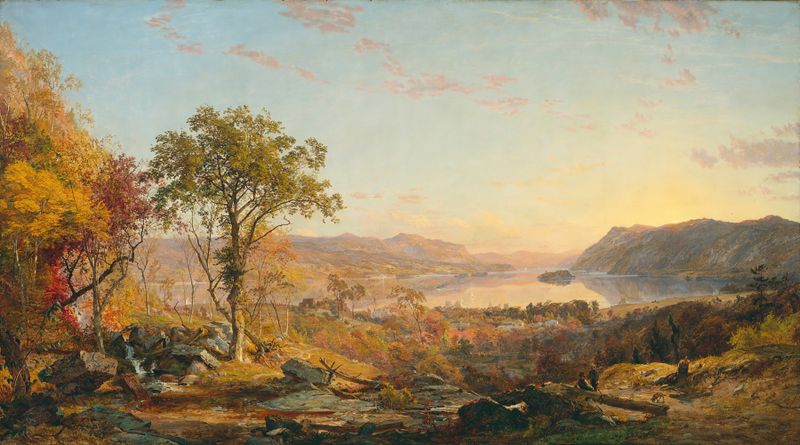
Indian Summer
Jasper Francis Cropsey

Autumn On The River
Jasper Francis Cropsey
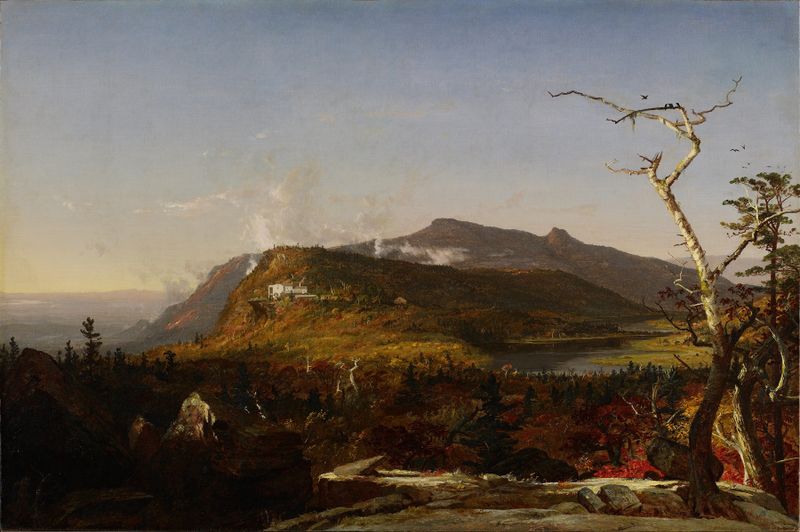
Catskill Mountain House
Jasper Francis Cropsey
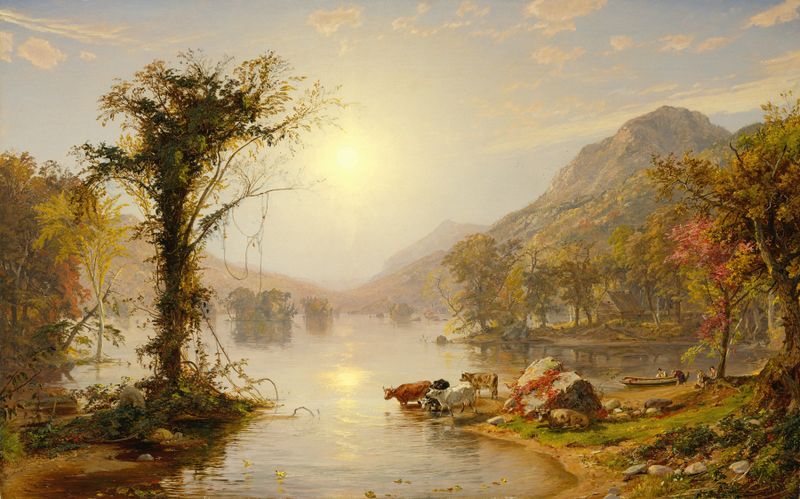
Autumn on Greenwood Lake
Jasper Francis Cropsey
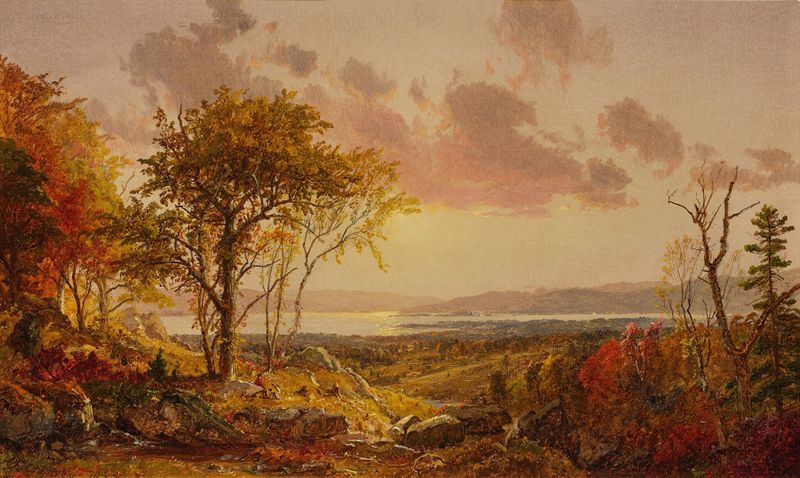
A Distant View of the Hudson River in the Fall
Jasper Francis Cropsey
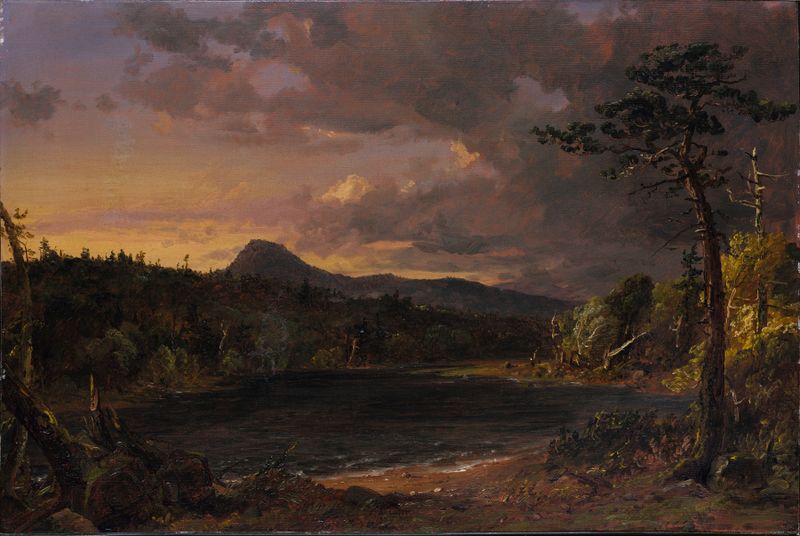
Catskill Creek
Jasper Francis Cropsey

Autumn on the Lake
Jasper Francis Cropsey





