
The Hundred Steps, Windsor Castle — History & Facts
Is this a mirror — or a memory? In The Hundred Steps, Windsor Castle, the viewer is drawn into a realm where nostalgia intertwines with the present, echoing the quiet beauty of time’s passage. Look to the left at the sweeping steps that ascend gracefully, each one an invitation to explore the layered depths of history. Notice how the dappled light filters through the trees, casting gentle shadows that dance along the path. The warm earth tones blend harmoniously with the rich greens of the foliage, offering a serene yet poignant contrast, as if the landscape itself holds its breath, reverberating with untold stories. Within this tranquil scene, subtle complexities emerge.
The solitary figure, barely perceptible in the distance, seems to embody a sense of longing, a tangible whisper of solitude against the grand backdrop of Windsor Castle. The interplay between the sturdy stone structure and the ephemeral quality of nature highlights the tension between permanence and transience, suggesting that every step taken is both a journey and a reflection on what has been lost. Each brushstroke invites contemplation, evoking bittersweet feelings that linger like the fading light of day. Paul Sandby painted this work during the late 18th century, a pivotal time for British landscape art as it began to shift towards more personal and emotional expressions.
Working in London and influenced by the picturesque movement, he explored themes of nostalgia and the sublime, capturing the essence of both nature and history. This period in his life marked a transformation, as he sought to elevate British landscapes alongside his contemporaries, all while grappling with the implications of the changing world around him.
More Artworks by Paul Sandby
Browse all →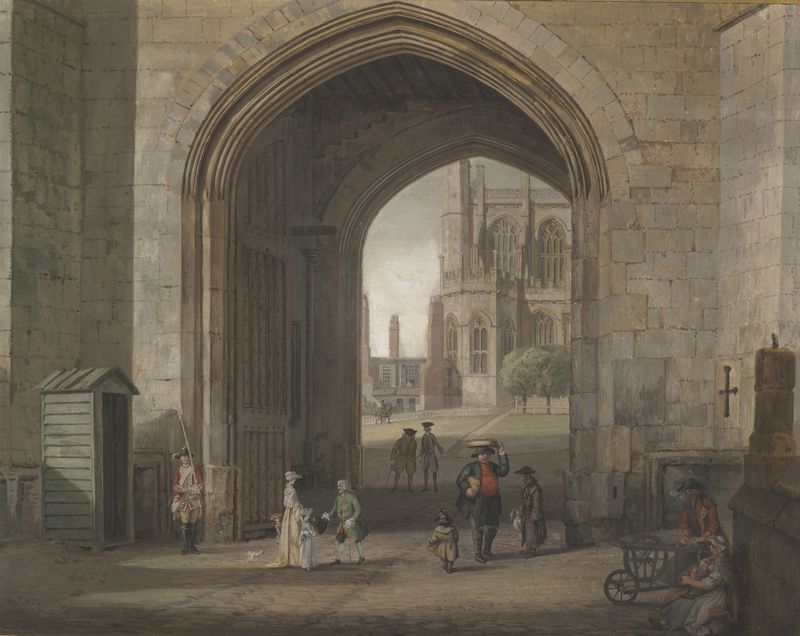
The Tower Gate at Windsor Castle
Paul Sandby

A Distant View of Maidstone, from Lower Bell Inn, Boxley Hill
Paul Sandby
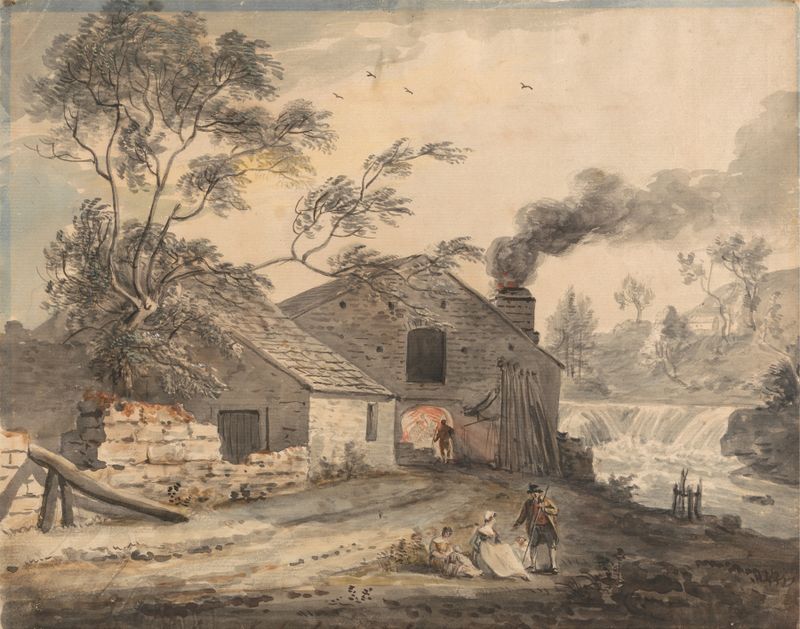
Iron Forge on the River Kent, Westmorland
Paul Sandby
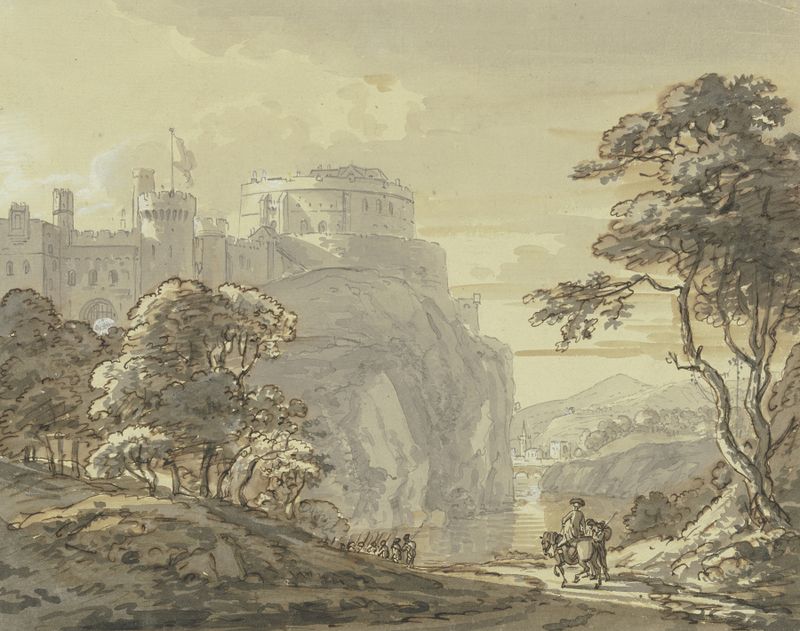
View of Windsor Castle
Paul Sandby

Hackwood Park, Hampshire
Paul Sandby

Roslin Castle, Midlothian
Paul Sandby
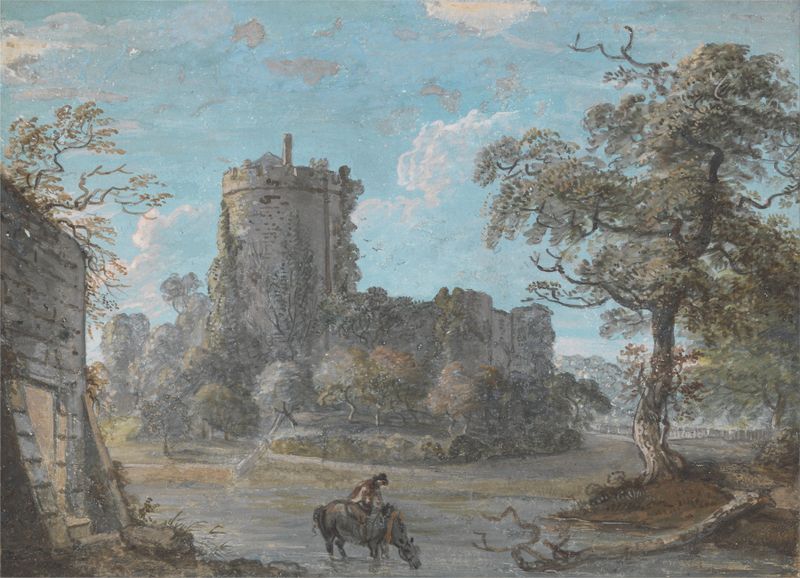
The Entrance to Chepstow Castle
Paul Sandby
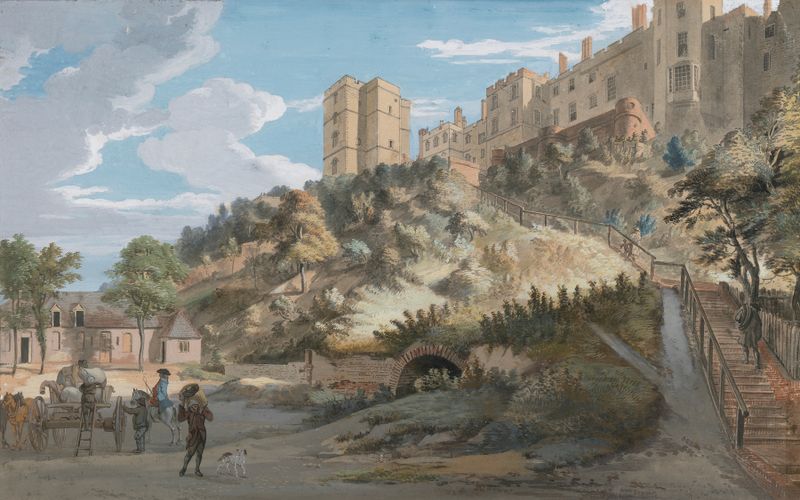
The Hundred Steps and Winchester Tower, Windsor Castle, Berkshire
Paul Sandby

Brook End, Essex
Paul Sandby
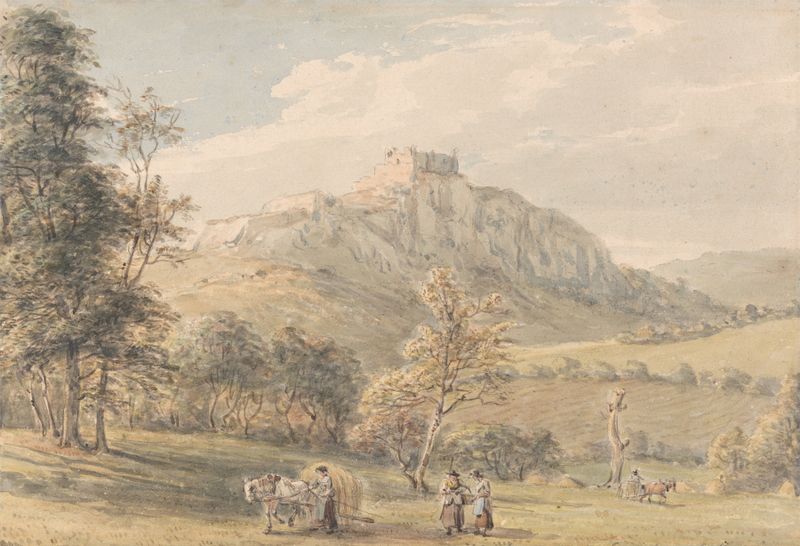
Carreg Cennen Castle
Paul Sandby





