
The Inner Temple — History & Facts
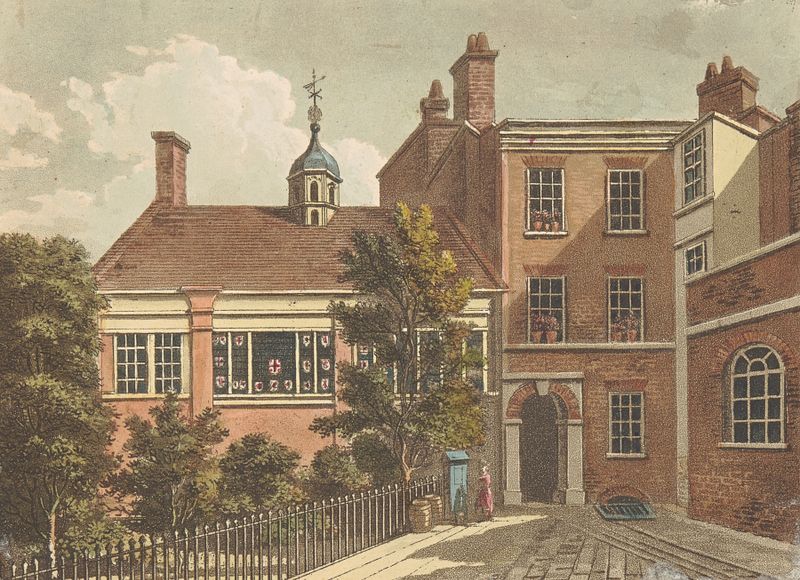
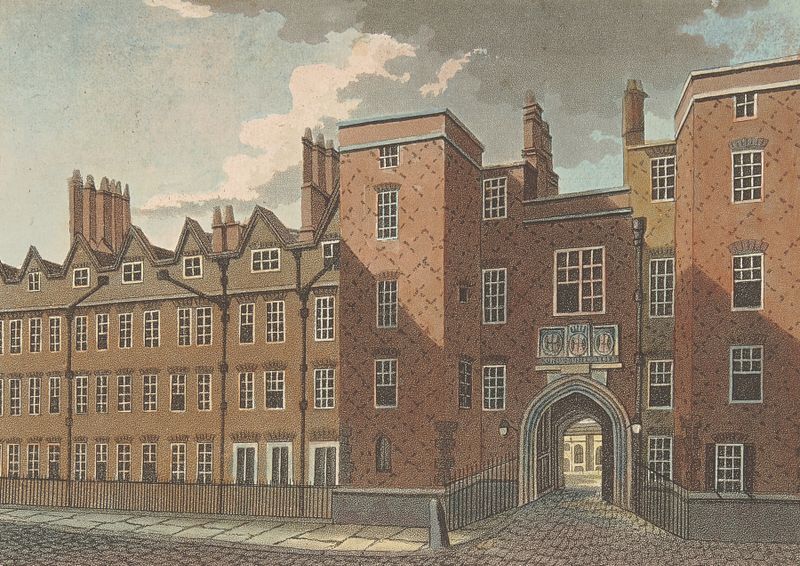
What secret hides in the quiet of the canvas? In a world bustling with noise and distraction, moments of revelation often lie hidden beneath layers of stillness and contemplation. Focus on the serene temple nestled within the verdant landscape. Look to the archway, where the soft embrace of light filters through, illuminating the delicate details of ancient stone. Notice how the artist masterfully balances light and shadow, creating a dialogue between the temple’s solemn architecture and the vibrant life surrounding it.
The rich greens of the foliage seem to pulse with an energy that contrasts with the tranquility of the structure, inviting the viewer to explore further. Within this tranquil scene, layers of meaning emerge. The interplay between nature and man-made structure suggests a harmony that transcends mere aesthetics — a reminder of the balance between spiritual and earthly realms. The distant mountains, shrouded in mist, hint at the unknown, while the open pathway beckons the viewer to reflect on their own journey.
Each detail, from the blooming flowers to the weathered stones, serves as a metaphor for the passage of time and the revelations found in stillness. During the late 18th century, when this work was created, Samuel Ireland was immersed in the burgeoning Romantic movement, expressing themes of individualism and nature. Living in England, he found inspiration amidst a backdrop of social change and a growing appreciation for the sublime in art and nature. This painting encapsulates that moment, offering a glimpse into both his artistic vision and the broader cultural shifts of the time.
More Artworks by Samuel Ireland
Browse all →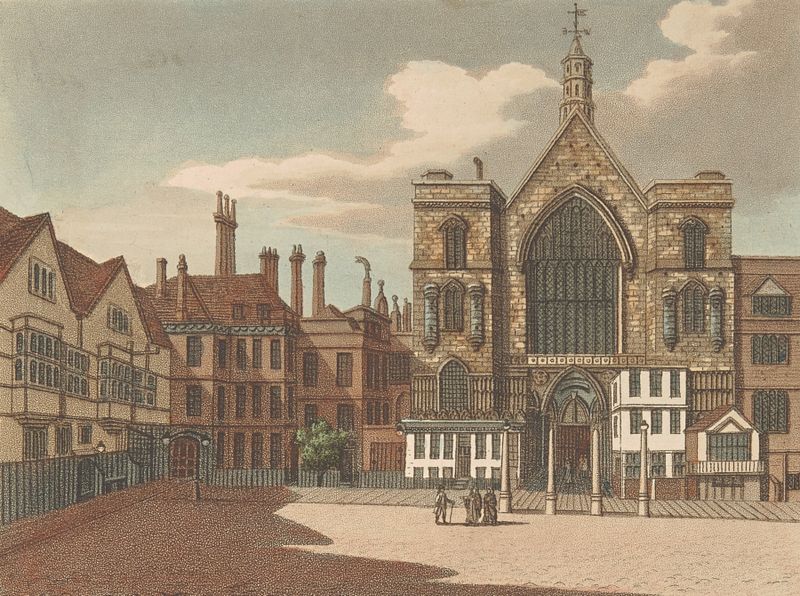
Westminster Hall
Samuel Ireland

Southwest View of Middle Temple
Samuel Ireland
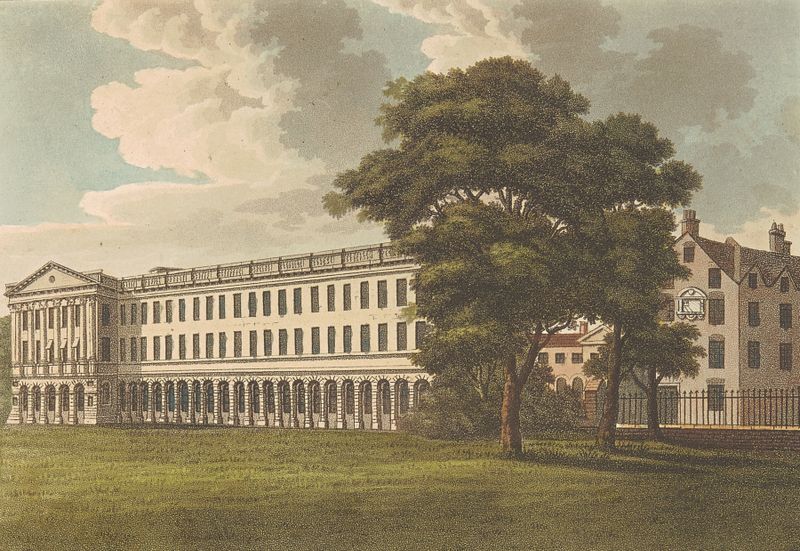
Stone Buildings, Lincoln’s Inn
Samuel Ireland
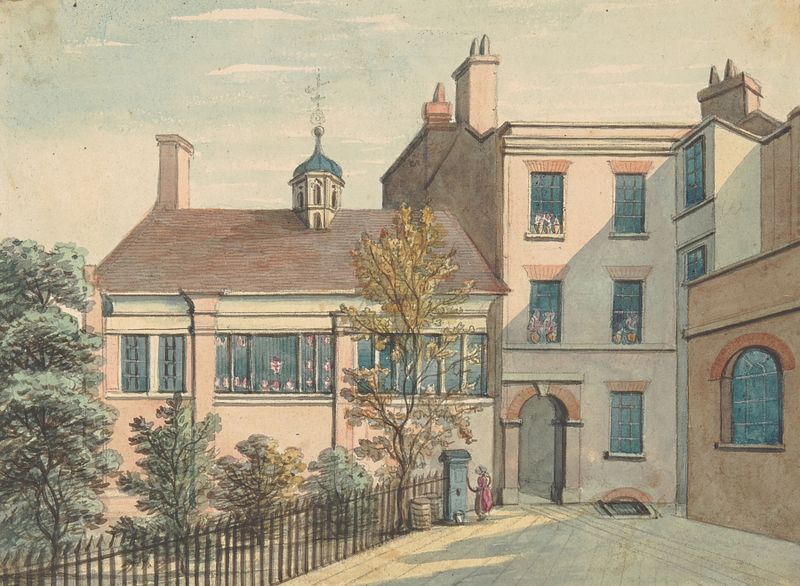
Barnard’s Inn
Samuel Ireland

Lincoln’s Inn Hall and Chapel
Samuel Ireland

Lion’s Inn
Samuel Ireland
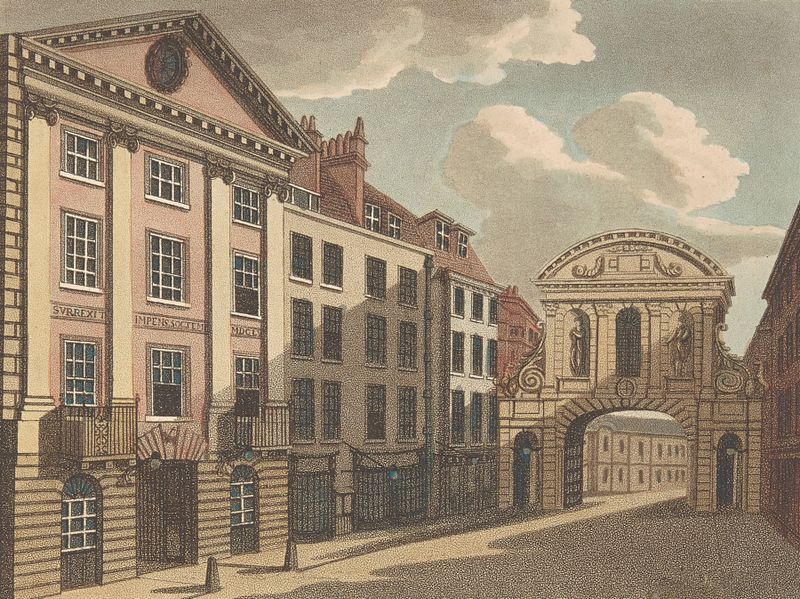
Middle Temple Gate
Samuel Ireland
Barnard’s Inn
Samuel Ireland

Westminster Hall
Samuel Ireland
Lincoln’s Inn Gate
Samuel Ireland





