
The Iron Rolling Mill (Modern Cyclopes) — History & Facts
What strikes first is the sheer force of labor, packed into every inch of The Iron Rolling Mill (Modern Cyclopes). The eye is seized by the white-hot band of molten metal, snaking through the center of the painting like a river of fire, its glow casting harsh light on the sweating, straining workers who bend and twist in its orbit. The composition pulls you in, from the foreground where men crouch to eat or rest, to the shadowy depths of the factory where the machinery looms and the heat seems almost visible in the haze.
Each gesture is purposeful: arms raised to guide the metal, backs bowed under invisible weight, faces half-lit by the furnace’s glare. The palette is all iron and ash, punctuated by the infernal orange of the molten steel, setting a mood of relentless toil and industrial might. This is the world of the early 1870s, when factories were the new cathedrals of Europe and paintings like this one—created between 1872 and 1875 by Adolph von Menzel—brought the realities of modern industry into the public eye. Such images were not just records, but arguments: they made visible the anonymous labor behind the steel and steam that powered the age.
In an era when art was often reserved for history or myth, scenes like this insisted that the present, and its workers, deserved the same monumental treatment. The painting now belongs to the Google Arts & Culture collection, a fittingly modern home for a work that once captured the cutting edge of its own time. Every return to the image reveals another story in the shadows, another figure caught in the glow.
More Artworks by Adolph von Menzel
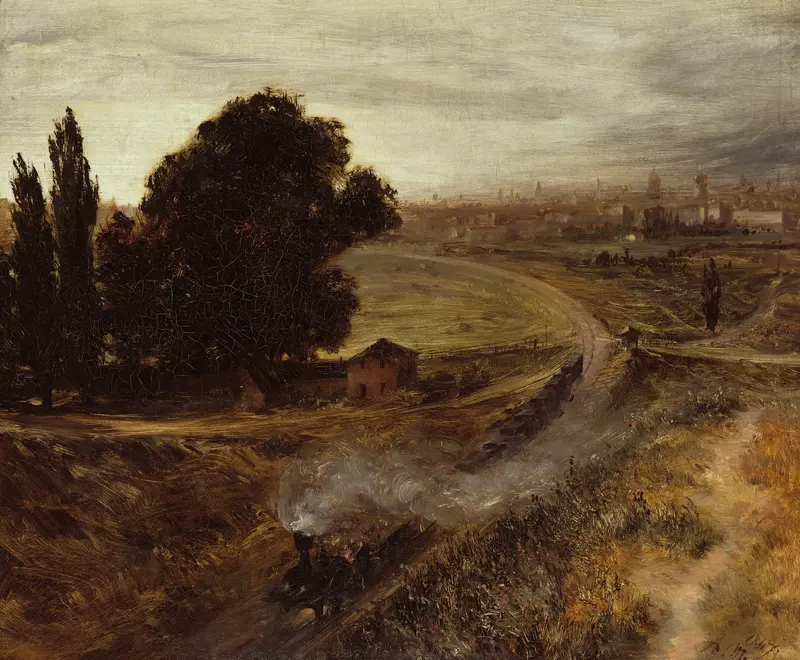
The Berlin-Potsdam Railway
Adolph von Menzel
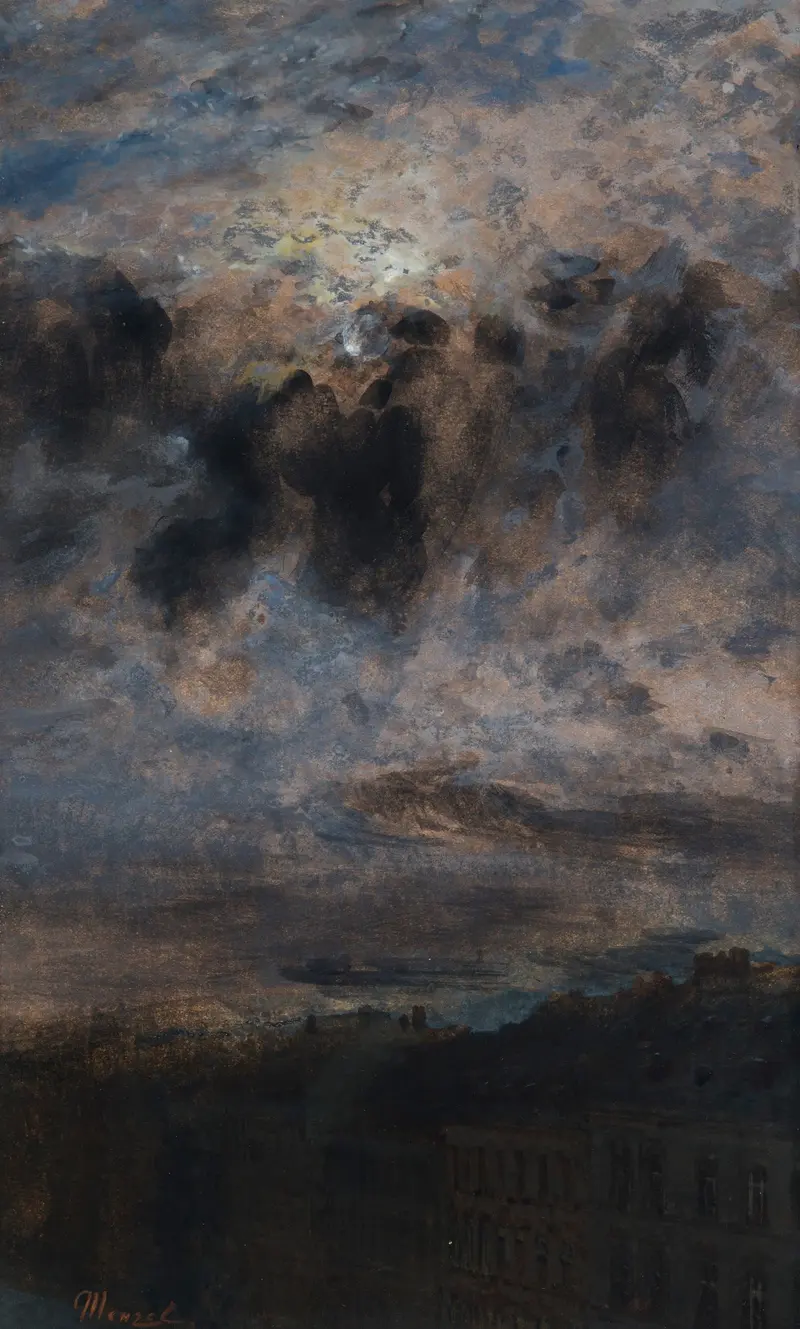
Mondschein über den Dächern von Berlin
Adolph von Menzel
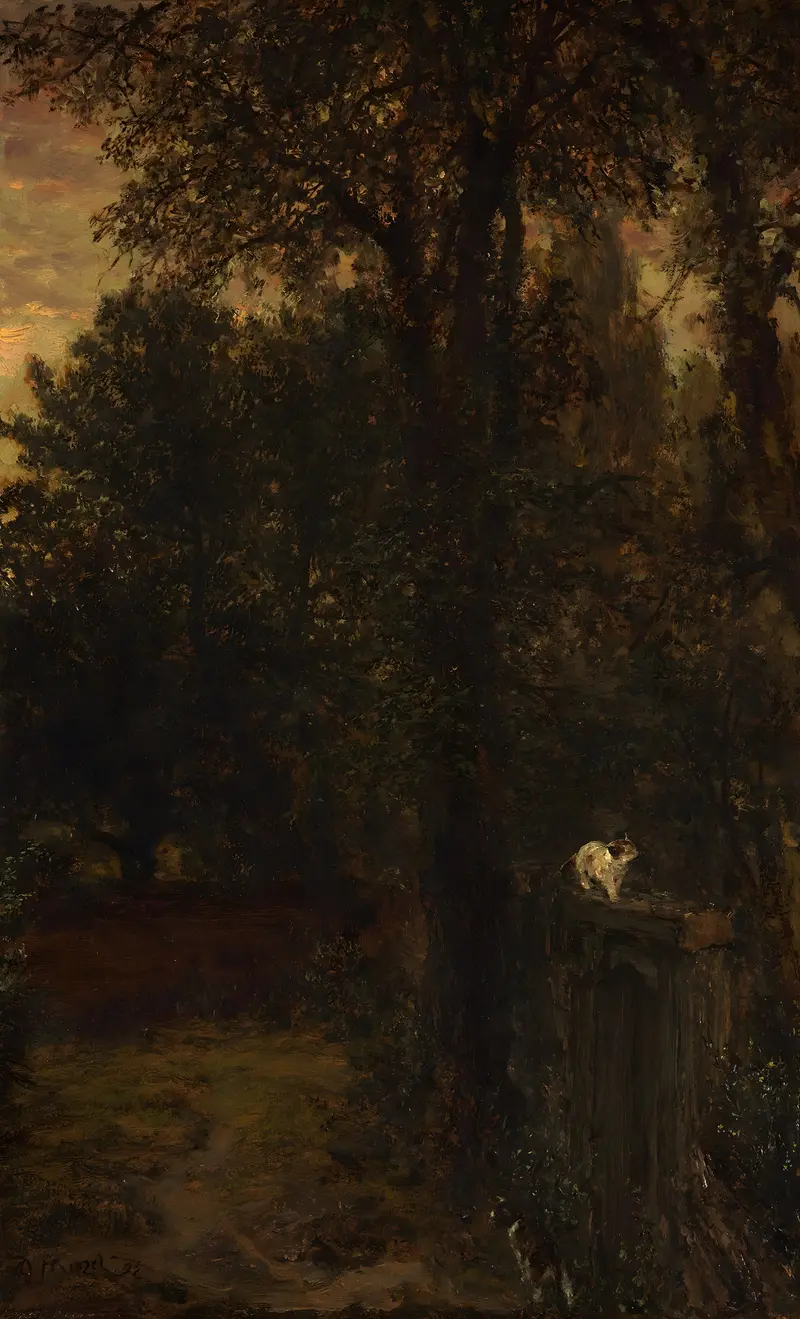
Landscape
Adolph von Menzel
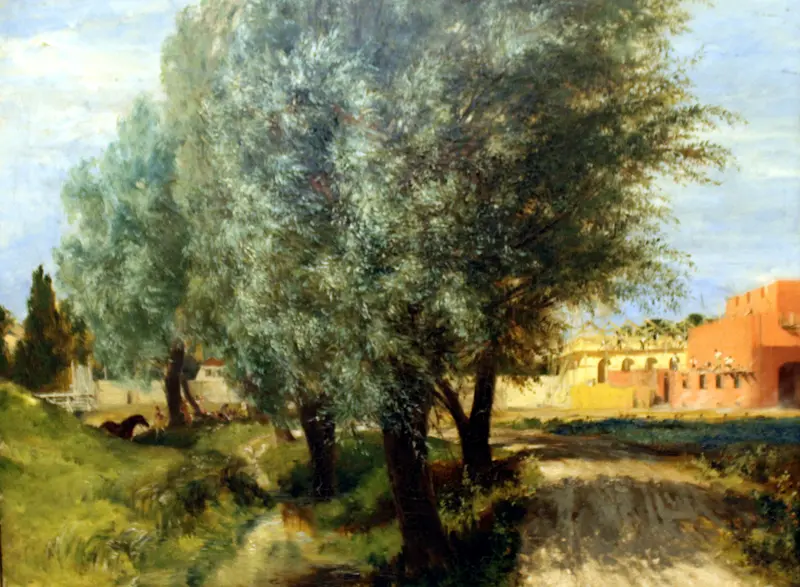
Building Site with Willows
Adolph von Menzel
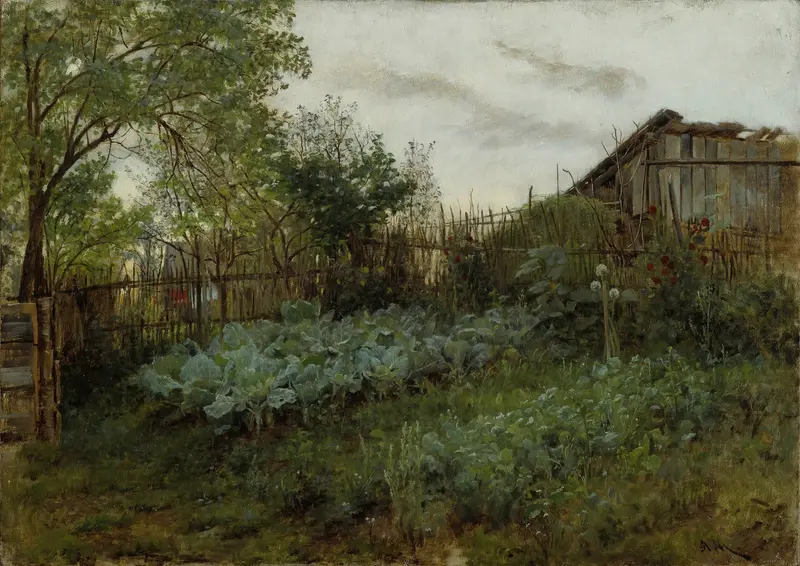
The Back Garden
Adolph von Menzel
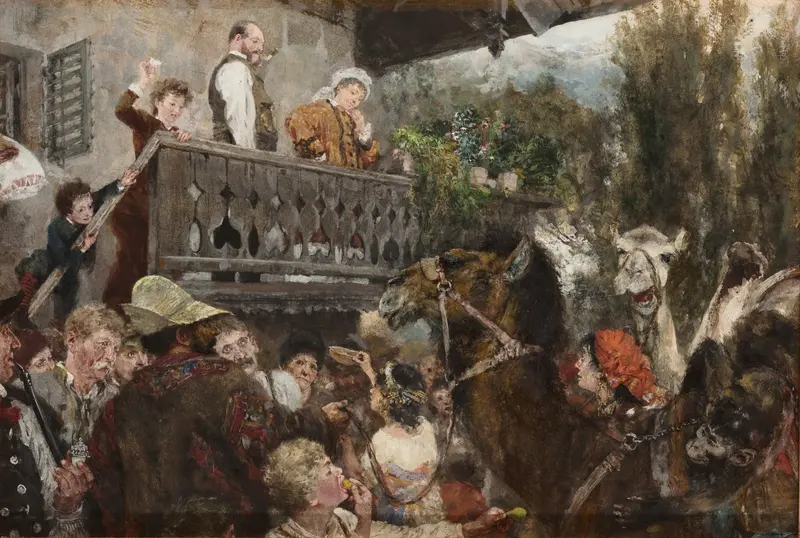
The wandering circus (Camel drivers in Partenkirchen)
Adolph von Menzel
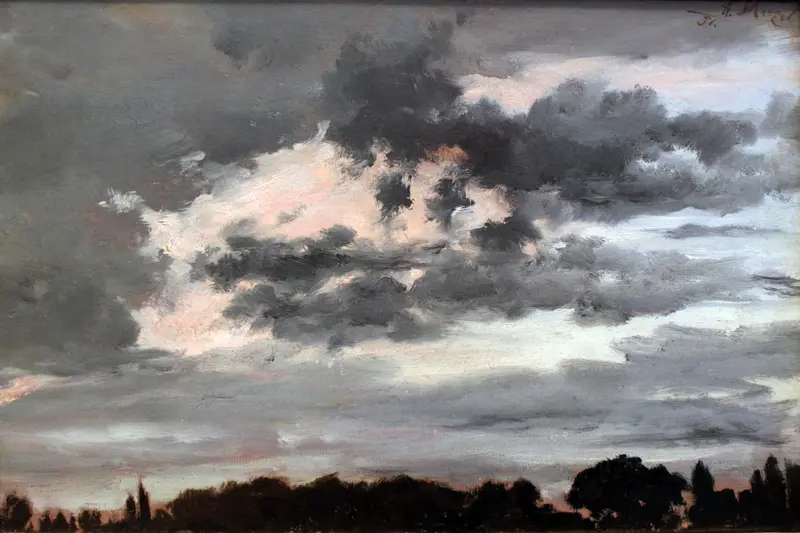
Cloud Study
Adolph von Menzel
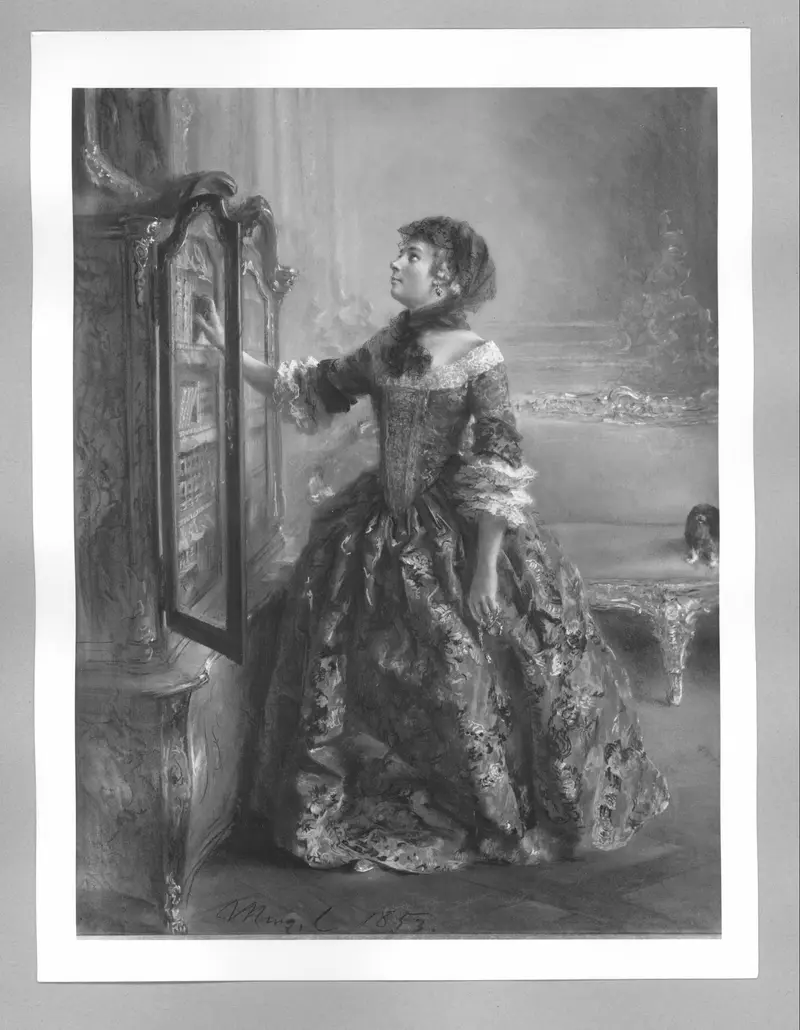
Adolf Friedrich Erdmann Menzel Dame in Rokoko Kostüm vor einem Bücherschrank (Prinzessin Amalie von Hohenzollern) 2320 Führermuseum
Adolph von Menzel
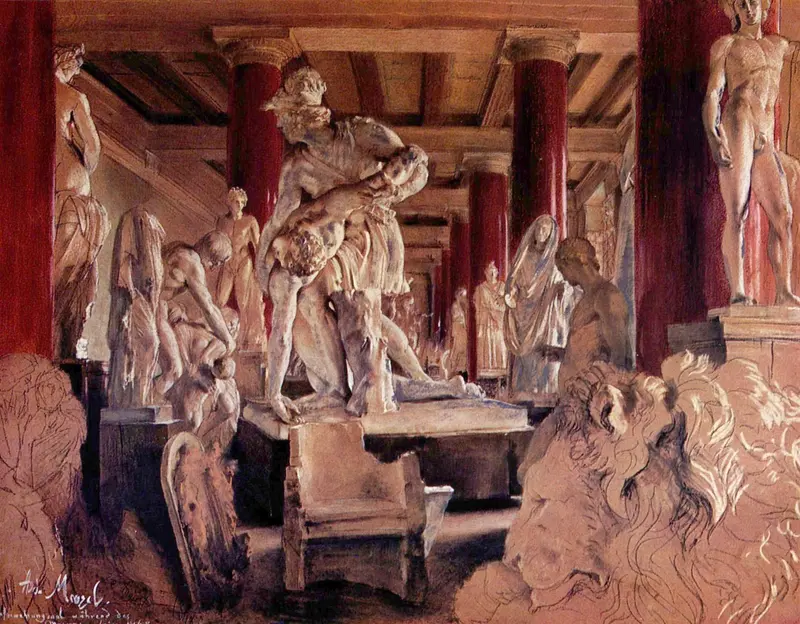
Aufbewahrungssaal während des Museumsumbaus Adolf Friedrich Erdmann von Menzel (Alte Nationalgalerie, Berlin)
Adolph von Menzel
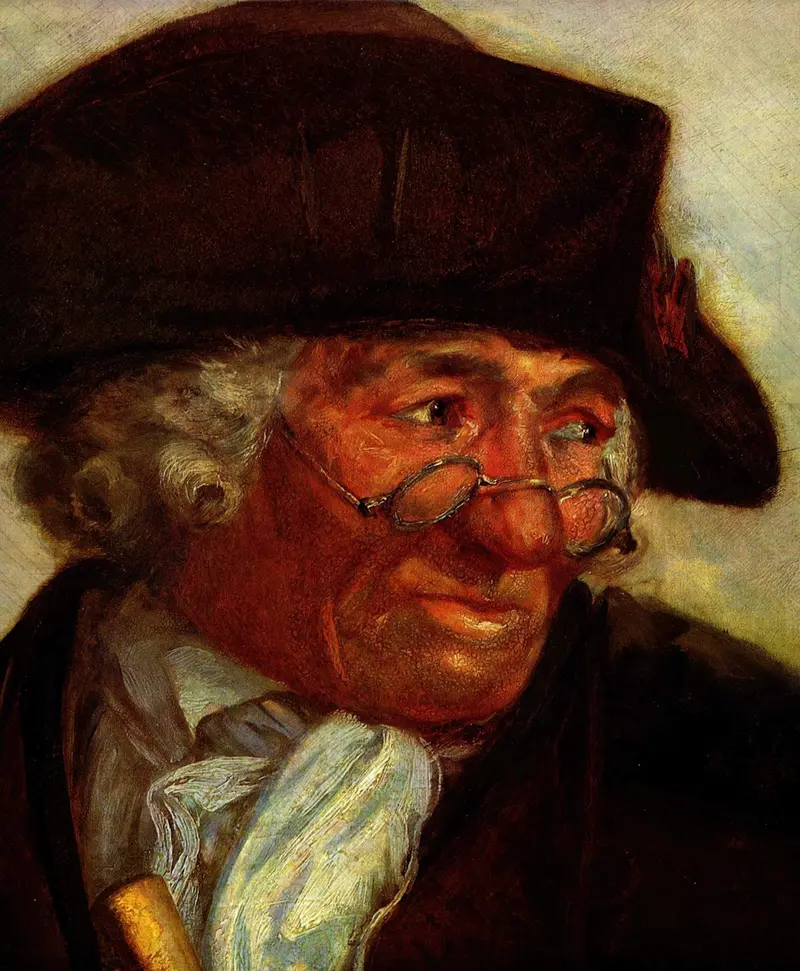
Chodowiecki on the Jannowitz Bridge
Adolph von Menzel
More Genre Scene Art

Banquet of the Officers of the St George Civic Guard
Frans Hals

Rembrandt and Saskia in the Scene of the Prodigal Son
Rembrandt van Rijn

Bal du moulin de la Galette
Pierre-Auguste Renoir

Quadrille at the Moulin Rouge
Henri de Toulouse-Lautrec

A Burial at Ornans
Gustave Courbet

When Will You Marry?
Paul Gauguin