
The Island of Tortosa — History & Facts
Is this a mirror — or a memory? In the sprawling canvas of The Island of Tortosa, the stillness of the landscape invites contemplation on the nature of existence and the passage of time. The serene image evokes a sense of longing, urging the viewer to reflect on their own fleeting presence within the world. Look to the left, where the rich hues of green and ochre blend harmoniously with the soft blues of the water. Notice how the gentle light illuminates the distant hills, casting them in an almost ethereal glow.
The meticulous brushwork captures not just the physical details of the island, but also the mood of tranquility that envelops it. The careful composition draws the eye into the depth of the scene, suggesting layers of meaning and memory waiting to be unraveled. In this work, contrasts abound: the stillness of the land juxtaposed with the flowing water, representing the duality of permanence and transience. Each element—the trees, the structures, the water—whispers of stories untold, echoing the artist’s exploration of mortality and the fragments of life left behind.
The delicate balance between vibrant life and inevitable decay is palpable, inviting the viewer to ponder what is lost as time ebbs away. Luigi Mayer painted The Island of Tortosa in 1810 while residing in England, where he was engaged in capturing landscapes. This period marked a shift in artistic focus towards Romanticism, emphasizing emotion and nature. Mayer’s own experiences, shaped by travels across Europe, influenced his portrayal of landscapes as reflections of both the outer world and the inner self, intertwining the personal with the universal.
More Artworks by Luigi Mayer
Browse all →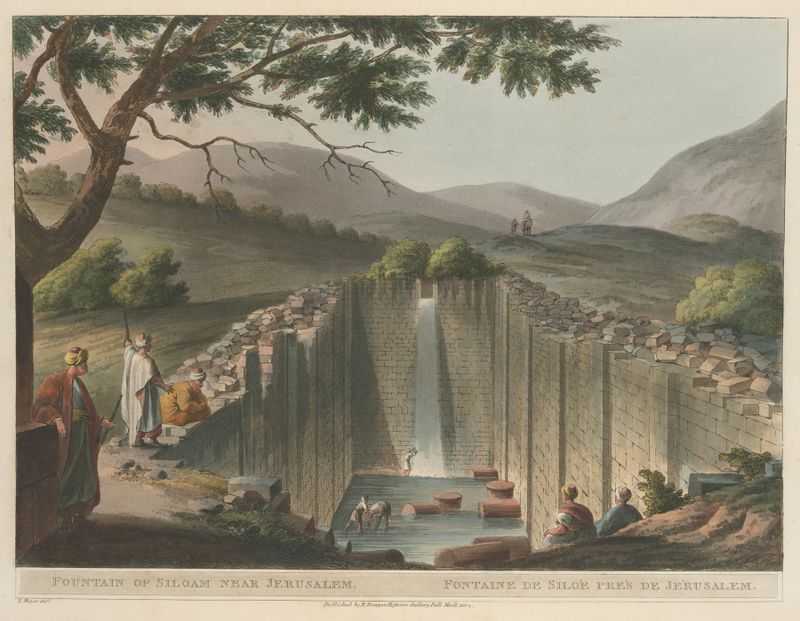
Fountain of Siloam Near Jerusalem
Luigi Mayer

View of the Dardanelles
Luigi Mayer
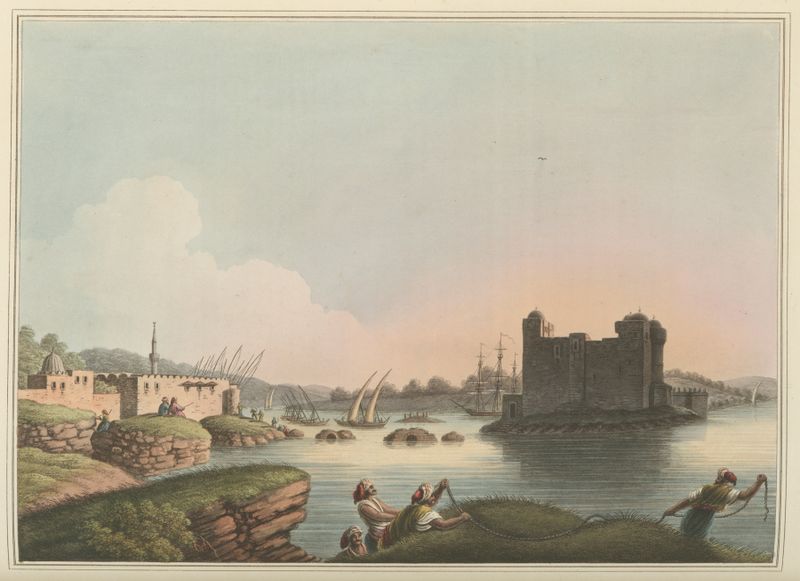
Port of Latachia
Luigi Mayer

Stadium at Ephesus
Luigi Mayer

Ancient Temples at Agrigentum
Luigi Mayer
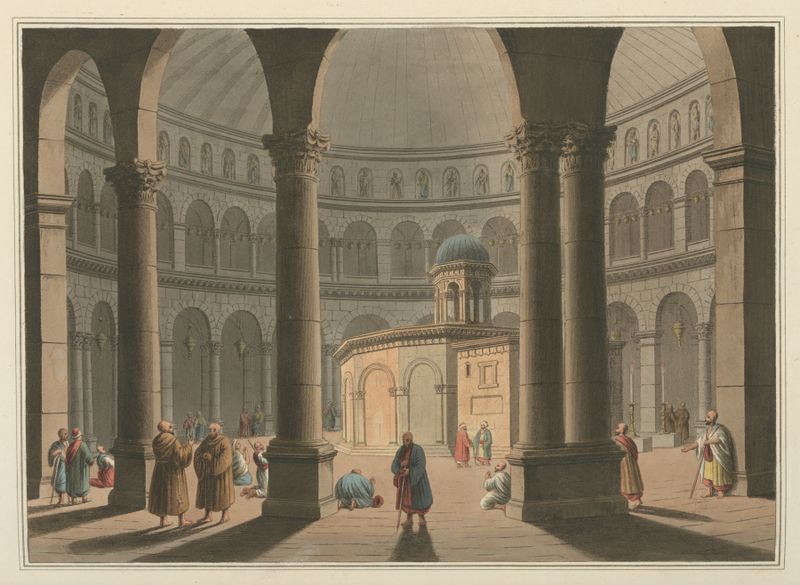
Church of the Holy Sepulchre
Luigi Mayer
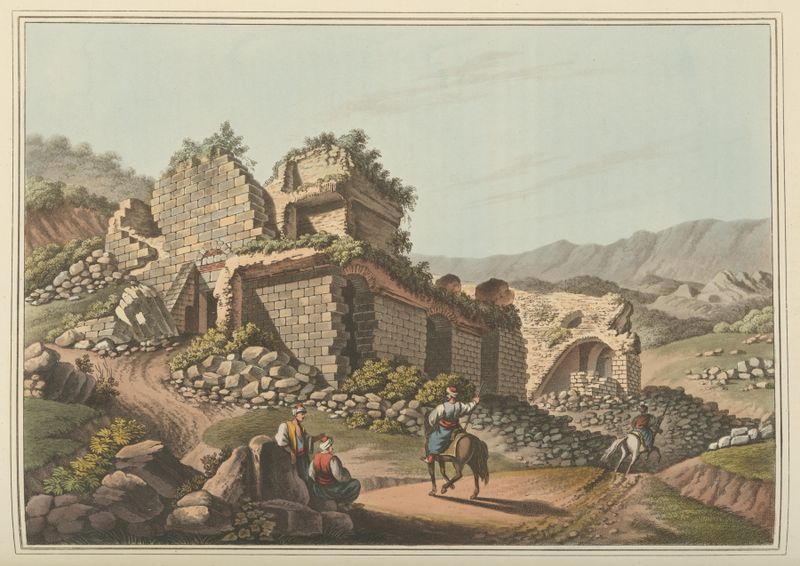
Theatre at Ephesus
Luigi Mayer
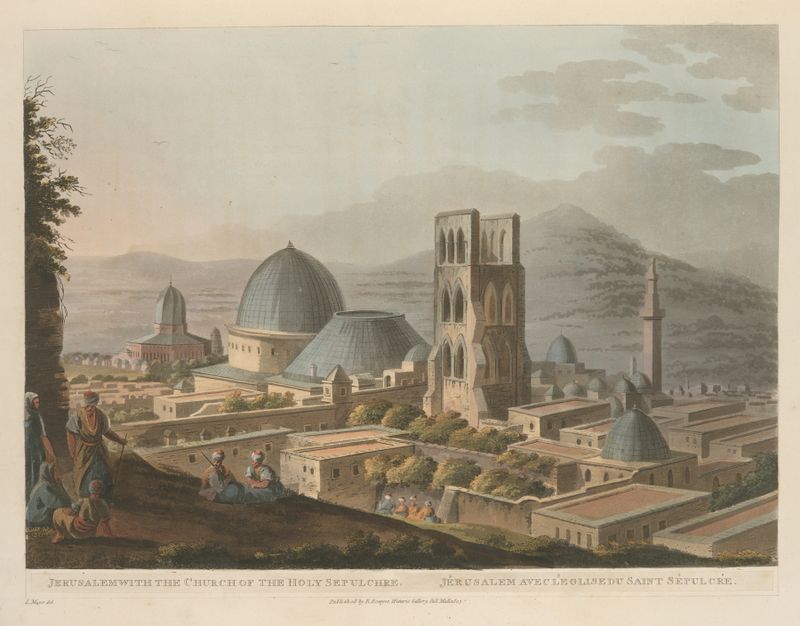
Jerusalem with the Church of the Holy Sepulchre
Luigi Mayer
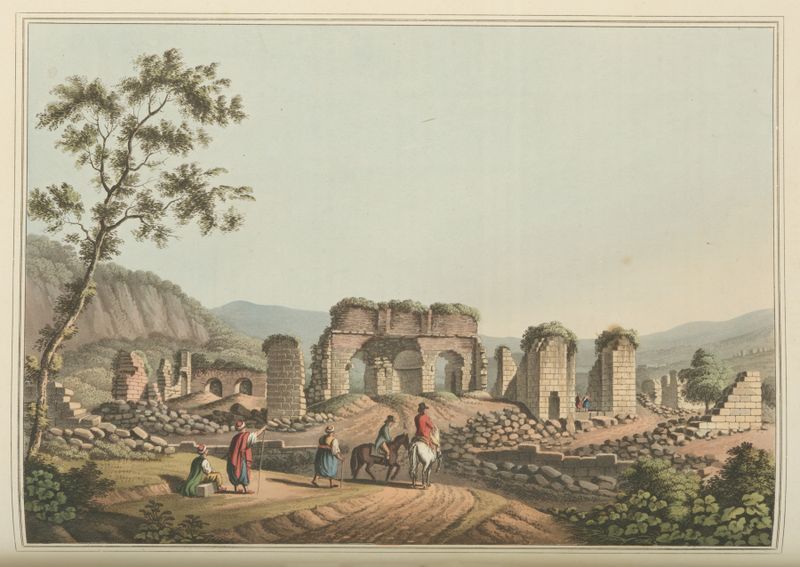
Ruins of the Temple of Diana at Ephesus
Luigi Mayer

Crater in the Island of Volcano
Luigi Mayer





