
The Ivy (Yadorigi), Illustration to Chapter 49 of the Tale of Genji (Genji monogatari) — History & Facts
Could a single brushstroke hold eternity? In The Ivy, faith intertwines with the ephemeral, capturing a moment that transcends the boundaries of time. Look closely at the delicate ivy leaves cascading down the page; the artist’s precision leads your gaze through a green labyrinth, each stroke a testament to meticulous craftsmanship. Notice how the leaves bend and twist, illuminated by subtle gradations of ink that suggest depth and vitality. The graceful curves create a rhythmic flow, while the soft hues invite contemplative reflection.
The composition is both intricate and harmonious, embodying a sense of quiet reverence. Delve deeper into the work, and you’ll find layers of meaning hidden in the ivy’s intricate design. The ivy, often associated with fidelity and resilience, perhaps symbolizes the enduring nature of love within the complex relationships depicted in the Tale of Genji. The interplay of light and shadow enhances the sense of intimacy, inviting viewers to ponder the fleeting connections between the characters and their world.
Each element seems infused with the weight of history and emotion, creating a poignant contrast between the transient moments of life and their lasting legacy. In the early 16th century, Tosa Mitsunobu was a leading figure in the Japanese painting tradition. Working during the Muromachi period, he was deeply influenced by both classical court culture and emerging Zen aesthetics. His illustrations for the Tale of Genji, particularly during 1509-1510, reflect a time when the interplay of art and literature was celebrated, capturing the essence of human experience with sophistication and grace.
More Artworks by Tosa Mitsunobu
Browse all →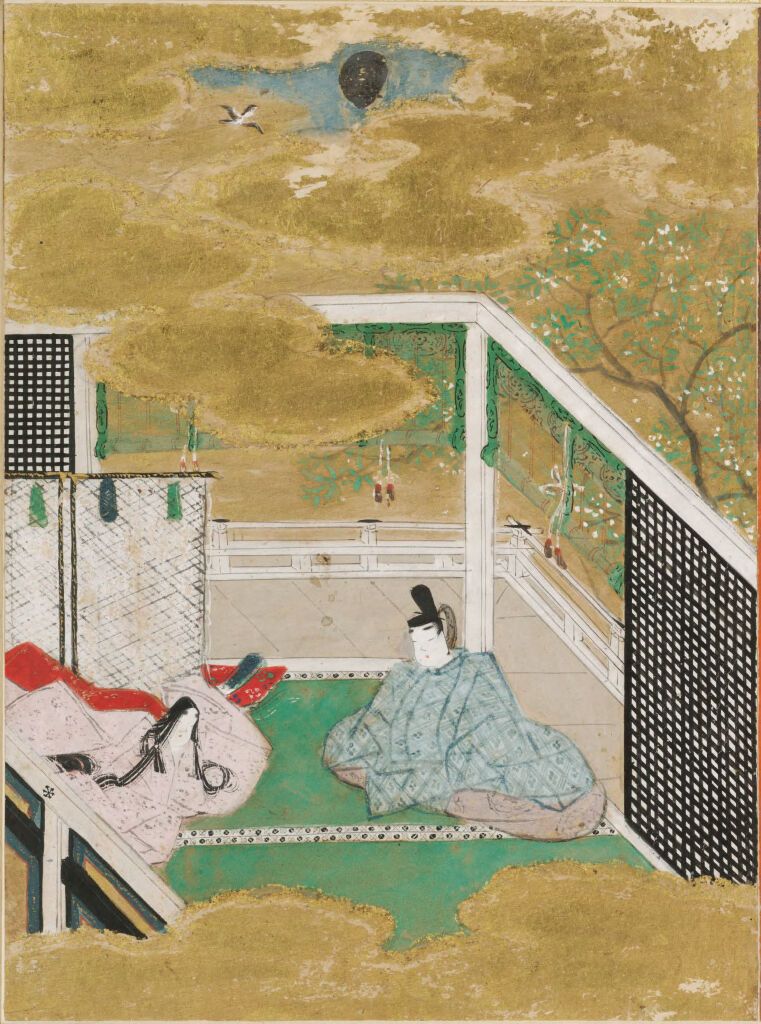
Falling Flowers (Hanachirusato), Illustration to Chapter 11 of the Tale of Genji (Genji monogatari)
Tosa Mitsunobu
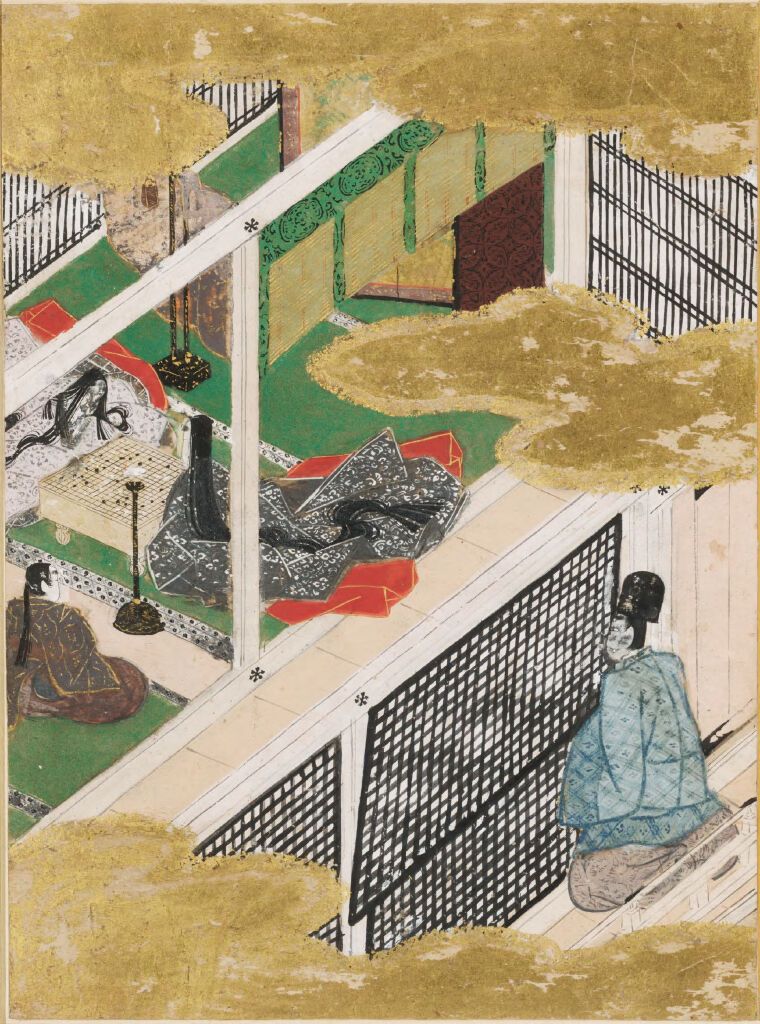
The Cicada Shell (Utsusemi), Illustration to Chapter 3 of the Tale of Genji (Genji monogatari)
Tosa Mitsunobu
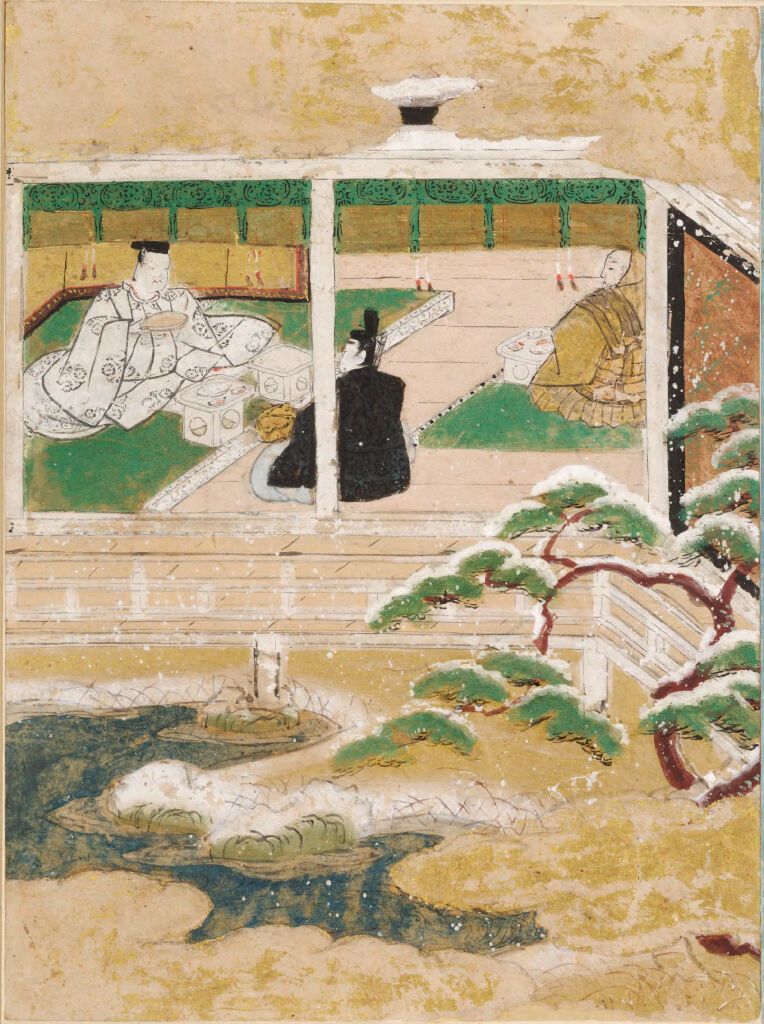
The Seer (Maboroshi), Illustration to Chapter 41 of the Tale of Genji (Genji monogatari)
Tosa Mitsunobu
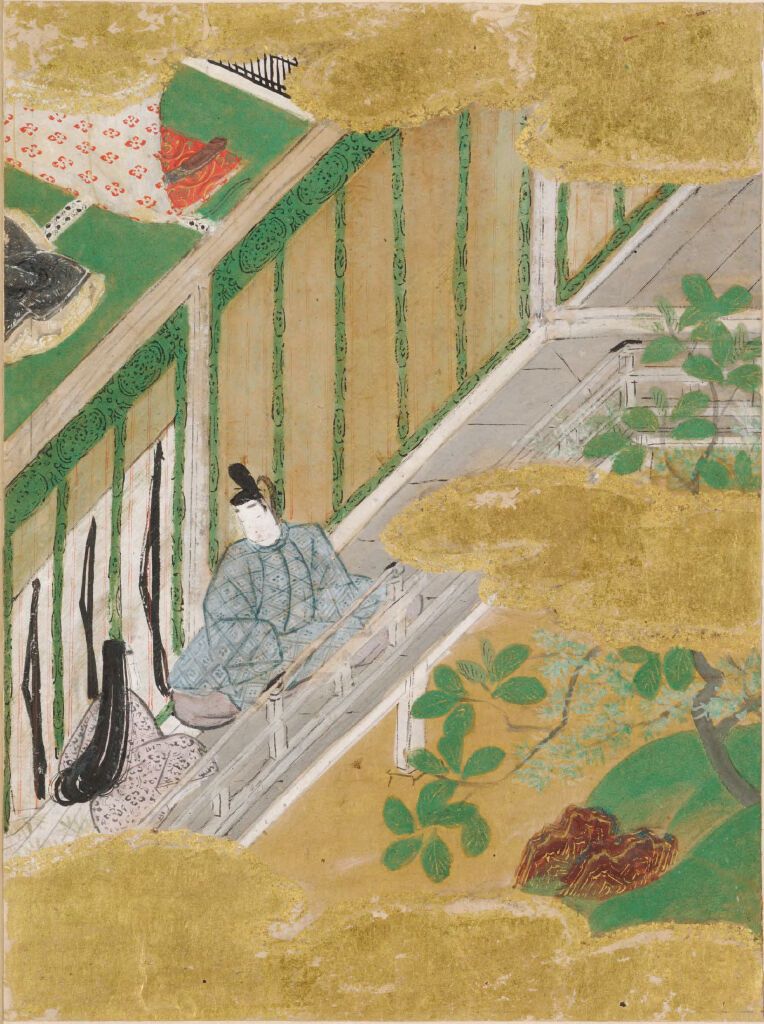
The Oak Tree (Kashiwagi), Illustration to Chapter 36 of the Tale of Genji (Genji monogatari)
Tosa Mitsunobu
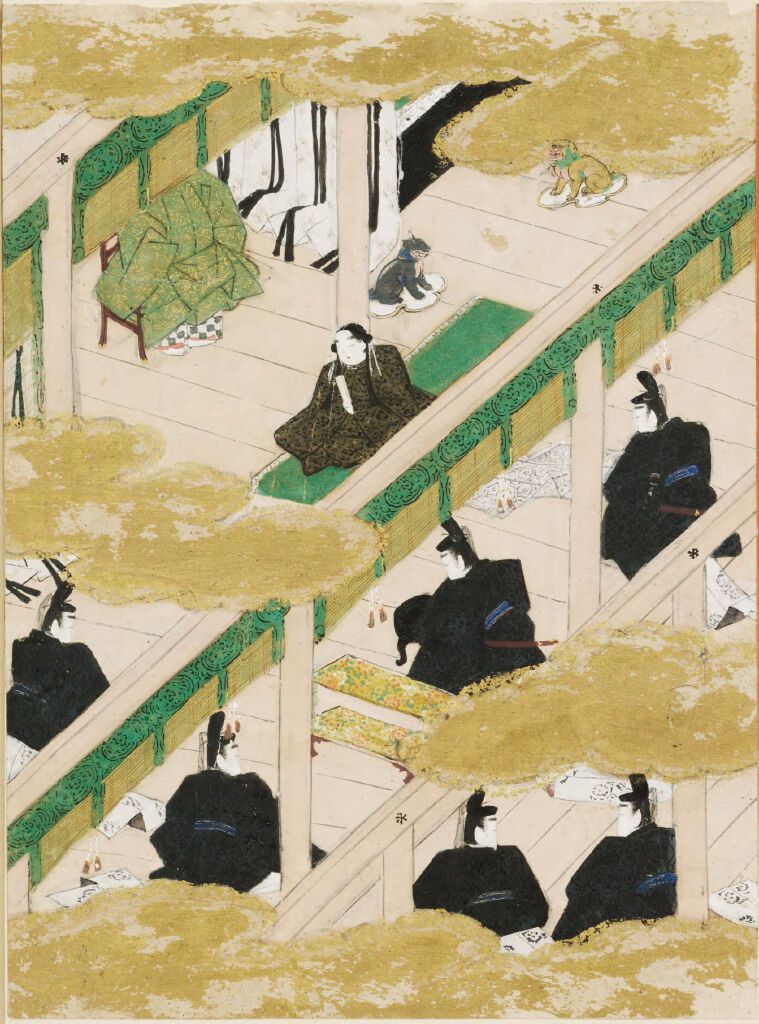
The Paulownia Pavilion (Kiritsubo), Illustration to Chapter 1 of the Tale of Genji (Genji monogatari)
Tosa Mitsunobu
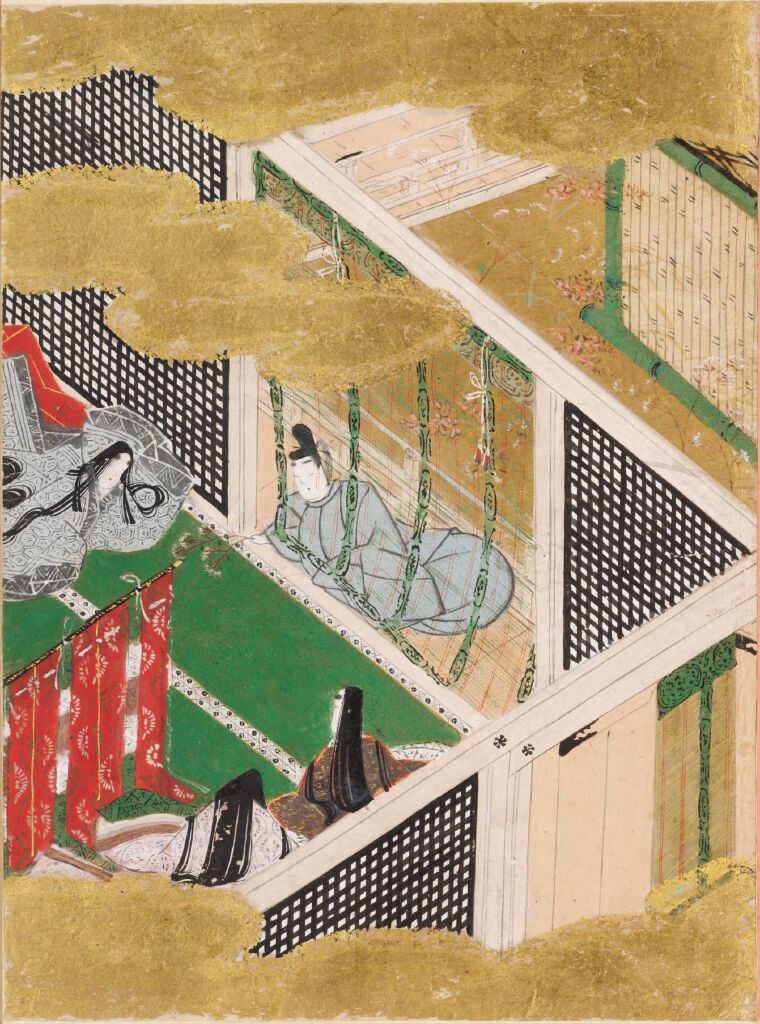
Thoroughwort Flowers (Fujibakama), Illustration to Chapter 30 of the Tale of Genji (Genji monogatari)
Tosa Mitsunobu

Under the Cherry Blossoms (Hana no En), Illustration to Chapter 8 of the Tale of Genji (Genji monogatari)
Tosa Mitsunobu

The Pilgrimage to Sumiyoshi (Miotsukushi), Illustration to Chapter 14 of the Tale of Genji (Genji monogatari)
Tosa Mitsunobu
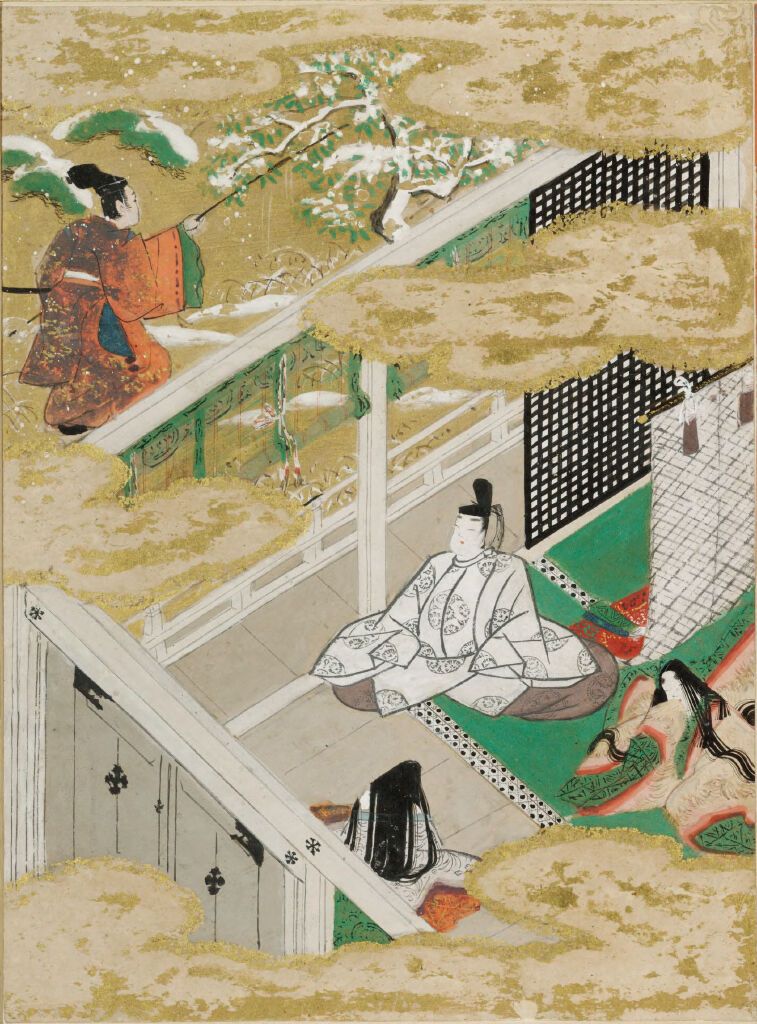
The Safflower (Suetsumuhana), Illustration to Chapter 6 of the Tale of Genji (Genji monogatari)
Tosa Mitsunobu
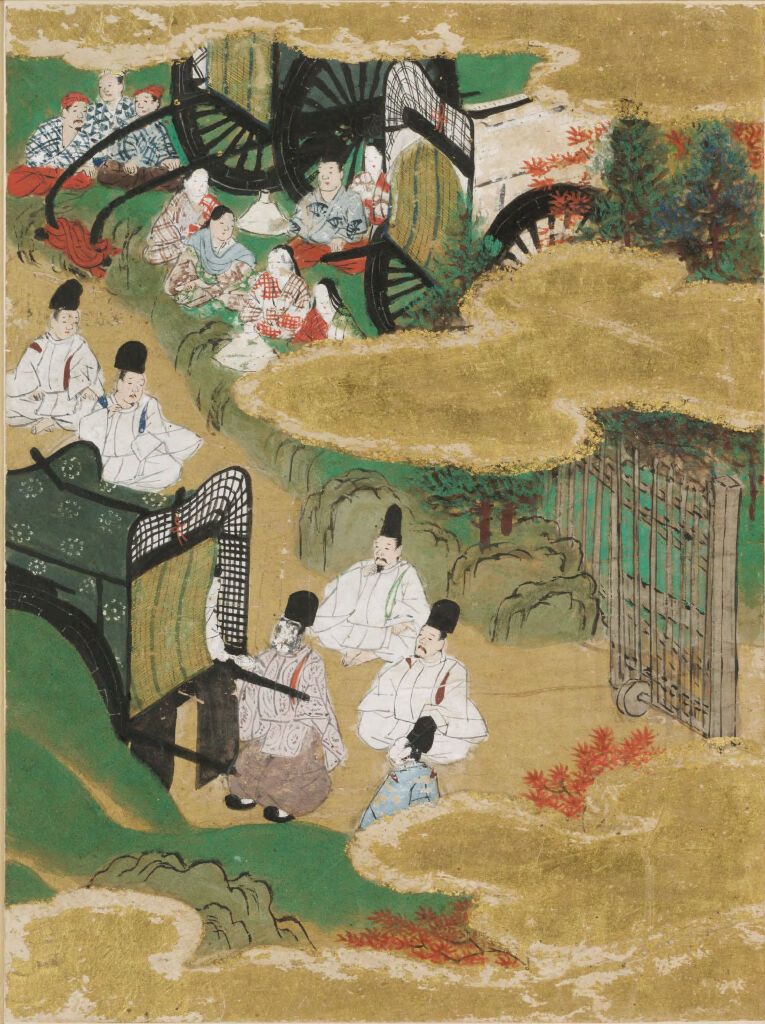
At the Pass (Sekiya), Illustration to Chapter 16 of the Tale of Genji (Genji monogatari)
Tosa Mitsunobu
More Illustration Art
Browse all →Falling Flowers (Hanachirusato), Illustration to Chapter 11 of the Tale of Genji (Genji monogatari)
Tosa Mitsunobu
The Cicada Shell (Utsusemi), Illustration to Chapter 3 of the Tale of Genji (Genji monogatari)
Tosa Mitsunobu
The Seer (Maboroshi), Illustration to Chapter 41 of the Tale of Genji (Genji monogatari)
Tosa Mitsunobu
The Oak Tree (Kashiwagi), Illustration to Chapter 36 of the Tale of Genji (Genji monogatari)
Tosa Mitsunobu
The Paulownia Pavilion (Kiritsubo), Illustration to Chapter 1 of the Tale of Genji (Genji monogatari)
Tosa Mitsunobu
Thoroughwort Flowers (Fujibakama), Illustration to Chapter 30 of the Tale of Genji (Genji monogatari)
Tosa Mitsunobu