
The Jockey — History & Facts
In The Jockey, Henri de Toulouse-Lautrec captures a dynamic figure of a jockey dressed in vibrant colors. The jockey's outfit features a mix of bold reds and blues, creating a striking contrast against the muted background. This setting suggests a lively atmosphere, possibly at a racetrack or stable.
The jockey's expression is focused, embodying the spirit of competition and determination. The painting is executed in oil on canvas, showcasing Toulouse-Lautrec's characteristic brushwork and use of color. The dimensions are approximately 65 x 81 cm, making it a sizable portrait that draws the viewer's attention. The jockey is depicted in a semi-profile, allowing for a clear view of his attire and expression.
The composition is balanced, with the figure occupying a central position in the frame. Henri de Toulouse-Lautrec was known for his depictions of Parisian nightlife and culture, often focusing on marginalized figures. This work, created in the 1890s, reflects his fascination with the world of horse racing, a popular pastime in France. Interestingly, Toulouse-Lautrec himself was a fan of the races and often attended events, which influenced his artistic choices.
The Jockey serves as a testament to his ability to blend personal interest with artistic expression.
More Artworks by Henri de Toulouse-Lautrec
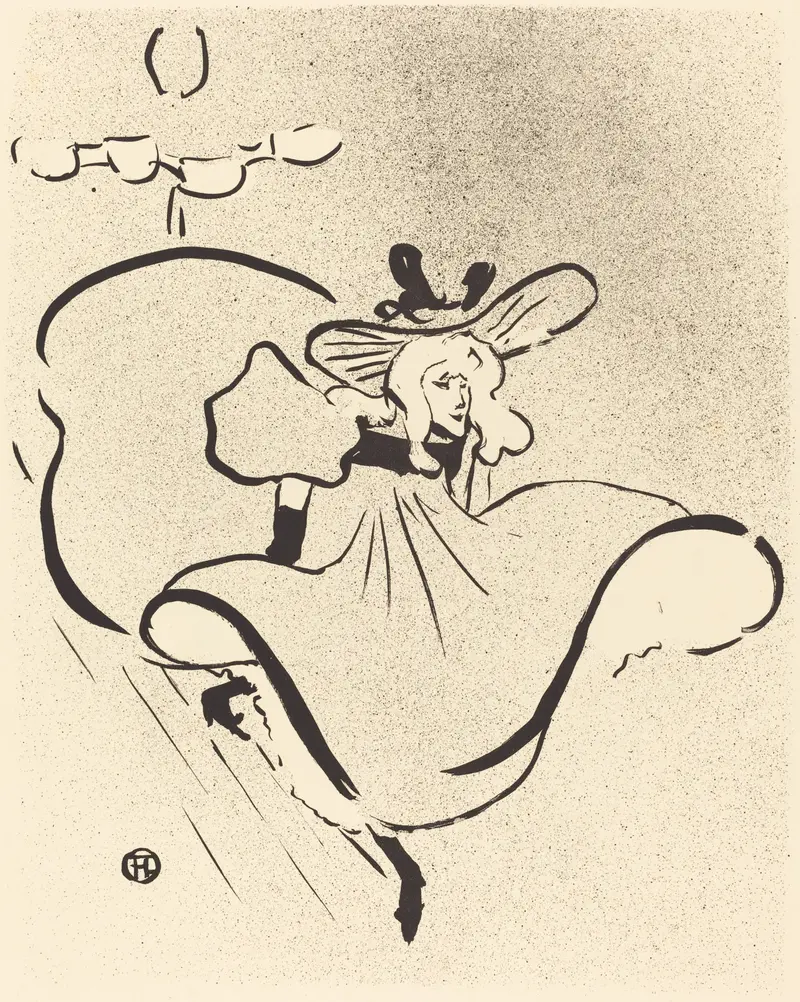
Jane Avril
Henri de Toulouse-Lautrec
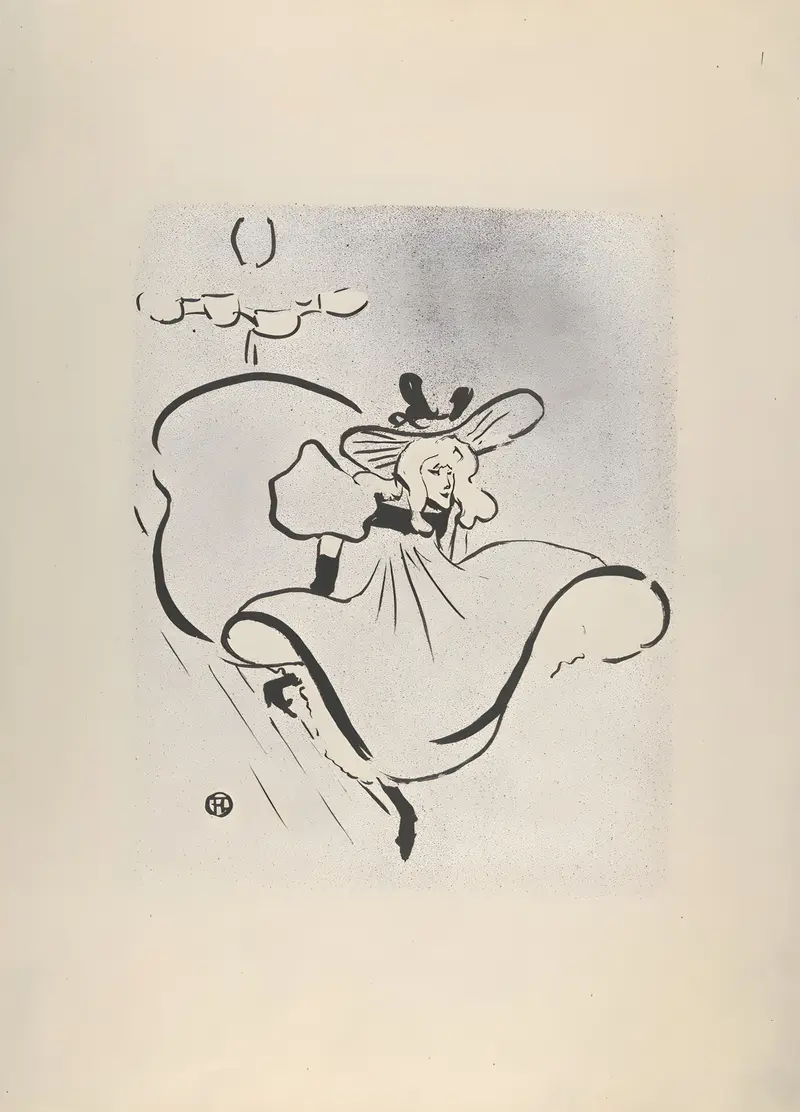
Jane Avril.
Henri de Toulouse-Lautrec

Quadrille at the Moulin Rouge
Henri de Toulouse-Lautrec
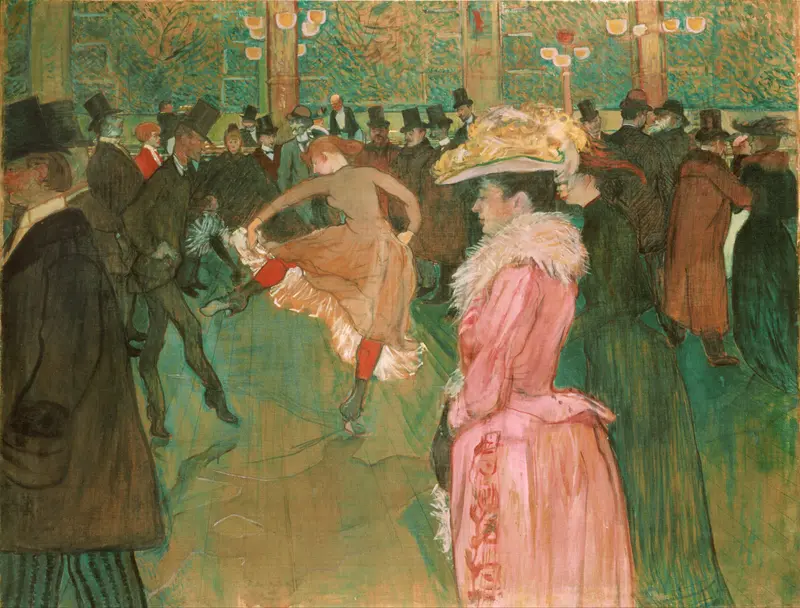
At the Moulin Rouge- The Dance
Henri de Toulouse-Lautrec
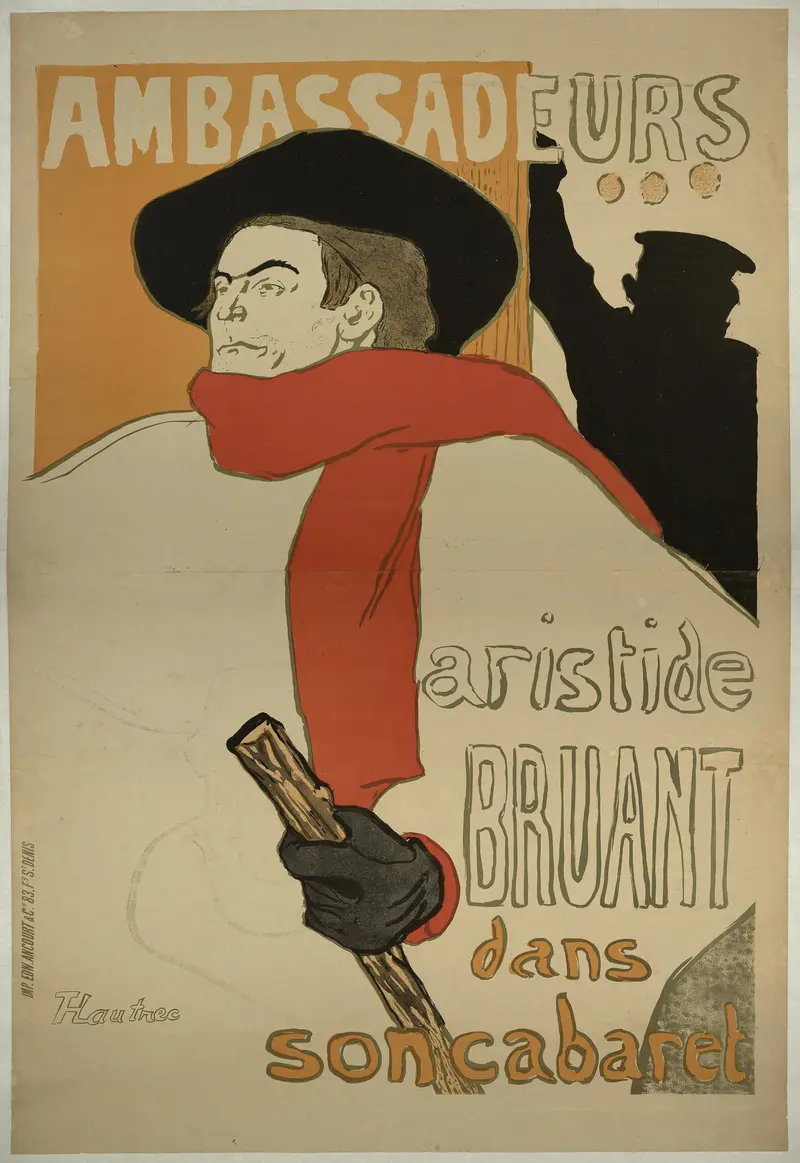
Ambassadeurs. Aristide Bruant dans son cabaret
Henri de Toulouse-Lautrec
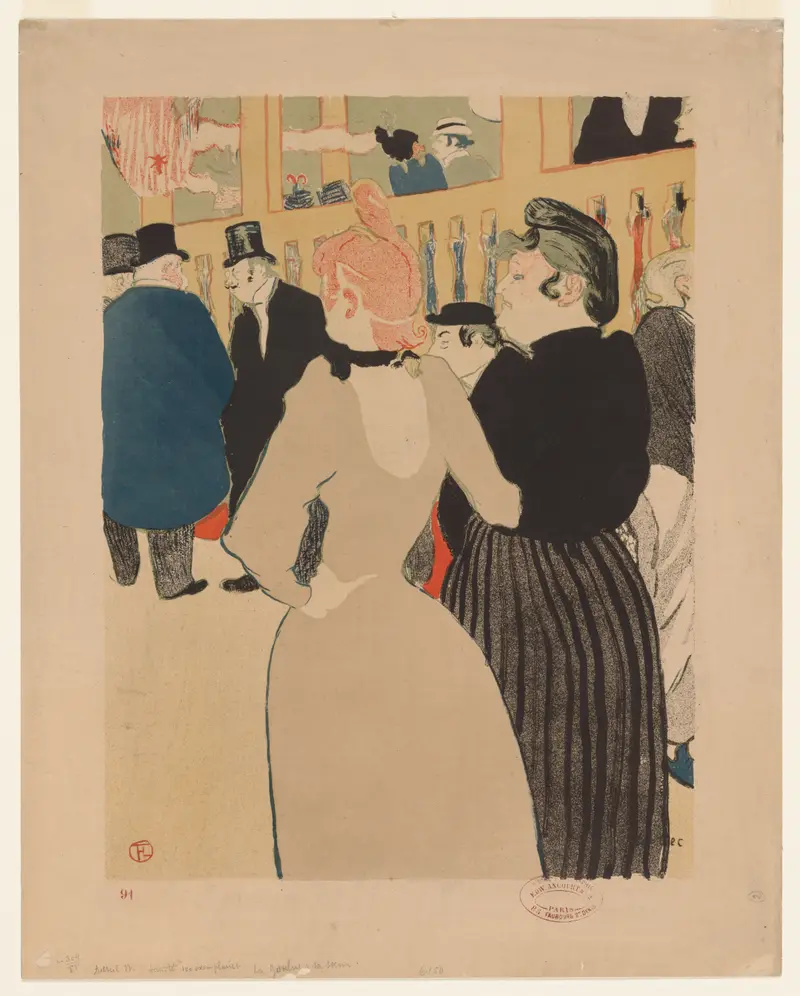
At the Moulin Rouge; La Goulue and Her Sister
Henri de Toulouse-Lautrec
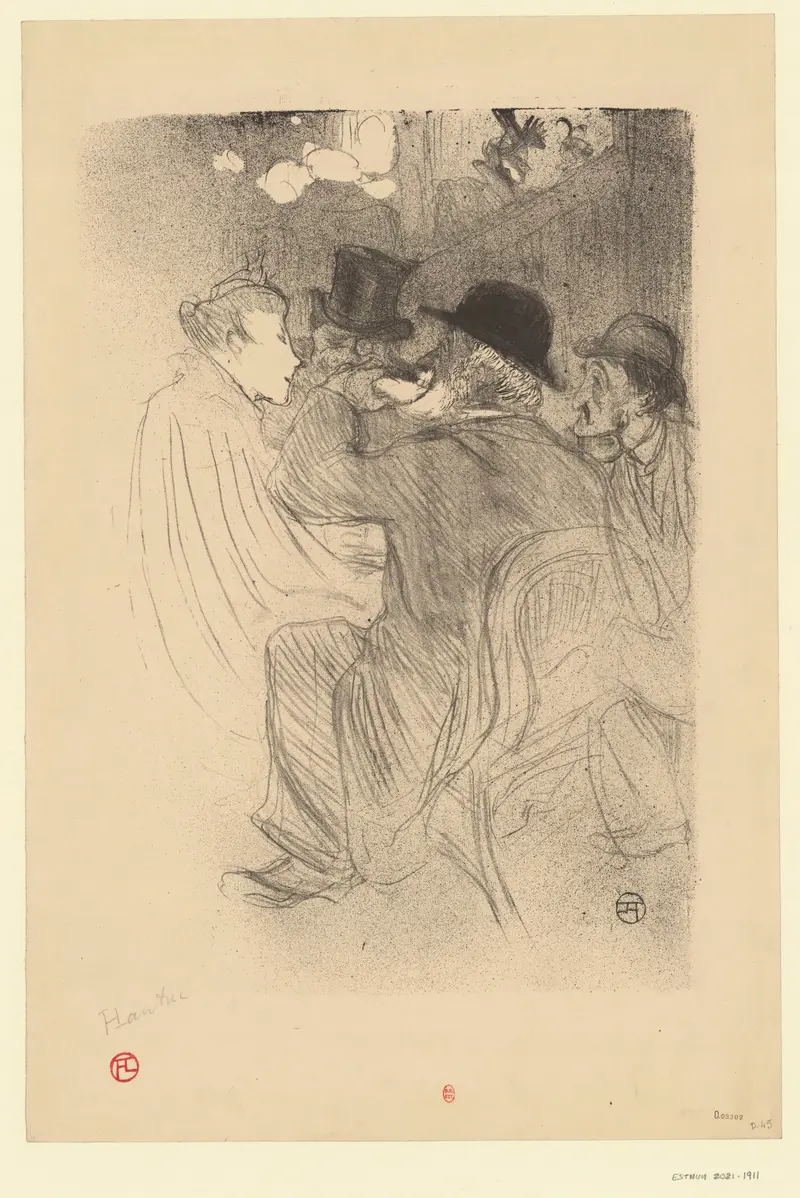
Au Moulin Rouge;Un Rude! Un Vrai Rude!
Henri de Toulouse-Lautrec
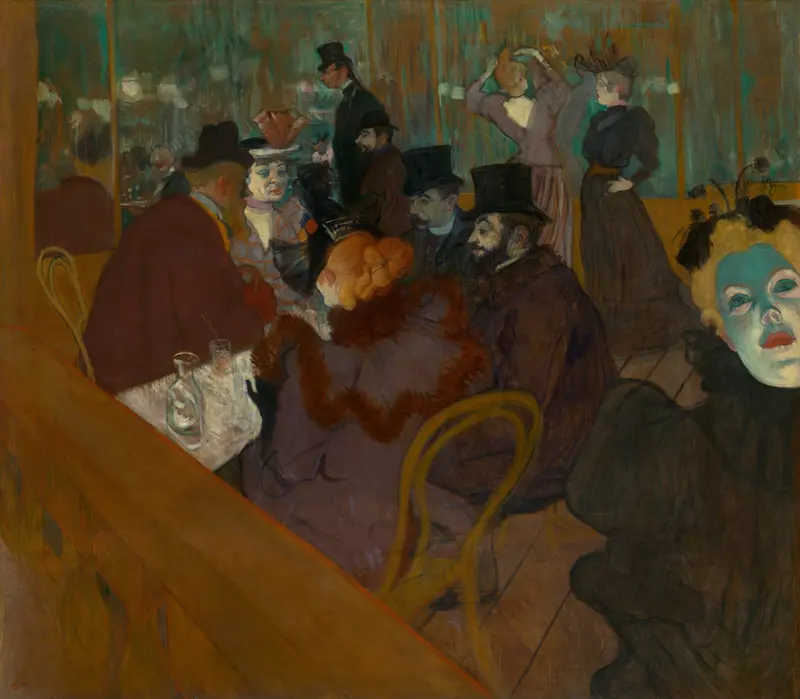
At the Moulin Rouge
Henri de Toulouse-Lautrec
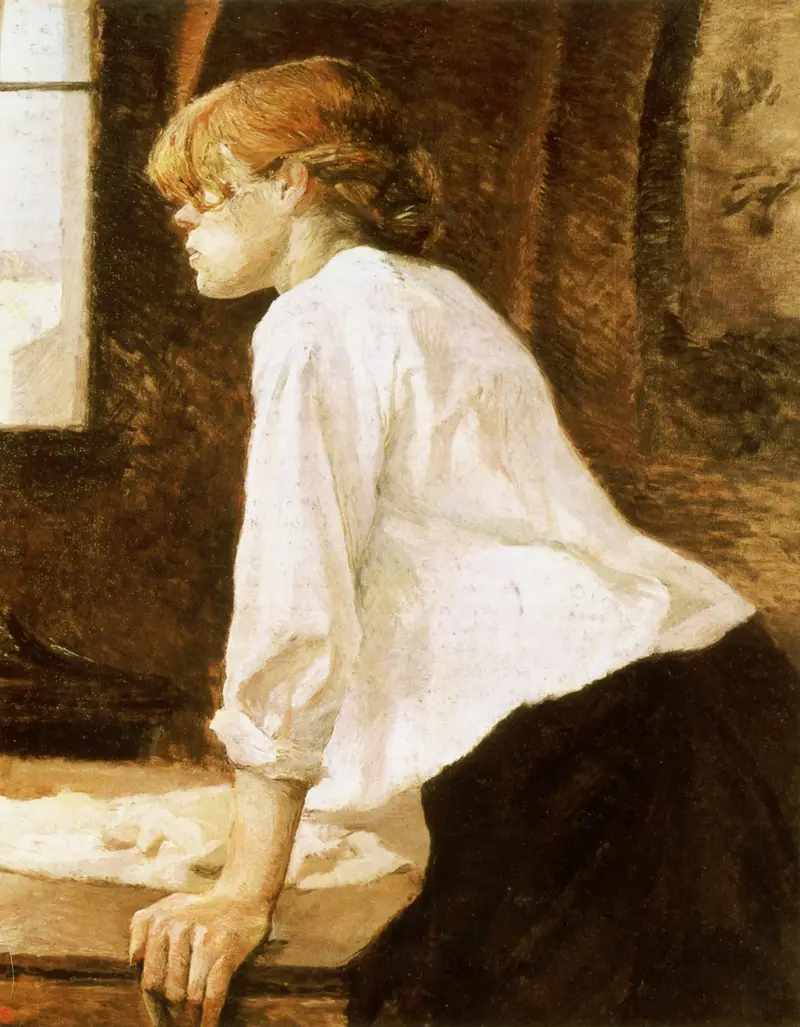
La Blanchisseuse
Henri de Toulouse-Lautrec
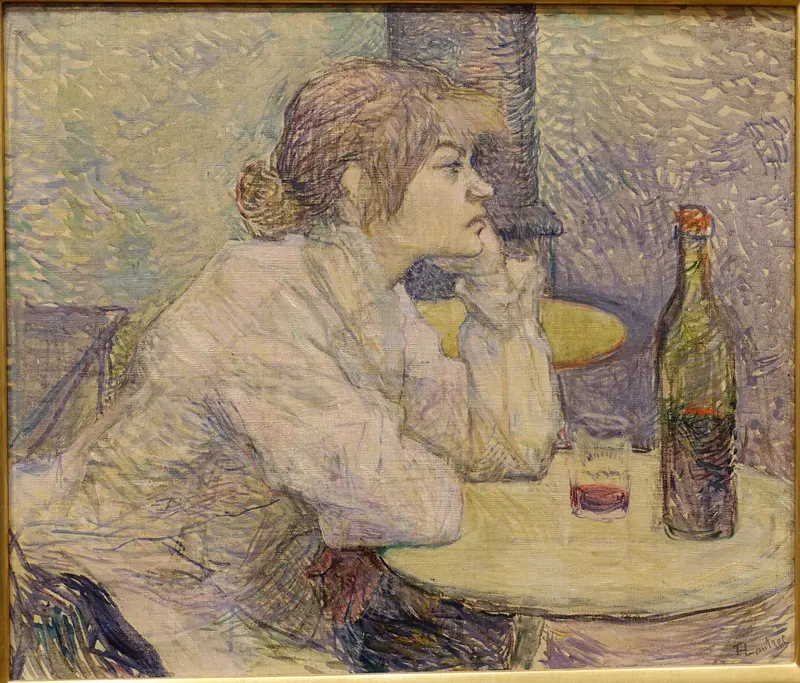
The Hangover (Suzanne Valadon)
Henri de Toulouse-Lautrec





