
The Judgment Of Paris — History & Facts
In The Judgment of Paris, Jacques Louis David presents a vibrant scene filled with rich colors and dramatic figures. The painting depicts the moment when Paris, a Trojan prince, is asked to choose the fairest goddess among Juno, Minerva, and Venus. Each goddess is portrayed with distinct characteristics, emphasizing their divine attributes.
The lush background adds depth and context to this mythological narrative. David employs oil on canvas to create this work, which measures approximately 130 x 162 cm. The composition is carefully arranged, with the figures positioned in a triangular formation that draws the viewer’s eye. The use of light and shadow enhances the three-dimensionality of the figures, while the color palette is vibrant, reflecting the emotional intensity of the scene.
The details in the drapery and facial expressions are particularly noteworthy. Jacques Louis David was a prominent figure in the Neoclassical movement, known for his historical and mythological subjects. The Judgment of Paris was painted around 1788, a time when David was establishing his reputation in Paris. An interesting fact about this work is that it reflects the ideals of the Enlightenment, emphasizing reason and beauty through classical themes.
This painting was influential in shaping the direction of French art in the late 18th century.
More Artworks by Jacques Louis David

Napoleon Crossing the Alps
Jacques Louis David
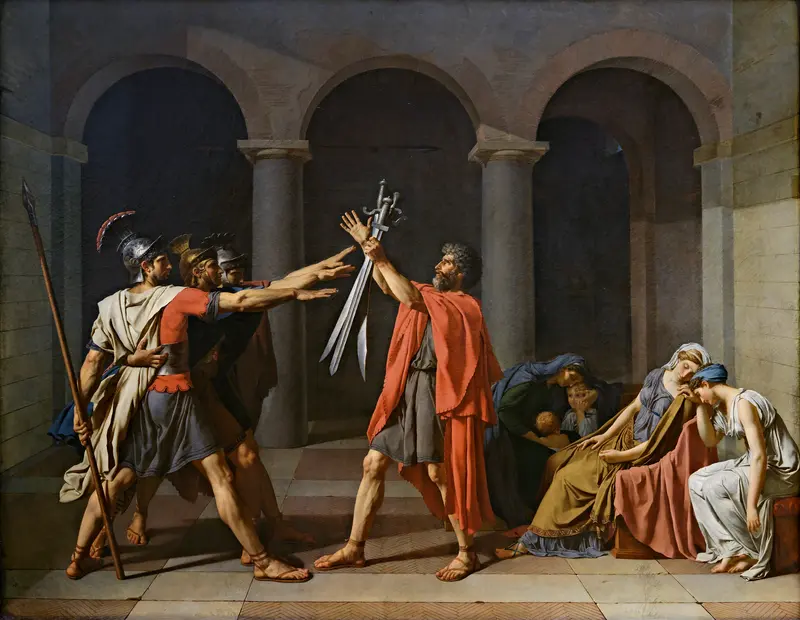
Oath Of The Horatii
Jacques Louis David

The Death of Marat
Jacques Louis David
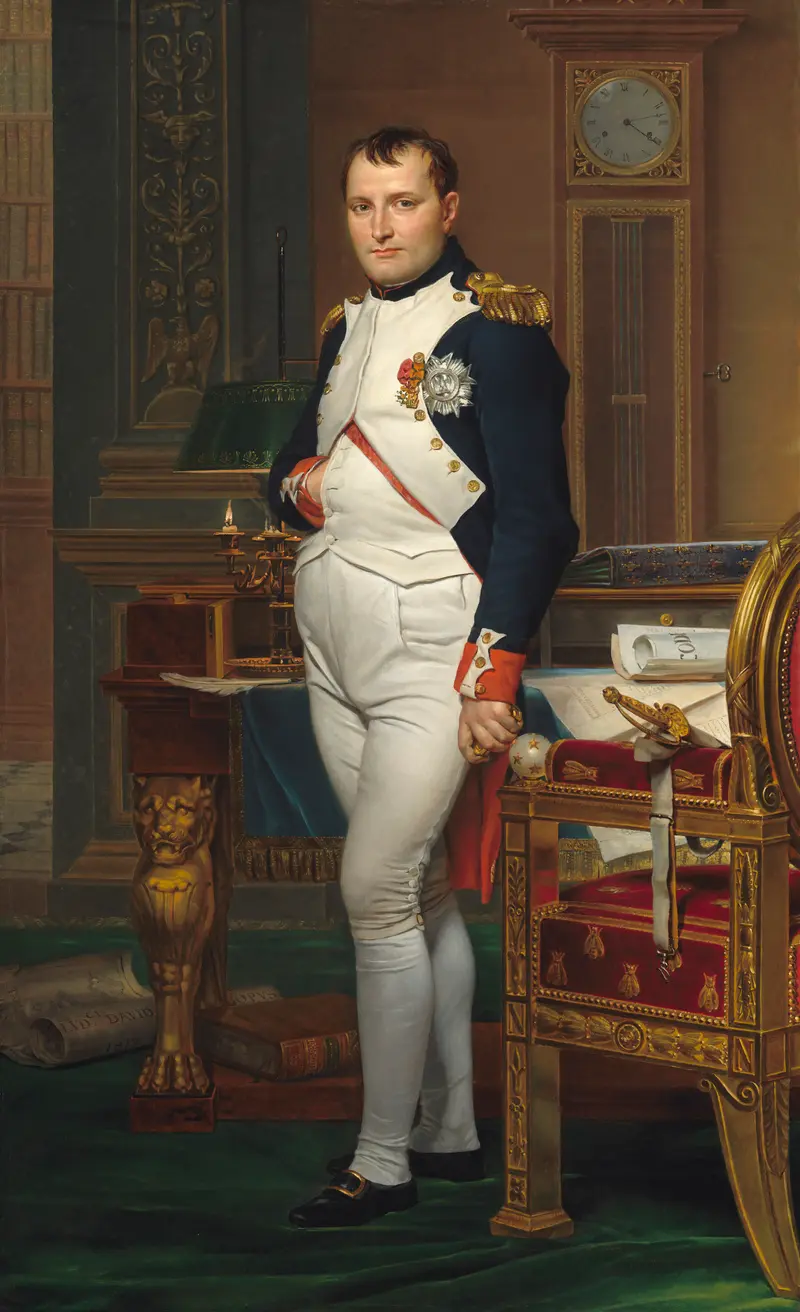
The Emperor Napoleon in His Study at the Tuileries
Jacques Louis David

The Death of Socrates
Jacques Louis David
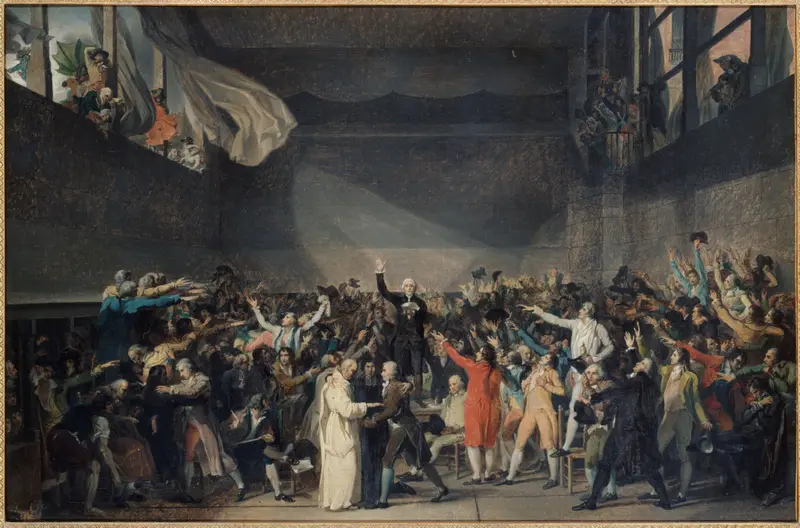
Serment Du Jeu De Paume, Le 20 Juin
Jacques Louis David
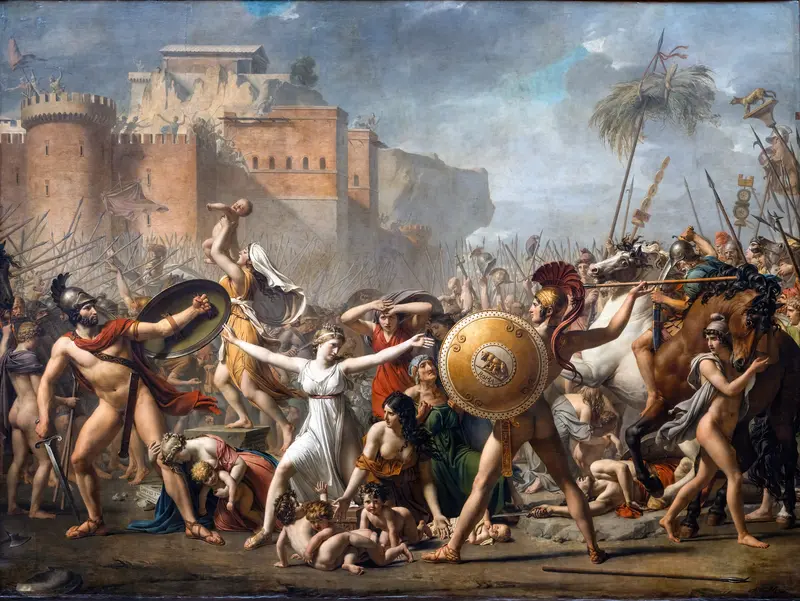
The Intervention Of The Sabine Women
Jacques Louis David
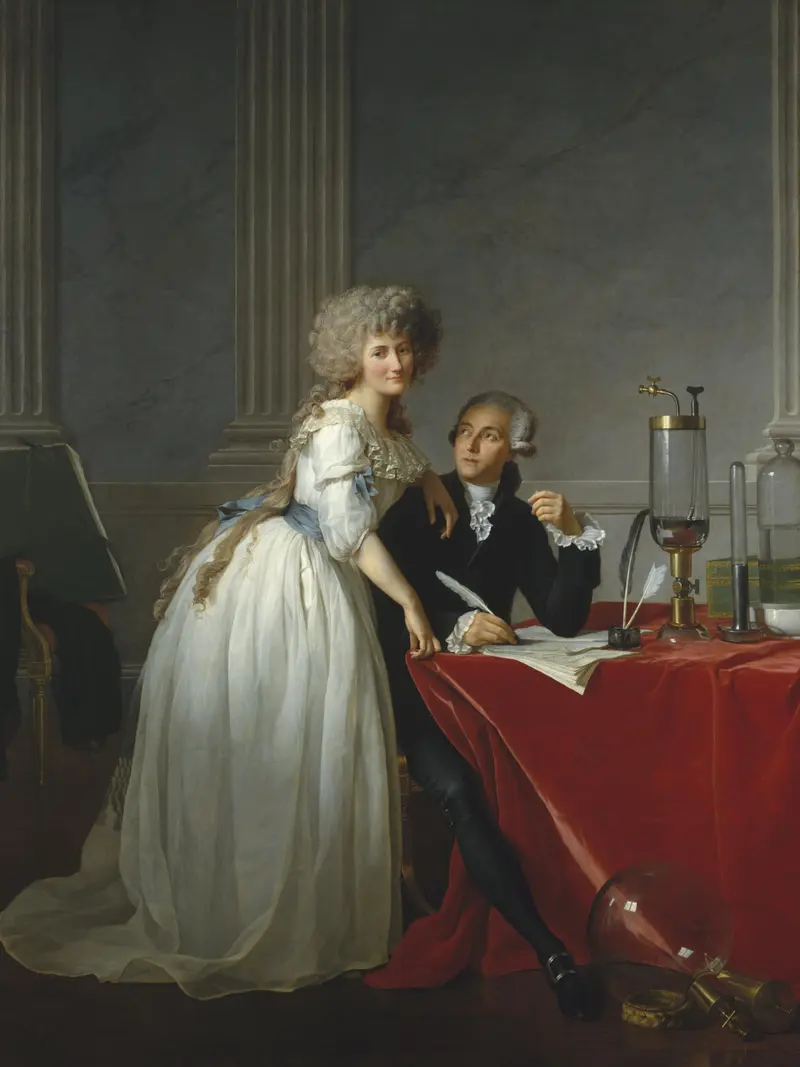
Antoine Laurent Lavoisier (1743–1794) and Marie Anne Lavoisier (Marie Anne Pierrette Paulze, 1758–1836)
Jacques Louis David
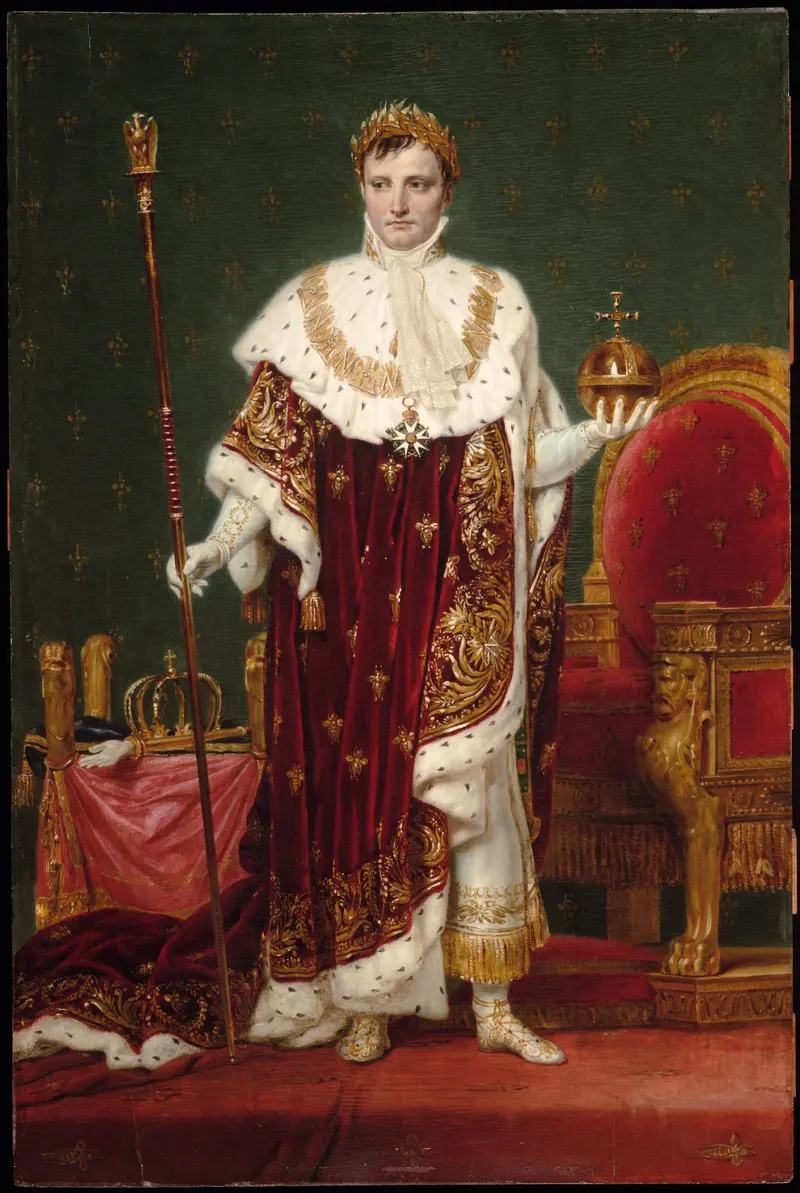
Emperor Napoleon I (1769-1821)
Jacques Louis David
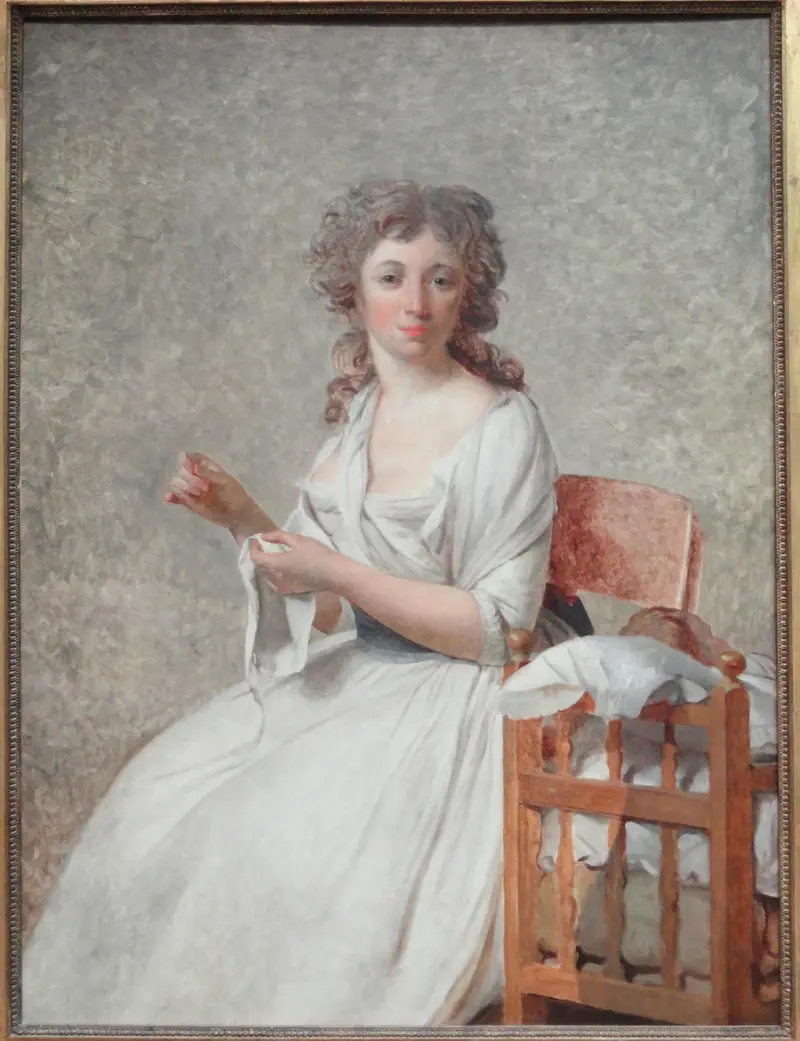
Madame de Pastoret and Her Son
Jacques Louis David





