
The Kufstein Fortress in Twilight — History & Facts
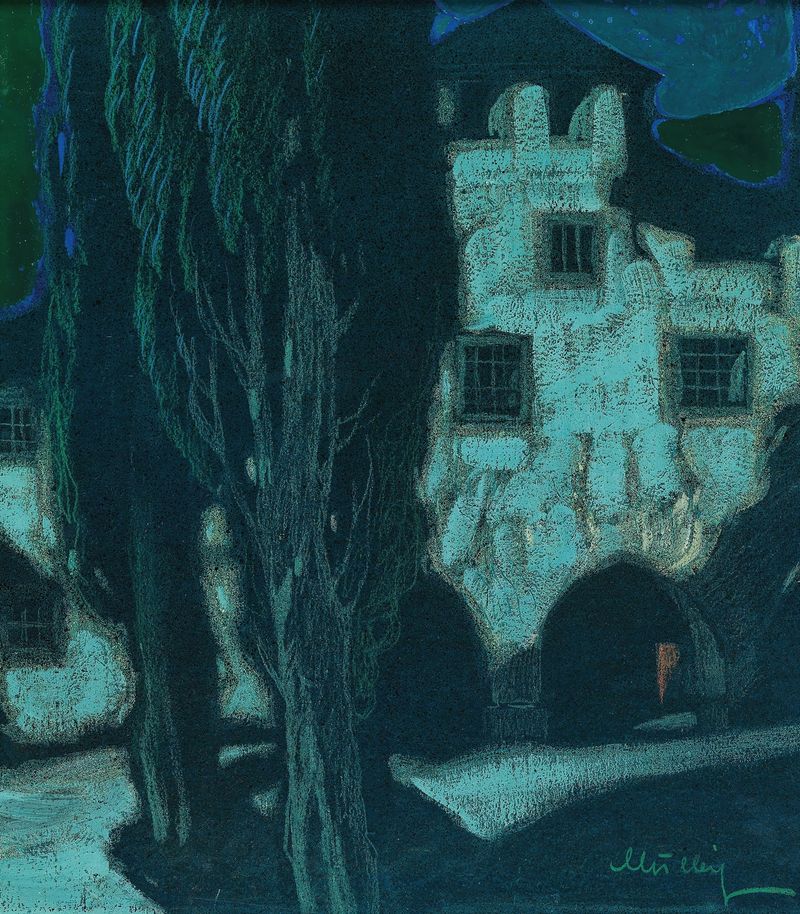
Where does light end, and longing begin? In that delicate twilight, a fortress stands resilient yet overshadowed, embodying the tension between safety and vulnerability. Focus on the robust silhouette of the fortress as it looms against the fading horizon; its stone walls are etched with the day's last remnants of light. Notice how the soft pink and violet hues of the sky contrast with the fortress's rugged edges, evoking a sense of foreboding as darkness encroaches. The brushstrokes, almost palpable in their texture, enhance the fortress's solidity, while the subtle play of shadow hints at secrets hidden within its depths. Delve deeper into the emotional landscape of this painting.
The fortress, a symbol of strength, simultaneously embodies isolation, mirroring the fears of a world on the brink of conflict. The twilight setting amplifies this duality—the fading light suggests an impending darkness that resonates with feelings of uncertainty and longing. Each shadow seems to whisper of past struggles and unyielding hope, creating a visceral tension that lingers in the air. In the early 1940s, Oskar Mulley painted this work during a time of political upheaval in Europe, as the uncertainty of war loomed large.
Living in Austria, he was deeply influenced by the turbulent atmosphere around him, shaping his artistic expression. As he grappled with both personal and societal fears, this painting emerged as a reflection of his time, encapsulating the poignant contrast between the fortress’s impregnable nature and the frailty of human existence.
More Artworks by Oskar Mulley
Browse all →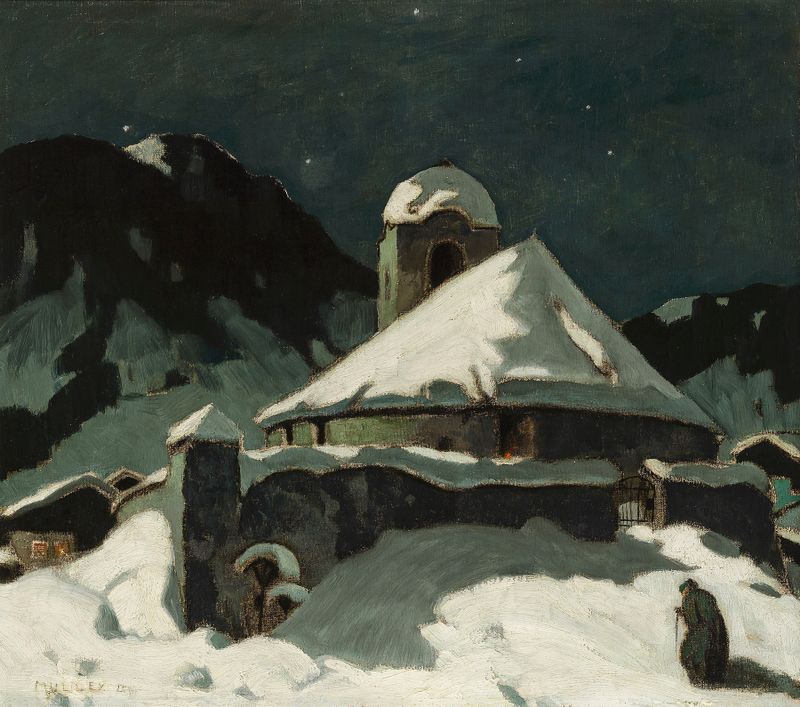
Winternacht im Bergdorf
Oskar Mulley
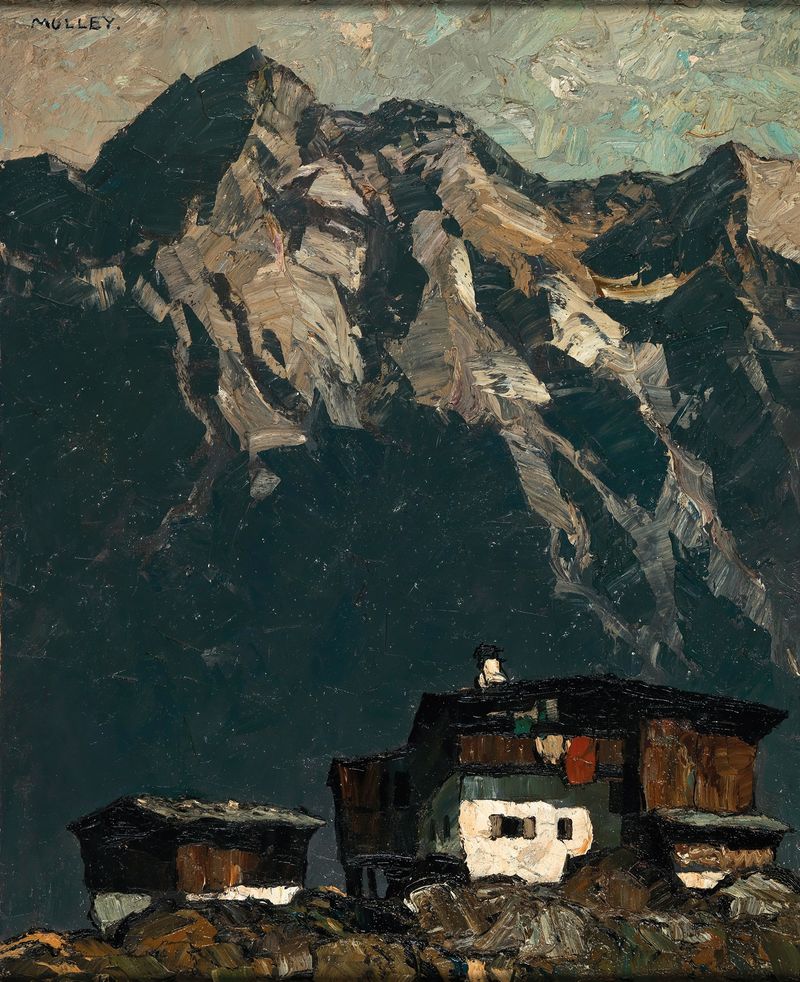
Bauernhof im Hochgebirge
Oskar Mulley
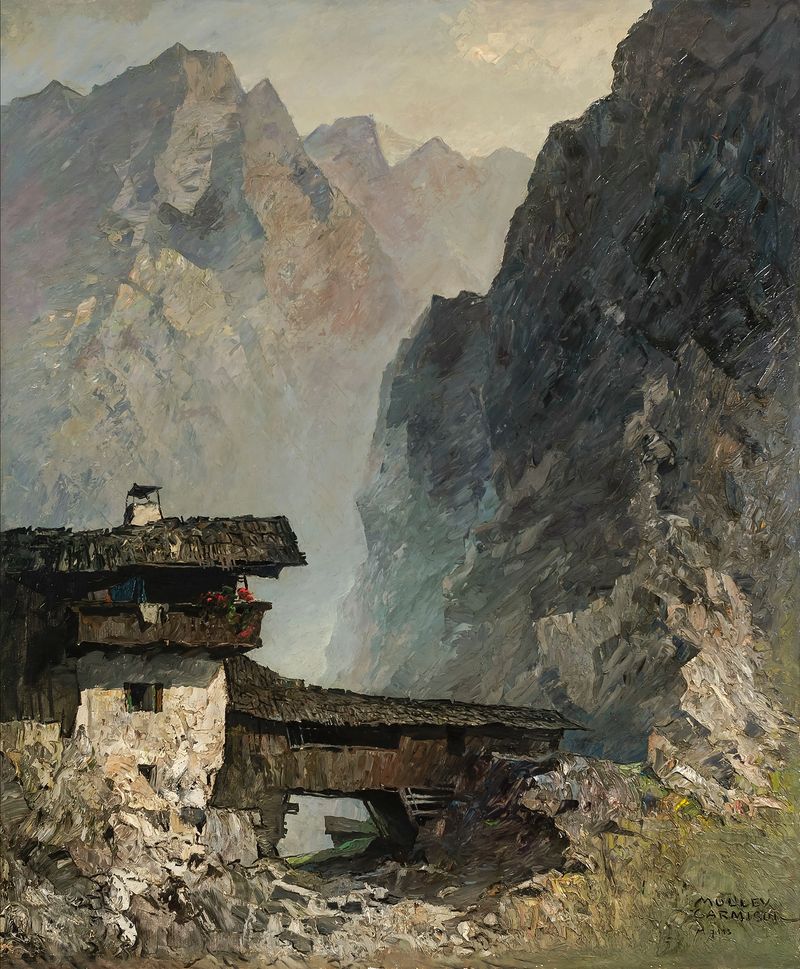
Im Hochtal
Oskar Mulley
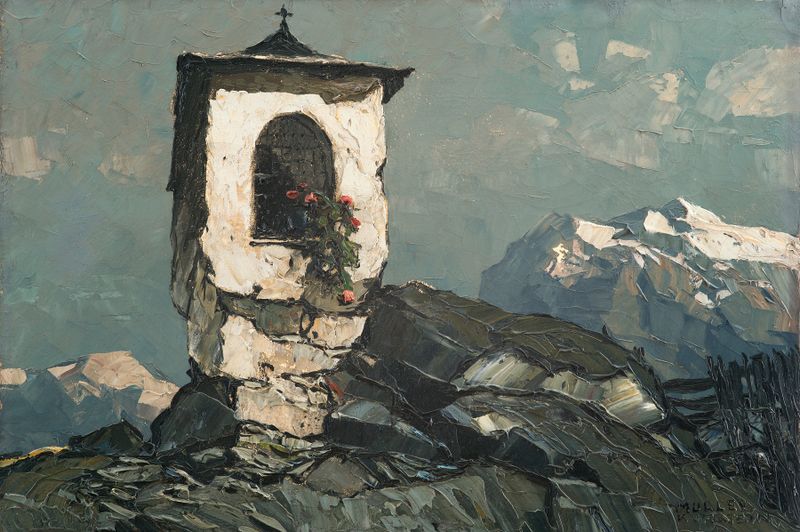
Materl im Hochgebirge
Oskar Mulley
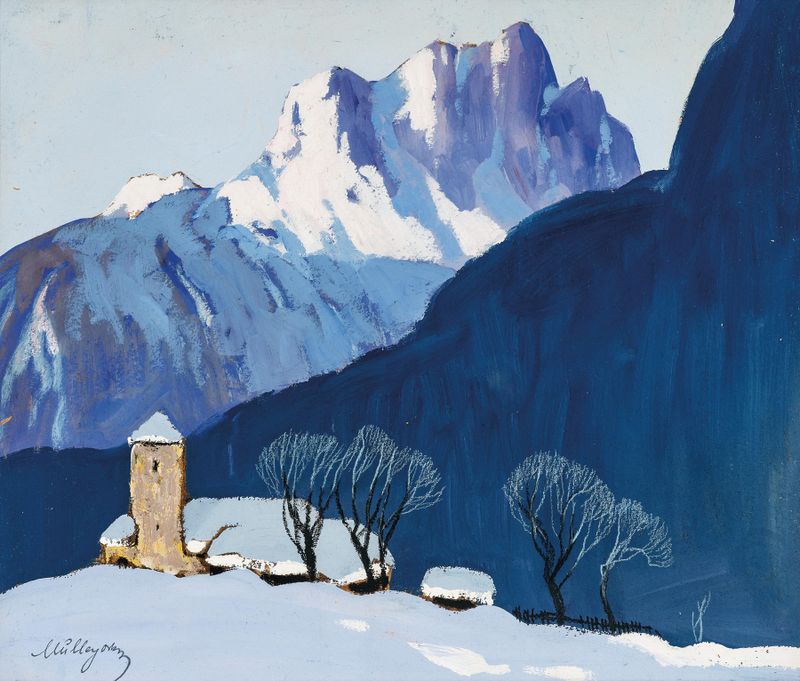
Winterlandschaft vor Bergkulisse
Oskar Mulley
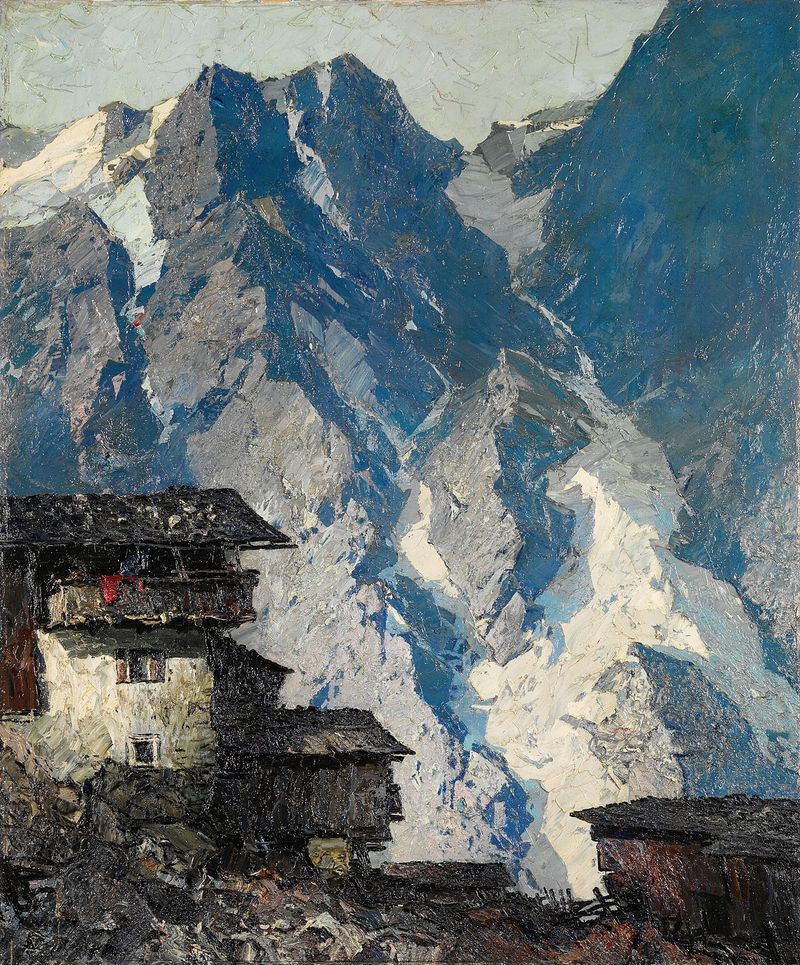
Berghof vor Gletscherlandschaft
Oskar Mulley
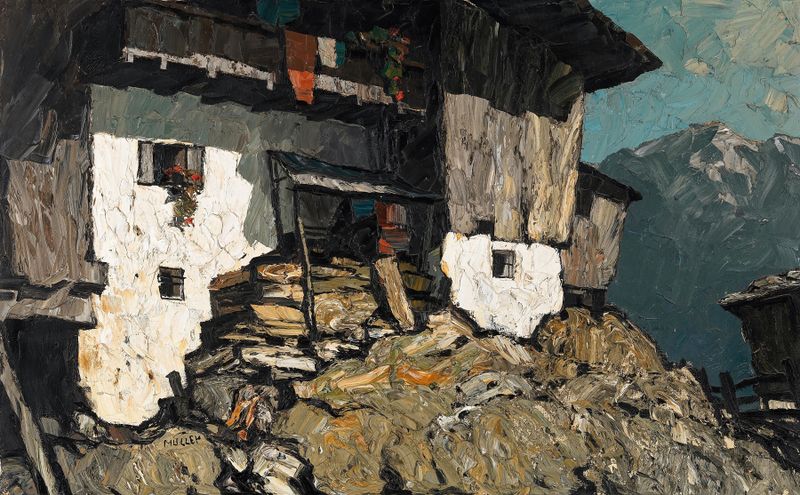
Bergbauernhof
Oskar Mulley
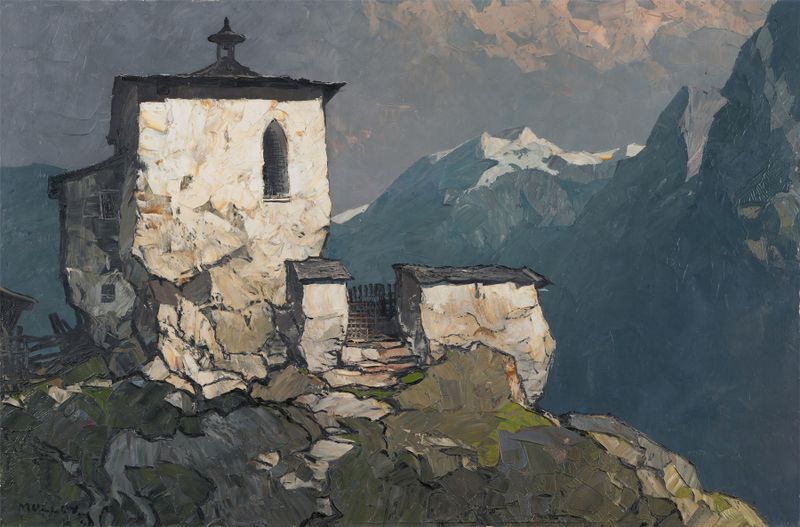
Bergkapelle
Oskar Mulley
Mondnacht
Oskar Mulley
Bergbauernhof
Oskar Mulley





