
The Lady at the Dressing Table — History & Facts
A plume of hair, a mirrored glance, and a parrot perched like a silent witness—The Lady at the Dressing Table by Aubrey Beardsley draws the viewer into a world where ritual and artifice mingle. The lady, poised and statuesque, meets the gaze of her attendant with a languid confidence, her hand resting delicately on a small object, perhaps a cosmetic or a jewel. The scene is thick with suggestion: the triple mirror fragments her reflection, multiplying secrets, while the elaborate lace and the heavy drapery speak to a taste for spectacle.
Above it all, the parrot, rendered with a flourish of Beardsley’s signature line, seems to preside over this private theatre, its presence both exotic and faintly mocking. Created in 1897, this drawing belongs to the twilight years of the Victorian era, when artists like Beardsley pushed at the boundaries of taste and convention. The decadence and ambiguity of the scene reflect the spirit of the fin-de-siècle, a time when the rituals of beauty and society were both celebrated and satirized. Works like this were rarely meant for grand public display; they circulated among collectors who prized wit, elegance, and a certain knowing irony.
Now housed at the Yale Center for British Art, the piece stands as a testament to an age of both opulence and unease—an invitation to linger over every curl of hair, every shadowed glance.
More Artworks by Aubrey Beardsley

The Dream
Aubrey Beardsley
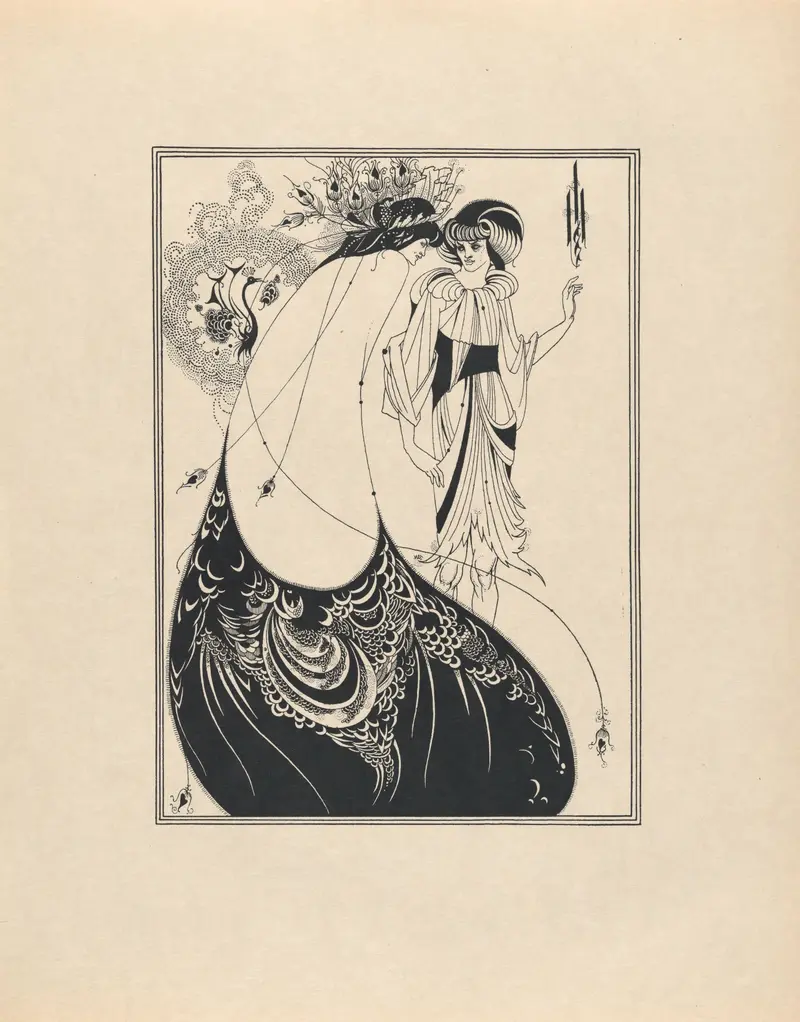
The Peacock Skirt
Aubrey Beardsley
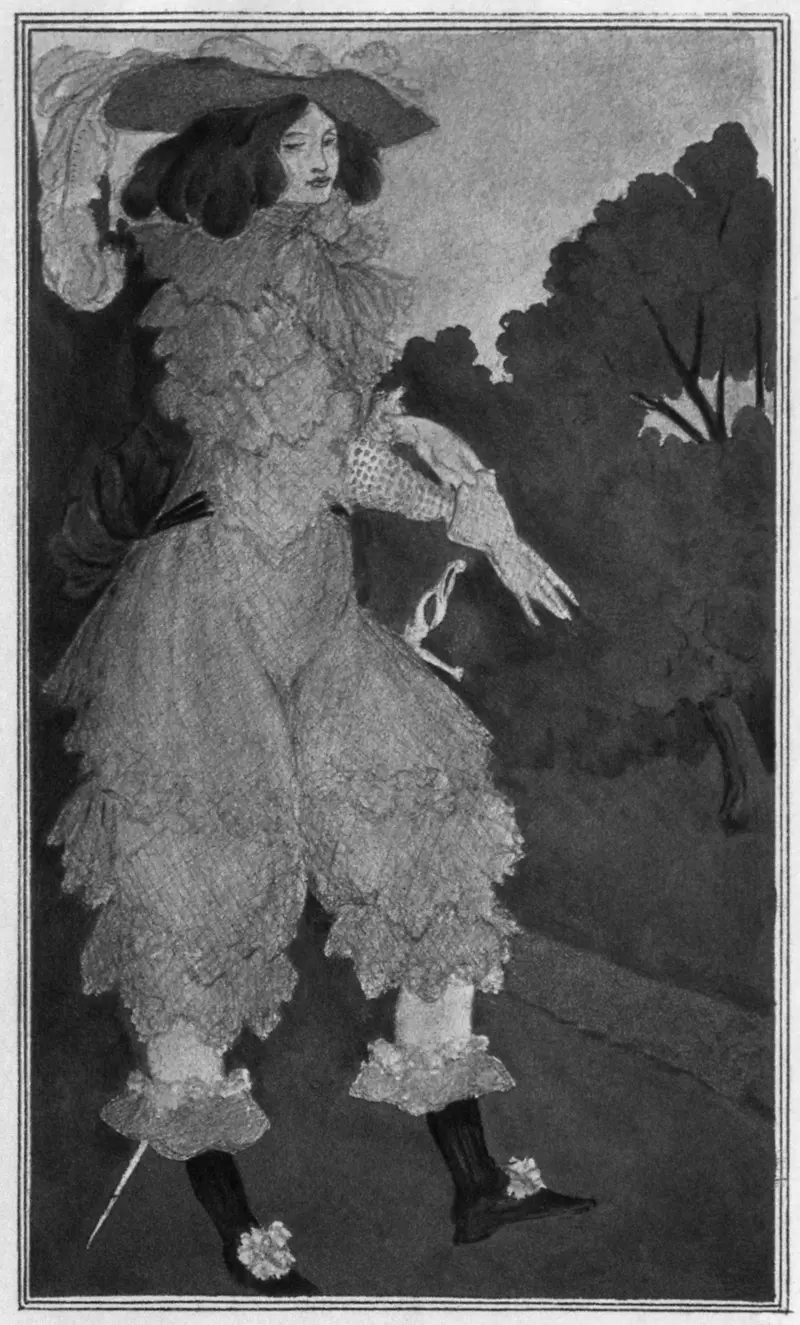
Mademoiselle de Maupin
Aubrey Beardsley
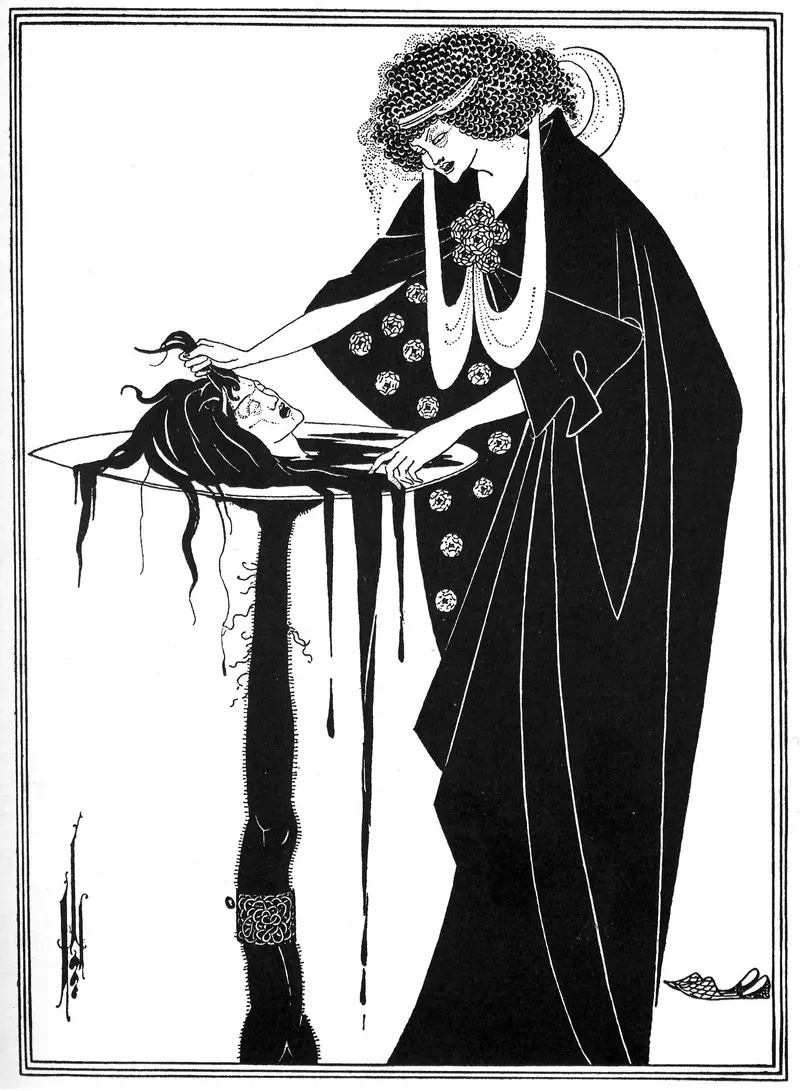
The Dancer's Reward (Salome)
Aubrey Beardsley
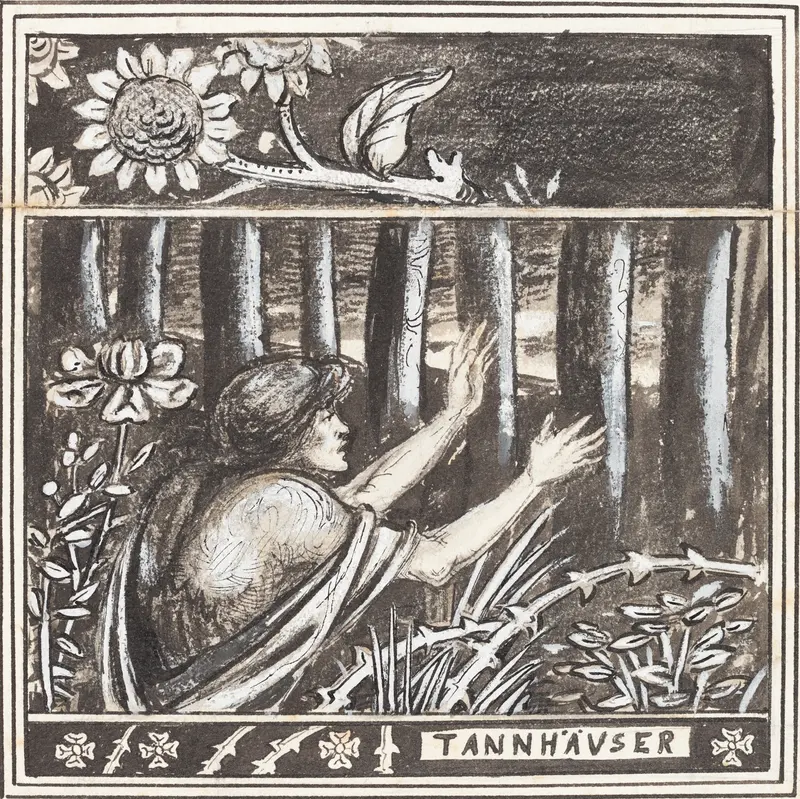
Tannhäuser
Aubrey Beardsley
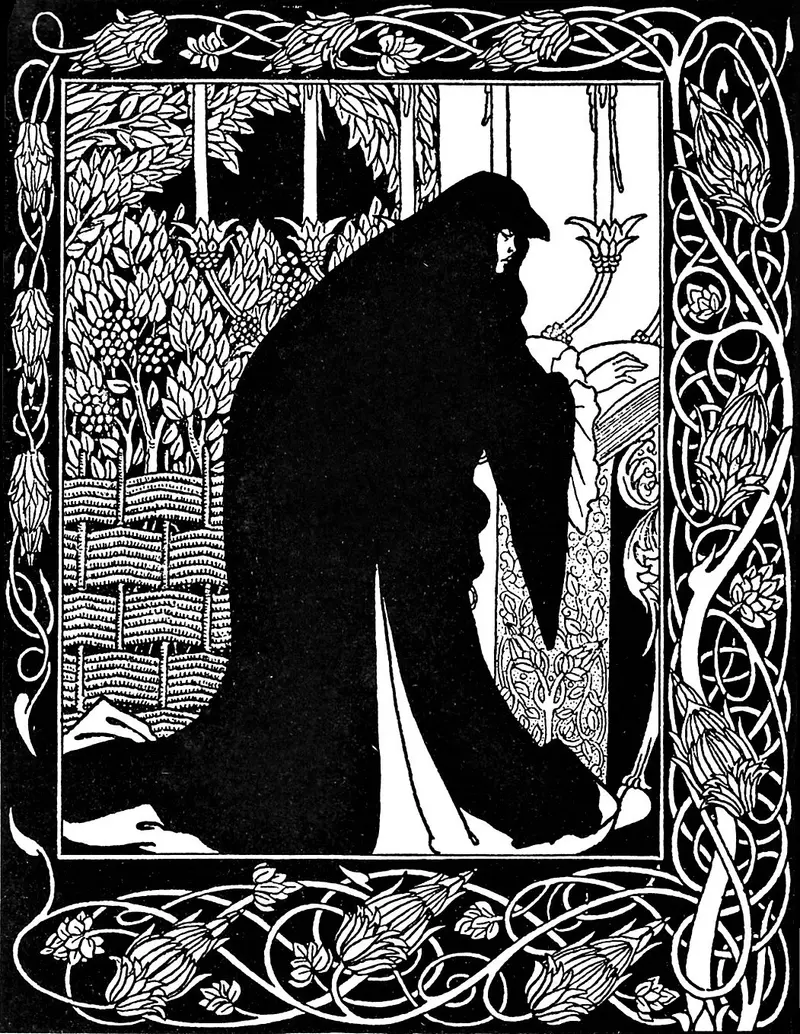
Queen Guenever, a Nun at Almesbury (Le Morte d'Arthur)
Aubrey Beardsley
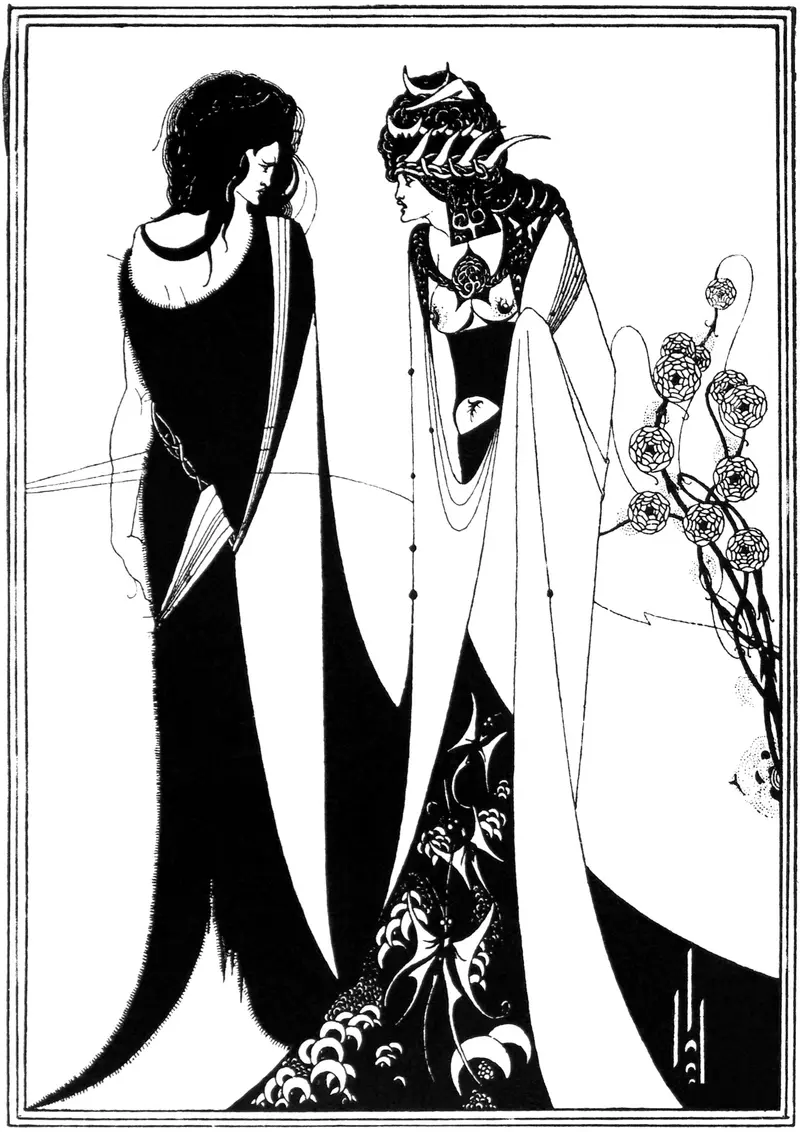
John and Salome
Aubrey Beardsley
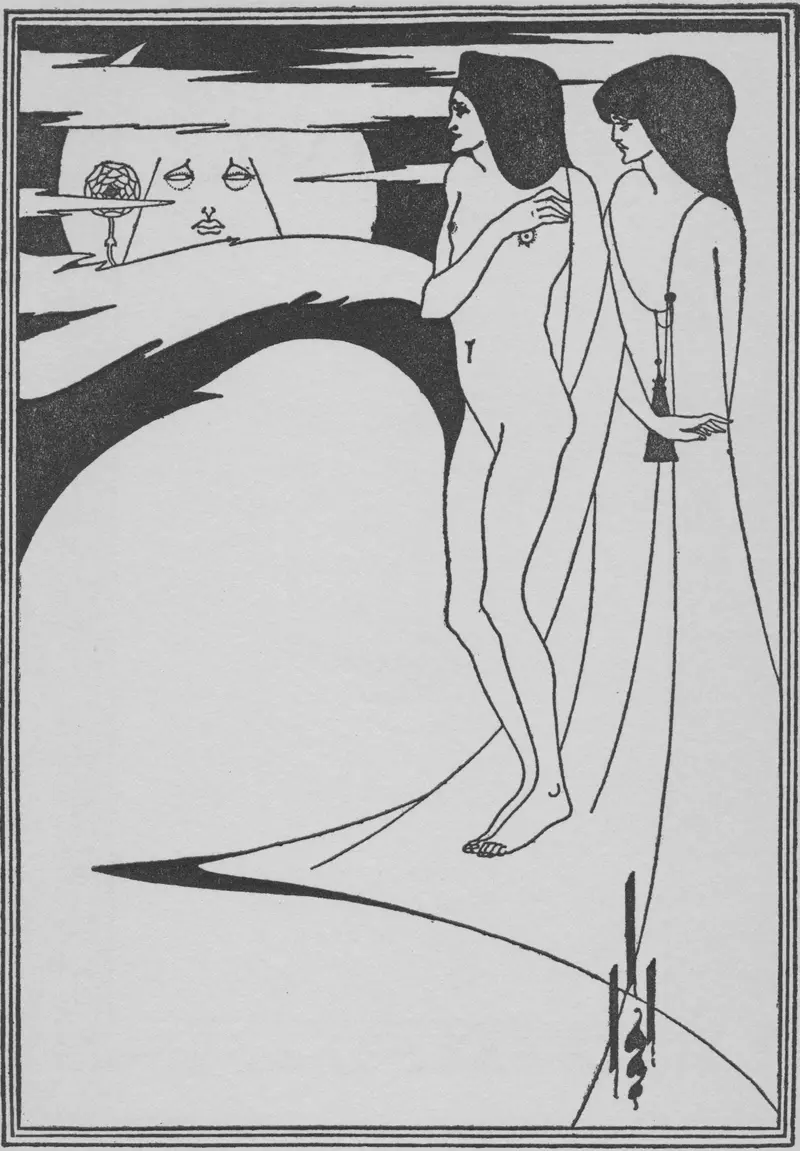
The Woman in the Moon (Salome)
Aubrey Beardsley
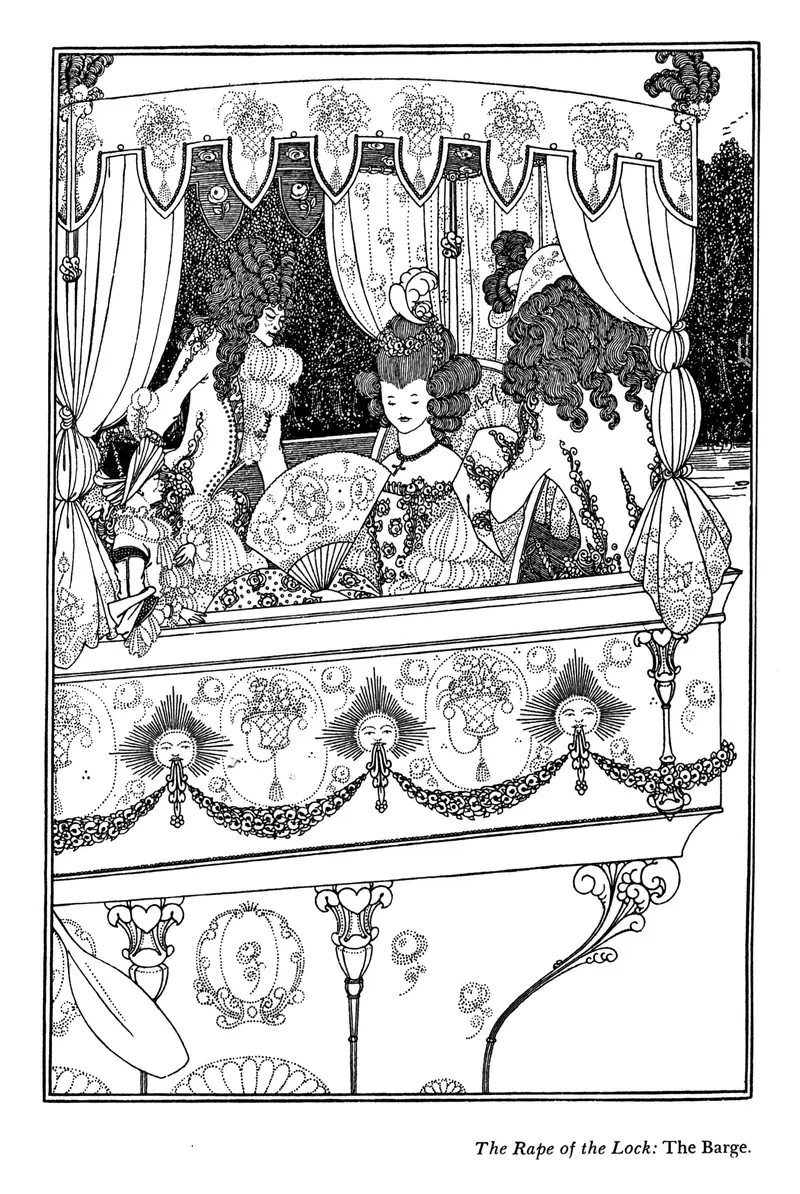
The Barge (The Rape of the Lock)
Aubrey Beardsley
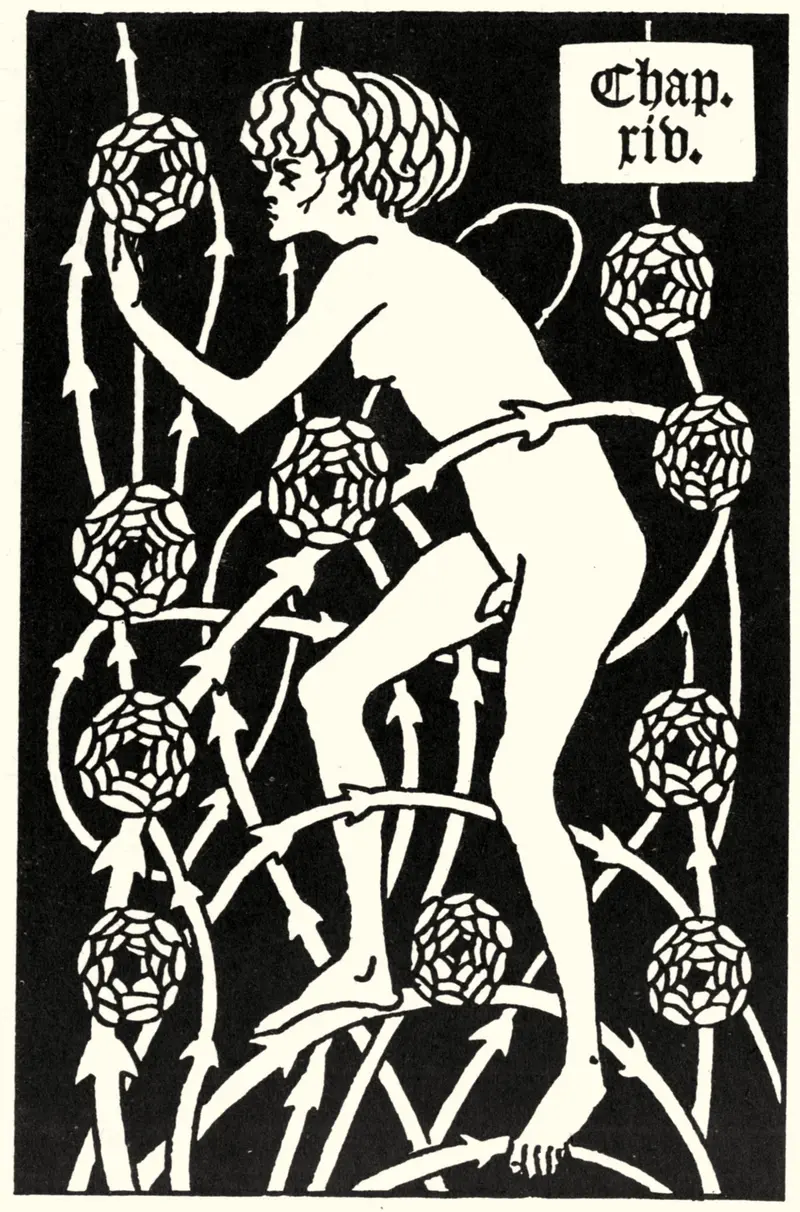
Hermaphroditus (Le Morte d'Arthur)
Aubrey Beardsley




