
The Lamentation over St Francis — History & Facts
When The Lamentation over St Francis emerged in the early 15th century, it stood at the crossroads of faith and artistic innovation. Painted by Fra Angelico around 1429, this work is among the earliest known depictions of the death of St Francis of Assisi, a subject that would become central to Franciscan devotion and iconography. Its creation coincided with a surge in the veneration of St Francis, who had been canonized less than two centuries earlier, and whose cult was spreading rapidly across Italy.
The painting’s origins are still debated—some suggest it was commissioned for a Franciscan chapel, though no records survive to confirm this. What is certain is that this scene set a precedent, inspiring generations of artists to return to the humble deathbed of the saint. At the heart of the image, St Francis lies lifeless, surrounded by his grieving brethren, their faces contorted with sorrow. Fra Angelico chooses the moment after Francis’s passing, capturing the rawness of loss rather than the miracle of his stigmata or the triumph of his sanctity.
The friars’ gestures—one clutching Francis’s hand, another pressing his lips to the wounds—speak to the deep personal connection between the saint and his followers. The gold halos, a signature of Fra Angelico, mark the holy nature of the figures, while the tender modeling of their faces brings the drama down to earth. Unlike Giotto’s more narrative approach in the frescoes at Assisi, Fra Angelico focuses on intimacy and grief, using light to draw the eye to Francis’s still body at the center, a quiet anchor amid the emotional storm. The painting’s early history is obscure, as is often the case with works from this period.
While it is attributed with confidence to Fra Angelico, its original location and patron remain unknown, though its small scale suggests it was meant for private devotion rather than public display. Over the centuries, The Lamentation over St Francis has passed through the hands of collectors and religious houses, surviving periods of upheaval and changing tastes. Today, it is recognized as a key work from Fra Angelico’s formative years, a bridge between the Gothic tradition and the new realism of the Early Renaissance.
Its delicate balance of emotion and restraint continues to draw viewers into the world of the first Franciscans, inviting reflection on loss, faith, and the bonds of community.
More Artworks by Fra Angelico

Condemnation of St Lawrence by the Emperor Valerian
Fra Angelico
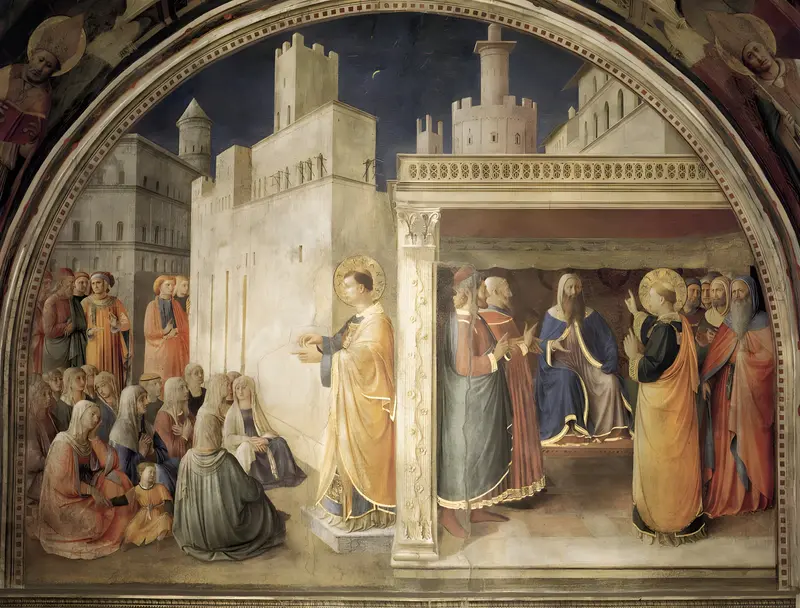
Lunette of the north wall
Fra Angelico
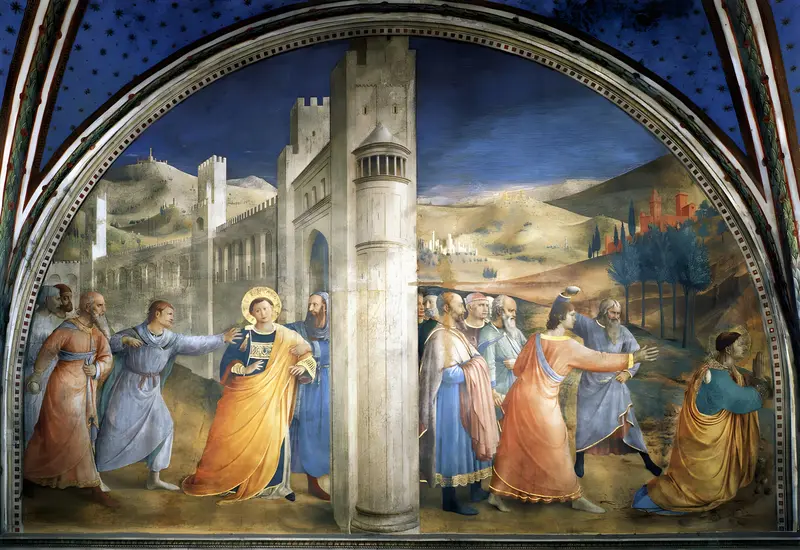
Lunette of the east wall in Niccoline Chapel
Fra Angelico
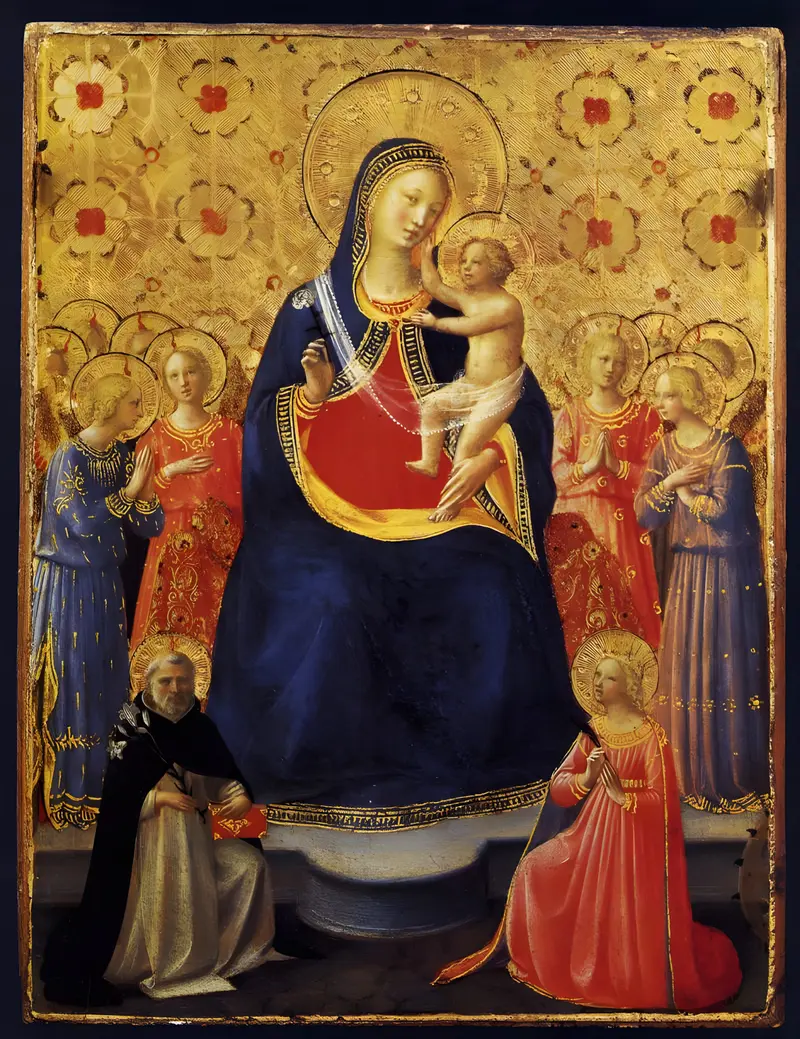
Madonna and Child Enthroned with Nine Angels and Saints Dominic and Catherine of Alexandria
Fra Angelico
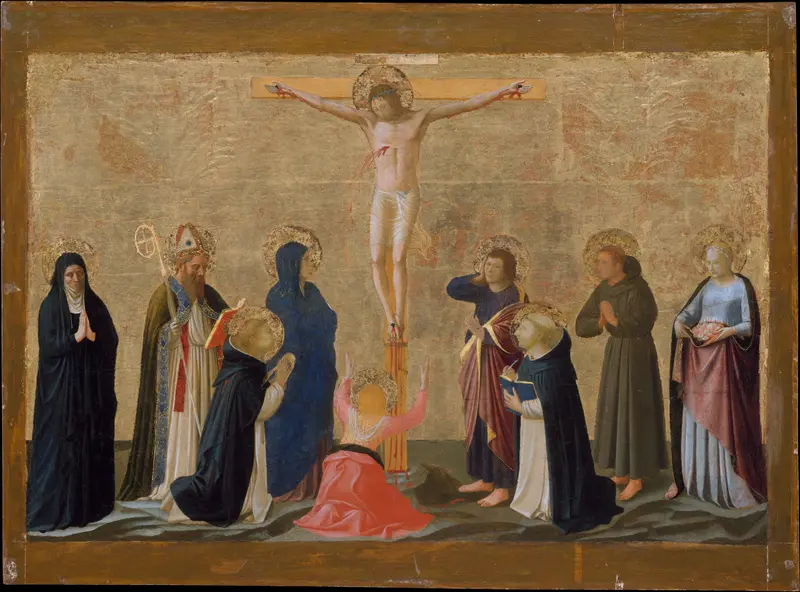
The Crucifixion
Fra Angelico
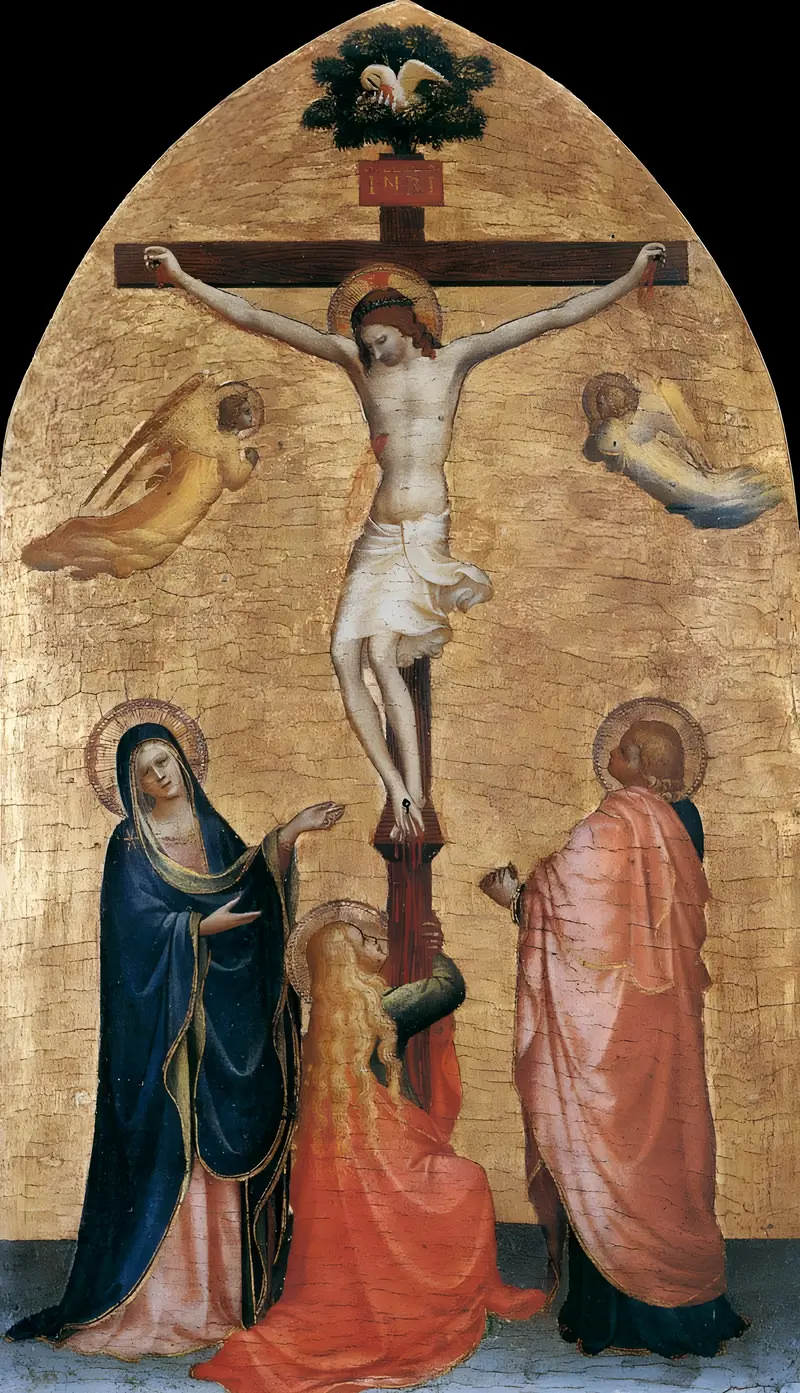
Crucifixion with the Virgin, John the Evangelist, and Mary Magdelene
Fra Angelico
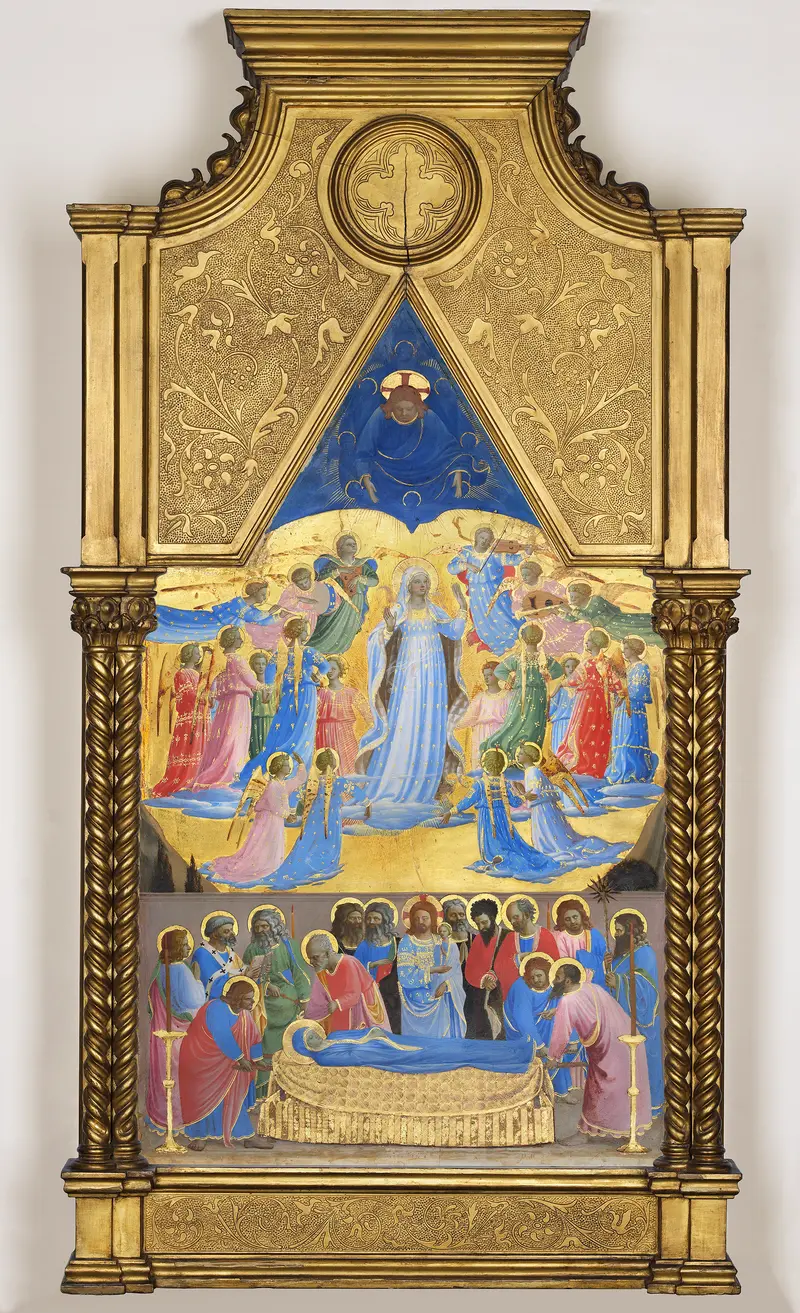
Dormition and Assumption of the Virgin
Fra Angelico
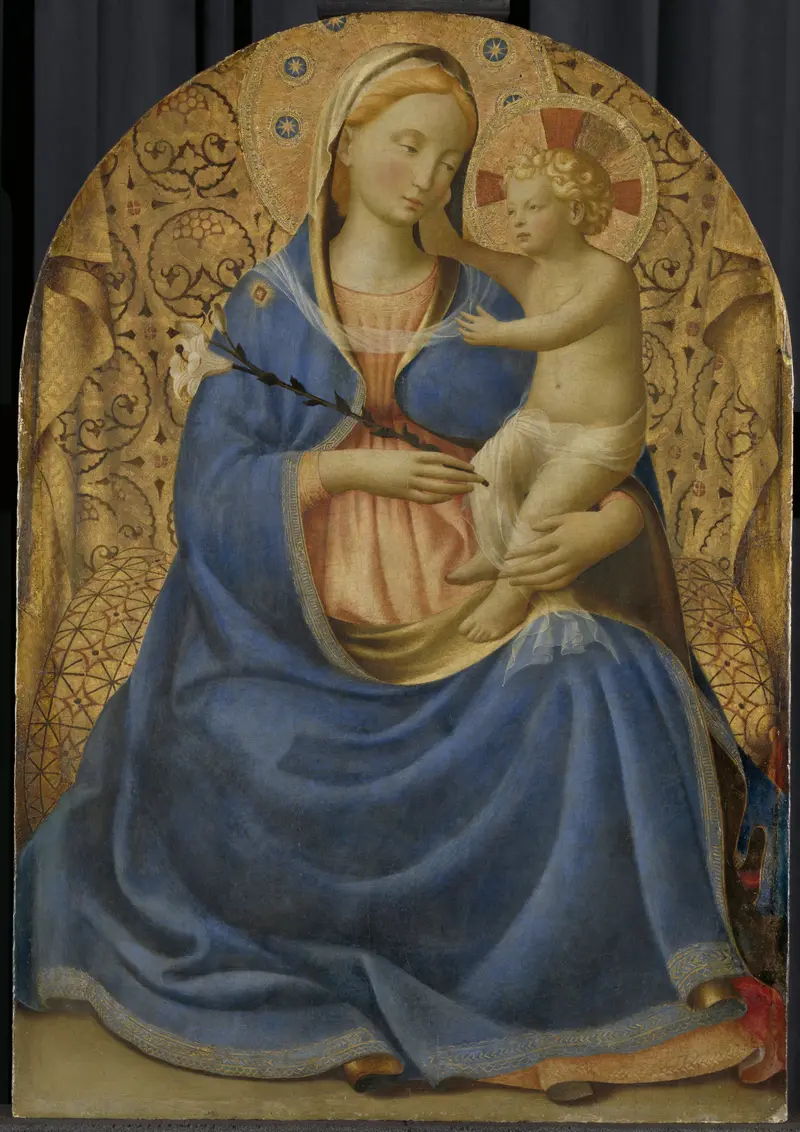
Madonna of Humility
Fra Angelico
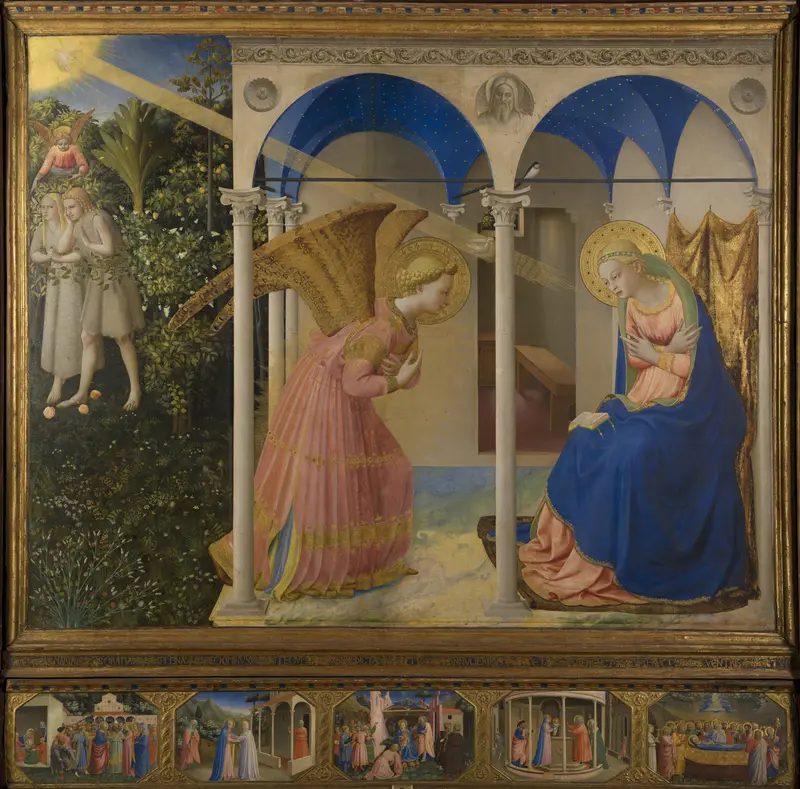
The Annunciation
Fra Angelico

Saint Anthony Abbot
Fra Angelico





