
The Late Entrance to Ber Street, Norwich — History & Facts
Can beauty exist without sorrow? In Robert Dixon's The Late Entrance to Ber Street, Norwich, this question weaves through the vibrancy of life captured on canvas, inviting contemplation of the interplay between light and shadow, joy and melancholy. Look to the center of the painting where the cobblestone path leads into a softly illuminated scene, dotted with figures in mid-conversation. The warm, golden hues of the setting sun spill over the rooftops, creating a gentle glow that contrasts with the cool shadows lurking in the corners. Notice how the artist uses delicate brushwork to depict the expressions on the faces of the passersby, revealing their stories amid the backdrop of a quaint urban landscape. The interplay of light manifests not only a physical presence but also emotional resonance.
The juxtaposition of the brightness of day with the encroaching dusk hints at transitions—moments of arrival and departure, echoing the inevitability of destiny. Small details, like the fluttering leaves or the distant silhouette of a clock tower, serve as reminders that time is both a companion and a thief, shaping the experiences of those who traverse this space. In 1810, Dixon painted this work during a period of early Romanticism, a time when artists sought to capture the sublime and the beauty of the everyday. Living in Norwich, he was influenced by the changing landscapes of England, reflecting a growing movement towards the appreciation of nature and the ordinary.
This piece serves as both a representation of his surroundings and a meditation on life's fleeting moments.
More Artworks by Robert Dixon
Browse all →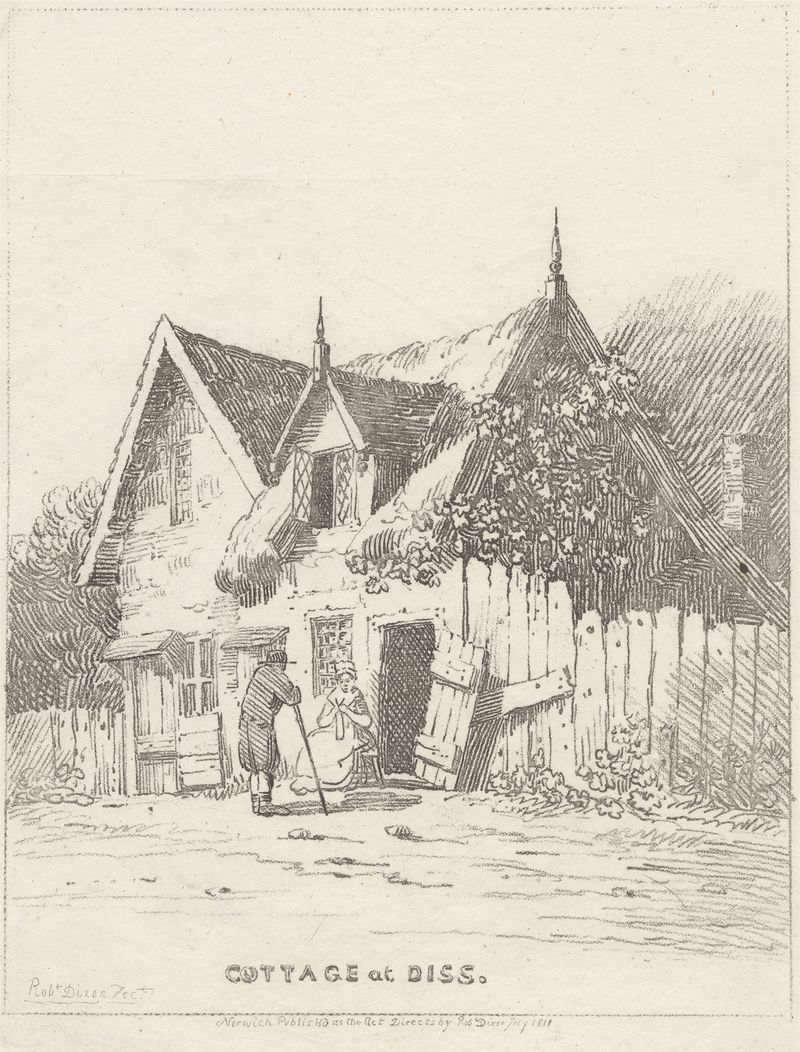
Cottage at Diss
Robert Dixon
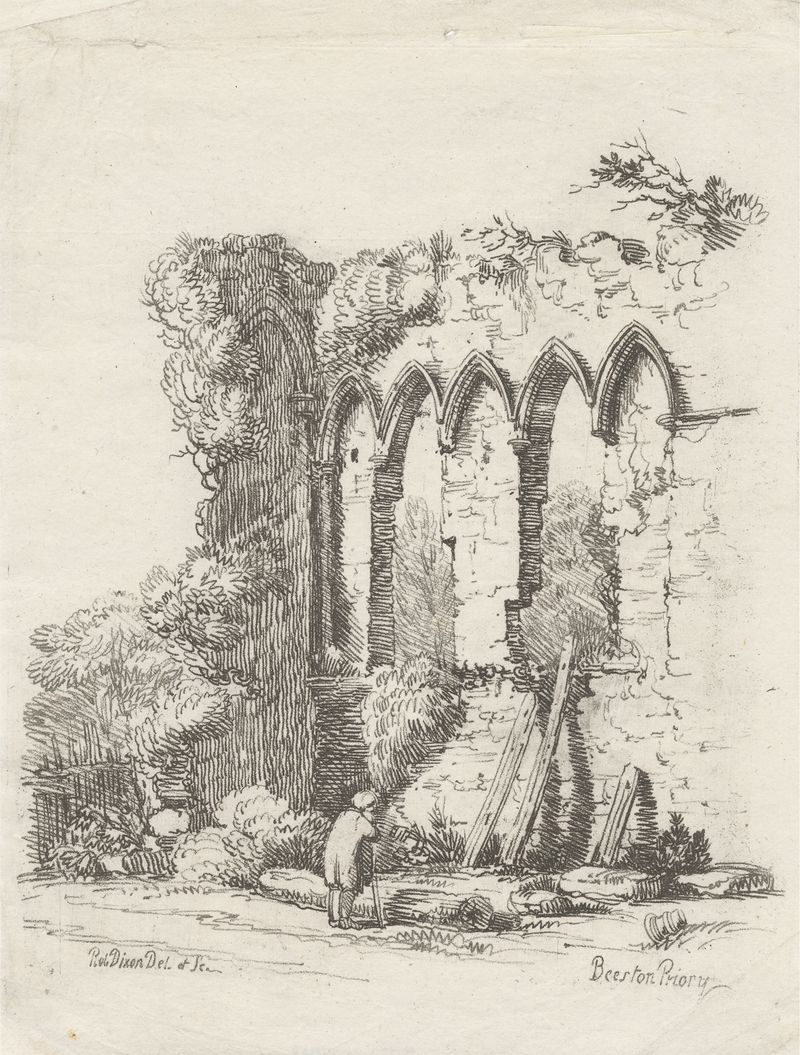
Beeston Priory, Beeston Regis
Robert Dixon
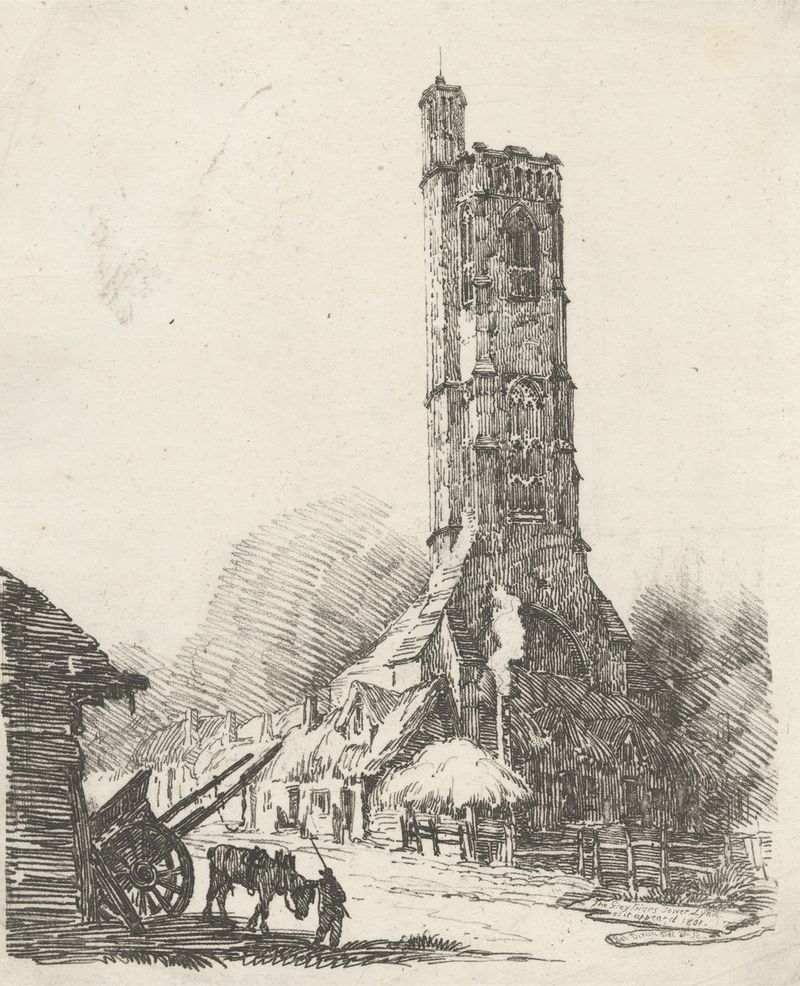
The Greyfriars Tower, Lynn, as it appeared 1801
Robert Dixon

Street with Buildings
Robert Dixon
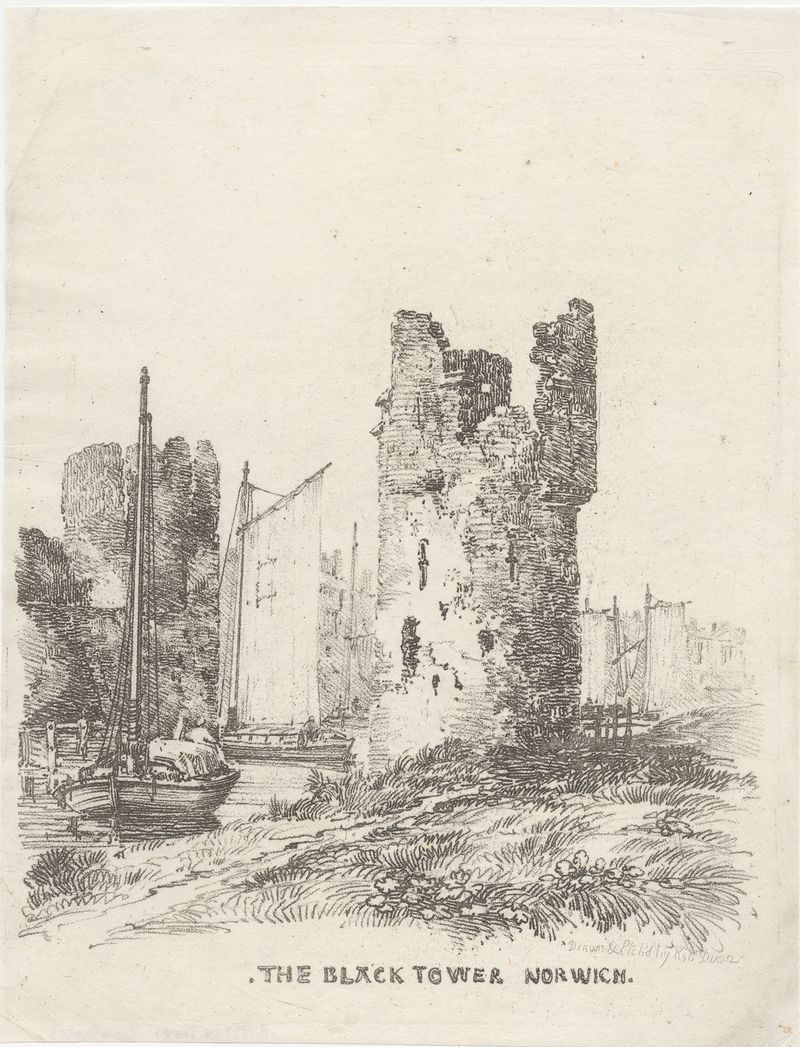
The Black Tower Norwich
Robert Dixon

Figures Outside the Boar Inn
Robert Dixon
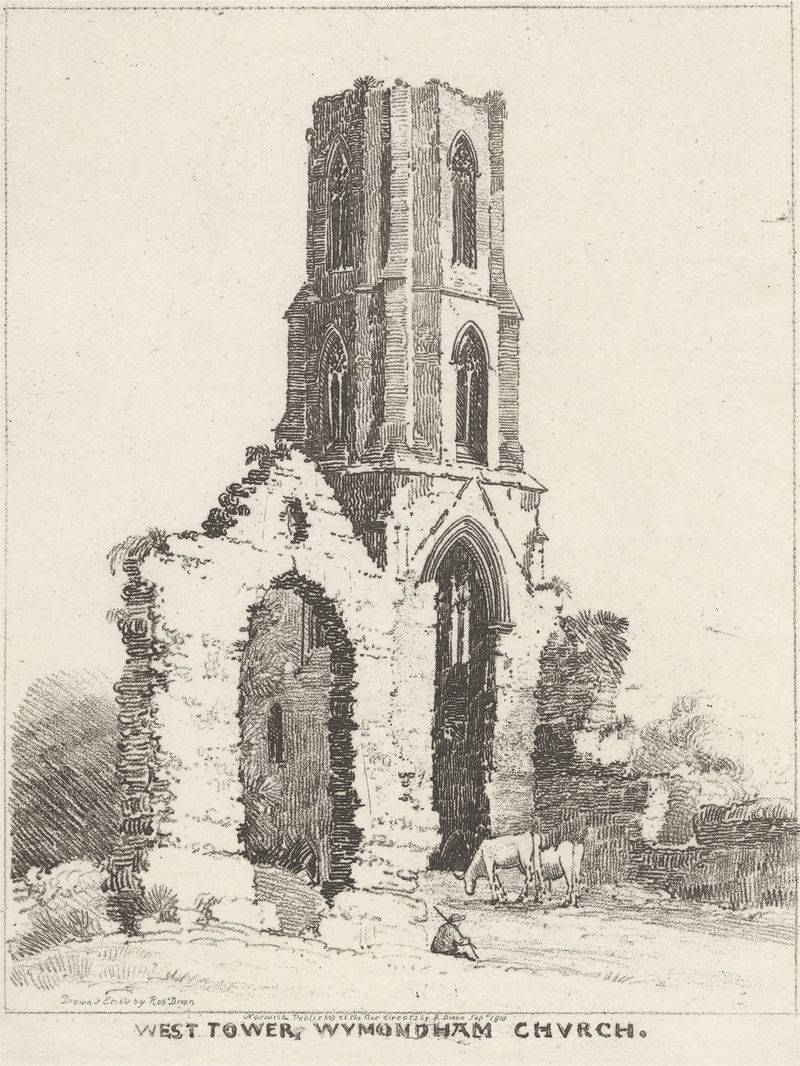
West Tower, Wymondham Church
Robert Dixon

Norwich from the gravel pits
Robert Dixon

Sketch at Mulbarton
Robert Dixon





