
The Law (Minori), Illustration to Chapter 40 of the Tale of Genji (Genji monogatari) — History & Facts
Could beauty survive in a century of chaos? In the delicate interplay of ink and color, the ephemeral moments captured in The Law (Minori) reflect both the elegance and fragility of existence amidst turmoil. Focus first on the intricate figures that breathe life into the scene. The elegantly draped kimono of the protagonist contrasts sharply with the muted, earthy background, drawing your gaze to the fine details of her expression—one of contemplation, perhaps tinged with sorrow. Notice how the golden accents shimmer under the light, enhancing the ethereal quality of the composition.
Each gesture, from the delicate positioning of fingers to the subtle tilt of the head, conveys a depth of emotion that invites the viewer into a nuanced narrative. Beneath the surface, layers of meaning unfold. The serene beauty of the figures poignantly contrasts with the underlying tension of betrayal and longing—a reminder that appearances can be deceiving. The fragile blossoms surrounding them symbolize both transience and the potential for renewal, suggesting that even in moments of despair, hope can persist.
This duality speaks to the heart of human experience, where love intertwines with loss, and wisdom emerges from suffering. Tosa Mitsunobu created this exquisite illustration in Japan during the Muromachi period, around 1509 to 1510, a time when cultural and artistic practices were evolving amidst political instability. Influenced by the emerging art of the time, Mitsunobu not only captured the essence of Genji monogatari but also reflected the complexities of an era marked by beauty and strife, making his work a poignant commentary on the human condition.
More Artworks by Tosa Mitsunobu
Browse all →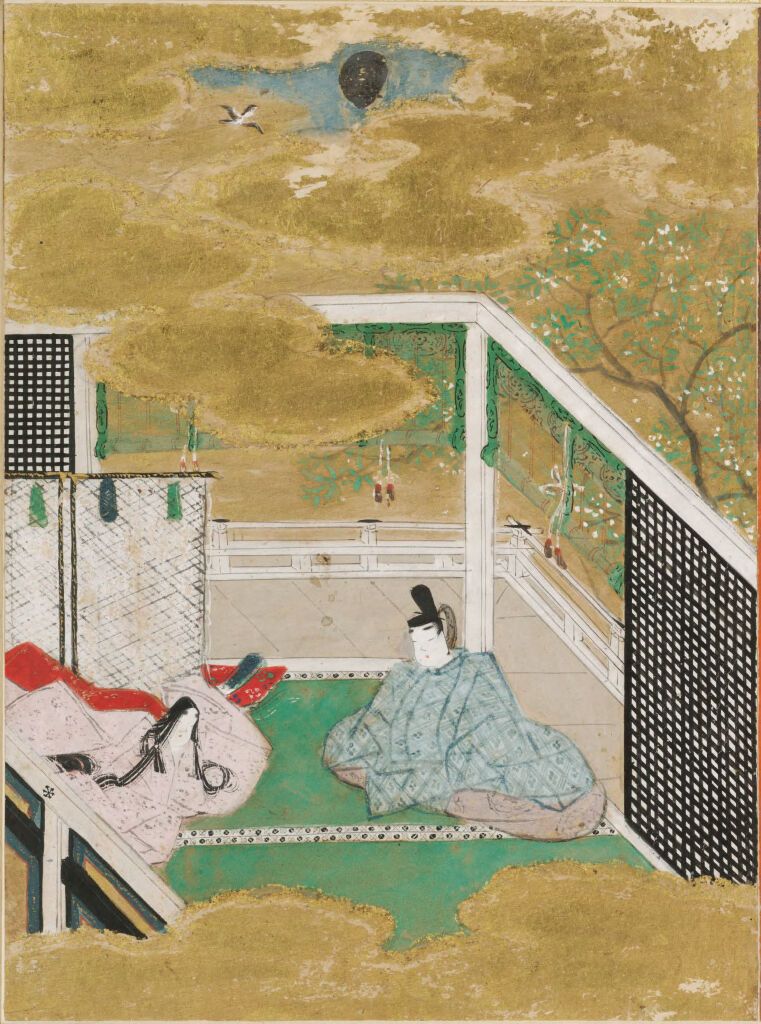
Falling Flowers (Hanachirusato), Illustration to Chapter 11 of the Tale of Genji (Genji monogatari)
Tosa Mitsunobu
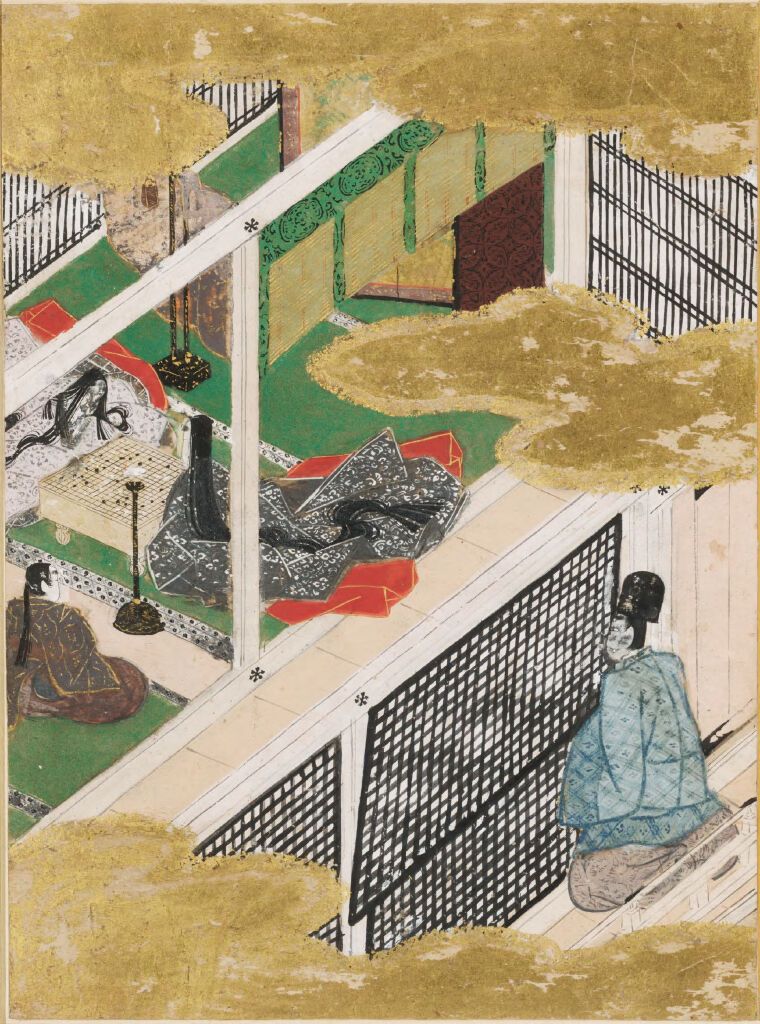
The Cicada Shell (Utsusemi), Illustration to Chapter 3 of the Tale of Genji (Genji monogatari)
Tosa Mitsunobu
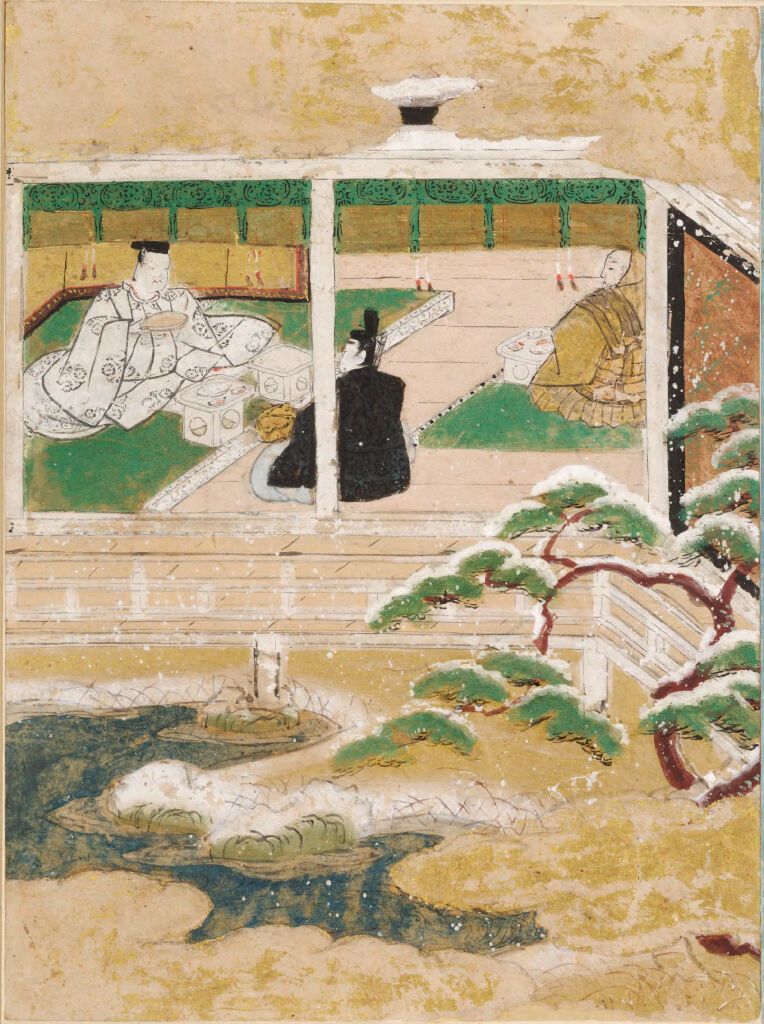
The Seer (Maboroshi), Illustration to Chapter 41 of the Tale of Genji (Genji monogatari)
Tosa Mitsunobu
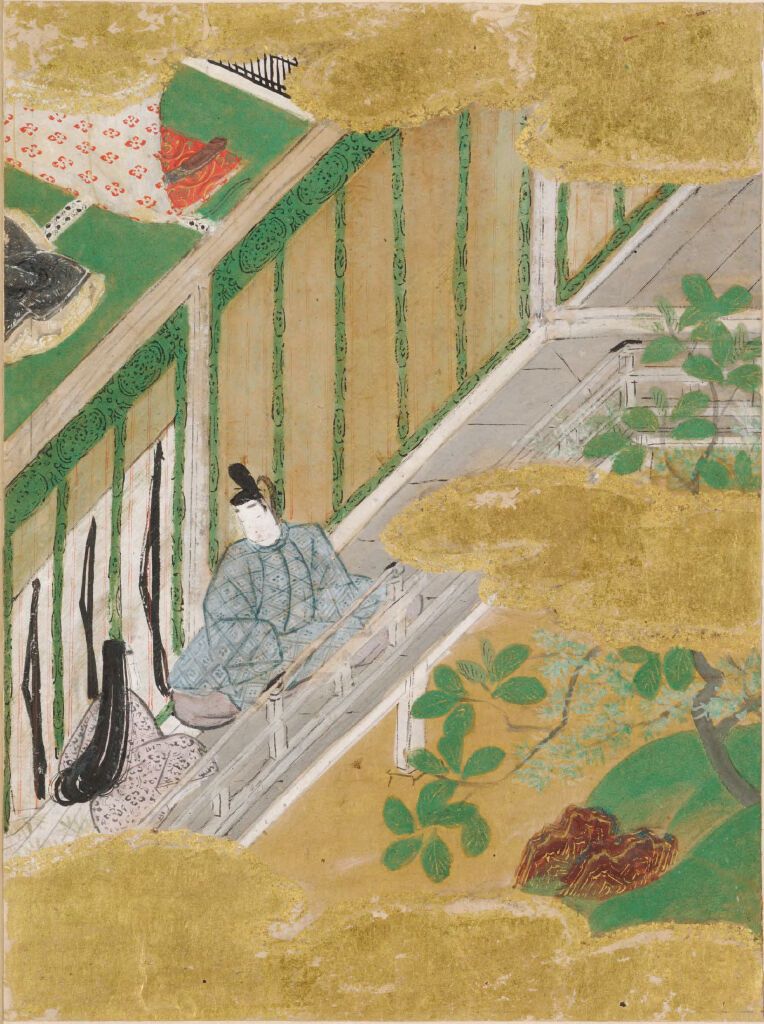
The Oak Tree (Kashiwagi), Illustration to Chapter 36 of the Tale of Genji (Genji monogatari)
Tosa Mitsunobu
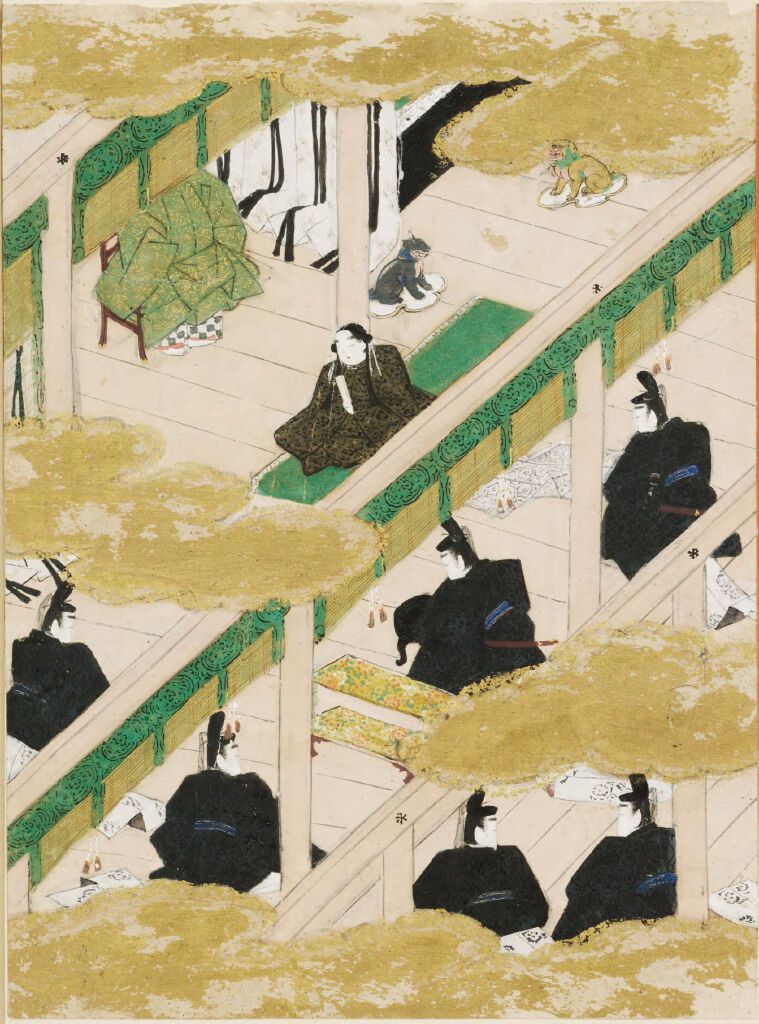
The Paulownia Pavilion (Kiritsubo), Illustration to Chapter 1 of the Tale of Genji (Genji monogatari)
Tosa Mitsunobu
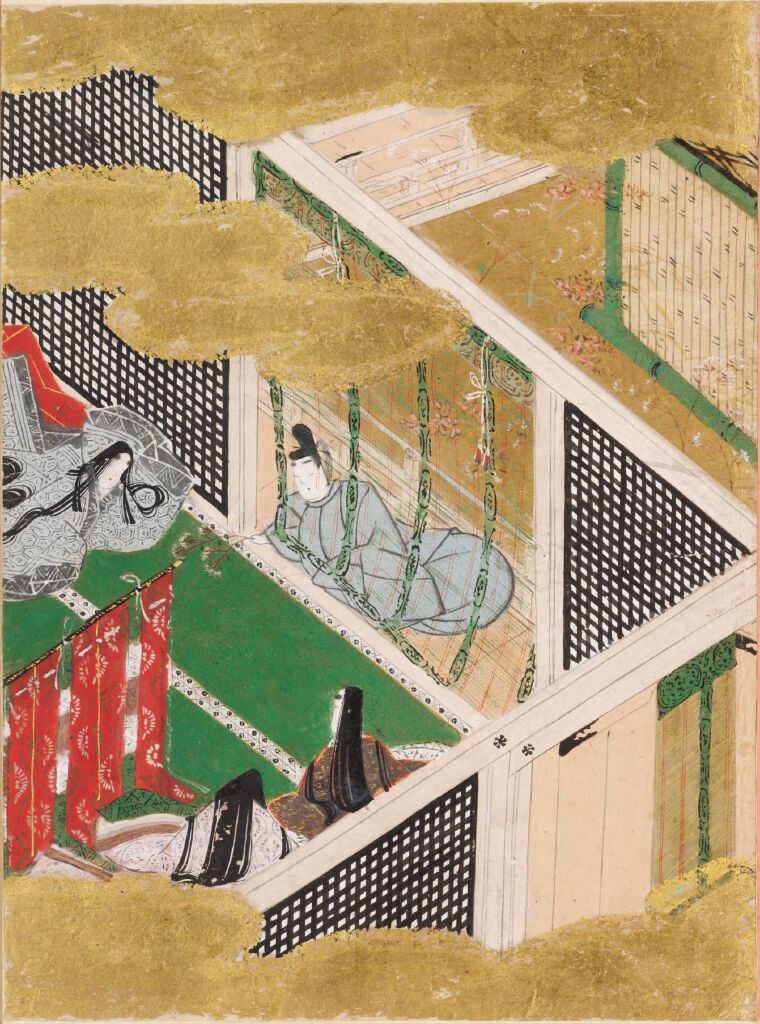
Thoroughwort Flowers (Fujibakama), Illustration to Chapter 30 of the Tale of Genji (Genji monogatari)
Tosa Mitsunobu

Under the Cherry Blossoms (Hana no En), Illustration to Chapter 8 of the Tale of Genji (Genji monogatari)
Tosa Mitsunobu

The Pilgrimage to Sumiyoshi (Miotsukushi), Illustration to Chapter 14 of the Tale of Genji (Genji monogatari)
Tosa Mitsunobu
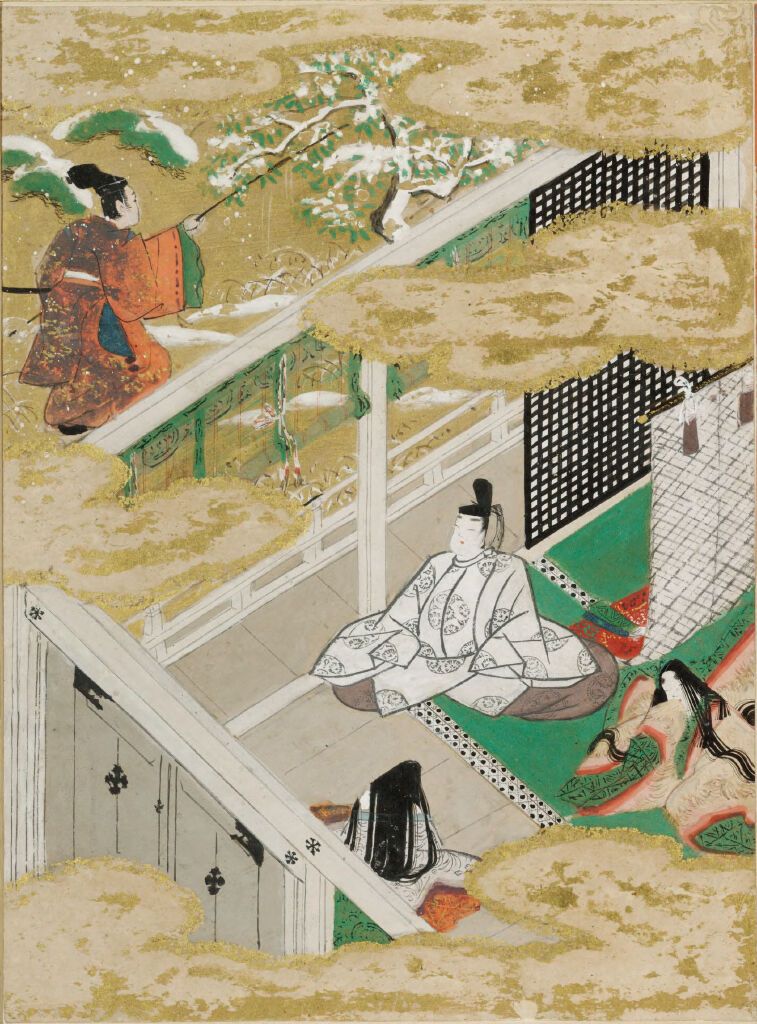
The Safflower (Suetsumuhana), Illustration to Chapter 6 of the Tale of Genji (Genji monogatari)
Tosa Mitsunobu
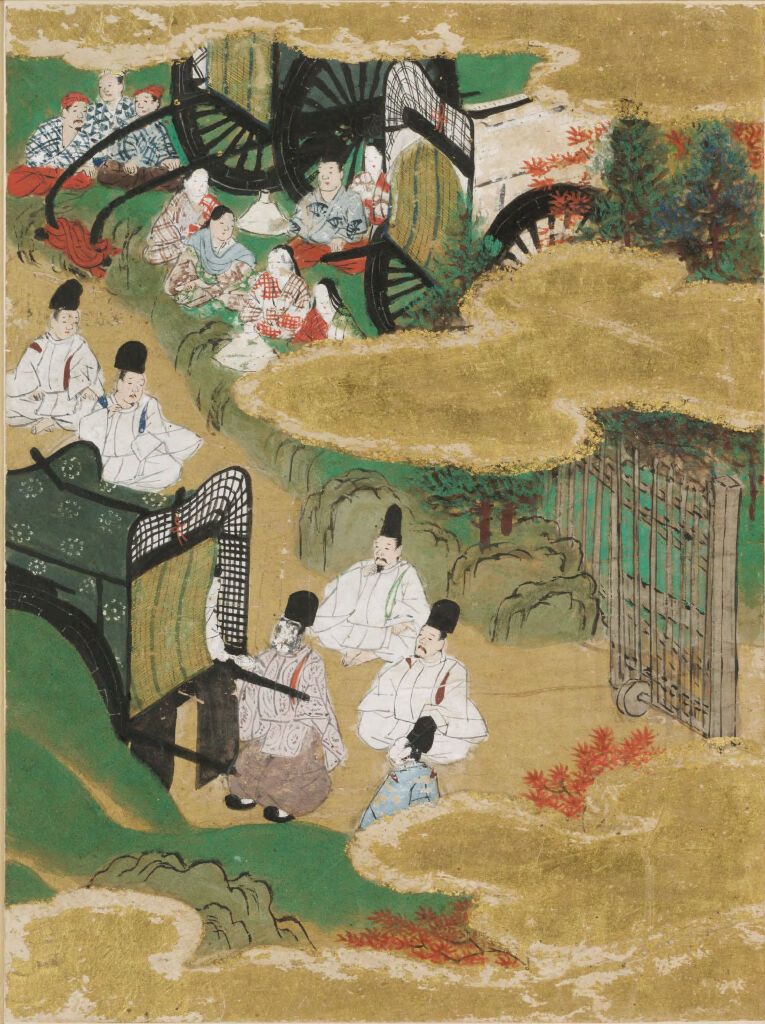
At the Pass (Sekiya), Illustration to Chapter 16 of the Tale of Genji (Genji monogatari)
Tosa Mitsunobu
More Illustration Art
Browse all →Falling Flowers (Hanachirusato), Illustration to Chapter 11 of the Tale of Genji (Genji monogatari)
Tosa Mitsunobu
The Cicada Shell (Utsusemi), Illustration to Chapter 3 of the Tale of Genji (Genji monogatari)
Tosa Mitsunobu
The Seer (Maboroshi), Illustration to Chapter 41 of the Tale of Genji (Genji monogatari)
Tosa Mitsunobu
The Oak Tree (Kashiwagi), Illustration to Chapter 36 of the Tale of Genji (Genji monogatari)
Tosa Mitsunobu
The Paulownia Pavilion (Kiritsubo), Illustration to Chapter 1 of the Tale of Genji (Genji monogatari)
Tosa Mitsunobu
Thoroughwort Flowers (Fujibakama), Illustration to Chapter 30 of the Tale of Genji (Genji monogatari)
Tosa Mitsunobu