
The Little Lagoon — History & Facts
In the delicate embrace of light, memories flicker like shadows upon the water's surface, inviting contemplation and tranquility. Look to the center of the composition, where the gentle ripples of the lagoon reflect a spectrum of soft colors — muted blues, silvery greens, and hints of peach. Whistler's masterful brushwork captures the essence of light itself, illuminating the scene with an ethereal glow. The horizon melts into the sky, a seamless blend that suggests an endless expanse, while the separated silhouettes of trees frame the edges, guiding your gaze inward, toward the tranquil water. Upon closer inspection, a subtle dichotomy emerges: the serene beauty of nature juxtaposed with an undercurrent of solitude.
The stillness of the lagoon speaks to moments of introspection and longing. Each stroke carries a whisper of nostalgia, evoking a past that lingers just beyond reach. The absence of figures creates a haunting emptiness, allowing the viewer to inhabit the space and fill it with their reflections. Whistler painted this piece during a transformative period in his career, between 1879 and 1880, while living in England.
He was establishing his reputation as a leading figure in the aesthetic movement, championing the idea that art should prioritize beauty and emotional resonance over mere representation. Amidst this artistic evolution, The Little Lagoon serves as a poignant testament to his mastery of light and mood, a snapshot of his quest to capture fleeting beauty in a world of change.
More Artworks by James Abbott McNeill Whistler
Browse all →
Nocturne in Blue and Silver
James Abbott McNeill Whistler
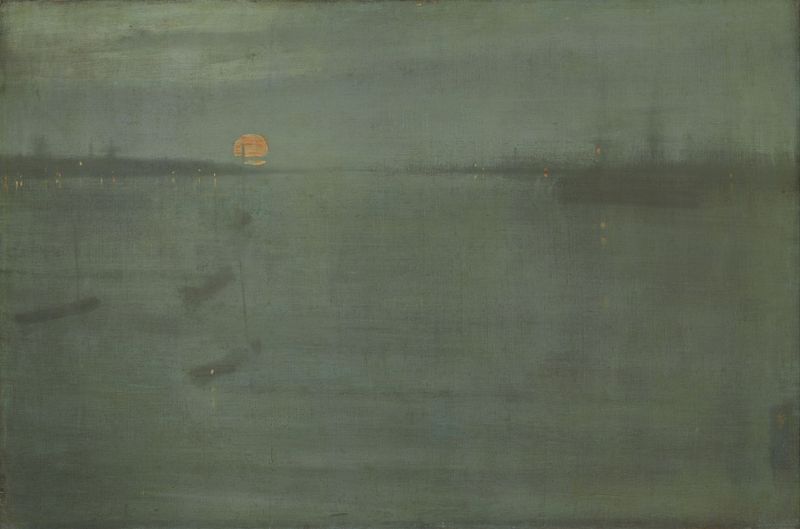
Nocturne: Blue and Gold–Southampton Water
James Abbott McNeill Whistler
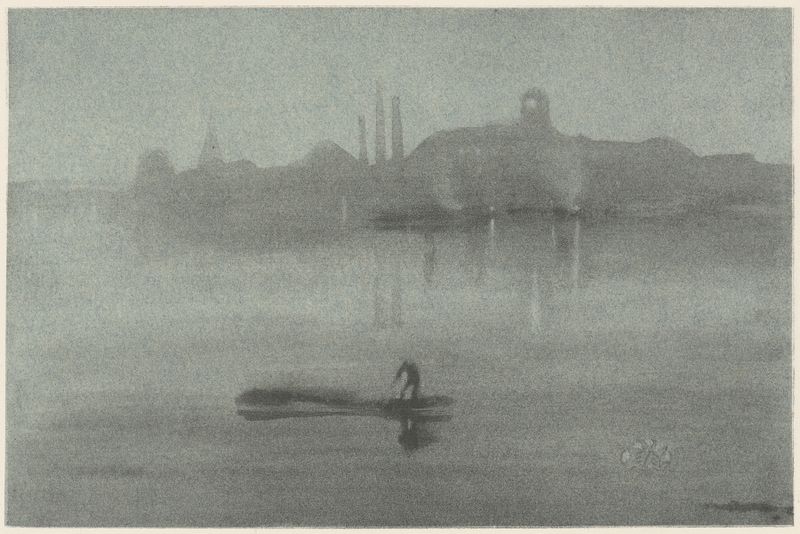
Nocturne
James Abbott McNeill Whistler
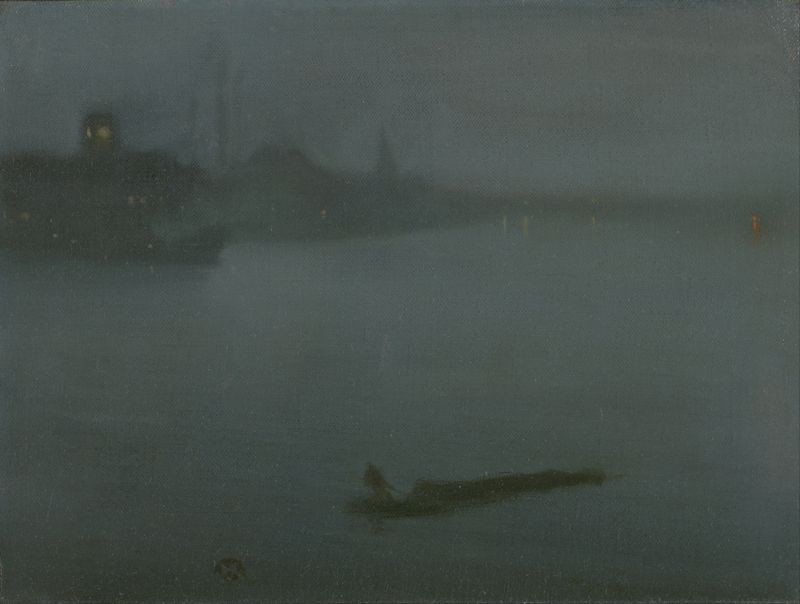
Nocturne in Blue and Silver
James Abbott McNeill Whistler
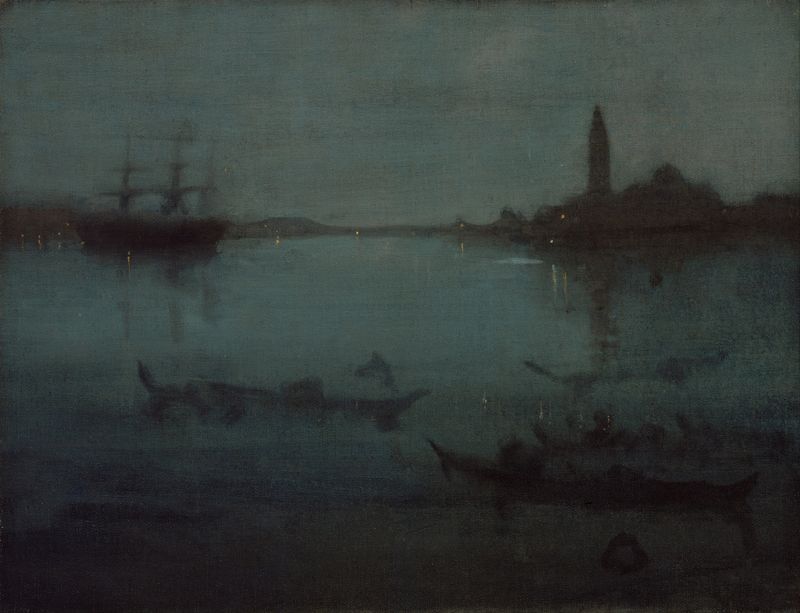
Nocturne in Blue and Silver- The Lagoon, Venice
James Abbott McNeill Whistler
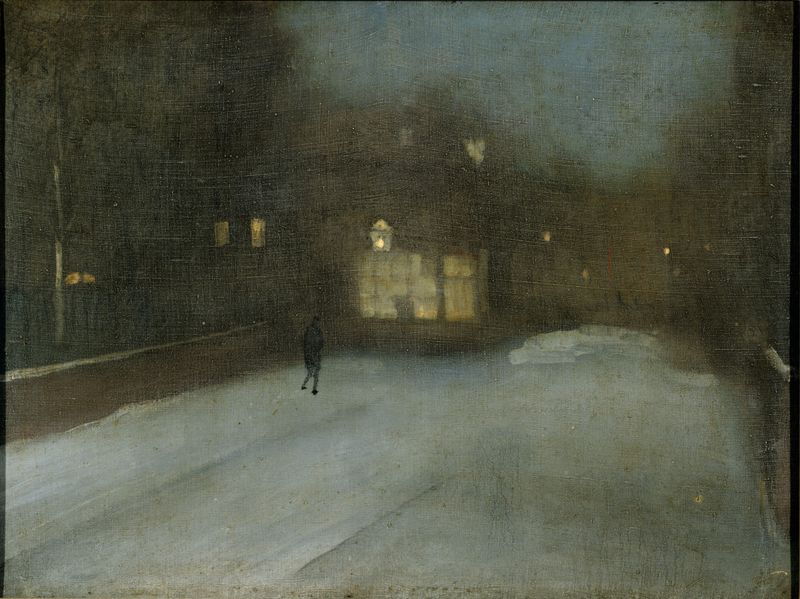
Nocturne in Grey and Gold: Chelsea Snow
James Abbott McNeill Whistler
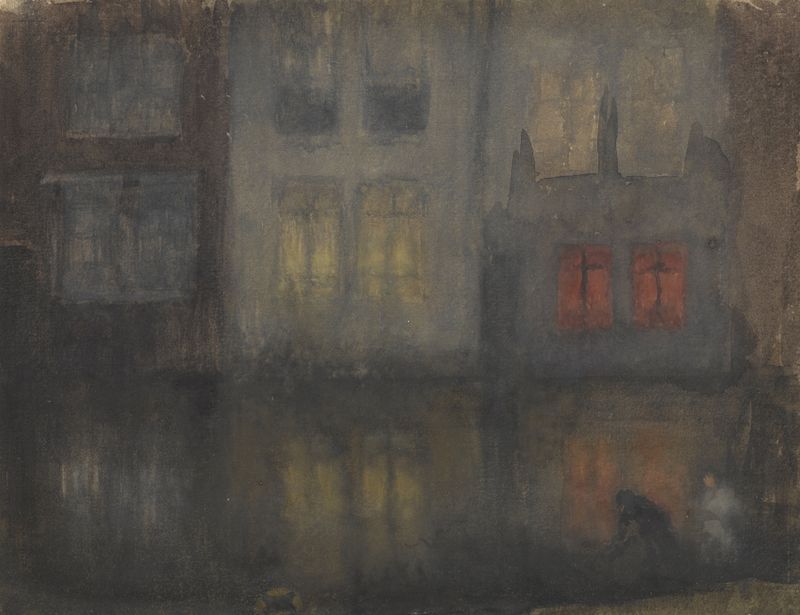
Nocturne: Black and Red—Back Canal, Holland
James Abbott McNeill Whistler
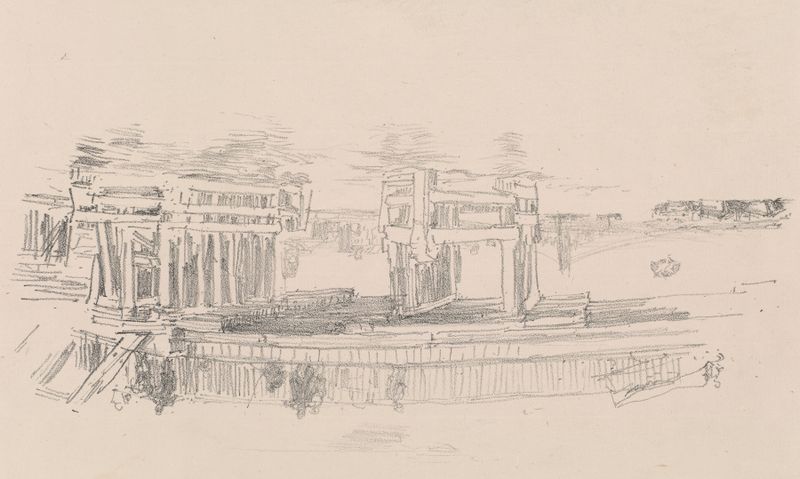
Old Battersea Bridge
James Abbott McNeill Whistler

Nocturne: Blue and Silver–Battersea Reach
James Abbott McNeill Whistler
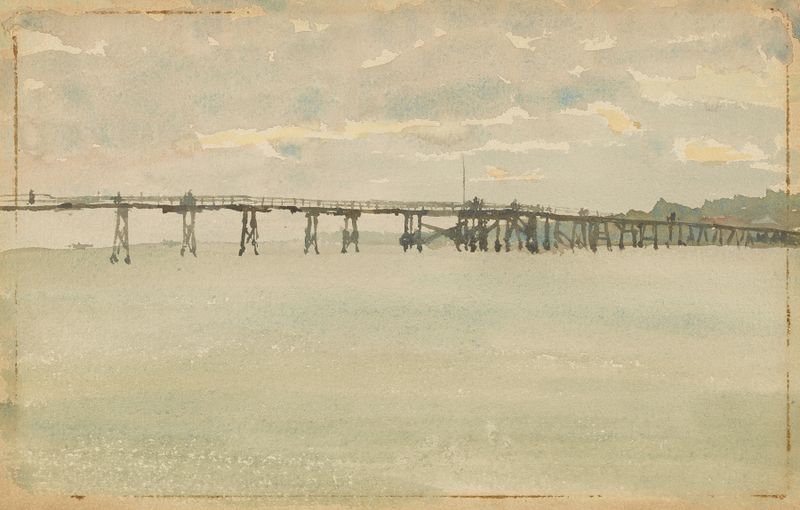
Grey and Silver–Pier, Southend
James Abbott McNeill Whistler





