
The Little Mast — History & Facts
When did color learn to lie? The answer lingers in the depths of a canvas where hues dance with the light of truth and illusion, blurring the boundaries of perception. Focus first on the subtle interplay of muted tones that envelop the composition. The delicate brushwork creates an ethereal quality, leading the viewer's eye towards the central figure, a small mast poised against the soft horizon. Notice how the gentle wash of blues and grays harmonizes with the wisps of white that suggest clouds, imparting a serene yet poignant atmosphere.
The balance between the mast and the surrounding landscape reveals Whistler's mastery of mood, inviting contemplation. At a deeper glance, the contrast between the solitary mast and the vastness surrounding it speaks to themes of isolation and aspiration. The mast, though small, serves as a potent symbol of creation, standing resilient against the backdrop of a shifting sky. The colors whisper stories of both fragility and strength, a duality that evokes introspection about the struggle and beauty inherent in the act of creation itself. In 1880, Whistler was immersed in his pursuit of harmonious color relationships, inspired by the artistic currents of Impressionism.
Living in London at the time, he was also grappling with public critiques and financial strains, yet he remained steadfast in his commitment to innovative expression. It was during this period that he produced The Little Mast, a work that not only reflects his artistic vision but also engages with the broader conversations of art’s evolving identity.
More Artworks by James Abbott McNeill Whistler
Browse all →
Nocturne in Blue and Silver
James Abbott McNeill Whistler
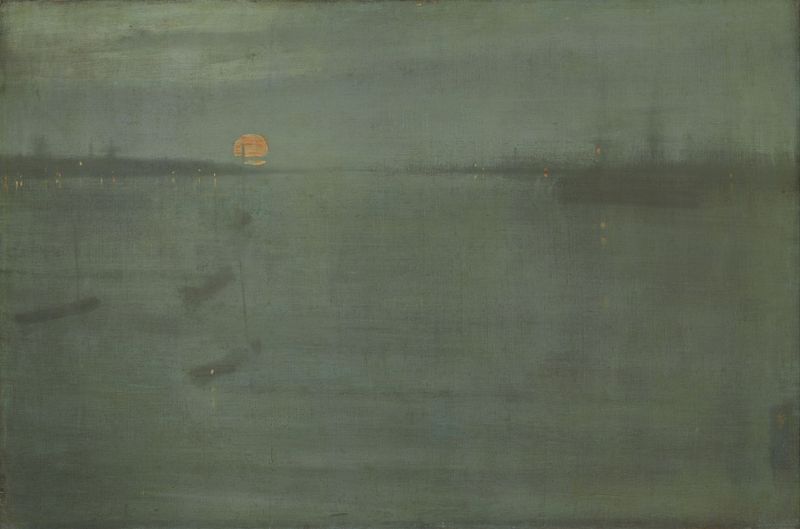
Nocturne: Blue and Gold–Southampton Water
James Abbott McNeill Whistler
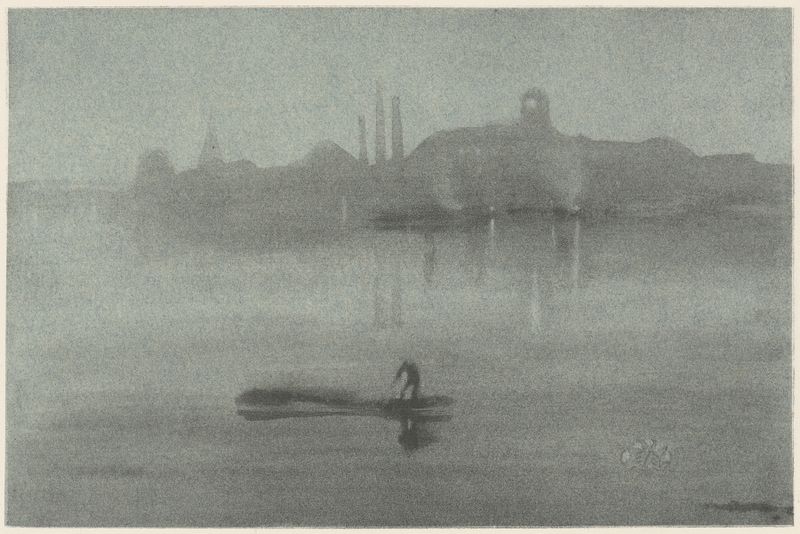
Nocturne
James Abbott McNeill Whistler
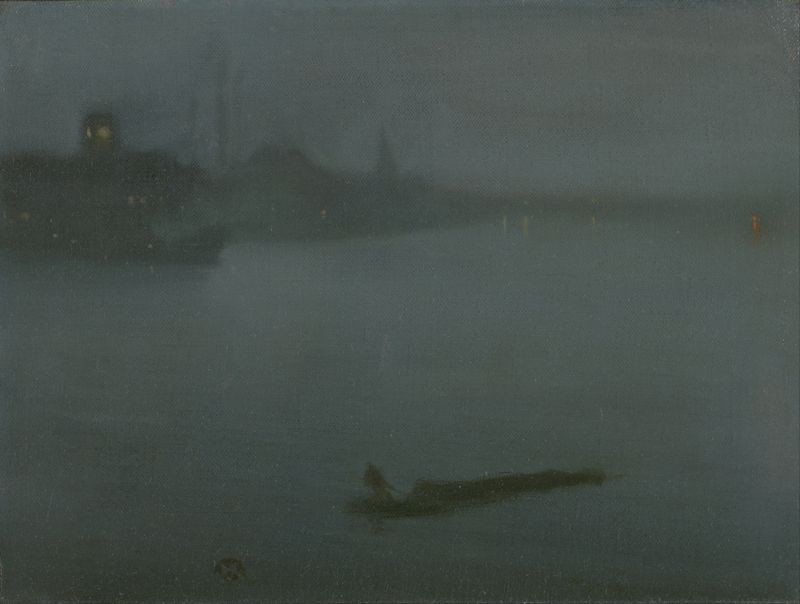
Nocturne in Blue and Silver
James Abbott McNeill Whistler
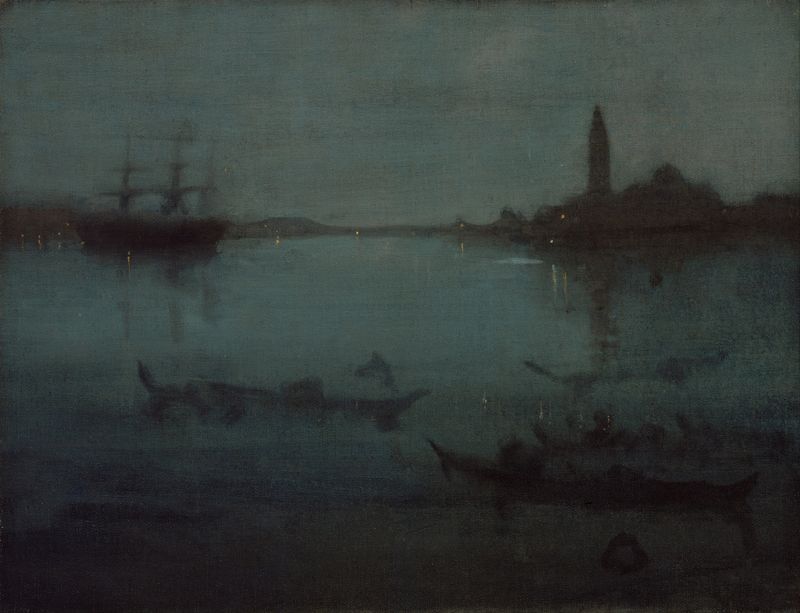
Nocturne in Blue and Silver- The Lagoon, Venice
James Abbott McNeill Whistler
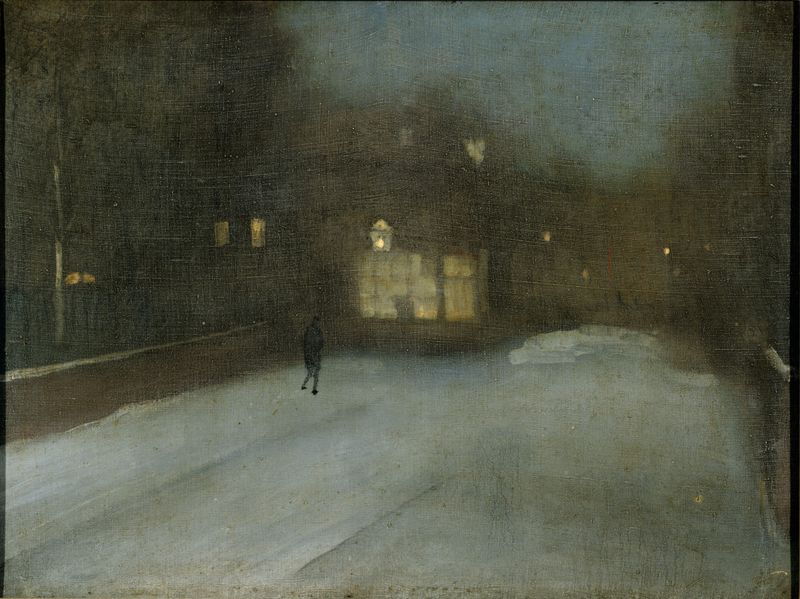
Nocturne in Grey and Gold: Chelsea Snow
James Abbott McNeill Whistler
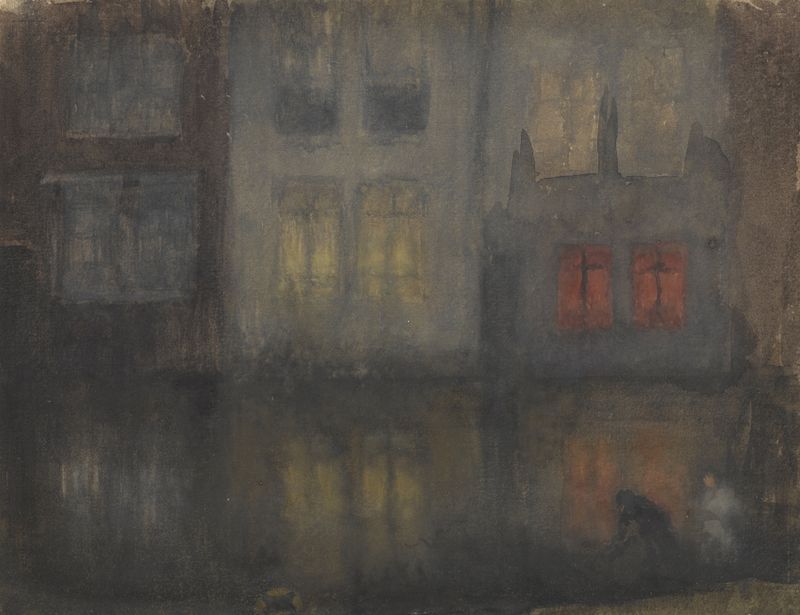
Nocturne: Black and Red—Back Canal, Holland
James Abbott McNeill Whistler
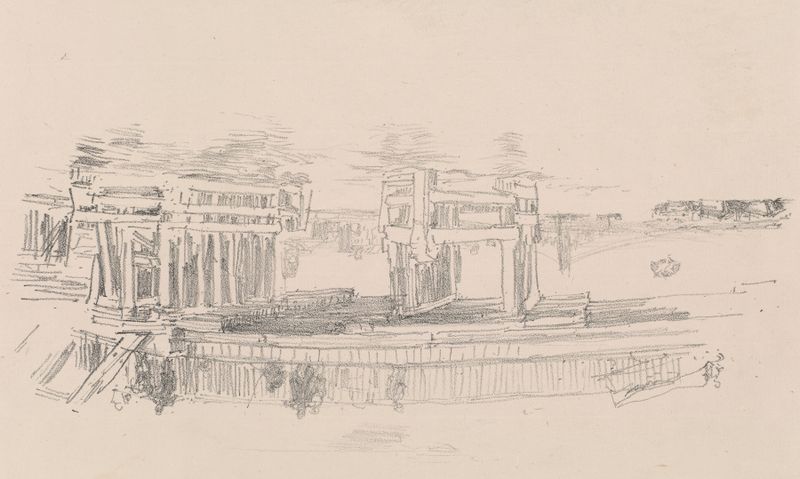
Old Battersea Bridge
James Abbott McNeill Whistler

Nocturne: Blue and Silver–Battersea Reach
James Abbott McNeill Whistler
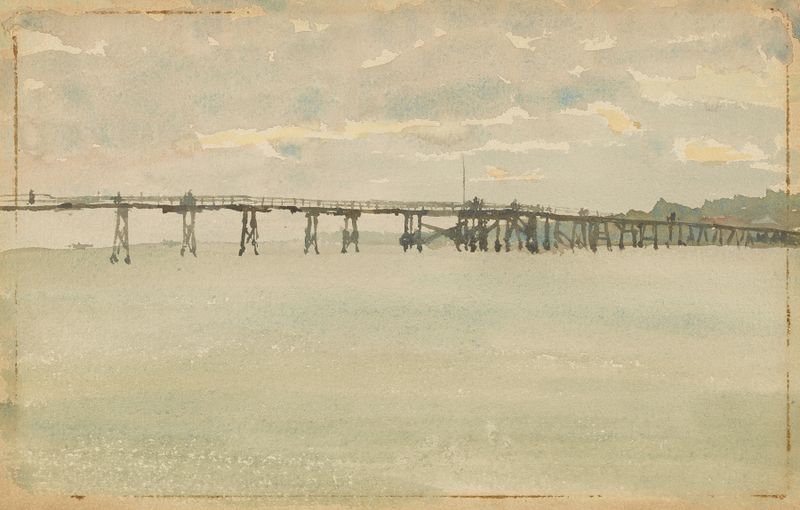
Grey and Silver–Pier, Southend
James Abbott McNeill Whistler




