
The Little Park — History & Facts
In The Little Park, an explosion of color coalesces into a serene embrace, inviting viewers into a world where nature and human emotion dance in harmonious balance. Look to the center of the canvas, where a vibrant congregation of lush greens and soft pastels envelops figures engaged in a gentle promenade. The delicate brushwork gives life to every leaf and petal, while dappled sunlight filters through the trees, casting playful shadows that mimic the movement of the subjects. Pay special attention to the warm hues of pinks and yellows that illuminate the figures’ clothing, signifying joy while contrasting with the cool tones of the surrounding foliage, creating a vivid interplay that captivates the eye. Yet, beneath this idyllic façade lies a subtle tension.
The figures, while seemingly at ease, are caught in a moment of social expectation and unspoken desire. Their poses and expressions hint at longing, suggesting an undercurrent of complexity amidst the picturesque setting. The contrasting colors not only define space but also evoke the emotional landscape—each stroke of paint articulates a feeling, merging vitality with a hint of melancholy that questions the very nature of leisure. Created in 1765, this piece reflects Fragonard’s rise within the Rococo movement, a time when he was deeply immersed in the exploration of intimacy and spontaneity.
Working in France, he was influenced by the changing tastes of the elite, who sought art that captured life's fleeting pleasures. The playful yet sophisticated atmosphere of The Little Park demonstrates Fragonard's mastery in merging joy with a whisper of longing, mirroring the complexities of his own era.
More Artworks by Jean-Honoré Fragonard
Browse all →
The Swing
Jean-Honoré Fragonard
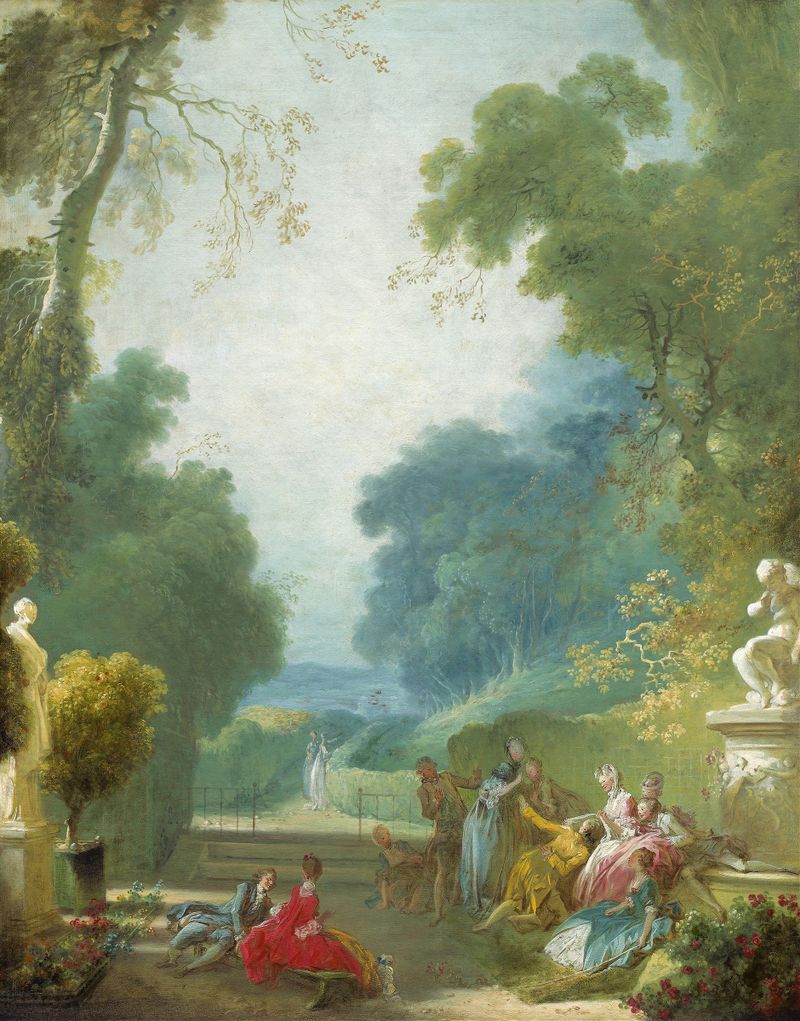
A Game of Hot Cockles
Jean-Honoré Fragonard
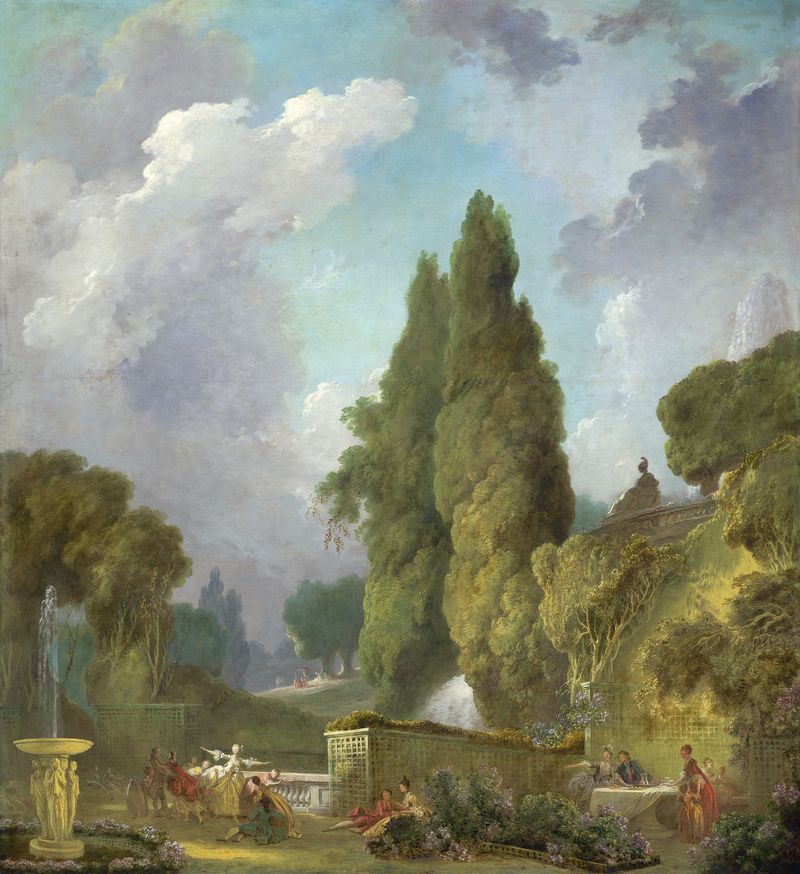
Blindman’s Buff
Jean-Honoré Fragonard

The First Steps
Jean-Honoré Fragonard
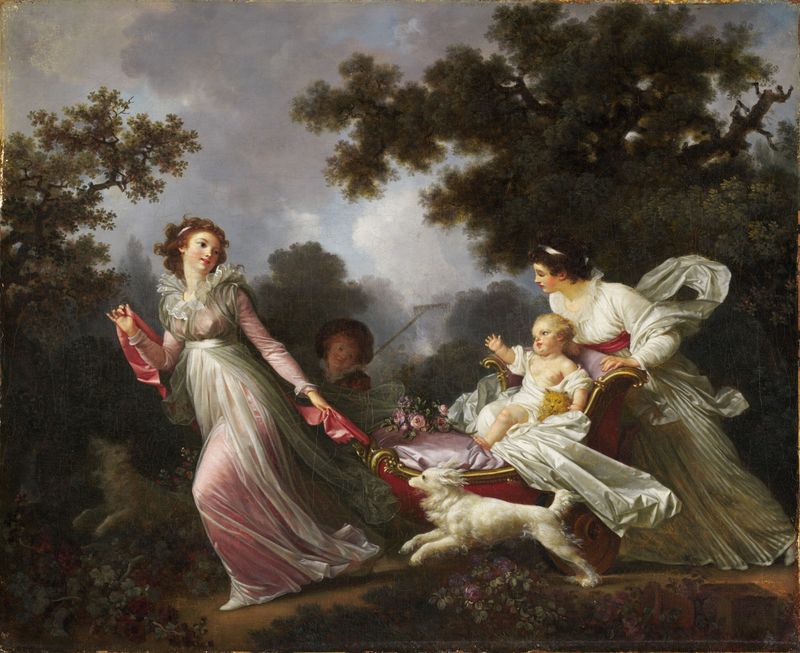
The Beloved Child
Jean-Honoré Fragonard
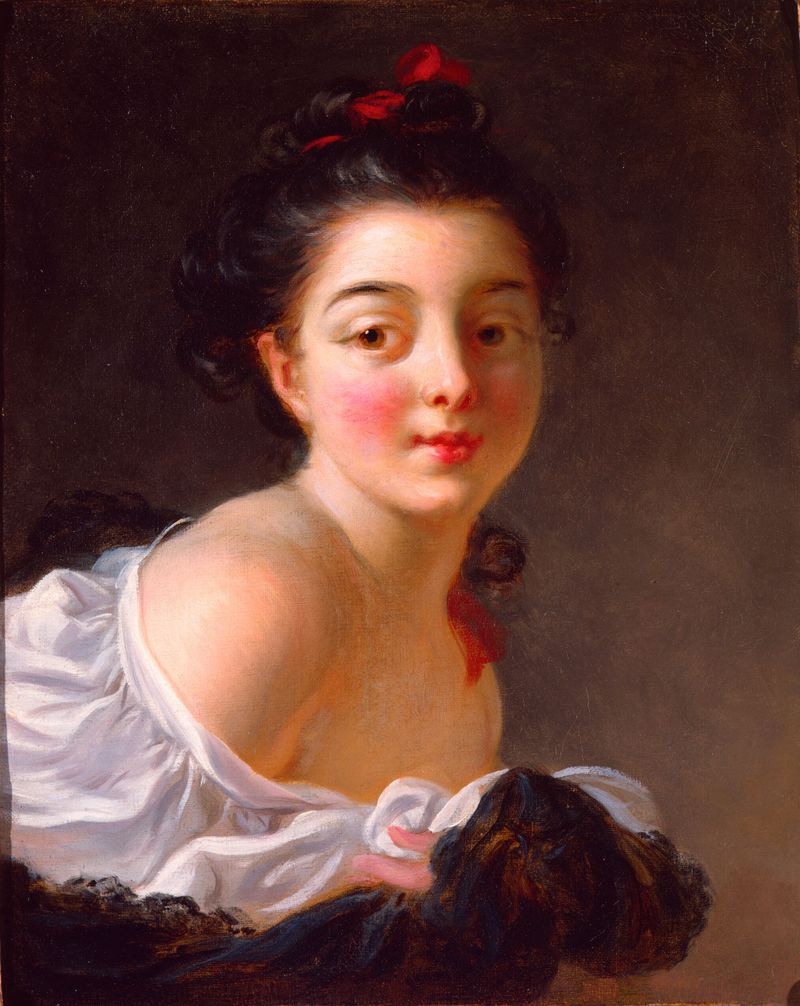
Young Woman with Brown Hair
Jean-Honoré Fragonard
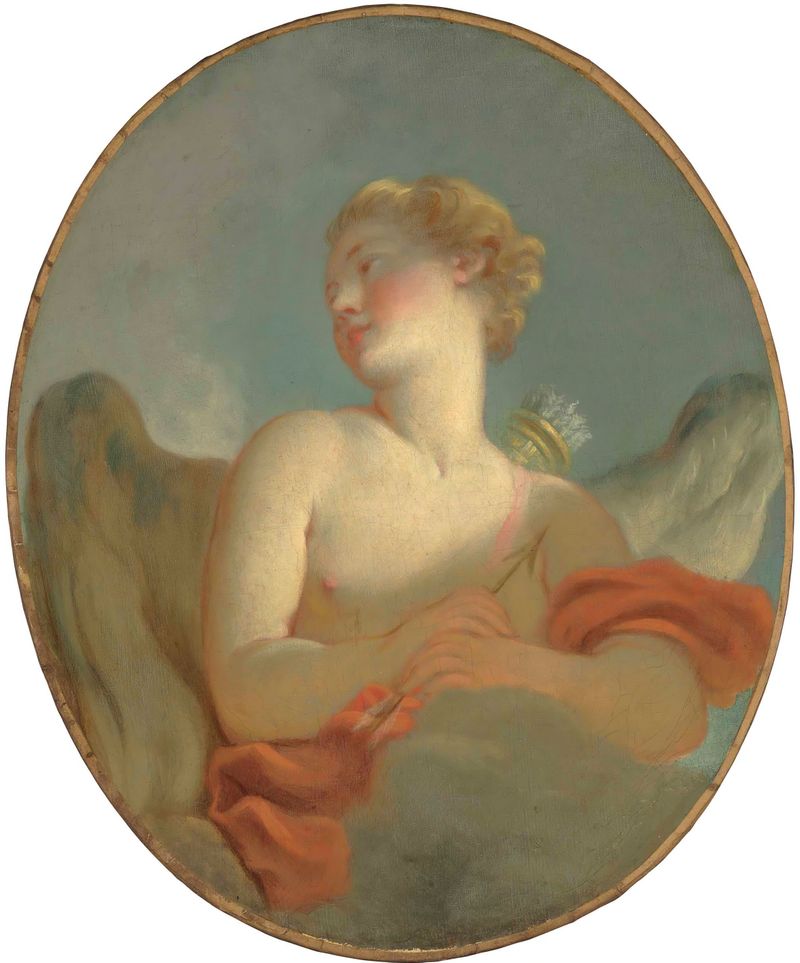
‘L’Amour’; said to be a Portrait of Marie Catherine Colombe (1751-1830) as Cupid
Jean-Honoré Fragonard
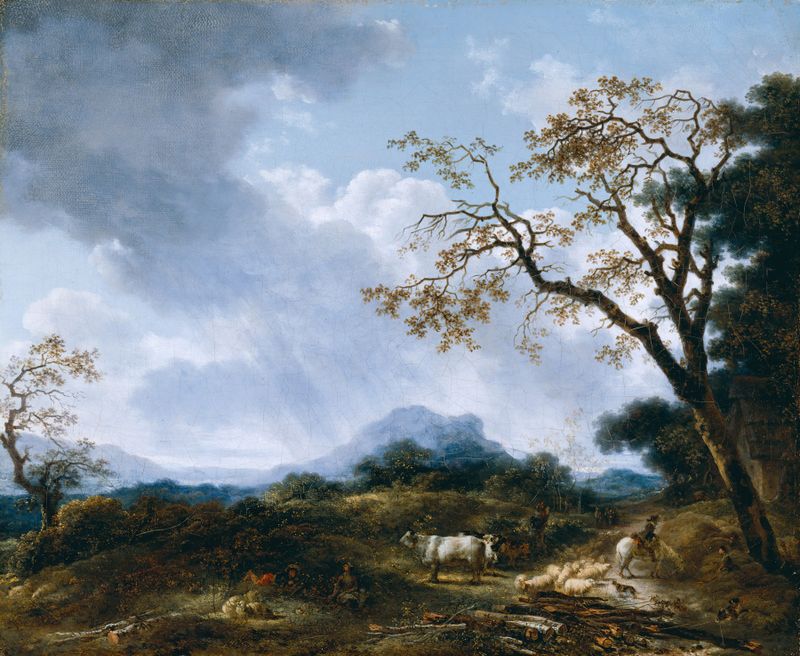
Landscape With Passing Shower
Jean-Honoré Fragonard

The Grand Staircase of the Villa d’Este at Tivoli
Jean-Honoré Fragonard

A Game of Horse and Rider
Jean-Honoré Fragonard





